Car keys are more than just tools—they’re personal items that reflect personality, sentiment, and sometimes even superstition. A turtle keychain, often symbolic of protection, patience, and longevity, is a popular choice among drivers seeking charm and meaning. But while attaching a keychain might seem simple, doing it securely—without risking loss, damage, or mechanical interference—requires thoughtful consideration. Especially with modern vehicles using electronic fobs, the wrong attachment method can lead to malfunctions or even expensive repairs.
This guide explores innovative, tested, and safe techniques for integrating a turtle keychain into your keyring setup. From minimalist attachments to layered configurations, you’ll learn how to preserve both function and flair.
Why Secure Attachment Matters
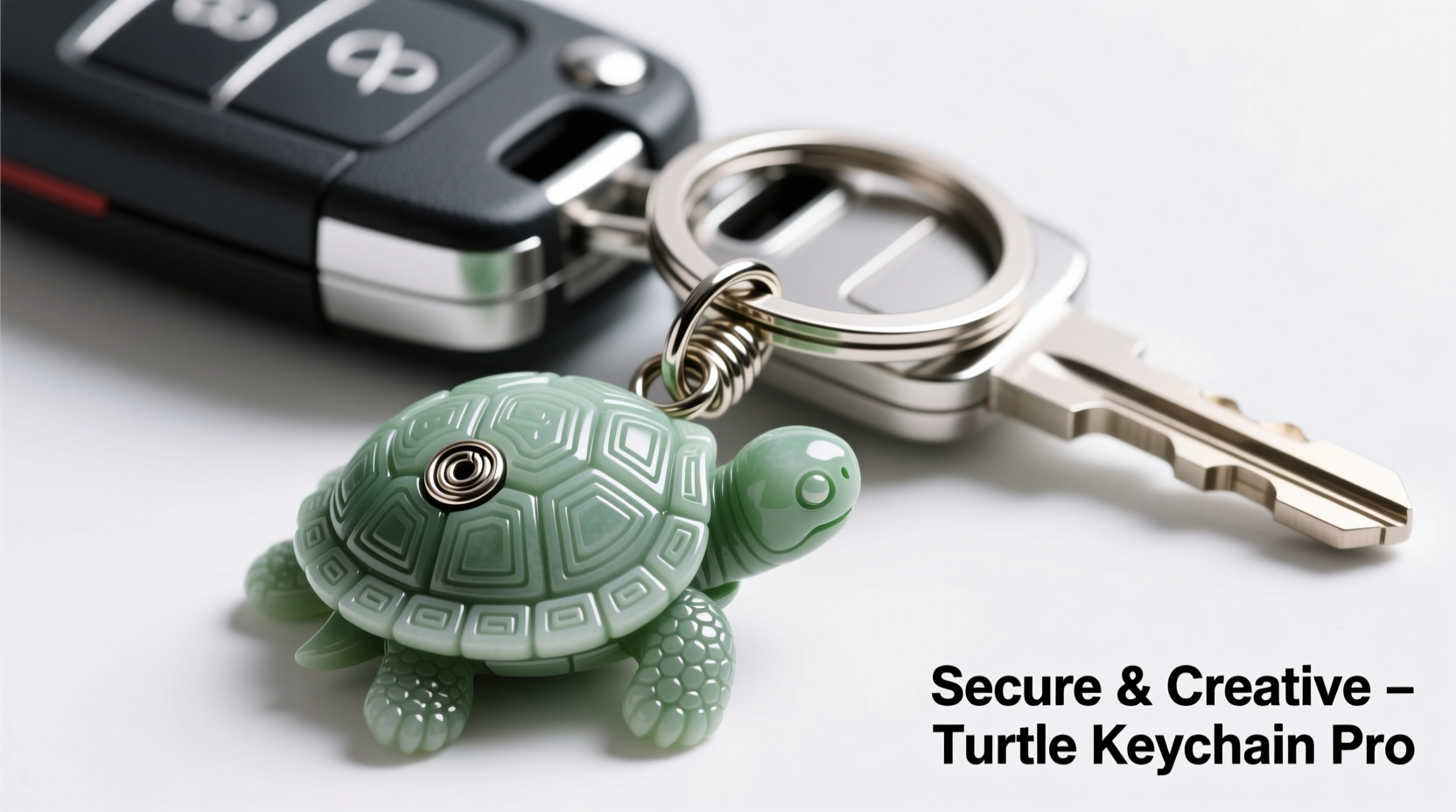
A dangling keychain may appear harmless, but loose accessories can cause real issues. In cars with push-to-start systems, excessive weight on a key fob can damage internal components over time. The constant stress from swinging motions weakens solder joints in circuit boards. Additionally, poorly attached charms can snap off unexpectedly, leading to lost sentimental items—or worse, getting caught in ignition mechanisms.
According to automotive locksmith Mark Delaney, “We see at least two or three damaged fobs per week due to heavy keychains. It’s not just about convenience—it’s about protecting a $300+ piece of technology.”
“We see at least two or three damaged fobs per week due to heavy keychains. It’s not just about convenience—it’s about protecting a $300+ piece of technology.” — Mark Delaney, Automotive Locksmith
Beyond functionality, there's emotional value. Many turtle keychains are gifts, souvenirs, or symbols of milestones. Losing one isn’t just inconvenient—it’s heartbreaking. That’s why combining creativity with security is essential.
Creative Yet Secure Attachment Methods
The goal is to keep your turtle keychain visible and meaningful without endangering your key system. Below are five proven methods, each balancing aesthetics and practicality.
1. Use a Split Ring Connector with Secondary Loop
A split ring (the circular metal ring commonly found on keychains) can be upgraded strategically. Instead of attaching the turtle directly to the main ring with your keys, use a smaller secondary split ring dedicated solely to the charm.
How it works:
- Open a small 10mm split ring using pliers.
- Slide your turtle keychain onto this ring.
- Clip the small ring onto the main keyring—preferably between the fob and any other bulky items.
- Close the ring tightly to prevent slippage.
This method keeps the turtle close to the keys while minimizing swing radius, reducing strain on the fob.
2. Key Mod Integration: Embedding the Turtle
For tech-savvy users, modifying the key fob casing offers a sleek solution. Some aftermarket “key mods” allow customization through 3D-printed shells or transparent cases where small objects—including flat turtle charms—can be inserted behind a clear panel.
If your turtle keychain has a flat design (like an acrylic or metal medallion), consider placing it inside a custom snap-case designed for your vehicle model. This turns the charm into part of the fob’s appearance rather than an external appendage.
3. Lanyard-Based System with Hidden Charm
Lanyards are increasingly popular for hands-free access, especially in urban environments or parking garages. You can integrate your turtle keychain subtly by threading it onto a retractable badge reel or woven lanyard.
Attach the turtle near the base of the lanyard, just above the fob clip. When worn around the neck or wrist, the turtle becomes a quiet statement piece—visible when noticed, protected from tugs and snags.
4. Silicone Sleeve Personalization
Silicone protective sleeves are widely used to shield key fobs from drops and spills. Many brands now offer customizable sleeves with cutouts or pockets for small inserts. If your turtle charm is flat enough, slide it into the outer groove of the sleeve before fitting it over the fob.
Alternatively, some DIY enthusiasts use food-safe silicone molds to embed tiny turtle figures directly into a custom-made fob cover. While more advanced, this creates a permanent, seamless integration.
5. Magnetic Coupling with Safety Breakaway
Magnetic keychains have gained popularity for their clean look and easy detachment. By attaching a micro magnet to the back of the turtle charm and pairing it with a slim magnetic disc on the keyring, you create a connection that releases under tension.
This acts as a “safety breakaway”—if the keychain catches on something, the magnet detaches instead of pulling the entire set apart. Ideal for preventing fob damage in crowded spaces or tight pockets.
Tip: Test magnetic strength first. It should hold during normal movement but separate with moderate pull—about 2–3 pounds of force.Do’s and Don’ts: Best Practices Table
| Do | Don’t |
|---|---|
| Use lightweight materials (resin, acrylic, aluminum) | Attach heavy metal turtles directly to fobs |
| Limit total keychain weight to under 1.5 oz (42g) | Stack multiple bulky charms on one ring |
| Inspect connections monthly for wear | Ignore frayed cords or loose clasps |
| Opt for low-profile designs near ignition zone | Let long chains dangle near starter buttons |
Mini Case Study: Sarah’s Commuter Solution
Sarah, a nurse in Portland, carried a small ceramic turtle keychain given to her by her grandmother before surgery. She loved its symbolism but worried about breaking it during long shifts. After losing two clips from jostling in her scrubs pocket, she switched to a silicone sleeve method.
She placed the turtle inside a clear TPU fob cover designed for her Honda CR-V. Though initially skeptical, she found the charm remained visible and emotionally present without risk. Six months later, the keychain was intact—even after being dropped twice on tile floors.
“It’s still meaningful,” she said, “but now I don’t flinch every time I reach into my pocket.”
Step-by-Step: How to Safely Attach Your Turtle Keychain
Follow this timeline to ensure a durable, attractive result:
- Week 1 – Assess Weight & Design: Weigh your turtle keychain. Anything over 1.5 oz should avoid direct fob attachment.
- Day 2 – Choose Method: Based on size and material, select one of the five methods above.
- Day 3 – Gather Supplies: Purchase necessary hardware (split rings, magnets, sleeves, etc.).
- Day 4 – Assemble Test Version: Try the setup without removing existing keys. Check balance and clearance.
- Day 5 – Finalize & Monitor: Secure everything fully. Observe for one week during regular use.
- Monthly – Maintenance Check: Inspect for signs of wear, corrosion, or looseness.
Frequently Asked Questions
Can I glue my turtle keychain to the fob?
Adhesives like epoxy can work temporarily, but they often fail under temperature changes and repeated handling. If you must glue, use a flexible bonding agent (like E6000) and avoid covering sensors or battery compartments.
Will a magnetic attachment interfere with my key fob signal?
No—magnets used in consumer key accessories are typically too weak to affect RFID or Bluetooth signals. However, avoid placing strong neodymium magnets directly against the circuit board.
Is it safe to put a keychain on a Tesla fob?
Tesla strongly advises against adding any attachments to their key fobs. Even minor weight increases can accelerate wear on internal components. For Teslas, use embedded or sleeve-based solutions only—never hang-weight designs.
Final Thoughts: Style Meets Smart Security
Your turtle keychain carries more than metal or plastic—it holds memory, hope, and intention. Protecting it doesn’t mean hiding it away. With careful planning, you can showcase your charm proudly while safeguarding your vehicle’s electronics and your own peace of mind.
Start small. Try one method. Adjust as needed. The right solution blends seamlessly into your routine—so effective you forget it’s engineered, yet so meaningful you notice it every day.
💬 Have a unique way of styling your turtle keychain? Share your story in the comments—we’d love to feature creative solutions from readers!








