Dogs thrive on stimulation—mental, physical, and emotional. While store-bought toys offer convenience, many contain synthetic materials or pose choking hazards. Crafting your own dog toys at home is not only cost-effective but allows full control over safety, durability, and creativity. With a few common household items and some thoughtful design, you can create engaging, non-toxic playthings that keep tails wagging and minds sharp.
The best homemade dog toys balance safety, durability, and fun. They encourage natural behaviors like chewing, tugging, and problem-solving without risking injury. Below are tested, veterinarian-aligned ideas that prioritize your pet’s well-being while sparking joy.
Why Homemade Dog Toys Make a Difference
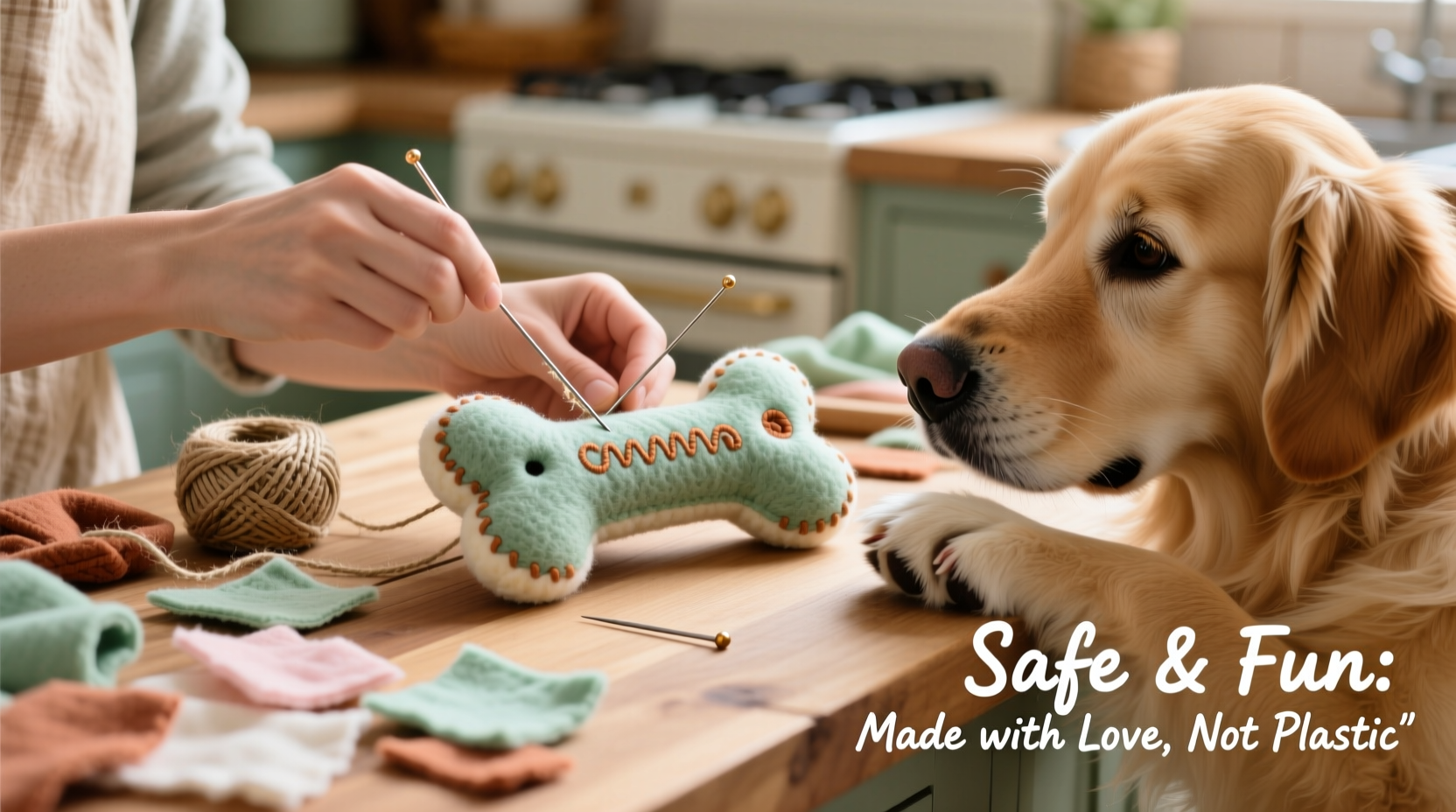
Commercial toys often follow trends rather than canine needs. Many are made with low-grade plastics, toxic dyes, or stuffing that clumps when wet. In contrast, DIY toys let you choose breathable fabrics, natural fibers, and safe construction methods. You also reduce waste by repurposing old clothes or towels—turning clutter into enrichment.
Additionally, customization is key. A toy suited for a teething puppy differs from one ideal for a senior dog with arthritis. Handmade options allow size, texture, and challenge level adjustments based on breed, age, and temperament.
Tip: Always supervise your dog during initial play sessions with new toys to ensure safe interaction.Safe Materials and What to Avoid
Not all fabrics or household items are dog-safe. Prioritize non-toxic, tightly woven materials that resist fraying. Natural cotton, denim, and fleece are excellent choices. Avoid anything with loose threads, zippers, buttons, or plastic components that could become choking hazards.
| Safe Materials | Unsafe Materials |
|---|---|
| Cotton T-shirts (clean, no stains) | Foam padding or stuffing |
| Terry cloth towels | Plastic bags or wrappers |
| Braided denim strips | Rubber bands or zip ties |
| Knots in thick rope (100% cotton) | Glossy paper or ink-heavy magazines |
“Homemade doesn’t mean makeshift. Safety comes first—even in DIY. If it can be torn into small pieces, it’s a risk.” — Dr. Lena Torres, DVM, Canine Behavior Specialist
5 Creative and Safe Homemade Toy Ideas
1. Braided T-Shirt Tug Toy
A simple yet durable tug toy made from old cotton shirts. This design satisfies pulling instincts and helps clean teeth through friction.
- Cut three 2-inch-wide strips from a clean cotton T-shirt, each about 24 inches long.
- Line them up and tie a knot at one end.
- Braid tightly and secure the other end with another knot.
- Trim any loose threads.
2. Fleece Knot Ball
A soft, chewable ball perfect for gentle play or indoor fetch. Unlike rubber balls, this won’t damage teeth or bounce unpredictably.
- Cut six 1-inch-wide strips of fleece, each 18 inches long.
- Bundle them together and tie a knot in the center.
- Fluff out the strands to form a fuzzy ball.
- Ensure knots are tight so strands don’t loosen during chewing.
3. Towel Treat Puzzle
Mental stimulation is just as important as physical play. This treat-dispensing toy challenges dogs to unravel a rolled towel to find hidden snacks.
- Lay a hand towel flat and place 3–5 small treats in the center.
- Roll the towel tightly from one end.
- Tie both ends with cotton shoelaces or fabric strips.
- Let your dog unroll it using paws and nose.
“My Border Collie used to bark at shadows. Since I started rotating puzzle toys like the towel roll, her anxiety dropped dramatically.” — Rachel Kim, dog owner and trainer
4. Denim Pocket Fetcher
Repurpose old jeans by turning a single pocket into a lightweight fetch toy. The denim is tough, and the pocket adds a fun crinkling sound.
- Cut a back pocket from an old pair of jeans, leaving a 1-inch fabric border.
- Turn the pocket inside out and sew or fabric-glue the edges closed.
- Optional: Insert a squeaker (pet-safe, sealed in fabric) before closing.
- Right-side out and let your dog explore.
5. No-Sew Sock Snake
A quick, no-sew option ideal for light chewers. Fill an old sock with smaller socks or rice (in a sealed plastic bag) for weight and noise.
Warning: Never use loose filling like beans or rice without sealing it in a leak-proof container—ingestion can cause blockages.Leave one end knotted and the other tied loosely so your dog can “hunt” the inner sock. Discard immediately if the outer sock tears.
Step-by-Step: Building a Weekly Toy Rotation Schedule
Dogs get bored. Rotating toys weekly keeps interest high and prevents destructive behavior from understimulation. Follow this timeline to maximize engagement:
- Day 1: Introduce one new handmade toy. Pair it with praise or a treat to build positive association.
- Days 2–3: Combine the new toy with one familiar favorite during playtime.
- Day 4: Retire the new toy and bring out a different handmade option from storage.
- Day 7: Wash all used toys in hot water (no detergent) and air dry completely before storing.
- Repeat: Cycle through 4–5 toys monthly to maintain novelty.
This system mimics how wild canines interact with limited objects in changing environments—keeping brains active and energy directed positively.
Checklist: Before Giving a Homemade Toy to Your Dog
- ✅ All knots are tight and secure
- ✅ No loose threads or frayed edges
- ✅ No small parts that could be swallowed
- ✅ Made from clean, odor-free materials
- ✅ Appropriate size for your dog’s mouth and chewing strength
- ✅ Supervised during first use
- ✅ Stored in a dry, ventilated area when not in use
Frequently Asked Questions
Are yarn or string toys safe for dogs?
No. String-like materials can cause linear foreign body obstructions if swallowed—a serious condition requiring surgery. Stick to tightly braided or knotted designs without dangling ends.
How often should I replace handmade toys?
Inspect toys daily. Replace immediately if you notice thinning fabric, loose stuffing, or weakened seams. Even sturdy toys should be retired after 3–4 weeks of regular use.
Can I use essential oils to scent toys?
No. Many essential oils—especially tea tree, citrus, and eucalyptus—are toxic to dogs. Even small amounts absorbed through licking can lead to poisoning. Keep toys unscented.
Conclusion: Craft Joy, One Toy at a Time
Creating handmade dog toys isn’t just a craft project—it’s an act of care. Each knot tied, strip braided, or pocket repurposed reflects attention to your dog’s happiness and health. These toys foster bonding, reduce boredom, and support natural behaviors in ways mass-produced items rarely do.
Start small: turn one old T-shirt into a tug toy today. Watch your dog’s reaction. Adjust textures and sizes over time. Share your creations with fellow pet owners. The most meaningful enrichment often comes not from price tags, but from thoughtfulness and time.
💬 Have a favorite homemade toy idea? Share it in the comments and inspire others to make safe, joyful playthings for their four-legged family members!








