Military dog tags carry deep personal and historical significance. Originally designed for identification in combat, they’ve become enduring symbols of service, sacrifice, and identity. When these tags are retired—whether due to the end of military service, loss, or replacement—it’s important to handle them with care. Disposing of old dog tags isn’t just about discarding metal; it’s about honoring a legacy. This guide explores thoughtful, dignified, and creative approaches to retiring dog tags while preserving their meaning.
Understanding the Significance of Dog Tags
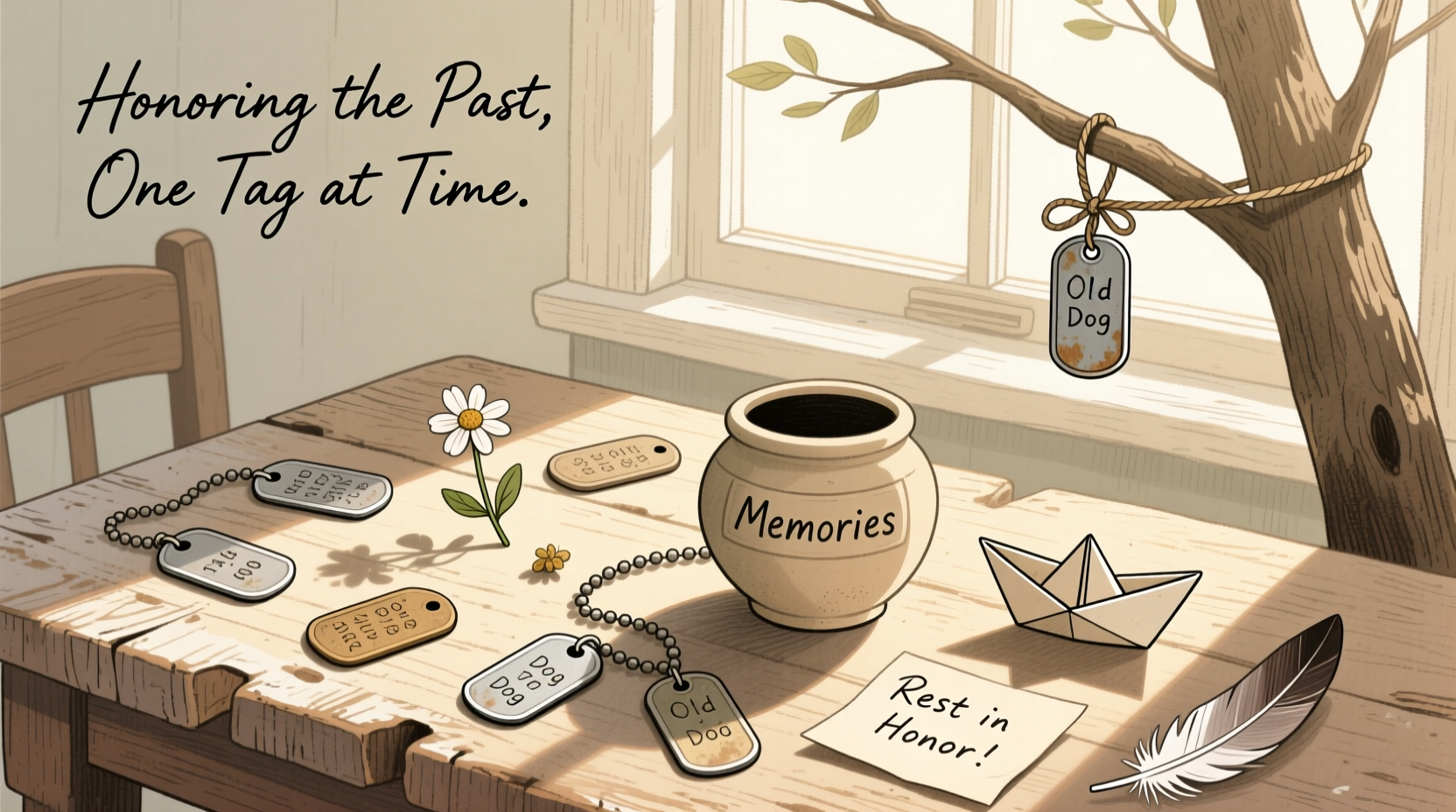
Dog tags have been used by militaries worldwide since the early 20th century. Made typically from stainless steel or aluminum, they contain vital information such as the wearer’s name, blood type, service number, and religious preference. Beyond function, they serve as intimate artifacts of military life—worn close to the heart, surviving battles, and often passed down through generations.
Because of this emotional weight, simply throwing dog tags in the trash can feel disrespectful. Whether you’re a veteran, a family member, or someone who inherited tags from a loved one, your approach to disposal should reflect the dignity of the service they represent.
“Dog tags aren’t just equipment—they’re part of a soldier’s story. How we treat them after service matters.” — Colonel James R. Holloway (Ret.), U.S. Army Veteran and Military Historian
Respectful Methods of Disposal
There is no single “correct” way to retire dog tags, but several time-honored traditions offer both closure and respect. Consider the individual’s service, personal beliefs, and your relationship to them when choosing a method.
1. Formal Retirement Ceremony
Holding a small ceremony allows space for reflection and gratitude. Invite close family, fellow veterans, or unit members. Read a letter, play Taps, or share memories. At the conclusion, place the tags in a sealed container or bury them as a symbolic act of closure.
Tip: Use a wooden box lined with velvet to present the tags during the ceremony—adds dignity and preserves them if later interred.2. Burial with Honors
Burying dog tags in a meaningful location—such as a veteran’s gravesite, garden, or memorial plot—can be deeply symbolic. Some families choose to bury them alongside other military memorabilia or during commemorative dates like Memorial Day.
If burial is chosen, consider marking the spot with a small plaque or stone. This transforms a private act into a lasting tribute.
3. Donation to Museums or Educational Institutions
Historical societies, military museums, or ROTC programs may accept retired dog tags for educational use. These institutions often display them in exhibits about military life, helping future generations understand the human side of service.
Contact curators first to confirm their policies. Be prepared to provide background information—this context enhances the educational value.
Creative Ways to Repurpose Old Dog Tags
For those seeking to preserve the tags in a new form, repurposing offers a bridge between memory and modern life. Done thoughtfully, this keeps the spirit of service alive in everyday moments.
1. Memorial Jewelry
Skilled jewelers can transform dog tags into pendants, keychains, or cufflinks. Engraving a date, motto, or additional message personalizes the piece. Wearing a tag-turned-pendant allows veterans and families to carry their history with pride.
- Use one half of a set as a pendant, keep the other framed at home.
- Add a chain engraved with “Always Remembered” or a branch of service emblem.
2. Shadow Box Display
Create a visual narrative by mounting the tags in a shadow box with photos, medals, letters, or uniform patches. Arrange items chronologically to tell a story of service and return.
| Element | Purpose |
|---|---|
| Dog tags | Symbol of identity and duty |
| Service photo | Personal connection |
| Rank insignia | Recognition of achievement |
| Letter from commander | Historical context |
| American flag patch | Patriotic tribute |
3. Incorporate into Art or Home Memorials
Some artists embed dog tags into sculptures, paintings, or wall installations. A veteran might collaborate with a local artist to create a mixed-media piece that reflects their journey. Others mount tags behind glass with quotes like “Freedom Isn’t Free” or “In Honor of Those Who Served.”
Tip: Seal dog tags with a clear lacquer before embedding in art to prevent tarnishing over time.Step-by-Step Guide to Retiring Dog Tags with Dignity
Follow this timeline to ensure your process is both intentional and respectful:
- Reflect on Intent: Determine your goal—closure, preservation, education, or tribute.
- Gather Information: Note the service branch, dates, and any personal stories connected to the tags.
- Choose a Method: Select from burial, donation, repurposing, or ceremonial retirement.
- Prepare Materials: Collect a box, frame, or jewelry kit depending on your choice.
- Conduct the Act: Perform the disposal or transformation with mindfulness—invite others if appropriate.
- Document the Moment: Take photos or write a short note to preserve the memory of the act itself.
Mini Case Study: Honoring a Father’s Service Through Art
After his father’s passing, Mark Thompson inherited a set of dog tags from the Vietnam War. Unsure how to honor them, he reached out to a veteran-owned metalworks studio in Austin, Texas. Together, they designed a wall sculpture using the original tags, fused with a bronze silhouette of a soldier kneeling in reflection. The piece now hangs in Mark’s living room, serving as both art and conversation starter.
“It wasn’t about keeping the tags on a shelf,” Mark said. “It was about letting people see what my dad gave up—and what he meant to us.”
What Not to Do: Common Mistakes
While intentions may be good, some actions risk dishonoring the tags’ legacy. Avoid these pitfalls:
| Do | Don’t |
|---|---|
| Donate to accredited military museums | Sell tags online for profit |
| Repurpose with permission from the veteran or family | Alter tags without consent (e.g., engraving over original text) |
| Bury tags in a private, meaningful location | Discard in public trash or recycling bins |
| Use tags in educational displays with context | Display them as novelty items or fashion accessories without explanation |
Frequently Asked Questions
Can I throw old dog tags in the trash?
No. Due to their symbolic and sometimes sensitive nature, disposing of dog tags in regular trash is widely considered disrespectful. Even if unused, they represent military identity and should be retired intentionally.
Is it okay to keep only one tag from a pair?
Yes, especially if splitting the set has meaning—such as giving one to a family member and keeping one yourself. Many veterans retain one tag after service as a personal memento.
Can I recycle dog tags?
Technically, yes—the metal is recyclable. However, standard recycling lacks ritual. If recycling, consider doing so through a veteran-focused scrap metal drive or pairing it with a moment of silence to maintain respect.
Checklist: Responsible Disposal of Old Dog Tags
- ☐ Confirm ownership and right to dispose of the tags
- ☐ Research the service history (if not your own)
- ☐ Decide on a method: donate, repurpose, bury, or ceremonially retire
- ☐ Contact institutions if donating
- ☐ Prepare materials (box, frame, jewelry kit, etc.)
- ☐ Conduct the act with dignity and presence
- ☐ Document the process for personal or family records
Final Thoughts: Turning Metal into Meaning
Dog tags are more than stamped metal—they are emblems of courage, identity, and endurance. How we choose to retire them speaks volumes about how we value service and memory. Whether through quiet burial, creative reuse, or educational donation, each option offers a path to honor the past while shaping the future.
💬 How have you honored a veteran’s dog tags? Share your story in the comments—your experience could inspire others to find their own meaningful way to remember.








