
Feeding time should be clean, organized, and comfortable—for both you and your dog. A custom dog bowl table elevates the experience by keeping bowls off the floor, reducing mess, and preventing spills. More than just functional, a handmade feeding station can reflect your home’s style and your pet’s personality. With basic tools and a bit of creativity, you can build a durable, attractive solution that lasts for years.
Why Build a Dog Bowl Table?
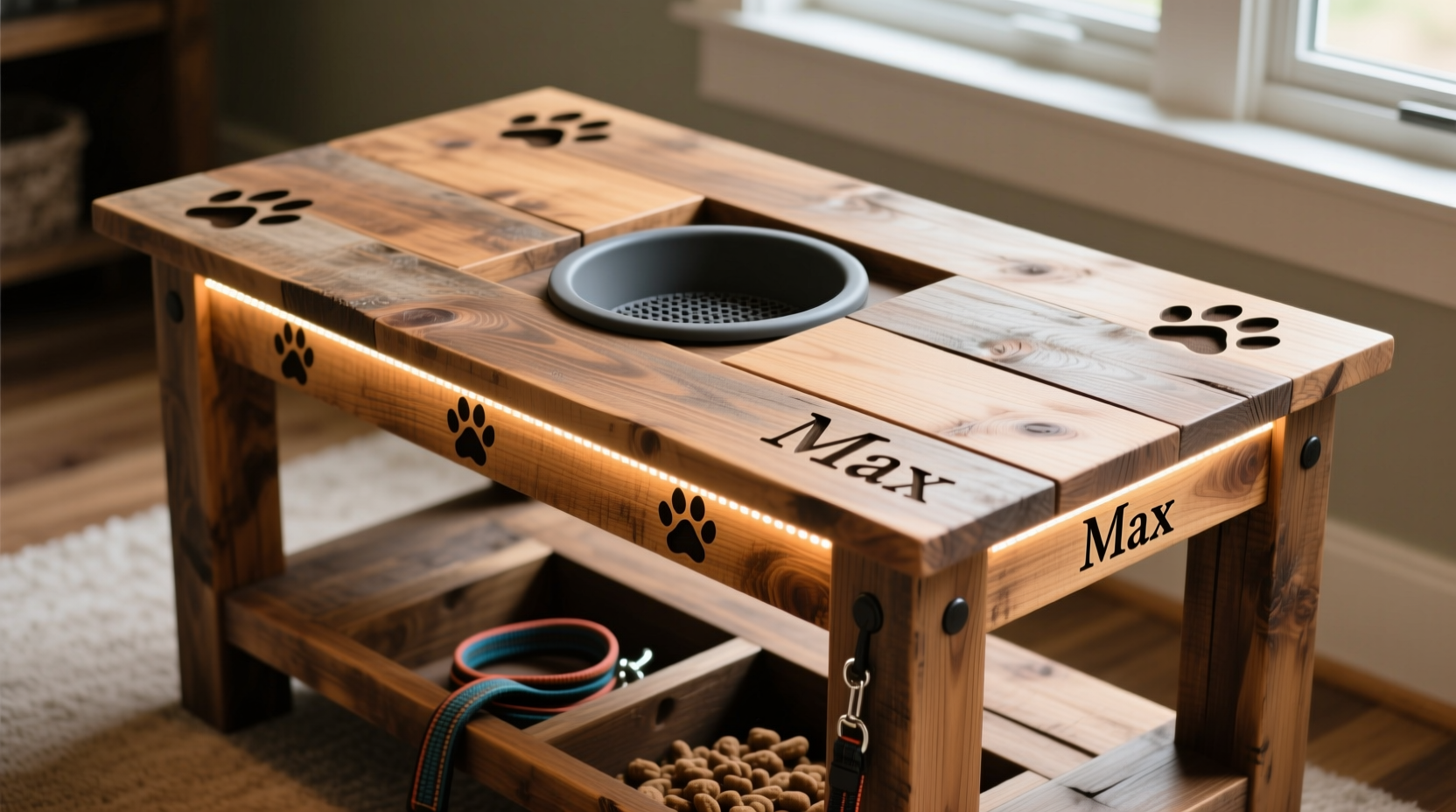
Elevated feeders offer several advantages. They promote better posture during meals, especially for larger breeds or dogs with joint issues. They also minimize food and water splatter, making cleanup easier. But store-bought options often lack durability or design flexibility. Building your own allows you to choose materials, dimensions, and finishes that suit your space and lifestyle.
“An elevated feeding station isn’t just about convenience—it supports spinal alignment and digestion in dogs, particularly those with deep chests.” — Dr. Lena Reyes, Veterinary BehavioristTip: Measure your dog from the ground to the top of their shoulder before building. The bowl height should align with their chest when standing.
Design Considerations for Your Custom Table
Before cutting any wood, consider how the table will function in your space. Key factors include size, stability, material choice, and ease of cleaning.
- Dog size: Small breeds need lower tables; large dogs may require heights of 15–24 inches.
- Bowl type: Stainless steel bowls are easiest to clean and safest. Account for diameter when sizing cutouts.
- Location: Will it go indoors or outdoors? Indoor tables can use decorative finishes; outdoor builds need weather-resistant materials.
- Portability: If you move the table often, keep weight manageable or add wheels.
Material Options Compared
| Material | Pros | Cons | Best For |
|---|---|---|---|
| Pine Wood | Affordable, easy to cut and stain | Soft, prone to scratches and moisture damage | Indoor use only |
| Cedar or Redwood | Naturally weather-resistant, aromatic | More expensive, harder to source | Outdoor tables |
| Stainless Steel Frame | Durable, hygienic, modern look | Expensive, requires welding or metalworking | High-end indoor or covered outdoor use |
| Recycled Plastic Lumber | Weatherproof, no rotting, low maintenance | Heavy, limited availability | Patios or humid climates |
Step-by-Step Guide: Building a Simple Wooden Dog Bowl Table
This project uses common tools and materials available at most hardware stores. Estimated build time: 3–4 hours.
- Gather materials: 1x12 pine board (4 ft), two 2x2 legs (cut to desired height), wood screws, wood glue, sandpaper, exterior-grade wood sealant (if used outdoors).
- Measure and cut: Cut the tabletop to 24” long. Cut four legs to equal length based on your dog’s height. For stability, angle the bottom 1” of each leg outward slightly.
- Sand all pieces: Smooth sharp edges and surfaces to prevent splinters.
- Mark bowl positions: Place bowls on the board where you want them. Trace the outer rim.
- Drill and rout: Drill a starter hole inside the traced line, then use a jigsaw to cut out the bowl openings. Sand the edges smooth.
- Assemble frame: Attach legs to the underside corners using wood screws and glue. Reinforce with corner brackets if needed.
- Seal the wood: Apply 2–3 coats of waterproof sealant, allowing drying time between layers. Let cure fully before use.
- Add non-slip pads: Attach rubber feet to the bottom of each leg to protect floors and prevent sliding.
Creative Variations to Personalize Your Build
A dog bowl table doesn’t have to be plain. These ideas blend function with flair:
- Hidden Storage Compartment: Add a small hinged lid on the tabletop to store treats, poop bags, or grooming wipes.
- Integrated Water Bottle Holder: Attach a stainless steel loop to the side for quick access to a refillable bottle during outdoor feeding.
- Chalkboard Panel: Mount a small chalkboard to track feeding times, medications, or fun messages like “Biscuit Time!”
- Double-Tier Design: Stack two platforms—one for bowls, one below for storage baskets or toy bins.
- Themed Finishes: Paint the legs like tree trunks for a “kennel cottage” look, or stencil your dog’s name in bold letters.
Mini Case Study: The Urban Apartment Solution
In a compact Brooklyn apartment, Sarah adopted a Labrador mix whose messy eating habits created daily puddles on her hardwood floor. Store-bought feeders were either too flimsy or too bulky. She built a narrow, wall-mounted dog bowl table from reclaimed barn wood, designed to fold down like a drop-leaf desk. When not in use, it flipped up against the kitchen wall, saving floor space. She added magnetic latches to keep it secure and lined the tray with a removable silicone mat for easy washing. The result? A tidy feeding zone that doubled as rustic decor.
Checklist: Pre-Build Planning Essentials
Ensure success before starting construction:
- ✅ Measure your dog’s withers (shoulder height)
- ✅ Choose indoor or outdoor location
- ✅ Select appropriate wood or alternative material
- ✅ Confirm bowl size and spacing (typically 6–8” apart)
- ✅ Gather tools: saw, drill, sander, measuring tape, clamps
- ✅ Decide on finish: paint, stain, or sealant
- ✅ Plan for drainage or spill containment
Common Mistakes to Avoid
Even experienced DIYers make errors when building pet furniture. Steer clear of these pitfalls:
- Incorrect height: Too high strains the neck; too low defeats the purpose of elevation.
- Wobbly legs: Inadequate bracing leads to tipping. Use crossbeams or diagonal supports.
- Unsealed wood: Moisture absorption causes warping and mold. Always apply a protective coat.
- Oversized cutouts: Bowls can shift or tilt. Cut holes 1/4” smaller than bowl diameter and sand to fit.
- Ignores cleanability: Avoid fabric inserts or crevices where bacteria can grow.
Frequently Asked Questions
Can I use plastic instead of wood?
Yes, but with caveats. Heavy-duty HDPE or recycled plastic boards work well outdoors. Avoid thin plastic trays—they flex under pressure and can crack. Ensure the structure is rigid and anchored properly.
How do I stop my dog from pushing the table around?
Add rubber non-slip pads or attach small cleats to the floor-side edges. For permanent setups, lightly anchor the legs with L-brackets screwed into the base (but not the floor) to resist movement without damaging flooring.
Is an elevated feeder right for every dog?
No. Dogs prone to bloat (especially large, deep-chested breeds like Great Danes) should consult a vet before using elevated feeders. Some studies suggest they may increase bloat risk. When in doubt, follow veterinary advice.
Final Thoughts and Call to Action
Building a custom dog bowl table is more than a weekend project—it’s an investment in your pet’s comfort and your home’s organization. Whether you opt for a minimalist pine stand or a multi-functional outdoor unit, the ability to tailor every detail makes DIY unmatched in value and personal touch. These tables last for years, reduce mess, and show your dog you care—not just with food, but with thoughtful design.
🚀 Ready to build? Grab your measurements, sketch a quick plan, and start crafting a feeding station that works as hard as you do. Share your finished project in the comments—we’d love to see your designs!








