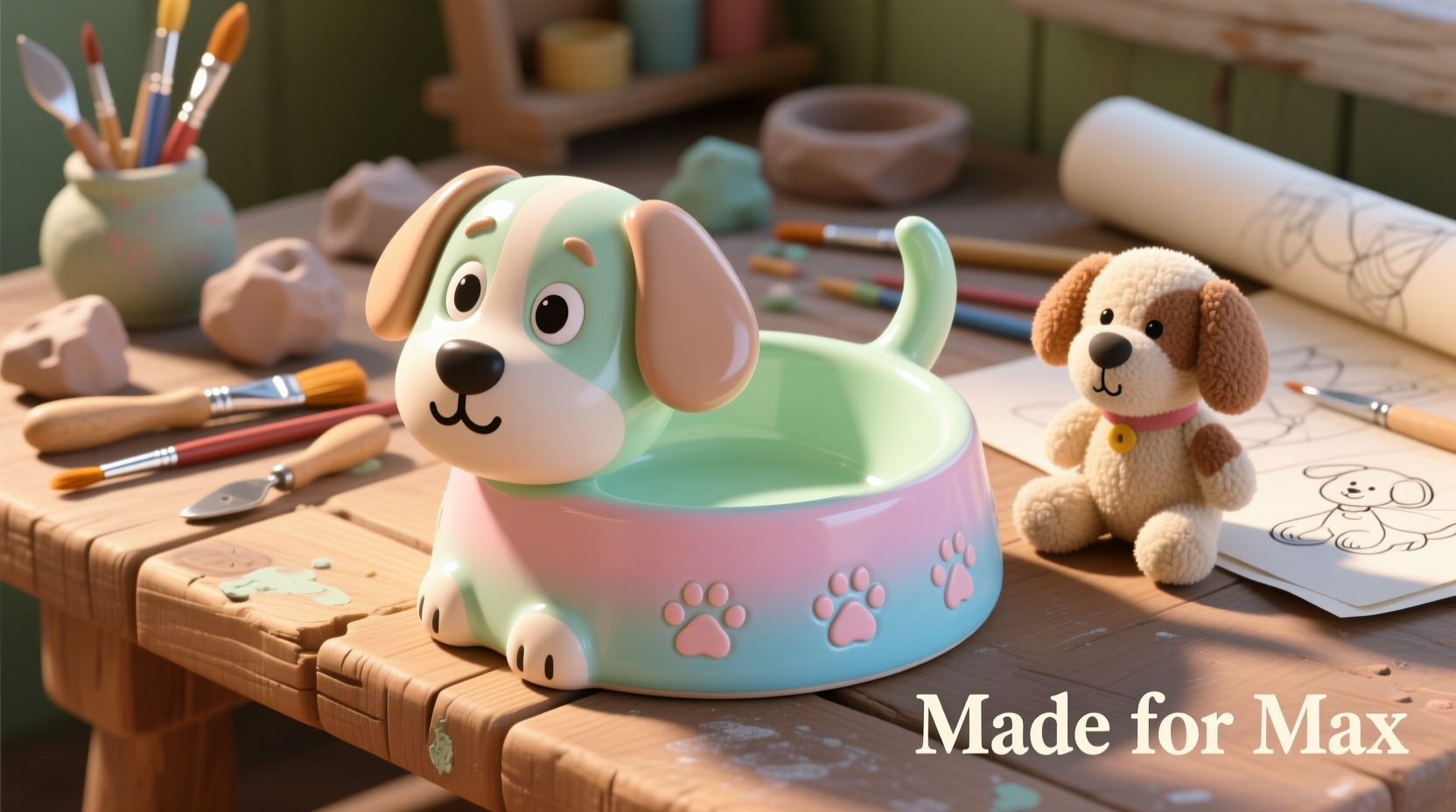
For many pet owners, the joy of caring for a dog extends beyond walks and vet visits—it includes personalizing their daily routines. One simple yet meaningful way to add a touch of love is by creating a custom toy dog bowl. These aren’t just feeding dishes; they’re playful, interactive tools that stimulate your dog’s mind while rewarding them with treats or kibble. Whether you're crafting for mental enrichment, bonding, or simply to repurpose household items, making a DIY toy bowl is both practical and fun. With minimal supplies and a little creativity, you can design something unique that matches your pet’s personality and play style.
Why Combine Feeding with Play?
Dogs are natural foragers. In the wild, they would spend hours searching for food, using their senses and instincts. Modern domestic life often removes this challenge, leading to boredom and even behavioral issues. A toy dog bowl reintroduces mental stimulation into mealtime by turning eating into an activity. Instead of gulping down food in seconds, your dog must nudge, roll, or paw at the bowl to access their meal. This slows eating, reduces bloating risks, and keeps their brain engaged.
Veterinarians and animal behaviorists frequently recommend puzzle feeders and interactive bowls for dogs showing signs of anxiety, hyperactivity, or destructive chewing. As Dr. Laura Greenspan, a certified veterinary behaviorist, explains:
“Enrichment tools like custom toy bowls tap into a dog’s natural problem-solving instincts. They don’t just eat—they think, explore, and earn their food. That kind of engagement is as important as physical exercise.” — Dr. Laura Greenspan, DVM, Animal Behavior Specialist
Materials You Can Use at Home
The beauty of crafting a custom toy dog bowl lies in accessibility. Most designs require only common household items. Below is a comparison of popular base materials, their benefits, and safety considerations.
| Material | Best For | Safety Notes |
|---|---|---|
| Muffin tin | Dogs who enjoy pawing and nudging | Ensure no sharp edges; avoid non-stick coatings if scratched |
| PVC pipes | Rolling or pushing games | Use smooth, capped ends; clean thoroughly before use |
| Plastic bottles (e.g., soda bottles) | Treat dispensers for active chewers | Remove labels and caps; supervise use to prevent ingestion |
| Ceramic pots or planters | Sturdy, decorative options | Glaze must be non-toxic; avoid porous materials that trap bacteria |
| Fabric tubes (old jeans, t-shirts) | Soft tug-and-pull toys with hidden treats | Washable; not suitable for aggressive chewers |
Step-by-Step: Build a Muffin Tin Treat Puzzle
One of the simplest and most effective toy bowls uses a basic muffin tin. This project takes under 15 minutes and works well for dogs of all sizes.
- Gather supplies: A metal muffin tin, tennis balls or silicone cup inserts, dog-safe treats or kibble.
- Arrange the base: Place the muffin tin on a non-slip surface (like a kitchen mat) to prevent sliding.
- Add obstacles: Fill each cup with food, then cover it with a tennis ball slightly larger than the cup opening. Alternatively, use silicone baking cups inverted over the treats.
- Introduce to your dog: Let them explore. Most dogs quickly learn to bat the balls aside to retrieve food.
- Adjust difficulty: For beginners, leave one cup uncovered. For advanced players, use smaller openings or heavier covers.
This design encourages paw dexterity and problem-solving. It's especially helpful for dogs prone to eating too fast.
Real Example: Max the Border Collie’s Slow-Feed Upgrade
Sarah, a dog trainer in Portland, noticed her 3-year-old Border Collie, Max, was finishing meals in under a minute—and vomiting shortly after. Concerned about bloat, she tried commercial slow-feed bowls with limited success. Then, she built a custom muffin tin puzzle using silicone cupcake liners and hard-boiled egg pieces as high-value rewards. Within two days, Max was spending nearly 15 minutes working through his breakfast. His post-meal discomfort disappeared, and Sarah began rotating different versions—sometimes hiding food under rolled-up socks or inside a PVC maze. “It’s become our morning ritual,” she says. “He’s calmer, more focused, and actually enjoys eating now.”
Three More Creative Ideas to Try
- The Bottle Roller: Take a clean plastic water bottle, remove the label, and drill or poke several treat-sized holes in the sides. Fill with kibble, cap tightly, and let your dog roll it across the floor. The movement dispenses food gradually. Great for indoor play on rainy days.
- Planter Stack Puzzle: Use small terracotta pots of varying sizes. Place treats in the smallest pot, then stack larger ones on top. Your dog must knock them over or pull them apart to reach the reward. Sand the edges for safety and avoid glazed ceramics unless labeled food-safe.
- Fabric Snuffle Mat: Cut strips of old t-shirts or fleece and knot them onto a mesh grid (like a sink rack or rubber mat with holes). Hide kibble deep within the fabric tassels. This mimics grassy foraging and is ideal for scent-driven breeds like Beagles or Spaniels.
Checklist: Building a Safe and Fun Toy Bowl
Before introducing any homemade feeder, run through this quick checklist:
- ✅ All materials are non-toxic and free from sharp edges
- ✅ No small detachable parts that could be swallowed
- ✅ Easy to clean (dishwasher-safe or wipeable)
- ✅ Appropriate size for your dog’s breed and jaw strength
- ✅ Supervised during first few uses
- ✅ Adjusts in difficulty as your dog learns
- ✅ Stored separately from regular food bowls to maintain hygiene
Frequently Asked Questions
Can I use glue or adhesives in my DIY toy bowl?
Avoid standard glues, which may contain harmful chemicals. If assembly is needed, use food-safe epoxy or silicone sealant labeled for aquarium use—these are non-toxic once fully cured. Always allow 48 hours drying time before giving the item to your dog.
How do I clean a homemade toy bowl?
Cleaning depends on the material. Plastic bottles and PVC can be washed with warm soapy water and rinsed thoroughly. Fabric mats should be machine-washed weekly. Metal tins are dishwasher-safe. Avoid soaking porous materials like untreated wood or clay.
My dog isn’t interested—what should I do?
Start by using high-value treats like chicken or cheese. Demonstrate how the toy works by manually releasing a few rewards. You can also leave one treat exposed initially to spark curiosity. Patience is key; some dogs take a few sessions to engage.
Conclusion: Turn Mealtime into Meaningful Moments
Creating a custom toy dog bowl isn’t just about repurposing old items—it’s about enriching your dog’s life in a tangible, joyful way. These simple projects foster mental health, reduce stress, and deepen the bond between pet and owner. Best of all, they cost next to nothing and can be tailored to your dog’s size, energy level, and preferences. From a muffin tin puzzle to a snuffle mat made from old clothes, every creation adds value to your pet’s day.
💬 Ready to get crafty? Pick one idea from this guide, gather your supplies tonight, and surprise your dog tomorrow. Share your creation in the comments—we’d love to see what you build!








