Every dog deserves a toy that’s both fun and safe — but store-bought options can be expensive, short-lived, or made with questionable materials. A growing number of pet owners are turning to homemade solutions, and one of the most accessible and effective is the humble sock dog toy. With just a few basic supplies and some creativity, you can craft engaging, durable playthings from old socks and common household items. These DIY toys not only reduce waste but also provide mental stimulation and comfort for your pup.
The key lies in making them safely. Not all socks or stuffing materials are suitable for dogs, especially enthusiastic chewers. This guide walks through everything you need to know: selecting the right materials, building different toy styles, ensuring safety, and even personalizing designs to match your dog’s personality.
Why Sock Toys Work — And When to Be Cautious
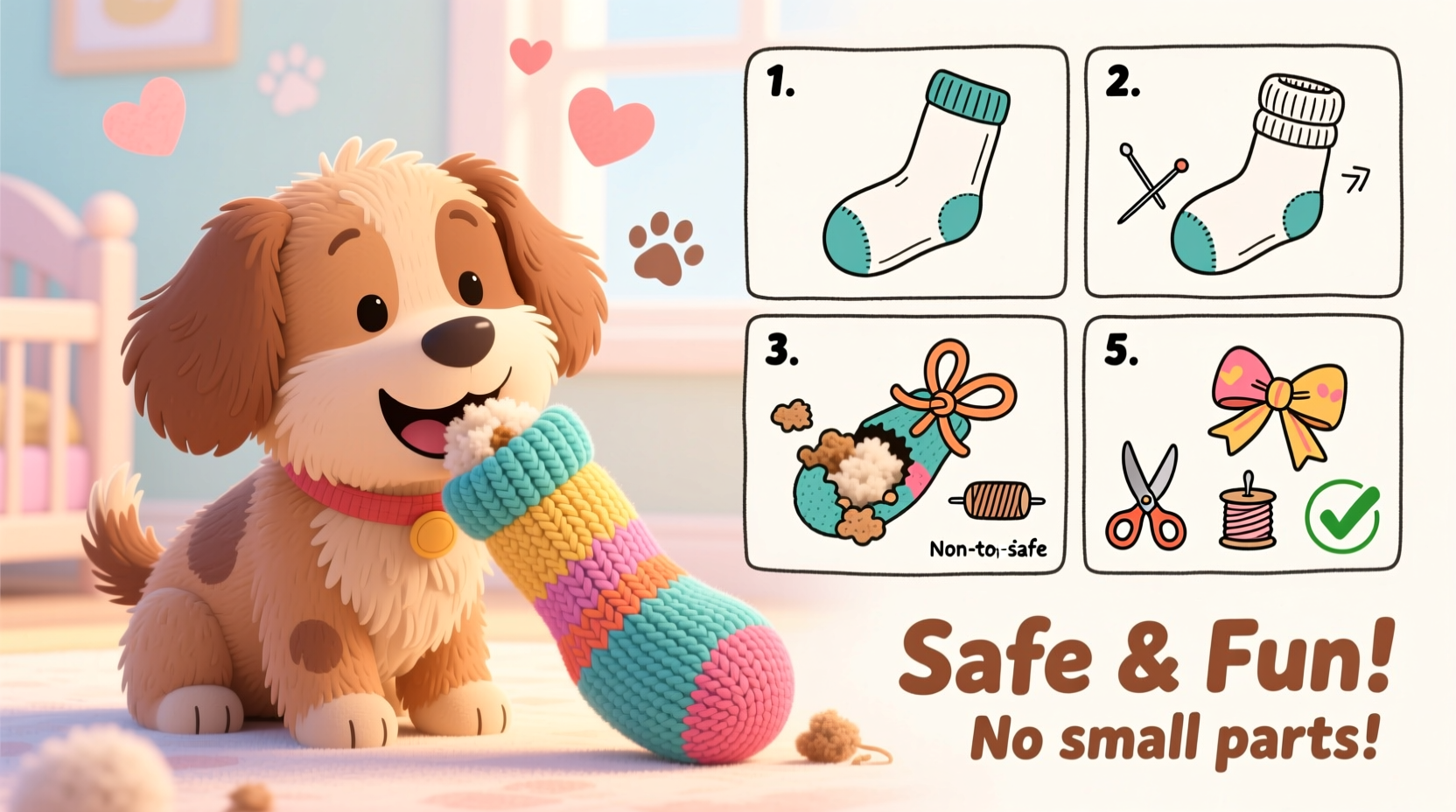
Sock toys appeal to dogs for several reasons. The fabric mimics the texture of prey, and when stuffed tightly, they offer satisfying resistance during chewing. Their softness makes them ideal for indoor play, teething puppies, or senior dogs with sensitive teeth. Plus, they can be infused with familiar scents — like your own — which helps anxious dogs feel more secure.
However, sock toys aren’t risk-free. Loose threads, elastic bands, and synthetic stuffing can pose choking hazards or cause intestinal blockages if ingested. The American Kennel Club advises that any homemade toy should be closely monitored and removed at the first sign of damage.
“Homemade doesn’t mean haphazard. Safety must come before cuteness.” — Dr. Lena Patel, DVM, Canine Behavior and Wellness Specialist
Materials You’ll Need (And What to Avoid)
Start with clean, gently used or new socks. Avoid those with holes, reinforced heels, or decorative stitching that could unravel. Choose cotton-rich blends for breathability and reduced static cling. Never use socks with zippers, buttons, or metal embellishments.
For stuffing, consider these safe options:
- Rolled-up clean socks: Create a dense core without loose fibers.
- Cotton rags: Cut from old t-shirts or towels; avoid synthetic fleece if your dog tends to swallow pieces.
- Plastic water bottles: Add crinkle sound and durability. Seal the cap tightly with hot glue.
- Knots as chew points: Multiple knotted sections give dogs something to gnaw on safely.
| Material | Safe? | Notes |
|---|---|---|
| Cotton crew socks | Yes | Ideal base material; durable when doubled |
| Sheer nylon dress socks | No | Tear easily; strands can tangle or be swallowed |
| Polyester stuffing | Use cautiously | Non-toxic but indigestible; best for gentle players |
| Empty water bottle (sealed) | Yes | Adds noise; supervise to prevent biting through plastic |
| Elastic waistbands or ribbing | No | Choking hazard if detached |
Step-by-Step Guide: 3 Creative Sock Toy Designs
Below are three tested designs ranging from beginner-friendly to more advanced. Each takes under 15 minutes and uses minimal tools.
1. The No-Sew Braided Sock Toy
- Select three long, stretchy socks (knee-highs work best).
- Cut off the foot portion just below the ankle, leaving tube-shaped pieces.
- Hold all three tubes together and tie a knot at one end.
- Braid them tightly until you reach the other end.
- Tie a second knot to secure.
This toy provides excellent tug-of-war potential and resists unraveling due to the tight braid. The elasticity allows for springy movement that excites chasing instincts.
2. The Crinkle Bottle Buddy
- Take one medium-sized sock and an empty 8–12 oz plastic water bottle.
- Remove labels and dry thoroughly.
- Screw the cap on tightly, then seal it with a drop of non-toxic hot glue.
- Insert the bottle into the sock, pushing it toward the heel.
- Roll the top of the sock down over itself to create a thick neck, then tie knots at both ends.
The crinkling sound mimics rustling prey, stimulating natural hunting behaviors. Ideal for active dogs who love noisy toys.
Tip: For extra scent appeal, rub the toy on your hands or add a few drops of dog-safe lavender oil.3. The Tug & Treat Knot Sock
- Use two thick athletic socks.
- Stuff one sock tightly with rolled-up clean cotton rags or another sock.
- Knot the toe end securely.
- Slide the second sock over the first like a sleeve.
- Tie multiple knots along the length — every 2–3 inches — to create chew zones.
- Optional: Insert small treats between layers before final knotting (best for supervised play).
This layered design extends playtime and satisfies strong chewers. The knots act as dental scrubbers, helping reduce plaque buildup.
Real-Life Example: How Bella’s Anxiety Improved with a Homemade Sock Toy
Bella, a rescue terrier mix, arrived at her new home with severe separation anxiety. She destroyed plush toys within minutes, often swallowing chunks. Her owner, Maria, tried various solutions — from puzzle feeders to calming sprays — with limited success.
After reading about sock toys, Maria made a simple braided toy using an old cotton sock and infused it with her scent by holding it close for a few hours. She gave it to Bella when leaving the house, pairing it with a Kong filled with peanut butter.
Within days, Bella began associating the toy with comfort. She’d carry it to her bed and chew gently, rather than frantically. Over time, destruction decreased, and so did her stress levels. The toy became a security object — soft, familiar, and safe.
Maria rotates three sock toys weekly, inspecting each for wear. None have been fully destroyed in six months — a record for Bella.
Safety Checklist Before Giving the Toy to Your Dog
Never hand over a homemade toy without this quick safety review:
- ✅ All knots are tight and double-checked.
- ✅ No loose threads, tags, or elastic bands.
- ✅ Stuffed materials cannot be pulled out easily.
- ✅ Bottle caps (if used) are glued shut.
- ✅ Toy size prevents full swallowing.
- ✅ Supervised play only, especially at first.
- ✅ Removed if torn, wet, or damaged.
Frequently Asked Questions
Can I wash sock dog toys?
Yes, but with caution. Machine wash on gentle cycle using mild detergent, preferably inside a pillowcase to protect the seams. Air dry completely. Do not use fabric softener, as it can degrade elastic fibers. Inspect thoroughly after washing for signs of wear.
Are sock toys safe for aggressive chewers?
Only under strict supervision. While braided or multi-layered designs hold up better, no sock toy is indestructible. If your dog shreds fabrics quickly, consider limiting use to short play sessions or switching to rubber or nylon alternatives. The goal is engagement, not consumption.
How often should I replace a sock toy?
Replace immediately if it shows fraying, stuffing exposure, or broken seams. As a rule, discard any sock toy after two weeks of daily use — even if it looks intact. Hidden internal damage can lead to sudden disintegration during play.
Final Thoughts: Play Smart, Make with Love
Homemade sock toys blend practicality, sustainability, and affection in a way few commercial products can match. They’re not meant to replace durable chew toys but to complement them — offering sensory variety, emotional comfort, and bonding opportunities. When crafted thoughtfully, they become more than playthings; they’re tokens of care.
The best part? Your dog won’t care about perfect stitching or designer labels. They’ll love the time, attention, and love woven into every knot and braid. So dig out those mismatched socks, get creative, and make something that brings real joy to your pup’s day.
💬 Have a favorite sock toy design or a pup-approved variation? Share your story in the comments and inspire fellow dog lovers to create safely and playfully!








