Dogs thrive on engagement, movement, and mental challenges. While commercial dog toys have their place, everyday household items can be transformed into enriching, stimulating playthings that promote problem-solving, reduce anxiety, and encourage natural behaviors like sniffing, chewing, and foraging. The best part? These DIY solutions are budget-friendly, sustainable, and customizable to your dog’s size, energy level, and preferences. With a little creativity, you can turn simple materials into powerful tools for enhancing your dog’s well-being.
Why Enrichment Matters for Dogs
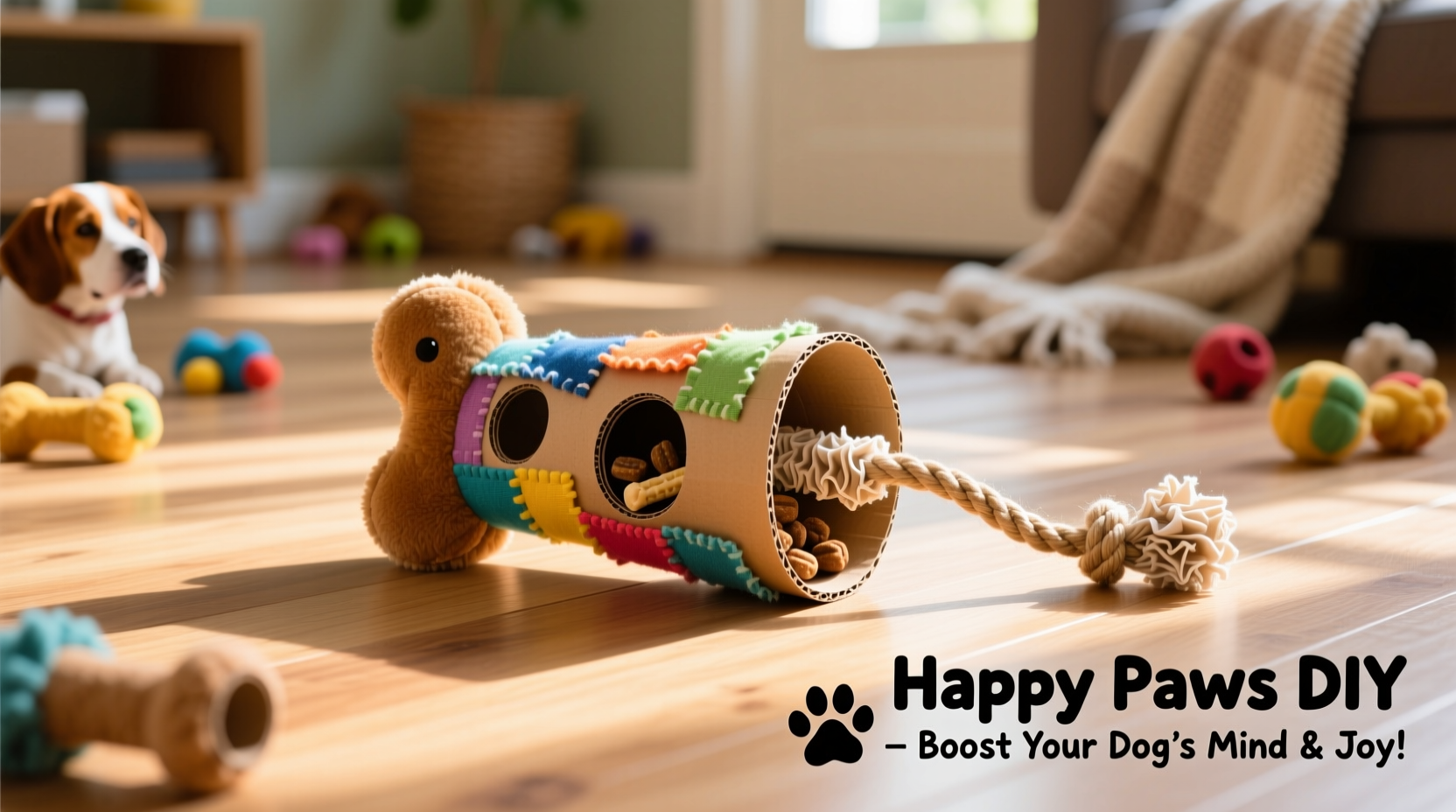
Dog enrichment goes beyond entertainment—it supports cognitive function, emotional balance, and physical fitness. Without adequate stimulation, dogs may develop destructive habits, excessive barking, or signs of stress such as pacing or over-grooming. Environmental and cognitive enrichment helps satisfy instinctual needs like hunting, digging, and exploring.
According to Dr. Karen Overall, a leading veterinary behaviorist, “Enrichment isn’t a luxury—it’s a necessity. A mentally engaged dog is a healthier, happier dog.” Simple activities like scent work or puzzle feeding activate the brain in ways that walks alone cannot. DIY enrichment toys offer an accessible way to incorporate these benefits daily without relying on expensive products.
5 Creative and Easy DIY Dog Toys You Can Make Today
The following projects use common household materials and require minimal tools. Always supervise your dog during play, especially with homemade items, and remove any toy showing signs of wear or damage.
1. Muffin Tin Snuffle Game
This toy taps into your dog’s natural foraging instincts. Place treats or kibble in a standard muffin tin, then cover each cup with tennis balls. Your dog must nudge or paw the balls aside to access the food, encouraging focus and physical movement.
Tip: Use larger balls for small dogs and smaller ones for bigger breeds to adjust difficulty.2. Fleece Strip Tug & Twist Toy
Cut three 2-inch-wide strips of fleece fabric, each about 18 inches long. Knot them together at one end, braid tightly, then knot the other end. This durable tug toy satisfies chewing urges and strengthens jaw muscles—ideal for interactive play.
3. Toilet Paper Roll Treat Puzzle
Take a cardboard tube from a toilet paper roll, fold one end shut, insert a treat, then fold the other end closed. Let your dog figure out how to tear or roll it open. For added challenge, link multiple rolls together with non-toxic tape.
4. Frozen Water Bottle Chaser
Fill a clean plastic water bottle halfway with water, freeze it, and let your dog bat around the yard or kitchen floor. The ice slows melting, and the crinkling sound keeps dogs intrigued. Great for hot days when outdoor activity needs cooling.
5. Sock Knot Ball
Take an old sock (no holes or loose threads), stuff it with another worn sock or soft fabric scraps, then tie several tight knots along its length. Some dogs enjoy tossing it; others like shaking it like prey. Add a squeaker from an old toy if available.
“Simple puzzles and chew toys mimic natural behaviors like hunting and den-building, reducing stress and improving overall mood.” — Dr. Sophia Yin, Animal Behavior Expert
Step-by-Step Guide: Build a No-Sew Fabric Food Dispenser
A slow-feed fabric dispenser encourages mindful eating and mental engagement. Here’s how to make one in under 10 minutes:
- Gather two clean, long-sleeved shirts made of cotton or fleece (avoid synthetic blends).
- Lay one shirt flat and cut off both sleeves and the collar, leaving a cross-shaped piece.
- Tie a knot in the center of the cross to create a base.
- Insert treats or kibble between the fabric flaps.
- Toss it on the floor and let your dog unravel the arms to find hidden rewards.
- Wash regularly to maintain hygiene.
This toy works especially well for food-motivated dogs who gulp meals too quickly. The shredding motion also mimics tearing meat, satisfying primal instincts.
Do’s and Don’ts of DIY Dog Toy Safety
| Do’s | Don’ts |
|---|---|
| Use non-toxic, washable materials like cotton, fleece, or BPA-free plastics. | Never use rubber bands, strings, or small parts that can be swallowed. |
| Supervise your dog during first interactions with new toys. | Avoid painted surfaces or treated wood that may contain harmful chemicals. |
| Inspect toys daily for fraying, stuffing leakage, or sharp edges. | Don’t repurpose human plush toys—they often have unsafe eyes or noses. |
| Match toy size and strength to your dog’s breed and chewing style. | Don’t leave DIY toys outdoors overnight where they can attract pests or degrade. |
Real-Life Example: Helping an Anxious Rescue Dog
When Maya, a 3-year-old Border Collie mix, was adopted from a shelter, she paced constantly and showed little interest in toys. Her new owner, Jess, introduced a muffin tin snuffle game filled with pieces of boiled chicken. At first, Maya watched cautiously, but after seeing Jess demonstrate, she began nudging the balls aside. Within a week, her pacing decreased, and she started seeking out the muffin tin after walks. Over time, Jess added frozen Kongs and braided fleece toys, building confidence through structured play. Six months later, Maya greets enrichment time with tail wags and focused energy—proof that simple tools can lead to profound behavioral shifts.
Checklist: Creating a Weekly Enrichment Routine
- ✅ Rotate 3–5 DIY toys weekly to prevent boredom.
- ✅ Offer at least one scent-based activity (e.g., snuffle mat or hidden treats).
- ✅ Include one chew or tug toy to support dental health and jaw strength.
- ✅ Schedule 10–15 minutes of interactive play daily using homemade puzzles.
- ✅ Clean all fabric toys weekly with mild detergent and warm water.
- ✅ Monitor your dog’s response—adjust difficulty based on enthusiasm or frustration.
Frequently Asked Questions
Are DIY dog toys safe?
Yes, when made with care and monitored during use. Choose sturdy, non-toxic materials and avoid anything small enough to swallow. Always supervise your dog, especially with new toys, and discard any item that begins to break apart.
How often should I introduce new DIY toys?
Introduce a new toy every 5–7 days to maintain novelty. Rotating toys prevents habituation and keeps your dog mentally engaged. Store unused ones out of sight so they feel fresh when reintroduced.
Can puppies use these DIY enrichment toys?
Absolutely—but adapt size and safety accordingly. Use softer fabrics, avoid small components, and ensure all items are easy to manipulate. Supervision is essential, as puppies explore the world with their mouths and may ingest inappropriate materials.
Boost Happiness One Toy at a Time
Enrichment doesn’t require elaborate setups or high costs. By reimagining everyday items, you provide your dog with meaningful activities that nurture both mind and body. From a knotted sock to a muffin tin puzzle, these simple creations foster curiosity, reduce stress, and deepen your bond. Start small, observe what excites your dog, and build a rotation that keeps tails wagging and brains active.
💬 Have a favorite DIY dog toy idea? Share your innovation in the comments and inspire fellow pet owners to create joyful, healthy experiences for their dogs!








