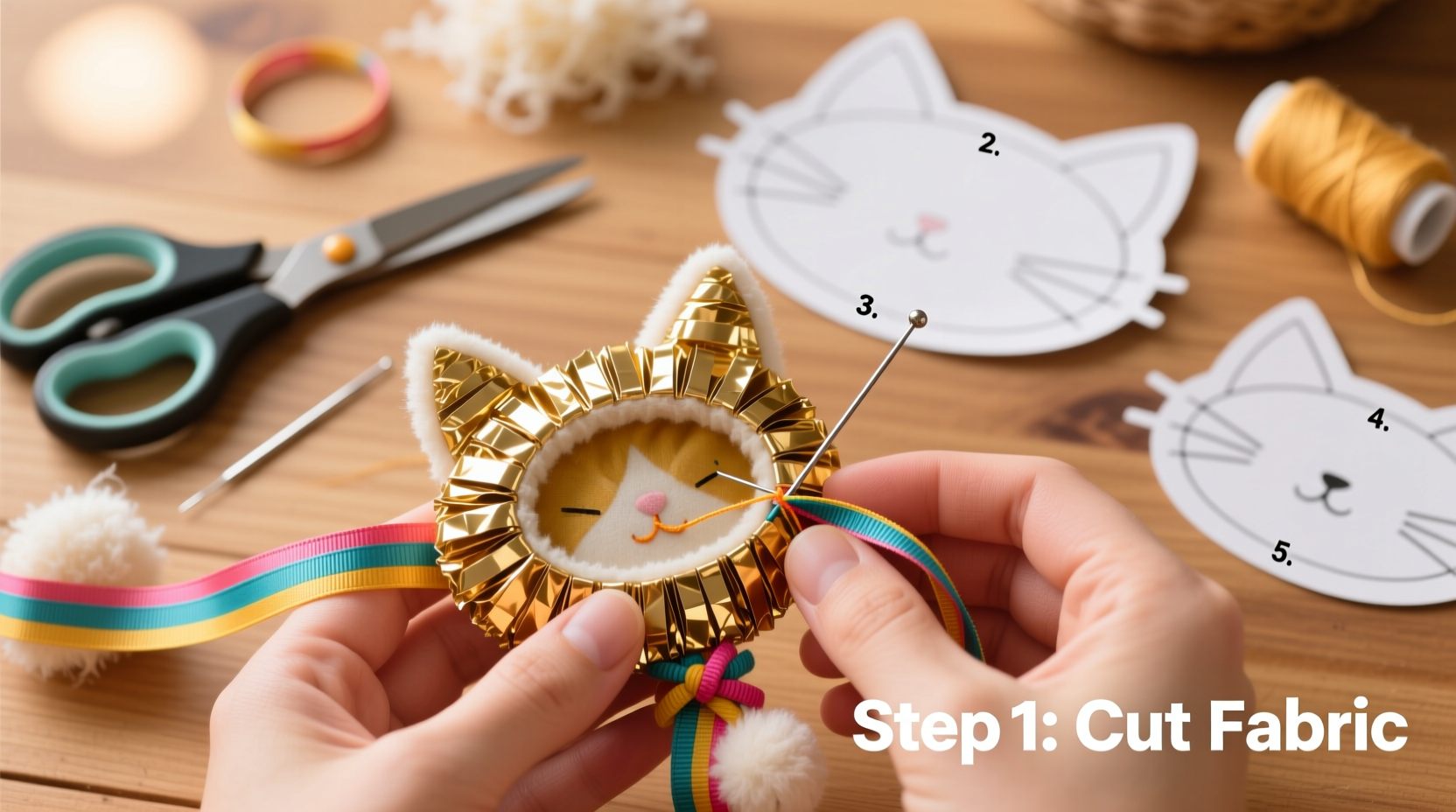
Cats are naturally curious creatures drawn to movement, sound, and texture. One of the most effective ways to stimulate their senses is through crinkle toys—those lightweight, rustling playthings that mimic the sounds of small prey. While store-bought options exist, crafting your own DIY crinkle cat toys allows you to customize size, shape, and materials while ensuring safety and durability. Best of all, many of these toys can be made with everyday household items in under 20 minutes.
This guide walks you through creating long-lasting, engaging crinkle toys using accessible materials. From choosing pet-safe fabrics to reinforcing weak points, each step is designed to maximize both fun and function. Whether you're making a single toy or a batch for gifts, these projects are beginner-friendly and budget-conscious.
Why Crinkle Toys Work: The Science Behind the Sound
The crinkling noise produced by certain plastics mimics the sound of leaves rustling or rodents scurrying—stimuli that trigger a cat’s hunting instincts. According to Dr. Sarah Thompson, feline behavior specialist at the American Pet Wellness Association:
“Cats respond strongly to auditory cues during play. A consistent crinkle sound activates their predatory drive, encouraging pouncing, batting, and chasing—key behaviors for mental stimulation and physical health.” — Dr. Sarah Thompson, Feline Behavior Specialist
Unlike silent plush toys, crinkle toys provide sensory feedback that keeps cats engaged longer. When paired with movement (like dangling or rolling), they become even more effective at reducing boredom and preventing destructive behaviors.
Tip: Introduce new crinkle toys after a short play session when your cat is alert but not overstimulated—this increases curiosity and positive association.Essential Materials and Safety Guidelines
Not all plastics or fabrics are safe for cats. Some materials can shred easily, leading to ingestion risks. Others may contain chemicals harmful if chewed. Below is a curated list of recommended supplies and what to avoid.
| Material | Recommended Options | Avoid |
|---|---|---|
| Crinkle Source | Unused dry food packaging, clean chip bags, crinkle paper from gift wrap | PVC-coated plastic, metallized film with sharp edges |
| Fabric | Cotton, fleece, denim scraps | Synthetic mesh, fraying lace, loose weaves |
| Thread & Stitching | Heavy-duty polyester thread, double-stitched seams | Lightweight thread, single stitching on stress points |
| Add-Ons | Yarn tails, felt pom-poms, jingle bells (securely enclosed) | Small buttons, beads, rubber bands |
Always wash fabric scraps before use to remove residues or allergens. Avoid using printed plastics with strong odors—these may have been exposed to solvents. Never include stuffing like cotton balls or foam; cats may ingest them during aggressive play.
Step-by-Step Guide: 3 Durable DIY Crinkle Toy Designs
Below are three proven designs ranging from beginner to intermediate. Each emphasizes durability, safety, and high engagement.
1. The Crinkle Ball (Beginner)
- Gather two 4-inch squares of cotton fabric and one piece of clean snack bag (approx. 5x5 inches).
- Lay the plastic flat and gently scrunch it into a loose ball—do not compress tightly.
- Wrap the fabric around the crinkle core, forming a pouch. Overlap the edges by ½ inch.
- Using a needle and strong thread, sew around the perimeter with a backstitch for reinforcement.
- Trim excess fabric and test shake—the toy should produce a moderate rustle without leaking plastic.
2. The Tuna Can Crinkle Tube (Intermediate)
This toy uses a cleaned tuna can as a mold for a cylindrical crinkle toy that rolls unpredictably—a favorite among active cats.
- Thoroughly clean and dry an empty tuna can. Remove labels and sand sharp edges.
- Cut a rectangle of thick fabric (7” x 10”) and a matching piece of crinkle plastic.
- Place the plastic on top of the fabric, then roll tightly around the can starting from the short end.
- Slide the roll off the can and hand-sew both ends closed with a whip stitch, pulling tight.
- For added interest, glue a small felt fish to one end using non-toxic craft adhesive.
The metal can acts as a weight, giving the toy momentum when batted. The crinkle layer stays compressed inside, producing continuous sound during movement.
3. The Crinkle Mouse (Beginner-Friendly)
A classic design shaped like prey, perfect for pouncing and carrying.
- Draw a mouse outline (3 inches long) on scrap cardboard and trace it onto two fabric pieces.
- Cut out both shapes and a same-sized piece of crinkle plastic.
- Pin fabric pieces together with the plastic inside, right sides facing.
- Sew around the edge with a ¼-inch seam allowance, leaving a 1.5-inch gap.
- Turn right side out using a pencil tip, push out ears and tail gently.
- Hand-stitch the opening closed and add embroidered eyes with secure knots.
Mini Case Study: Bella the Indoor Cat
Bella, a 4-year-old domestic shorthair living in a downtown apartment, showed signs of lethargy and occasional furniture scratching. Her owner, Maria, introduced daily play sessions using a handmade crinkle mouse and a fabric-wrapped crinkle ball.
Within a week, Bella’s activity level increased noticeably. She began stalking the toys, batting them under furniture, and retrieving them for repeat play—behaviors previously absent. After two weeks, the scratching stopped entirely. Maria noted, “She still has her favorite store-bought toys, but she goes straight for the crinkle ones every evening.”
This case highlights how targeted sensory stimulation can redirect natural behaviors into healthy outlets—especially important for indoor cats lacking environmental variety.
Durability Tips and Maintenance Checklist
Even well-made toys wear down over time. Regular inspection prevents accidents and extends usability.
- Weekly: Shake each toy near your ear to check for weakening seams or escaping plastic.
- Bi-weekly: Examine for frayed fabric, loose threads, or detached embellishments.
- Monthly: Rotate toys—store some away for a few days, then reintroduce to renew interest.
- Immediately retire: Any toy with visible damage or stuffing exposure.
- Clean gently: Wipe surfaces with a damp cloth and mild soap; air dry completely.
Frequently Asked Questions
Can I use grocery bags as a crinkle source?
No. Standard grocery bags are too thin and tear easily, creating choking hazards. Stick to stiffer snack or pet food packaging with a pronounced rustle.
How do I know if my cat likes a crinkle toy?
Signs of interest include pawing, biting, carrying it around, or hiding it. If your cat ignores the toy after a few days, try changing its shape or adding a scent like catnip.
Are these toys suitable for kittens?
Yes, but supervise play until you’re confident there are no loose parts. Kittens explore with their mouths, so extra reinforcement on seams is crucial.
Final Thoughts and Call to Action
Creating DIY crinkle cat toys isn’t just economical—it deepens your understanding of your cat’s preferences and enriches their daily life. With minimal effort, you can transform discarded packaging and fabric scraps into sources of endless entertainment. These toys support natural behaviors, reduce stress, and strengthen the bond between you and your pet.
Start with one design this weekend. Test it, observe your cat’s reaction, and refine from there. Once you see those ears perk up at the first crinkle, you’ll understand why homemade often outperforms store-bought.
🚀 Ready to make playtime more exciting? Grab your scissors and a clean chip bag—your cat’s next favorite toy is just 10 minutes away. Share your creations or ask questions in the comments below!








