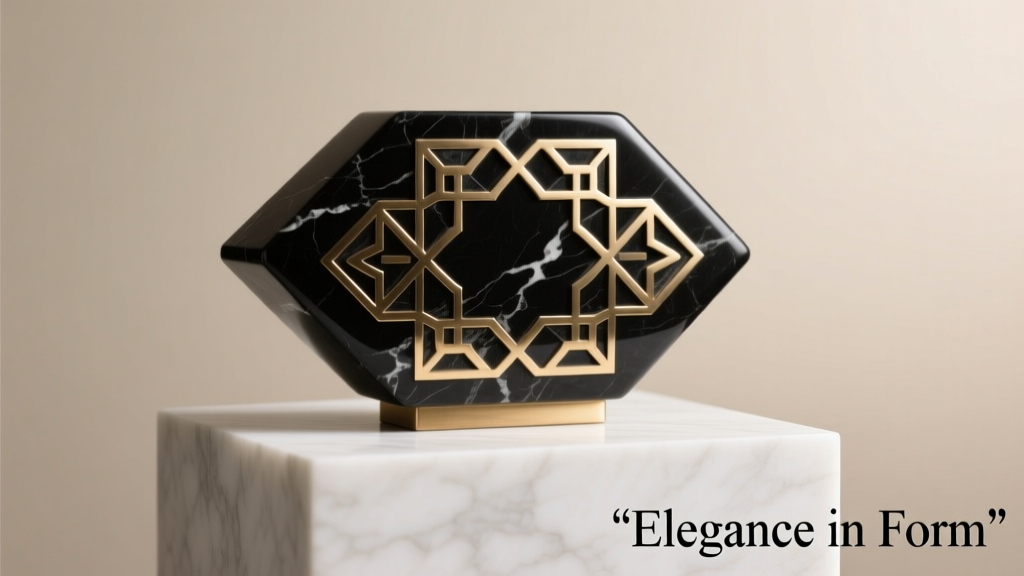
Types of Handcrafted Mice
Handcrafted mice are more than just functional computer peripherals—they are artistic expressions, collectible figurines, and personalized decor items. Created by skilled artisans using a variety of premium materials, each type offers unique aesthetic, tactile, and practical qualities. Choosing the right type depends on your needs: whether you're looking for a playful toy, a durable collectible, or a statement art piece.
Wooden Mice
Crafted from high-quality hardwoods like walnut, cherry, or maple, wooden mice combine natural beauty with enduring craftsmanship. Each piece showcases unique grain patterns and is finished with smooth, non-toxic sealants for a refined look and feel.
Advantages
- Natural, eco-friendly material
- Exceptional durability and longevity
- Warm, organic aesthetic perfect for home or office decor
- Develops a rich patina over time
- Timeless appeal as heirloom-quality pieces
Limitations
- Can be sensitive to humidity and temperature changes
- Heavier than plastic or fabric alternatives
- Higher cost due to material and labor
Best for: Interior decor, artisan gifts, eco-conscious buyers, collectors of handcrafted goods
Stuffed Mice
Soft, cuddly, and full of charm, stuffed mice are lovingly hand-sewn from premium cotton, linen, or felt. Filled with hypoallergenic polyester fiber, they are safe, lightweight, and ideal for children or as whimsical decorative companions.
Advantages
- Soft and safe for children of all ages
- Lightweight and easy to handle
- Highly customizable in colors, patterns, and outfits
- Encourages imaginative play and emotional connection
- Perfect for nurseries, playrooms, or as comfort toys
Limitations
- Not suitable for heavy use or outdoor environments
- May require spot cleaning or gentle washing
- Less durable than rigid materials
Best for: Kids' toys, plush collectibles, nursery decor, gift-giving for special occasions
Polymer Clay Mice
Artists sculpt polymer clay mice by hand, then cure them in ovens to achieve a firm yet lightweight finish. These mice often feature intricate details like tiny hats, painted eyes, and miniature accessories, making them ideal for collectors and art enthusiasts.
Advantages
- Highly detailed and customizable designs
- Durable and resistant to chipping when properly cured
- Lightweight with a smooth, polished finish
- Ideal for limited editions or personalized gifts
- Vibrant colors that don’t fade easily
Limitations
- Fragile if dropped or mishandled
- Requires careful handling and storage
- More expensive due to labor-intensive creation
Best for: Collectors, art displays, custom gifts, fantasy-themed decor
Metal Mice
Forged from brass, silver, aluminum, or stainless steel, metal mice are precision-crafted works of art. Often featuring hand-engraved details, polished finishes, and substantial weight, they serve as striking centerpieces or luxury desk accessories.
Advantages
- Extremely durable and long-lasting
- Luxurious appearance with high-end finishes
- Heavyweight build conveys prestige and solidity
- Resistant to wear, moisture, and environmental factors
- Perfect for gallery displays or executive offices
Limitations
- Higher cost due to material and craftsmanship
- Very heavy—may not be practical for everyday use
- Limited flexibility in design due to material constraints
Best for: Art collectors, luxury decor, statement pieces, commemorative gifts
| Type | Durability | Aesthetic Appeal | Best Use Case | Price Range |
|---|---|---|---|---|
| Wooden Mice | High | Warm, natural elegance | Home decor, artisan gifts | $$ - $$$ |
| Stuffed Mice | Medium | Whimsical, cozy charm | Children's toys, nurseries | $ - $$ |
| Polymer Clay Mice | Medium-High | Intricate, artistic detail | Collectibles, custom gifts | $$ - $$$ |
| Metal Mice | Very High | Luxurious, bold presence | Art displays, luxury settings | $$$ - $$$$ |
Expert Tip: When displaying delicate handcrafted mice like polymer clay or wooden pieces, consider placing them under glass domes or on elevated shelves to protect them from dust and accidental damage while enhancing their visual impact.
Designs of Handcrafted Mice: Artistry, Culture, and Personal Expression
Handcrafted mice are more than functional computer peripherals—they are miniature works of art that reflect culture, creativity, and personal taste. Each design style offers a distinct aesthetic and emotional appeal, catering to a wide range of customer preferences, from nostalgic collectors to modern minimalists and imaginative dreamers. These unique creations blend craftsmanship with storytelling, transforming everyday objects into meaningful decor and collectibles.
Exploring the Major Design Styles
Traditional Folk Art Style
Inspired by global cultural traditions, folk art-style mice celebrate heritage through intricate patterns and symbolic motifs. Artisans often incorporate elements such as floral vines, geometric tessellations, or mythological symbols drawn from Eastern European, African, or Latin American folk traditions.
These designs are typically vibrant, featuring hand-painted details in bold reds, blues, and golds. The craftsmanship not only enhances visual appeal but also preserves cultural narratives, making each piece a conversation starter and a tribute to ancestral artistry. Ideal for those who value storytelling and cultural authenticity in their home or workspace.
Modern Minimalist Style
For lovers of sleek, uncluttered design, the minimalist handcrafted mouse offers elegance through simplicity. Crafted from sustainably sourced wood, brushed aluminum, or matte ceramic, these mice emphasize clean silhouettes, ergonomic shapes, and neutral tones like charcoal, ivory, or natural wood grain.
Functionality remains paramount—every curve is designed for comfort and precision. Yet, the aesthetic elevates it beyond utility, making it a statement piece in modern offices or contemporary living spaces. This style resonates with individuals who appreciate Scandinavian or Japanese design principles, where less is truly more.
Whimsical Fantasy Designs
Fueled by imagination, whimsical fantasy mice bring magic to the desktop. Inspired by folklore, fairy tales, and fantasy worlds, these creations might feature tiny dragon wings, fairy hats, elf ears, or glowing gemstone accents—all meticulously hand-sculpted and painted.
Bright, playful colors and imaginative details captivate both children and adults, making them perfect for creative professionals, gamers, or anyone seeking a daily dose of joy. Whether shaped like a woodland creature or adorned with a miniature crown, these mice spark creativity and wonder, turning routine tasks into moments of delight.
Vintage Inspired Mice
Nostalgia takes center stage in vintage-inspired handcrafted mice. Drawing from design eras such as Art Deco, Victorian, or mid-century modern, these pieces often feature antique brass finishes, distressed wood textures, and fabrics reminiscent of bygone decades—like velvet, brocade, or lace.
Some designs even mimic classic typewriter keys or rotary dial aesthetics, blending retro charm with modern technology. These mice appeal to history enthusiasts, antique collectors, and interior designers aiming to create a timeless or period-specific ambiance in their spaces.
Customizable Mice
Personalization transforms a handcrafted mouse into a cherished keepsake. Many artisans offer customization options, allowing customers to select materials (e.g., walnut, cherry wood, or metal), color palettes, engraving, and even embedded initials or meaningful dates.
This level of personal touch makes them ideal for gifts—whether for weddings, graduations, or corporate milestones. A customized mouse becomes more than a tool; it's a sentimental object that fosters emotional connection, reflecting the recipient’s identity or a shared memory.
Seasonal & Thematic Editions
Expanding beyond permanent collections, many artisans create limited-edition mice for holidays or themes—think pumpkin-carved Halloween mice, snow-dusted winter elves, or cherry-blossom adorned spring editions.
These seasonal designs are often released in small batches, increasing their collectible value. They allow users to rotate their accessories with the seasons, adding a festive touch to their workspace. Collectors especially prize these editions for their rarity and artistic innovation.
| Design Style | Best For | Material Highlights | Emotional Appeal |
|---|---|---|---|
| Traditional Folk Art | Cultural enthusiasts, collectors | Hand-painted wood, ceramic, fabric inlays | Heritage, storytelling, vibrancy |
| Modern Minimalist | Professionals, modern interiors | Polished wood, aluminum, matte finishes | Serenity, focus, elegance |
| Whimsical Fantasy | Children, creatives, gamers | Resin, polymer clay, glitter accents | Imagination, joy, playfulness |
| Vintage Inspired | Historians, retro decor lovers | Antique brass, distressed wood, velvet | Nostalgia, elegance, timelessness |
| Customizable | Gift-givers, sentimental users | Mixed media with personal engravings | Connection, identity, uniqueness |
Why Design Matters in Handcrafted Mice
Note: While aesthetics are important, ensure that any handcrafted mouse maintains core functionality—responsive sensors, comfortable grip, and compatibility with your devices. Always purchase from reputable artisans or verified sellers to guarantee both quality and durability. A beautifully designed mouse should enhance, not hinder, your daily digital experience.
Uses of Handcrafted Mice
Handcrafted mice are far more than simple figurines—they are versatile, meaningful, and artistically rich creations with a wide range of practical and emotional uses. From decorative accents to cherished keepsakes, these handmade treasures bring charm, comfort, and creativity into everyday life. Whether made from wood, fabric, polymer clay, or metal, each mouse reflects the care and craftsmanship of its maker, making it a unique addition to homes, classrooms, and collections alike.
Home Decor
Handcrafted mice serve as delightful decorative elements that enhance the ambiance of any space. Their whimsical yet artistic nature allows them to blend seamlessly into various interior styles—from rustic cottages to modern minimalist homes.
- A wooden mouse placed on a bookshelf or mantel adds a warm, hand-carved charm, perfect for rustic or farmhouse decor.
- A colorfully painted stuffed mouse perched on a child’s bed or tucked into a reading nook brings playfulness and personality to a kid’s room.
- Polymer clay or metal mice often feature intricate detailing and vibrant finishes, making them ideal as statement pieces on coffee tables or display cabinets.
- Seasonal or holiday-themed mice (e.g., Christmas, Halloween) can be used as part of festive decor, adding a touch of storytelling and tradition.
Design tip: Position handcrafted mice in curated vignettes with other miniature objects to create a narrative scene that sparks joy and conversation.
Toys and Gifts
Soft, stuffed handcrafted mice are not only safe for children but also serve as comforting companions that encourage imaginative play and emotional development.
- Made from non-toxic, hypoallergenic materials, these plush mice are gentle enough for infants and toddlers.
- They act as emotional support toys, helping children develop empathy, storytelling skills, and a sense of security.
- As gifts, handcrafted mice stand out for their uniqueness and personal touch—ideal for birthdays, baby showers, or as handmade keepsakes for loved ones.
- Customization options (such as embroidered names, themed outfits, or favorite colors) make them even more special and memorable.
Gift idea: Pair a handcrafted mouse with a storybook about mice or a handmade blanket for a heartfelt gift set.
Collectibles
For collectors, handcrafted mice represent the intersection of artistry, craftsmanship, and rarity. Many artisans produce limited-run or one-of-a-kind designs that appeal to enthusiasts of miniatures, folk art, and animal figurines.
- Collectors value pieces made with premium materials such as fine wool, hand-dyed fabrics, or sculpted polymer clay.
- Themed series—like historical characters, literary figures (e.g., Beatrix Potter’s mice), or seasonal editions—drive demand and increase collectible value.
- Limited editions or signed pieces often appreciate in value over time, especially when created by renowned artisans.
- Collector communities and online marketplaces have grown around handmade miniatures, fostering a vibrant culture of appreciation and trade.
Collector’s note: Always store handcrafted mice in dust-free display cases away from direct sunlight to preserve their condition and value.
Educational Tools
Beyond their aesthetic appeal, handcrafted mice serve as valuable tools in educational settings, supporting social, emotional, and creative learning.
- In early childhood education, stuffed mice are used in storytelling circles to teach lessons about kindness, sharing, and animal habitats.
- They help children with sensory or emotional challenges by providing a tactile, calming object during transitions or stressful moments.
- In art classrooms, wooden or painted mice are used to demonstrate traditional crafting techniques, inspiring students to explore woodworking, sewing, or clay modeling.
- Teachers can incorporate them into lessons about sustainability, handmade culture, and the importance of supporting local artisans.
Classroom tip: Use handcrafted mice as “classroom pets” or reading buddies to engage reluctant learners and build community.
Craftsmanship Matters: When selecting or creating handcrafted mice, pay attention to the quality of stitching, paint detail, and material sourcing. Well-made pieces not only last longer but also carry greater emotional and artistic value. Supporting independent artisans also promotes sustainable, ethical production and helps preserve traditional crafting techniques.
| Use Case | Recommended Material | Best For | Lifespan & Care |
|---|---|---|---|
| Home Decor | Wood, Polymer Clay, Metal | Display shelves, themed rooms, gift shops | Years (avoid moisture and direct sunlight) |
| Toys & Gifts | Stuffed Fabric (cotton, wool, felt) | Children, baby showers, handmade gift exchanges | 2–5 years (machine washable options recommended) |
| Collectibles | Hand-sculpted Clay, Limited Edition Fabrics | Art collectors, specialty gift buyers | Decades (store in protective cases) |
| Educational Use | Durable Fabric, Sealed Wood | Classrooms, therapy settings, workshops | 3–7 years (easy to clean and sanitize) |
Additional Considerations
- Sustainability: Many handcrafted mice are made from eco-friendly, biodegradable, or recycled materials, aligning with green consumer values.
- Cultural Significance: In some cultures, mice symbolize prosperity, resourcefulness, or cleverness—making them meaningful gifts with deeper symbolism.
- Personalization: Custom features like names, outfits, or birthstones can transform a simple mouse into a treasured heirloom.
- Supporting Artisans: Purchasing handcrafted mice directly supports small businesses, craft fairs, and global artisan communities.
- Therapeutic Use: Used in art therapy and emotional support programs, these tactile creations help individuals express feelings and reduce anxiety.
How to Choose Handcrafted Mice for Your Business
When sourcing handcrafted mice in bulk, business owners must make informed decisions to ensure product quality, customer satisfaction, and long-term sales success. These charming items—often used as decorative pieces, collectibles, gifts, or children's toys—require careful evaluation beyond aesthetics. By considering key factors such as materials, size, design, customization, and craftsmanship, retailers can curate a compelling product line that stands out in a competitive market.
Pro Tip: Always request physical samples before placing large orders. Visuals and descriptions can be misleading—touch, weight, and texture are critical indicators of quality that only real-world testing can reveal.
Key Factors to Consider When Buying Handcrafted Mice
- Materials: Durability Meets Aesthetic Appeal
Handcrafted mice are made from a wide range of materials, each offering distinct benefits and appeal. Understanding these differences helps match products with customer expectations.
- Wooden mice: Known for their natural strength and timeless charm, wooden mice are ideal for rustic decor, collectors, or eco-conscious buyers. Look for sustainably sourced hardwoods with smooth finishes and non-toxic stains or sealants.
- Stuffed fabric mice: Soft and cuddly, these are perfect for children’s toys, nursery decor, or gift sets. Opt for high-quality cotton, felt, or organic fabrics filled with hypoallergenic stuffing. Check stitching integrity to prevent premature wear.
- Ceramic or resin mice: Often used in holiday displays or artistic collections, these offer intricate detailing but may be fragile. Ensure packaging supports safe transport if ordering in bulk.
- Eco-friendly options: Increasingly popular, biodegradable or recycled materials appeal to environmentally aware consumers. Suppliers who emphasize sustainability often attract loyal customer bases.
Ultimately, material choice should align with your target market’s lifestyle, safety requirements (especially for children), and intended use—whether decorative, functional, or sentimental.
- Size: Catering to Diverse Customer Needs
Offering a variety of sizes ensures your inventory meets different customer demands—from delicate ornaments to playful plush toys.
- Miniature mice (1–3 inches): Ideal for holiday decorations, dioramas, or as accent pieces in gift baskets. These appeal to collectors and crafters.
- Medium-sized mice (4–6 inches): Versatile for gifting, shelf displays, or children’s play. This size balances visibility and practicality.
- Large mice (7+ inches): Great as statement decor, photo props, or soft toys. Larger items often command higher price points and perceived value.
To make the best purchasing decision, request sample units in each size category. Evaluate how they look on your shelves, feel in hand, and photograph for online listings. This step prevents costly overstocking of unsuitable sizes.
- Design and Theme: Creating Emotional Connection
The design of handcrafted mice plays a crucial role in their marketability. Unique, thematic designs capture attention and resonate emotionally with customers.
- Seasonal themes: Holiday mice (e.g., Christmas, Halloween, Easter) sell exceptionally well during festive periods. Plan inventory months in advance to capitalize on peak demand.
- Animal-inspired designs: Mice dressed as cats, bunnies, or foxes add whimsy and storytelling appeal—ideal for nurseries and gift shops.
- Vintage or rustic styles: Distressed finishes, floral patterns, or folk-art details attract customers seeking nostalgic or farmhouse-chic decor.
- Character-based designs: Custom personalities (e.g., a mouse with glasses reading a book) enhance uniqueness and brand identity.
When evaluating designs, consider how well they align with your store’s branding and customer demographics. A well-themed mouse can become a signature product that drives repeat purchases.
- Customization Options: Adding Value and Personalization
Customizable handcrafted mice offer a significant competitive advantage by enabling personalization—a growing consumer preference.
- Color variations: Allow customers to choose from seasonal palettes or brand-specific hues (e.g., wedding favors in ivory and gold).
- Engraving or embroidery: Offer options to add names, dates, or short messages—perfect for gifts, baby showers, or corporate giveaways.
- Bespoke sizing or materials: Some suppliers allow tailored modifications for special orders, which can justify premium pricing.
- Private labeling: Work with artisans to include your logo or packaging, turning products into branded merchandise.
Customization not only increases perceived value but also reduces competition from mass-market alternatives. It fosters customer loyalty and opens opportunities for collaborative promotions or limited-edition releases.
- Quality Craftsmanship: Ensuring Longevity and Satisfaction
True handcrafted quality is evident in attention to detail, durability, and consistency across units.
- Inspect seams, stitching, and joints for tightness and evenness—loose threads or weak glue joints indicate poor quality.
- Test moving parts (e.g., articulated limbs or swinging tails) for smooth operation and sturdiness.
- Verify that paint, dye, or ink does not bleed or fade easily—especially important for items exposed to light or handled frequently.
- Assess overall finish: polished edges, balanced proportions, and clean detailing reflect skilled artisanship.
Choose suppliers with a proven reputation for consistency. Ask for customer reviews, certifications, or artisan profiles to verify authenticity and reliability. High craftsmanship leads to fewer returns, positive word-of-mouth, and stronger brand reputation.
| Selection Factor | Best For | Potential Risks of Poor Choice | Supplier Questions to Ask |
|---|---|---|---|
| Materials | Eco-conscious buyers, children’s products, decor longevity | Breakage, allergies, fading, customer complaints | What materials do you use? Are they non-toxic and sustainable? |
| Size Variety | Retail diversity, seasonal displays, gift sets | Overstocking unpopular sizes, limited display options | Can I get samples in multiple sizes? Is bulk pricing tiered? |
| Design & Theme | Holiday sales, social media appeal, gift markets | Low engagement, missed seasonal opportunities | Do you offer seasonal designs? Can I suggest themes? |
| Customization | Premium gifting, weddings, corporate clients | Generic products, lower profit margins | What customization options are available? Is there a setup fee? |
| Craftsmanship Quality | Brand reputation, customer retention, online reviews | Returns, negative feedback, damaged brand image | How are quality checks performed? What’s your defect rate? |
Expert Tip: Build long-term relationships with artisans or small-batch suppliers. They’re often more flexible, innovative, and committed to quality than large manufacturers. Plus, supporting handmade creators adds a compelling story to your product line—perfect for marketing and customer engagement.
Additional Buying Recommendations
- Always verify supplier reliability through reviews, sample orders, and communication responsiveness.
- Consider MOQs (Minimum Order Quantities) and lead times when planning inventory cycles.
- Ask about packaging—individually wrapped or boxed mice look more premium and protect during shipping.
- Check return policies and defect replacement terms before finalizing contracts.
- Photograph your chosen mice in real settings (shelves, gift wraps, lifestyle scenes) to boost online sales.
Selecting the right handcrafted mice goes beyond aesthetics—it’s about understanding your customers, ensuring product integrity, and creating a memorable shopping experience. With thoughtful selection and a focus on quality, your curated collection can become a standout favorite, driving both sales and customer loyalty. Remember, in the world of handmade goods, authenticity and attention to detail are your greatest assets.
Frequently Asked Questions About Handcrafted Mice
Q1: What are the benefits of handcrafted mice over mass-produced options?Handcrafted mice stand out significantly from their mass-produced counterparts due to the care, craftsmanship, and individuality infused into each piece. Unlike factory-made items designed for uniformity and efficiency, handcrafted mice are created with premium materials and meticulous attention to detail. This artisanal process ensures higher quality control and durability, resulting in a product that feels more substantial and thoughtfully made.
Beyond quality, one of the most compelling advantages is personalization. Customers can often request custom features—such as names, colors, themes, or special details—making each mouse a one-of-a-kind creation. Additionally, many handcrafted mice reflect cultural artistry or storytelling traditions, adding sentimental and emotional value. Whether displayed as decor, gifted to a loved one, or passed down as heirlooms, these mice offer a heartfelt, meaningful experience that generic alternatives simply cannot match.
Q2: How do different materials used in handcrafted mice affect their appeal?The choice of material plays a crucial role in defining the character, function, and aesthetic of a handcrafted mouse. Each material brings its own unique qualities, allowing artisans to cater to diverse tastes and purposes:
- Wood: Offers a warm, natural look with rich grain patterns. Wooden mice are durable and often finished with non-toxic sealants, making them ideal for decorative use or as eco-friendly keepsakes. Their solid feel conveys craftsmanship and timelessness.
- Fabric/Stuffed Materials: Soft, cuddly, and safe for children, fabric mice are perfect as toys, nursery decor, or comfort items. Filled with hypoallergenic fibers and stitched with care, they provide tactile comfort and emotional warmth.
- Polymer Clay: Enables intricate sculpting and vibrant coloring. Artists use this medium to create highly detailed, whimsical, or fantastical designs—ideal for collectors and those seeking artistic expression.
- Metal (e.g., copper, brass, or pewter): Provides strength and a sophisticated, elegant finish. Metal mice are often used in jewelry, sculptures, or high-end collectibles, symbolizing permanence and luxury.
By offering a range of materials, makers can appeal to various customer segments—from parents looking for safe children’s toys to art enthusiasts seeking statement pieces—enhancing the overall desirability and market reach of handcrafted mice.
Q3: How can businesses effectively market handcrafted mice to attract customers?To successfully market handcrafted mice, businesses must emphasize the uniqueness, artistry, and emotional resonance of their products. Here are key strategies to build appeal and drive engagement:
- Showcase Craftsmanship: Use high-quality photography and videos that highlight fine details, textures, and the making process. Close-ups of stitching, carving, or painting help convey the effort and skill behind each piece.
- Leverage Storytelling: Share the inspiration behind designs—whether rooted in folklore, seasonal themes, or personal narratives. Customers connect more deeply when they understand the story behind the product.
- Targeted Marketing: Segment your audience based on interests (e.g., collectors, gift shoppers, parents, fantasy fans) and tailor campaigns accordingly. For example, promote holiday-themed mice during festive seasons or educational designs to schools and storytellers.
- Offer Customization: Allow buyers to personalize their mice with names, colors, or accessories. This transforms a simple purchase into a meaningful experience and positions the item as a perfect gift for birthdays, anniversaries, or memorials.
- Highlight Gift-Worthiness: Market handcrafted mice as special keepsakes or collectibles. Use messaging like “A Treasure to Cherish” or “Handmade with Love” to evoke emotion and encourage gifting.
- Utilize Social Proof: Feature customer testimonials, unboxing videos, and user-generated content to build trust and community around the brand.
By combining visual appeal with emotional marketing and personalization, businesses can elevate handcrafted mice from mere objects to cherished works of art.
Q4: Are there any care instructions for maintaining the quality of handcrafted mice?Yes, proper care is essential to preserve the beauty and longevity of handcrafted mice. Since they are often made from natural or delicate materials, following simple maintenance guidelines will help protect your investment:
- General Care: Regularly dust your mouse using a soft brush or dry microfiber cloth. Avoid harsh chemicals or abrasive cleaners that could damage finishes or fabrics.
- Wooden Mice: Keep away from direct sunlight, moisture, and extreme temperatures to prevent warping, cracking, or fading. Occasionally condition with a small amount of food-safe wood oil (like mineral oil) to maintain luster and protect the surface.
- Polymer Clay Mice: Wipe gently with a damp cloth if needed, but never soak in water. Store in a dry place and avoid dropping, as they can chip or break under impact.
- Stuffed/Fabric Mice: Spot clean with mild soap and water, or hand wash gently if necessary. Air dry completely before storing to prevent mildew. For machine-washable versions, follow label instructions carefully.
- Metal Mice: Polish occasionally with a soft cloth to prevent tarnishing. Store in a dry environment and avoid exposure to salt or acidic substances.
With appropriate care, handcrafted mice can remain beautiful and intact for years—ideal for display, gifting, or passing down through generations. Always check with the artisan for specific recommendations based on the materials used in your unique piece.









