Cracked mouth corners, medically known as angular cheilitis, are more than just a cosmetic nuisance—they can be painful, persistent, and sometimes signal underlying health issues. While often mistaken for chapped lips, this condition affects the corners of the mouth where the skin folds, leading to redness, cracking, bleeding, and even infection if left untreated. Millions experience it at some point, especially during colder months or due to lifestyle habits. Understanding the root causes, proper treatment methods, and daily prevention strategies is essential for lasting relief and skin resilience.
What Causes Cracked Mouth Corners?
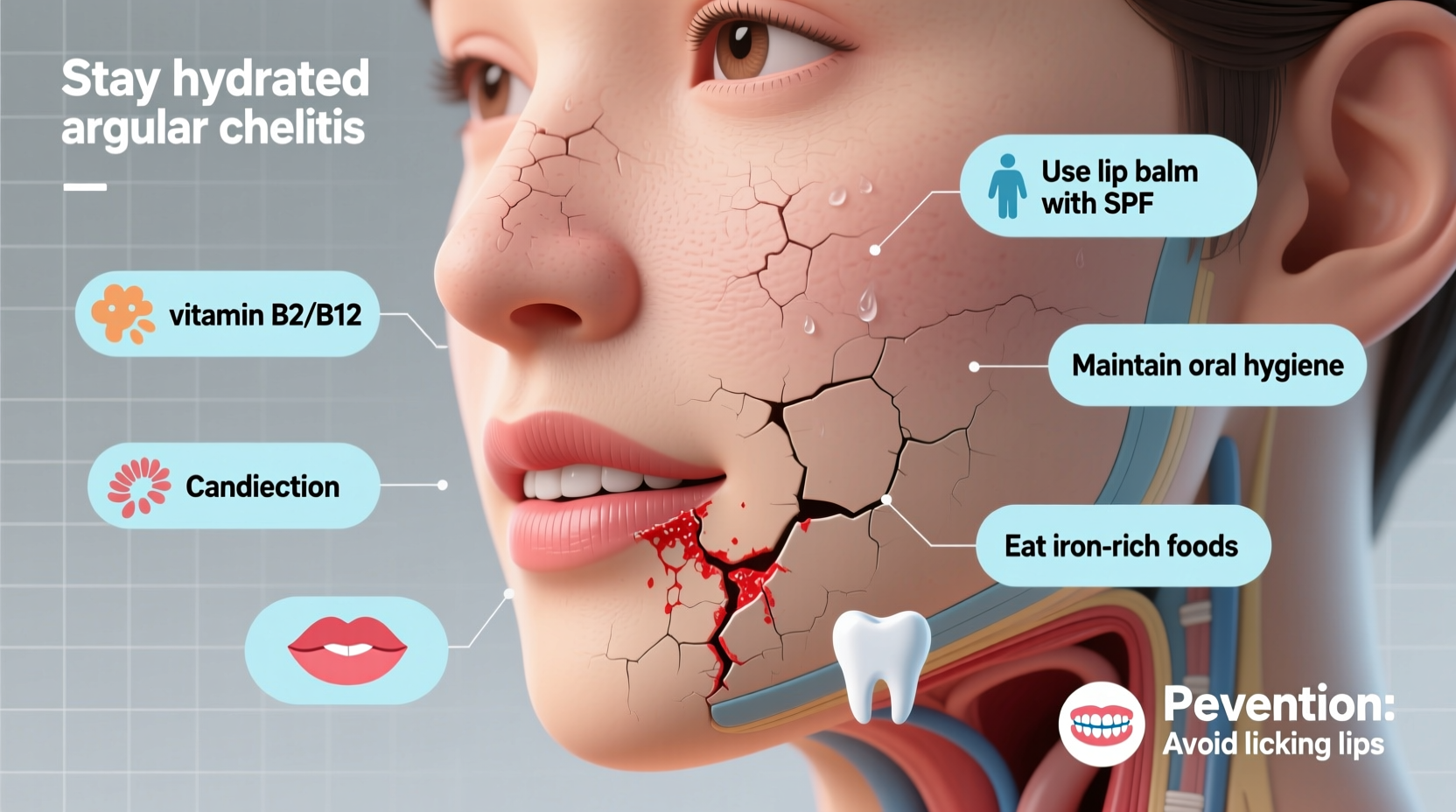
Angular cheilitis doesn’t have a single cause—it’s typically the result of a combination of factors that create a moist, irritated environment perfect for microbial growth. The most common triggers include:
- Fungal infections: Candida albicans, a type of yeast, is responsible for up to 90% of cases, particularly when moisture accumulates in the mouth corners.
- Bacterial infections: Staphylococcus aureus or streptococci can invade cracked skin, worsening inflammation.
- Nutritional deficiencies: Low levels of iron, zinc, or B vitamins (especially B2, B6, and B12) weaken skin integrity and immune response.
- Drooling or saliva buildup: Common in people who sleep with their mouths open, wear ill-fitting dentures, or have misaligned jaws.
- Allergies or irritants: Toothpaste, lip products, or certain foods may trigger contact dermatitis.
- Underlying health conditions: Diabetes, anemia, inflammatory bowel disease, and autoimmune disorders increase susceptibility.
In cold, dry weather, repeated lip licking worsens the problem by introducing enzymes from saliva that break down delicate skin tissue. Over time, this creates a cycle of irritation, cracking, and infection.
Tip: Avoid licking your lips—even though it seems soothing, saliva evaporates quickly and leaves skin drier than before.Effective Treatment Options
Treating cracked mouth corners requires identifying whether the cause is fungal, bacterial, or nutritional. A targeted approach yields faster healing and reduces recurrence.
Step-by-Step Treatment Plan
- Clean the area gently: Use warm water and mild soap twice daily. Pat dry—do not rub.
- Apply antifungal cream: If Candida is suspected (common with persistent white patches), use over-the-counter clotrimazole cream for 7–14 days.
- Use antibiotic ointment if needed: For yellow crusting or pus, apply a thin layer of bacitracin or mupirocin after cleaning.
- Seal with a protective barrier: Zinc oxide or petroleum jelly locks in moisture and shields against saliva exposure.
- Supplement if deficient: Consider a B-complex vitamin, iron, or zinc supplement—especially if symptoms recur frequently.
For severe or long-lasting cases, a doctor may prescribe a combination steroid-antifungal cream to reduce inflammation and clear infection simultaneously. Never use steroid creams without medical guidance, as they can worsen fungal infections if used incorrectly.
“Angular cheilitis is often dismissed as simple dryness, but recurring cases should prompt a blood test for nutrient deficiencies and diabetes screening.” — Dr. Lena Torres, Dermatologist and Skin Health Specialist
Prevention Tips for Long-Term Relief
Once healed, preventing recurrence is key. Small daily habits make a significant difference in maintaining healthy skin around the mouth.
Tip: Replace old toothbrushes and lip balms regularly—microbes can linger on applicators and reinfect the area.Do’s and Don’ts: Daily Care Checklist
| Do’s | Don’ts |
|---|---|
| Apply fragrance-free moisturizer after meals | Lick your lips to soothe dryness |
| Use a humidifier in dry environments | Share lip balm or towels |
| Wash hands before touching face | Wear damp masks for extended periods |
| Eat iron-rich foods like spinach, lentils, and lean meats | Ignore persistent cracks lasting over two weeks |
| Ensure dentures fit properly and clean them nightly | Use scented or alcohol-based lip products |
Real-Life Example: Managing Recurring Angular Cheilitis
Sarah, a 34-year-old office worker, struggled with cracked mouth corners every winter. She tried countless lip balms and even switched toothpaste, but the problem returned each season. After a consultation with her dermatologist, a blood test revealed low iron and vitamin B12 levels—common in vegetarians, which Sarah had been for five years. With iron supplements, a B12 injection, and nightly application of antifungal cream during flare-ups, her symptoms resolved within three weeks. She now takes a daily multivitamin, uses a humidifier at night, and avoids flavored lip products. Two winters later, she remains symptom-free.
This case illustrates how seemingly minor cracks can reflect deeper imbalances—and why personalized care matters.
When to See a Doctor
Mild cases often resolve within 7–10 days with home care. However, seek medical advice if you experience any of the following:
- Painful swelling or spreading redness beyond the mouth corner
- No improvement after two weeks of consistent treatment
- Frequent recurrences (more than 3–4 times per year)
- Visible signs of infection: pus, fever, or hard lumps
A healthcare provider can perform swabs to identify pathogens and order blood work to check for deficiencies or systemic conditions. Early intervention prevents chronic discomfort and complications.
Frequently Asked Questions
Can cracked mouth corners be contagious?
Not directly, but the fungi or bacteria causing them (like Candida or Staph) can spread through shared items such as lip balm, utensils, or towels. Practice good hygiene to avoid transmission.
Is angular cheilitis the same as cold sores?
No. Cold sores are caused by the herpes simplex virus and usually appear on the lip itself as fluid-filled blisters. Angular cheilitis affects the corners of the mouth and is not viral in most cases.
Can children get cracked mouth corners?
Yes, especially those who drool frequently, breathe through their mouths, or have poor nutrition. Keep the area clean and dry, and consult a pediatrician if cracks persist.
Final Thoughts: Take Control of Your Skin Health
Cracked mouth corners are treatable and largely preventable with the right knowledge and habits. Whether the cause is environmental, microbial, or nutritional, addressing the root issue—not just the surface symptom—is what leads to lasting results. Simple changes like switching to non-irritating oral products, improving diet, and protecting skin from excess moisture can make a dramatic difference.
💬 Your skin tells a story—listen to it. Start applying these tips today, and share your experience or questions below. Together, we can turn irritation into insight.








