Types of Cow Horn Bowls
Cow horn bowls are handcrafted from naturally shed or ethically sourced bovine horns, combining organic beauty with functional artistry. Each type of horn bowl reflects a unique blend of tradition, design, and utility, making them popular choices for home décor, ceremonial use, and even practical kitchenware. Their natural durability, heat resistance, and striking visual patterns—such as rich browns, ambers, and black swirls—ensure that no two pieces are exactly alike.
Traditional Cow Horn Bowls
Handcrafted from raw, untreated cow horns, these bowls preserve the horn’s natural shape, texture, and color variations. They embody a rustic, earthy aesthetic that celebrates the organic origins of the material.
Advantages
- Unique natural patterns and coloration
- Eco-friendly and biodegradable
- Strong and heat-resistant
- Ideal for sustainable, rustic décor
Limitations
- Requires gentle cleaning (not dishwasher safe)
- May develop odor if not properly maintained
- Not suitable for prolonged liquid storage
Best for: Rustic home décor, cultural displays, ceremonial use, eco-conscious households
Decorative Cow Horn Bowls
These bowls are artistically enhanced with carvings, engravings, painted motifs, or inlaid embellishments. Designed primarily for visual appeal, they often serve as centerpieces or artistic expressions in modern and traditional interiors.
Advantages
- Highly artistic and customizable
- Excellent as statement décor pieces
- Can reflect cultural or symbolic themes
- Durable and long-lasting display item
Limitations
- Limited functional use
- Potential fragility in detailed carvings
- Higher cost due to craftsmanship
Best for: Interior design accents, gift items, art collections, cultural exhibitions
Dual-Purpose Cow Horn Bowls
Engineered for both beauty and utility, these modern adaptations include features like lids, heat-resistant bases, or modular designs. They can be used for serving food, storing dry goods, or even as portable cookware in some traditional settings.
Advantages
- Multi-functional design
- Combines natural aesthetics with practicality
- Suitable for kitchen or dining use
- BPA-free and non-toxic alternative to plastic
Limitations
- More complex maintenance
- Higher price point
- Limited availability
Best for: Sustainable kitchens, eco-friendly dining, travel-friendly serving, hybrid décor-use scenarios
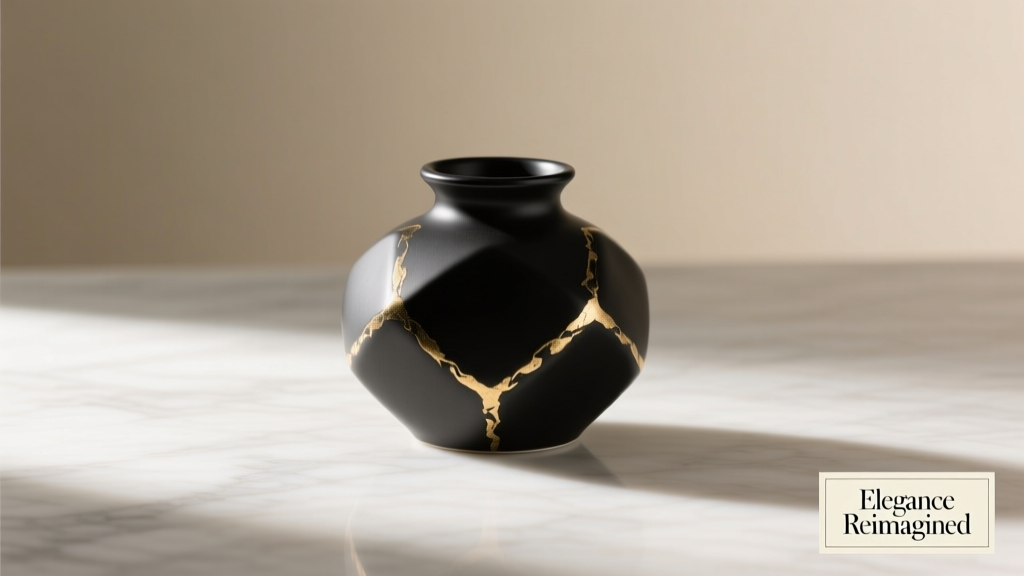
Geometric Cow Horn Bowls
These contemporary designs reshape the organic horn into angular, symmetrical, or minimalist forms—such as hexagons, squares, or faceted curves—blending natural materials with modern design principles.
Advantages
- Striking modern aesthetic
- Perfect for contemporary interiors
- Showcases innovative craftsmanship
- Unique conversation piece
Limitations
- Less natural horn shape preserved
- More labor-intensive production
- Potentially more fragile at sharp edges
Best for: Modern homes, design studios, minimalist spaces, avant-garde art installations
| Type | Aesthetic | Functionality | Durability | Best Use Case |
|---|---|---|---|---|
| Traditional | Rustic, Organic | Moderate (décor & light use) | High | Farmhouse décor, cultural artifacts |
| Decorative | Artistic, Ornate | Low (display only) | Medium-High | Interior accents, gifts |
| Dual-Purpose | Natural + Functional | High (serving, storage) | High | Kitchenware, eco-living |
| Geometric | Modern, Minimalist | Moderate (décor-focused) | Medium | Contemporary interiors, design spaces |
Expert Tip: To maintain your cow horn bowl, hand wash with mild soap and dry immediately. Avoid prolonged exposure to water or direct sunlight to prevent cracking or discoloration. Occasionally conditioning with food-safe mineral oil can enhance luster and longevity.
Design of Cow Horn Bowls: A Fusion of Nature, Craftsmanship, and Functionality
Cow horn bowls are more than just utilitarian objects—they are a testament to sustainable craftsmanship, natural beauty, and functional artistry. Revered for their unique textures, organic forms, and durability, these bowls blend traditional techniques with modern design sensibilities. A deeper exploration into their design reveals the thoughtful integration of material, shape, color, and utility that makes each piece one-of-a-kind.
Materials and Textures
At the heart of every cow horn bowl is its primary material: ethically sourced cow horn, a byproduct of the meat industry, making these bowls an eco-conscious alternative to plastic or ceramic tableware. The use of natural horn ensures authenticity, strength, and resilience, with each bowl reflecting the individuality of the animal it came from.
Artisans carefully shape and treat the horn to preserve its inherent qualities. The interior of the bowl is typically polished to a smooth, glossy finish, making it food-safe and easy to clean. In contrast, the exterior often retains a more rugged, organic texture—highlighting the natural grain, ridges, and contours of the horn. This interplay between polished and raw surfaces not only enhances visual appeal but also provides a tactile warmth that synthetic materials cannot replicate.
The natural thermoplastic properties of keratin (the protein in horns) allow skilled craftsmen to mold the horn using heat and pressure, creating durable, lightweight bowls that resist chipping and cracking under normal use.
Shape and Size
Cow horn bowls are shaped to honor the natural curvature and structure of the horn, resulting in fluid, ergonomic designs that feel balanced in the hand. While some bowls are carved from a single horn segment, others are crafted by flattening and shaping the horn into circular or oval forms, depending on regional techniques and intended use.
Sizes vary significantly, from small, palm-sized bowls ideal for spices, jewelry, or condiments, to large, deep serving platters perfect for salads, fruits, or ceremonial displays. The sculptural quality of these bowls makes them versatile decorative pieces—equally at home on a dining table, bathroom vanity, or as part of a curated shelf display.
Because no two horns are identical, each bowl has a unique silhouette, making them prized collectibles and heirloom-quality items that celebrate imperfection and organic variation.
Color and Finish
The natural color palette of cow horn bowls ranges from creamy ivory and warm amber to deep chocolate brown and near-black, often with striking concentric rings or veining that tell the story of the animal’s growth and environment. These patterns are not flaws—they are celebrated as distinctive fingerprints of nature.
To enhance durability and luster, artisans apply various finishing techniques such as hand-polishing, natural oiling (e.g., coconut or linseed oil), and beeswax coating. These treatments deepen the color, protect against moisture, and bring out the horn’s natural sheen without altering its organic character.
For more decorative or contemporary designs, some bowls undergo additional processes like selective dyeing, engraving, or inlay work with metals or resins. These embellishments allow for personalized aesthetics while preserving the bowl’s structural integrity and eco-friendly essence.
Functional Design Elements
Beyond their visual appeal, cow horn bowls are designed with practicality in mind. Their non-porous, naturally antibacterial surface makes them safe for food contact, resistant to odors, and easy to maintain with gentle hand washing. They are heat-resistant to a degree, though prolonged exposure to open flames should be avoided.
Many functional designs include thoughtful additions such as fitted lids (often made from matching horn or wood) for storing dry goods, spices, or personal items. Handles or carved grips may be integrated for easier handling, especially in larger serving bowls.
Due to their durability and lightweight nature, these bowls are ideal for outdoor dining, picnics, or rustic kitchen settings. When properly cared for, they can last for decades, developing a richer patina over time that enhances their beauty.
| Design Feature | Material/Technique | Functional & Aesthetic Benefit |
|---|---|---|
| Material Source | Natural cow horn (byproduct) | Sustainable, biodegradable, unique grain patterns |
| Interior Finish | Polished and sealed | Food-safe, smooth, easy to clean |
| Exterior Texture | Natural or hand-carved | Tactile appeal, rustic elegance |
| Color Range | Ivory to black with natural veining | Organic variation, no two alike |
| Enhancements | Dyeing, engraving, lid integration | Customization, improved utility |
Care and Longevity Tips
Note: Authentic cow horn bowls are natural products and may exhibit slight variations in color, texture, and shape. These are not defects but signs of genuine craftsmanship and organic origin. Always purchase from ethical sources that utilize byproducts rather than contributing to animal harm.
Scenarios of Cow Horn Bowls
Cow horn bowls are more than just functional tableware—they are timeless artifacts that blend natural beauty, cultural heritage, and practical utility. Crafted from ethically sourced bovine horns, these unique bowls are versatile across various aspects of daily life, from dining to décor, tradition to thoughtful gifting. Below are the key scenarios where cow horn bowls shine, each highlighting their adaptability and enduring appeal.
Everyday Dining
With their organic textures and warm, earthy tones, cow horn bowls elevate everyday meals into refined experiences. Ideal for serving soups, stews, salads, or grain bowls, they offer a distinctive rustic charm that complements both casual and formal dining settings.
- Durable and heat-resistant, making them suitable for warm dishes and cold preparations alike
- Natural non-porous surface resists odors and stains when properly maintained
- Add a touch of artisanal elegance to family dinners or holiday feasts
- Vegan and eco-conscious consumers appreciate their sustainable, biodegradable nature
Note: Hand washing is recommended to preserve luster and longevity.
Interior Decor
Beyond utility, cow horn bowls serve as striking decorative accents in modern and traditional interiors. Their sculptural forms and natural variations make them ideal centerpieces or accent objects.
- Perfect for display on coffee tables, console tables, or bookshelves
- Complement farmhouse, rustic, bohemian, or minimalist design aesthetics
- Pair beautifully with natural materials like wood, stone, linen, and leather
- Can be used as decorative bowls for holding potpourri, candles, or seasonal ornaments
Design tip: Group bowls of varying sizes and hues for a curated, organic vignette.
Rituals and Traditions
Across many cultures—from African tribes to Nordic communities—horn bowls hold deep ceremonial significance. They are often used in spiritual rites, blessings, and communal gatherings as symbols of abundance, unity, and heritage.
- Used in religious ceremonies for offerings of milk, wine, or grains
- Featured in weddings, naming ceremonies, and harvest festivals
- Symbolize strength, fertility, and connection to nature and ancestry
- Often hand-carved with symbolic motifs that enhance their spiritual value
Cultural insight: In some traditions, passing a horn bowl signifies trust and communal bond.
Storage and Organization
Thanks to their sturdy construction and open design, cow horn bowls double as stylish organizers for small household items, helping maintain clutter-free spaces with a natural flair.
- Great for holding keys, coins, jewelry, or office supplies near entryways or desks
- Use in bathrooms to store cotton balls, hair accessories, or soaps
- Functional yet decorative—transform utilitarian items into artful displays
- Natural antimicrobial properties make them hygienic for personal items
Smart use: Place near the front door to create an organized and welcoming entryway.
Gifts and Souvenirs
Cow horn bowls make meaningful, one-of-a-kind gifts that carry cultural resonance and artisanal craftsmanship. Whether purchased during travel or selected for a special occasion, they convey thoughtfulness and appreciation for tradition and nature.
- Popular as wedding, housewarming, or anniversary gifts
- Souvenir collectors value them as authentic cultural mementos
- Often sold in gift sets with care instructions and origin stories
- Eco-conscious recipients appreciate their sustainable, non-plastic composition
Gift idea: Pair with a handwoven cloth or artisanal spice blend for a curated cultural gift basket.
Sustainability & Ethical Craftsmanship
As awareness of sustainable living grows, cow horn bowls stand out as eco-friendly alternatives to mass-produced ceramics and plastics. Sourced as byproducts of the food industry, they exemplify zero-waste craftsmanship.
- Made from renewable, biodegradable materials with minimal environmental impact
- Support traditional artisans and rural economies in developing regions
- No synthetic resins or glues in authentic, hand-finished pieces
- Long-lasting with proper care—reducing the need for frequent replacement
Eco-note: Choosing horn bowls supports circular economy principles in ethical sourcing.
Expert Insight: When selecting a cow horn bowl, consider both its aesthetic harmony with your space and its intended use. For dining, opt for polished, food-safe finishes; for décor or rituals, embrace raw, textured designs with cultural carvings. Always verify ethical sourcing and craftsmanship quality to ensure you're investing in a piece that honors both tradition and sustainability.
| Use Case | Best Features | Ideal Setting | Care Tips |
|---|---|---|---|
| Everyday Dining | Heat-resistant, non-porous, elegant | Kitchen, dining table | Hand wash only, dry immediately |
| Interior Decor | Sculptural, natural variation | Living room, entryway | Dust regularly, avoid direct sunlight |
| Rituals & Ceremonies | Symbolic, hand-carved, sacred | Altar, ceremonial space | Clean with mild soap, store respectfully |
| Storage & Organization | Durable, stylish, functional | Hallway, office, bathroom | Wipe with damp cloth, avoid soaking |
| Gifts & Souvenirs | Unique, cultural, eco-friendly | Gifting, travel keepsakes | Include care guide with gift |
Additional Considerations
- Food Safety: Ensure bowls are treated with food-grade sealants if used for eating
- Allergies: Rare, but individuals sensitive to keratin may want to avoid prolonged contact
- Authenticity: Look for certification or origin details to avoid synthetic imitations
- Uniqueness: No two horn bowls are identical—each has unique grain, color, and shape
- Longevity: With proper care, a high-quality horn bowl can last decades
Specification & Maintenance of Cow Horn Bowls
Cow horn bowls are natural, handcrafted items prized for their unique texture, durability, and aesthetic appeal. Made from ethically sourced bovine horns, these bowls are not only eco-friendly but also biodegradable. However, due to their organic composition, they require special care to maintain their integrity and prolong their lifespan. Understanding the material specifications and proper maintenance techniques is essential to preserving their beauty and functionality for years to come.
Important Note: Cow horn is a natural protein-based material sensitive to heat, moisture, and UV exposure. Improper care can lead to warping, cracking, or discoloration. Always handle with care and follow the guidelines below to ensure long-term preservation.
Key Maintenance Guidelines for Cow Horn Bowls
- Cleaning
Always clean your cow horn bowl with a soft, slightly damp cloth. Avoid immersing the bowl in water or washing it under running water, as excessive moisture can penetrate the horn fibers, causing them to swell, warp, or crack over time. Never place the bowl in a dishwasher—high heat and detergents will severely damage the material.
If the bowl has been oiled (common for food-safe finishes), use a cloth that is only lightly moistened—never soaking wet—to prevent stripping the protective oil layer. Wipe both the interior and exterior gently, then dry immediately. For light residue, a drop of mild soap on the cloth may be used, but rinse-free cleaning is preferred.
- Drying
After each use or cleaning, dry the bowl thoroughly with a soft, lint-free towel. Horn naturally absorbs moisture, and leaving it damp—even briefly—can encourage bacterial growth, odors, or structural weakening. Always air-dry the bowl upright in a well-ventilated area, away from direct heat sources.
Never expose the bowl to direct sunlight or high temperatures while drying, as UV rays and heat can cause fading, brittleness, and deformation. Prolonged exposure may result in irreversible cracks or warping.
- Oiling
Regular oiling is crucial to maintaining the luster and resilience of your cow horn bowl. Natural oils condition the horn, preventing it from drying out and becoming brittle. Use food-safe, pure mineral oil or safflower oil—both are widely available in supermarkets and are ideal for preserving organic materials.
Apply a small amount of oil to a soft cloth and gently massage it into the entire surface of the bowl, including the rim and base. Allow the oil to absorb for 15–30 minutes, then buff off any excess with a dry cloth. For regular use, oil the bowl once every 4–6 weeks; in dry climates or with frequent use, monthly oiling is recommended.
- Avoiding Heat
Cow horn is highly sensitive to heat. Never place the bowl in an oven, microwave, or near an open flame. Temperatures above 140°F (60°C) can soften and permanently deform the horn, leading to warping or melting. Avoid placing hot foods or liquids directly into the bowl, especially those just removed from stovetops or ovens.
Even brief contact with hot surfaces—such as a stove, grill, or heated countertop—can cause damage. Always allow food to cool to room temperature before serving in a horn bowl.
- Storage
Store your cow horn bowl in a cool, dry place away from direct sunlight and humidity. Prolonged UV exposure can fade the natural color and weaken the horn’s structure. Ideal storage includes a cupboard, drawer, or display shelf with stable temperature and low light.
If stacking multiple bowls, place a soft cloth or felt liner between them to prevent scratching. Avoid storing near strong-smelling foods, chemicals, or damp areas (like under the sink), as horn can absorb odors and moisture.
Periodically inspect your bowl for signs of insect activity, mold, or dryness—especially if stored long-term. In humid environments, consider using a moisture-absorbing pack nearby to prevent fungal growth.
| Care Step | Recommended Practice | Risks of Improper Care | Frequency |
|---|---|---|---|
| Cleaning | Wipe with damp cloth; no soaking or dishwashing | Cracking, swelling, delamination | After each use |
| Drying | Immediate towel-dry + air-dry in shade | Warping, odor, mold growth | After every cleaning |
| Oiling | Use food-safe mineral or safflower oil | Drying, brittleness, surface cracks | Every 4–6 weeks |
| Heat Exposure | Keep away from stoves, ovens, sunlight | Warping, melting, discoloration | Continuous avoidance |
| Storage | Cool, dry, dark place with protective lining | Scratches, fading, pest damage | Ongoing |
Pro Tip: To revive a dull or dry cow horn bowl, apply a few drops of oil and let it sit overnight. Gently buff the next day to restore its natural sheen. This deep-conditioning method helps rejuvenate older pieces and enhances their grain pattern.
Additional Care Recommendations
- Do not use abrasive cleaners, scouring pads, or alcohol-based sanitizers on the bowl.
- Avoid storing the bowl in plastic bags—trapped moisture can promote mold.
- For decorative use only: If not food-safe, avoid contact with consumables.
- Rotate usage if you own multiple bowls to ensure even wear and conditioning.
- Contact the artisan or supplier if you notice deep cracks or structural issues—some damage can be professionally repaired.
With proper care, a cow horn bowl can last for decades, becoming more beautiful with age as its natural patina develops. By respecting its organic nature and following these maintenance practices, you preserve not only a functional item but also a piece of traditional craftsmanship rooted in sustainability and cultural heritage.
Frequently Asked Questions About Cow Horn Bowls
Q1: Why choose a cow horn bowl compared to other types of bowls?Cow horn bowls stand out due to their unique combination of natural beauty, durability, and sustainability. Unlike mass-produced plastic or metal bowls, each cow horn bowl is one-of-a-kind—crafted from naturally shed or byproduct horns, making them both eco-conscious and visually distinctive.
- Natural Aesthetic: Their organic textures, earthy tones, and subtle variations in color and pattern bring a rustic elegance to any table or decor.
- Durability: When properly maintained, cow horn is surprisingly strong and resistant to everyday wear, outperforming fragile ceramics and flimsy plastics.
- Eco-Friendly: Made from renewable byproducts of the food industry, these bowls repurpose materials that would otherwise go to waste, reducing environmental impact.
- Unique Character: No two cow horn bowls are identical—each piece tells its own story through its shape, grain, and natural imperfections.
Whether used for dining or decoration, cow horn bowls offer a sustainable alternative that blends functionality with artisanal charm.
Q2: Are cow horn bowls safe for food use?Yes, high-quality cow horn bowls are completely safe for serving food, provided they are properly processed and finished. Reputable manufacturers treat the horn with food-safe sealants to create a smooth, non-porous surface that resists bacteria and staining.
- Safe Finishes: Look for bowls treated with FDA-approved, food-safe oils or natural resins that lock in moisture and prevent contamination.
- Not Dishwasher Safe: These bowls should never be placed in the dishwasher or left to soak in water, as prolonged exposure can degrade the horn fibers and compromise the sealant.
- Cleaning Tips: Hand wash gently with a damp cloth and mild soap, then dry immediately. This preserves the finish and ensures long-term food safety.
With proper care, a cow horn bowl remains a hygienic and elegant option for serving salads, fruits, snacks, and more.
Q3: How to prevent cow horn bowls from cracking or warping?To maintain the structural integrity and appearance of your cow horn bowl, it’s essential to follow a few simple care practices that protect against drying, warping, and thermal shock.
- Regular Oil Treatment: Apply food-grade mineral oil or specialized horn oil every 4–6 weeks to keep the material hydrated and prevent brittleness.
- Avoid Moisture Soaking: Never submerge the bowl in water or leave it wet for extended periods, as horn absorbs moisture and can warp or crack during drying.
- Limit Heat Exposure: Keep bowls away from stoves, ovens, microwaves, and direct sunlight, which can cause the horn to dry out, discolor, or deform.
- Store Properly: Store in a cool, dry place with moderate humidity to prevent extreme expansion or contraction of the material.
By treating your cow horn bowl like fine wood or leather, you’ll preserve its beauty and functionality for years to come.
Q4: Can cow horn bowls be used for both decorative and functional purposes?Absolutely! Cow horn bowls are prized not only for their utility but also for their striking visual appeal, making them ideal for dual roles in the home or office.
- Functional Uses: Perfect for serving fresh fruit, nuts, snacks, or even as a stylish cutlery holder or soap dish in the bathroom.
- Decorative Appeal: Their natural luster and organic form make them excellent centerpieces, vanity organizers, or accent pieces on shelves and coffee tables.
- Versatile Styling: Complements farmhouse, bohemian, rustic, or minimalist interiors, adding warmth and texture to modern spaces.
- Gift-Worthy: Their artisanal nature and uniqueness make them thoughtful gifts for housewarmings, weddings, or eco-conscious friends.
Whether filled with lemons on a kitchen counter or displayed empty as a sculptural element, cow horn bowls enhance both form and function in any environment.
Q5: Are cow horn bowls ethically sourced?Reputable suppliers prioritize ethical sourcing by ensuring that cow horn materials are byproducts of the meat and dairy industries, not obtained through animal harm. Since horns are naturally shed or removed after slaughter for food production, using them for crafts supports a zero-waste philosophy.
- Sustainable Sourcing: Many artisans and brands partner with farms and abattoirs that follow humane practices and environmental standards.
- Transparency: Ethical companies openly share their supply chain details and may provide certifications or sourcing statements upon request.
- No Animal Harm: The harvesting of horns does not require killing animals solely for this purpose—making it a responsible use of available resources.
- Supporting Artisans: Purchasing from ethical sources often supports small-scale craftsmen and traditional techniques, preserving cultural heritage.
To ensure your bowl aligns with your values, consider asking the seller about their sourcing policies or choosing brands committed to sustainability and animal welfare.









