Choosing your first pet reptile is an exciting step into a world of quiet companionship, low maintenance, and fascinating natural behavior. Among beginner-friendly snakes, two species consistently rise to the top: the corn snake and the ball python. Both are widely available, docile, and relatively easy to care for. But when it comes to deciding which one is truly better for a first-time owner, subtle differences in temperament, feeding habits, habitat needs, and long-term care can make all the difference.
This guide dives deep into the realities of keeping both species, comparing their biology, husbandry requirements, and day-to-day management so you can make an informed decision based on your lifestyle, experience level, and expectations.
Habitat & Environmental Needs
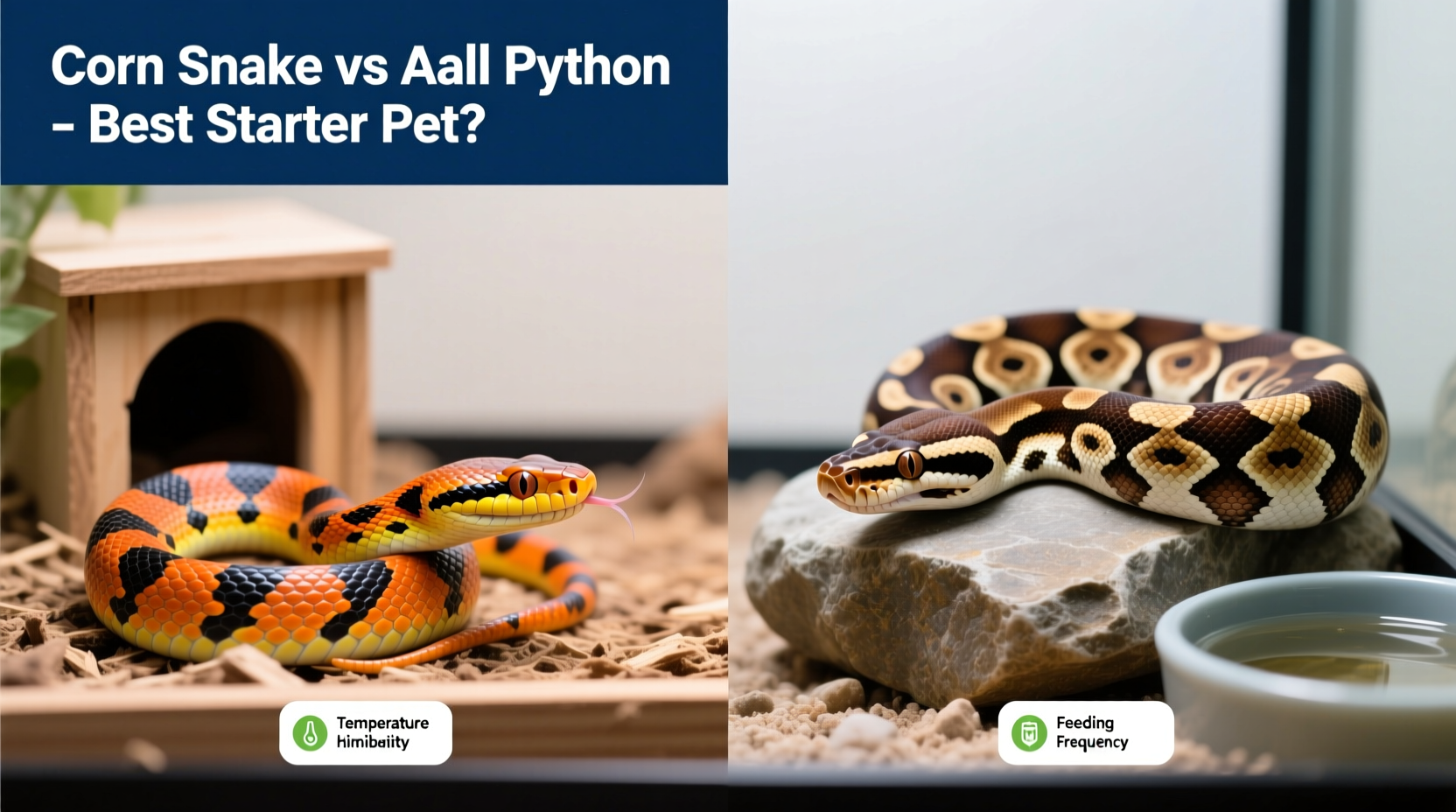
Both corn snakes and ball pythons thrive in controlled environments that mimic their native ecosystems. However, their geographic origins influence their ideal temperature and humidity settings.
Corn snakes (Pantherophis guttatus) are native to the southeastern United States, where they inhabit forests, farmlands, and abandoned buildings. They prefer moderate temperatures with lower humidity levels. A daytime ambient temperature between 75°F and 82°F, with a basking spot of 85°F–88°F, is ideal. Nighttime temperatures can drop slightly but should remain above 70°F. Humidity should be maintained around 40%–50%, which is easily achieved in most homes without additional misting.
Ball pythons (Python regius), originating from West and Central Africa, require higher humidity—between 50% and 60%, occasionally spiking to 70% during shedding. Their thermal gradient is similar, with a basking area of 88°F–92°F and cooler side around 78°F. Temperatures below 75°F can lead to appetite loss and health issues. Because of their sensitivity to environmental fluctuations, maintaining stable conditions is critical.
Tip: Use a digital hygrometer and thermometer at both ends of the enclosure to monitor conditions accurately. Avoid relying solely on built-in thermostat displays.Enclosure size for both species starts at a 20-gallon long tank for juveniles, upgrading to 40 gallons for adults. Vertical space is less important than floor area, though corn snakes may climb if given branches. Ball pythons are terrestrial and prefer secure hides on both warm and cool sides of the cage. Substrate choices vary: aspen or cypress mulch work well for corn snakes, while paper towels or coconut fiber are often preferred for ball pythons due to their higher humidity needs.
Temperament & Handling Behavior
One of the most common reasons people choose snakes as pets is their calm demeanor. Both species are known for being gentle, but their personalities differ in subtle but meaningful ways.
Corn snakes are naturally curious and active. They tend to explore their environment regularly, move frequently within their enclosures, and often show interest in handling. While not aggressive, they may try to escape during handling by slithering quickly through fingers. This doesn’t indicate fear—it’s simply instinctual exploration. With regular, gentle interaction, corn snakes become accustomed to human contact and rarely bite.
Ball pythons, in contrast, are more reserved. They are not typically “explorers” and may spend days at a time coiled in a hide. When handled, they generally remain still—hence the name \"ball\" python, as they curl into a tight ball when stressed. Once acclimated, many become quite tolerant of handling, though some individuals retain a shy nature throughout life. Sudden movements or prolonged handling can trigger stress responses, including refusal to eat.
“Ball pythons aren’t inherently difficult, but their sensitivity means they respond poorly to inconsistent care. A stressed ball python stops eating; a stressed corn snake just keeps moving.” — Dr. Rebecca Tran, Herpetological Veterinarian
For absolute beginners who want frequent interaction, corn snakes may feel more rewarding. For those seeking a calm, low-motion companion, the ball python’s stillness can be appealing.
Feeding & Appetite Reliability
Reliable feeding is one of the biggest concerns for new snake owners. Here, the corn snake holds a clear advantage.
Corn snakes almost always accept pre-killed or frozen-thawed mice without hesitation. Hatchlings eat every 5–7 days; adults every 10–14 days. They are opportunistic feeders in the wild and maintain strong appetites in captivity. Even during shedding cycles, most corn snakes will eat normally.
Ball pythons, however, are notorious for seasonal fasting. It’s not uncommon for a healthy adult ball python to stop eating for weeks or even months, especially during winter months—a behavior believed to be linked to breeding cycles or ancestral drought responses. While this doesn’t necessarily indicate illness, it causes significant anxiety among inexperienced keepers who may misinterpret it as a health crisis.
Some ball pythons also develop preferences for specific prey types (e.g., hopping vs. stationary), requiring dietary adjustments like scenting or live feeding (though live feeding carries risks and is discouraged). Juveniles are particularly prone to feeding strikes, making early care more challenging.
| Factor | Corn Snake | Ball Python |
|---|---|---|
| Feeding Frequency | Every 5–14 days (depending on age) | Every 10–14 days (when eating) |
| Appetite Consistency | High – rarely refuses food | Variable – seasonal fasts common |
| Prey Acceptance | Excellent – eats thawed readily | Good to poor – may need coaxing |
| Common Feeding Issues | Very few | Fasting, selective eating, stress-related refusal |
Lifespan & Long-Term Commitment
Both species are long-lived, which means choosing either is a serious commitment. Corn snakes commonly live 15–20 years in captivity, with some exceeding 23 years under optimal care. Ball pythons typically live 20–30 years, with verified cases over 40 years in zoological settings.
The longer lifespan of the ball python isn’t inherently a disadvantage, but it does mean potential owners must consider future stability—relocation, travel, changes in living situation, or shifts in personal interest. While both snakes require consistent care, the ball python’s sensitivity to environmental and dietary changes increases the responsibility over decades.
Additionally, ball pythons grow slightly larger, averaging 3–5 feet, compared to corn snakes’ 3–4 feet. Neither requires massive enclosures, but larger adults benefit from secure, spacious habitats. Breeding is possible with both, though ball pythons have complex reproductive behaviors and require precise conditioning, making them less suitable for casual breeders.
Cost Comparison & Accessibility
Initial purchase price is often similar, with captive-bred hatchlings ranging from $50 to $100 for both species. However, long-term costs diverge based on care complexity.
- Heating & Lighting: Both require heat sources (under-tank heaters or ceramic heat emitters), but ball pythons often need humidifiers or automatic misting systems, adding to electricity and equipment costs.
- Substrate & Maintenance: Corn snakes tolerate simpler substrates and less frequent cleaning. Ball pythons benefit from moisture-retaining bedding, which may need replacing more often to prevent mold.
- Veterinary Care: While neither species requires frequent vet visits, ball pythons are more prone to respiratory infections if humidity or temperature fluctuates. These conditions can lead to higher medical expenses over time.
- Feeding Supplies: No major difference—both eat frozen rodents. However, picky ball pythons may require specialty prey or feeding techniques, increasing food waste and cost.
Mini Case Study: Two Beginners, Two Choices
Sarah, a college student living in a dorm-style apartment, wanted a low-maintenance pet she could handle between classes. She chose a juvenile corn snake named Rusty. Within a week, he was eating consistently, exploring his enclosure daily, and tolerated short handling sessions. Despite minor temperature fluctuations due to seasonal changes, Rusty remained active and healthy. After six months, Sarah reported feeling confident in her care routine and enjoyed showing him to friends.
Meanwhile, James adopted a young ball python named Coco. Though initially enthusiastic, he became concerned when Coco refused food for three weeks. Despite correct temperatures and humidity, she remained in her hide and showed no interest in prey. He consulted a reptile forum and learned about “seasonal fasting.” After adjusting lighting cycles and offering different prey presentations, Coco eventually resumed eating—but the experience left James anxious about future fasts.
Neither outcome was wrong, but Sarah’s choice aligned better with her need for predictability and hands-on interaction, while James underestimated the emotional toll of managing an intermittently feeding animal.
Checklist: Choosing the Right Starter Snake
- ✅ Assess your schedule: Can you check on your snake daily and maintain consistent conditions?
- ✅ Evaluate your comfort with feeding: Are you prepared for potential food refusal?
- ✅ Consider handling frequency: Do you want an interactive pet or a display animal?
- ✅ Plan for the long term: Are you ready for a 15–30 year commitment?
- ✅ Research local support: Is there a reptile-savvy vet nearby?
- ✅ Budget for setup and emergencies: Enclosure, heating, humidity control, and potential vet bills.
- ✅ Choose captive-bred: Always buy from reputable breeders to avoid wild-caught health issues.
FAQ
Can I keep a corn snake or ball python in the same room as other pets?
Yes, as long as the enclosure is secure and other pets (like cats or dogs) cannot access it. Snakes are not social animals and do not require companionship, so housing multiple snakes together is not recommended.
Which snake is easier to breed?
Corn snakes are significantly easier to breed in captivity. They respond reliably to seasonal cooling and pairing, while ball pythons require precise humidity, temperature, and light cycling, and even then may refuse to mate or incubate eggs inconsistently.
Do either species require UVB lighting?
While not strictly necessary for survival, recent research suggests both species benefit from low-level UVB exposure (2–5%). It may improve appetite, activity, and overall health. A 5.0 UVB tube for 10–12 hours per day is a safe addition.
Final Recommendation
If you're looking for the most beginner-friendly experience—consistent feeding, active personality, resilience to minor environmental changes—the corn snake is the superior choice. It offers predictable care, engaging behavior, and minimal stress for new owners.
The ball python, while stunning and docile, demands greater attention to detail. Its feeding unpredictability and sensitivity to environment make it better suited for someone prepared for occasional challenges and willing to invest time in learning advanced husbandry.
Ultimately, both are excellent reptiles. But for a true starter pet—one that builds confidence, teaches proper care, and rewards attention—the corn snake stands out as the ideal first snake.
🚀 Ready to bring home your first snake? Start by researching local breeders, setting up your enclosure a week in advance, and joining online communities for real-time support. Your journey into reptile keeping begins now!








