Fleas are more than just a nuisance—they’re persistent pests that can quickly infest your home, bite family members, and spread diseases to pets. When over-the-counter sprays and collars fail, many homeowners turn to flea bombs (also known as foggers) for a whole-room solution. However, improper use can lead to health risks, property damage, or incomplete eradication. This comprehensive guide walks you through every critical step to ensure your flea bombing is both safe and effective—room by room, pet by pet, and person by person.
Understanding Flea Bombs: How They Work and What They Target
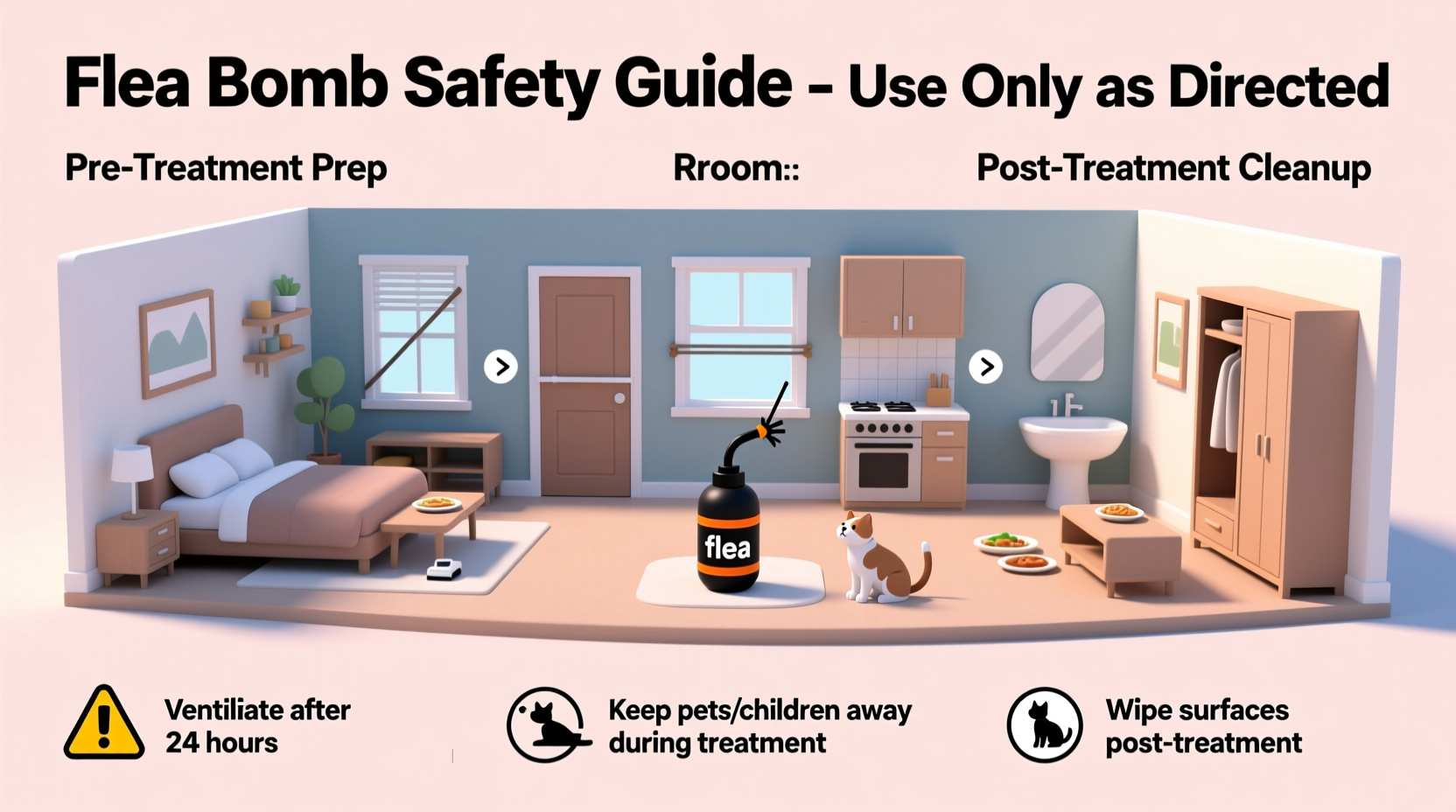
Flea bombs release an insecticide-laden mist into the air, which disperses throughout a room and settles on surfaces. The active ingredients—typically pyrethroids like permethrin or synergized pyrethrins—target adult fleas, larvae, and sometimes eggs, depending on the formula. While they provide broad coverage, their effectiveness depends heavily on proper preparation, application, and follow-up.
It’s important to note that most flea bombs do not have residual effects lasting beyond a few days. They also struggle to penetrate deep into carpets, upholstery, or cracks where fleas and eggs hide. For this reason, they should be used as part of a broader pest control strategy—not a standalone fix.
“Flea foggers can reduce adult flea populations significantly, but they often miss key hiding spots. Success requires combining them with vacuuming, washing linens, and treating pets.” — Dr. Alan Wong, Entomologist & Pest Management Specialist
Step-by-Step Guide: Treating Every Room Safely and Effectively
To achieve full coverage without risking your health or damaging belongings, follow this detailed sequence. Begin at least 24 hours before treatment day.
- Inspect and identify infested areas: Check pet bedding, baseboards, rugs, and furniture. Look for flea dirt (tiny black specks that turn red when wet), bites, or actual fleas.
- Choose the right product: Select a flea bomb labeled for indoor use and appropriate for the square footage of each room. One can per room is typical; never double up unless specified.
- Vacuum thoroughly: Run your vacuum over all carpets, floors, and upholstery. Pay special attention to crevices and under furniture. Dispose of the vacuum bag or empty the canister outside immediately after.
- Remove or cover sensitive items: Pack away food, dishes, toothbrushes, and electronics. Cover appliances, countertops, and exposed surfaces with plastic sheeting or towels.
- Evacuate people and pets: All humans and animals—including birds, reptiles, and rodents—must leave the premises. Remove pet beds, toys, and feeding bowls.
- Seal off adjacent spaces: Close interior doors and use towels to block gaps under doors leading to untreated rooms or garages.
- Activate the bomb: Place the fogger in the center of the room or according to label instructions. Stand the unit upright and trigger it. Leave the room immediately and close the door behind you.
- Wait out the exposure period: Most products require 2–4 hours of sealed treatment time. Do not re-enter until the manufacturer specifies it’s safe.
- Ventilate the space: Open windows and doors upon return. Use fans to circulate fresh air for at least 2 hours.
- Clean treated areas: Wipe down hard surfaces with a damp cloth. Vacuum again to remove dead fleas and residue.
Room-by-Room Treatment Plan
Each room presents unique challenges. A one-size-fits-all approach won’t work. Here’s how to adapt your method for maximum impact.
| Room | Key Challenges | Treatment Tips |
|---|---|---|
| Living Room | Heavy furniture, electronics, pet traffic | Lift couch cushions, vacuum beneath furniture, cover TVs and sound systems. Treat last if pets spend less time here. |
| Bedrooms | Exposed bedding, nightstands, closets | Strip all beds and wash linens in hot water. Store clothing in sealed bins. Avoid placing fogger near pillows or mattresses unless labeled safe. |
| Kitchen | Food contamination risk, appliances | Empty open cabinets. Seal dry goods. Cover countertops, stoves, and sinks. Never use foggers directly above food prep zones. |
| Bathrooms | Moisture, ventilation fans | Turn off exhaust fans. Remove towels and bathmats. Foggers may not adhere well in humid environments—treat during low-humidity periods. |
| Basement/Garage | Poor ventilation, clutter, stored items | Clear pathways and elevate boxes off concrete floors. Use extra caution due to flammable vapors—no pilot lights or sparks allowed. |
Essential Safety Precautions and Common Mistakes
Flea bombs contain potent chemicals. Misuse can result in respiratory irritation, chemical burns, or even fire hazards. The EPA has issued warnings about improper fogger use, citing thousands of annual incidents ranging from dizziness to hospitalization.
- Never stay in the house during treatment. Inhaling the mist can cause coughing, headaches, and nausea.
- Do not use multiple bombs in one room. Over-saturation increases toxicity and flammability.
- Avoid ignition sources. Turn off pilot lights, heaters, stoves, and unplug spark-prone devices.
- Don’t skip ventilation. Lingering fumes can affect children and pets long after treatment.
- Never use outdoor foggers indoors. These are formulated for open-air dispersion and pose extreme inhalation risks.
Mini Case Study: The Johnson Family’s Flea Infestation
The Johnsons noticed their dog scratching incessantly and found tiny black specks in his bed. After using topical treatments with limited success, they purchased two flea bombs for their 1,200 sq ft home. They bombed the living room and master bedroom but skipped the guest room, assuming it was unaffected.
Two weeks later, fleas reappeared. Upon inspection, an exterminator found a thriving colony in the unused guest room—where no treatment had been applied. The family repeated the process, this time following a full-house protocol: vacuuming every room, sealing off vents, and ventilating properly. They combined the bombing with weekly vacuuming and pet treatments. Within a month, the infestation was fully eliminated.
The lesson? Fleas can survive in low-traffic areas. Complete coverage is non-negotiable.
Checklist: Your Pre-Flea Bomb Action Plan
Use this checklist to prepare your home and avoid dangerous oversights:
- ☐ Confirm square footage of each room
- ☐ Purchase correct number of foggers (one per room, typically)
- ☐ Vacuum all floors, rugs, and upholstery
- ☐ Wash pet bedding and human linens in hot water
- ☐ Remove or cover food, dishes, and toiletries
- ☰ Seal or cover electronics and appliances
- ☐ Turn off pilot lights, HVAC, and ignition sources
- ☐ Evacuate all people and pets (including fish tanks covered)
- ��� Close windows and seal door gaps to adjacent areas
- ☐ Set a timer for re-entry based on product instructions
- ☐ Prepare fans and open windows for post-treatment ventilation
- ☐ Schedule follow-up vacuuming 24 hours after treatment
Frequently Asked Questions
How long do I need to stay out of the house after using a flea bomb?
Most manufacturers recommend staying out for 2 to 4 hours, followed by at least 30 minutes to 2 hours of ventilation. Always refer to the specific product label—some stronger formulas may require up to 12 hours of absence.
Can I use a flea bomb if I have cats or dogs?
Yes, but only if the pets are removed before activation. Cats are especially sensitive to pyrethroids, so ensure the area is fully aired out before allowing them back. Consult your vet if your pet has respiratory conditions.
Will one flea bomb get rid of all the fleas?
Unlikely. Flea bombs primarily kill adult fleas. Eggs and pupae can survive and hatch days or weeks later. A second treatment 7–14 days after the first is often necessary to break the lifecycle. Combine bombing with daily vacuuming and pet-specific preventatives for best results.
Maximizing Long-Term Results: Beyond the Bomb
Flea bombing is a powerful tool, but it’s only one phase of a complete eradication plan. To prevent recurrence, adopt these ongoing practices:
- Treat all pets year-round: Use veterinarian-approved oral or topical preventatives even in winter months.
- Vacuum every 2–3 days: This stimulates pre-adult fleas to emerge from cocoons, making them vulnerable to insecticides.
- Wash bedding weekly: Hot water kills eggs and larvae hidden in fabric fibers.
- Use growth inhibitors: Products containing methoprene or pyriproxyfen stop fleas from maturing and reproducing.
- Monitor with traps: Place a lamp over a dish of soapy water at night—fleas are attracted to warmth and will drown.
“Successful flea control isn’t about a single ‘nuclear option.’ It’s about consistency, coverage, and understanding the insect’s lifecycle.” — Dr. Linda Chen, Veterinary Parasitologist
Conclusion: Take Control of Your Home Environment
Eliminating fleas requires precision, patience, and proper execution. A flea bomb can deliver fast relief when used correctly—but cutting corners risks your family’s health and invites reinfestation. By preparing thoroughly, treating every room with intention, and following up with preventive habits, you can reclaim your home from these resilient pests.
🚀 Ready to take action? Start today by checking your home for signs of fleas, gathering supplies, and scheduling your treatment. Share your experience or questions in the comments—your insight could help another homeowner win their battle against fleas.








