Finding the right mountain bike saddle is one of the most personal yet critical decisions a rider can make. Unlike handlebars or pedals, the saddle is in constant contact with your body, directly influencing comfort, power transfer, and endurance. A poorly chosen saddle can turn an exhilarating trail ride into a painful ordeal. On the other hand, a well-fitted, durable, and ergonomically sound saddle enhances control, reduces fatigue, and supports long-term riding health. This guide explores what makes a mountain bike saddle both comfortable and durable, highlights top models across categories, and provides actionable advice to help you make an informed decision.
Why Saddle Choice Matters More Than You Think
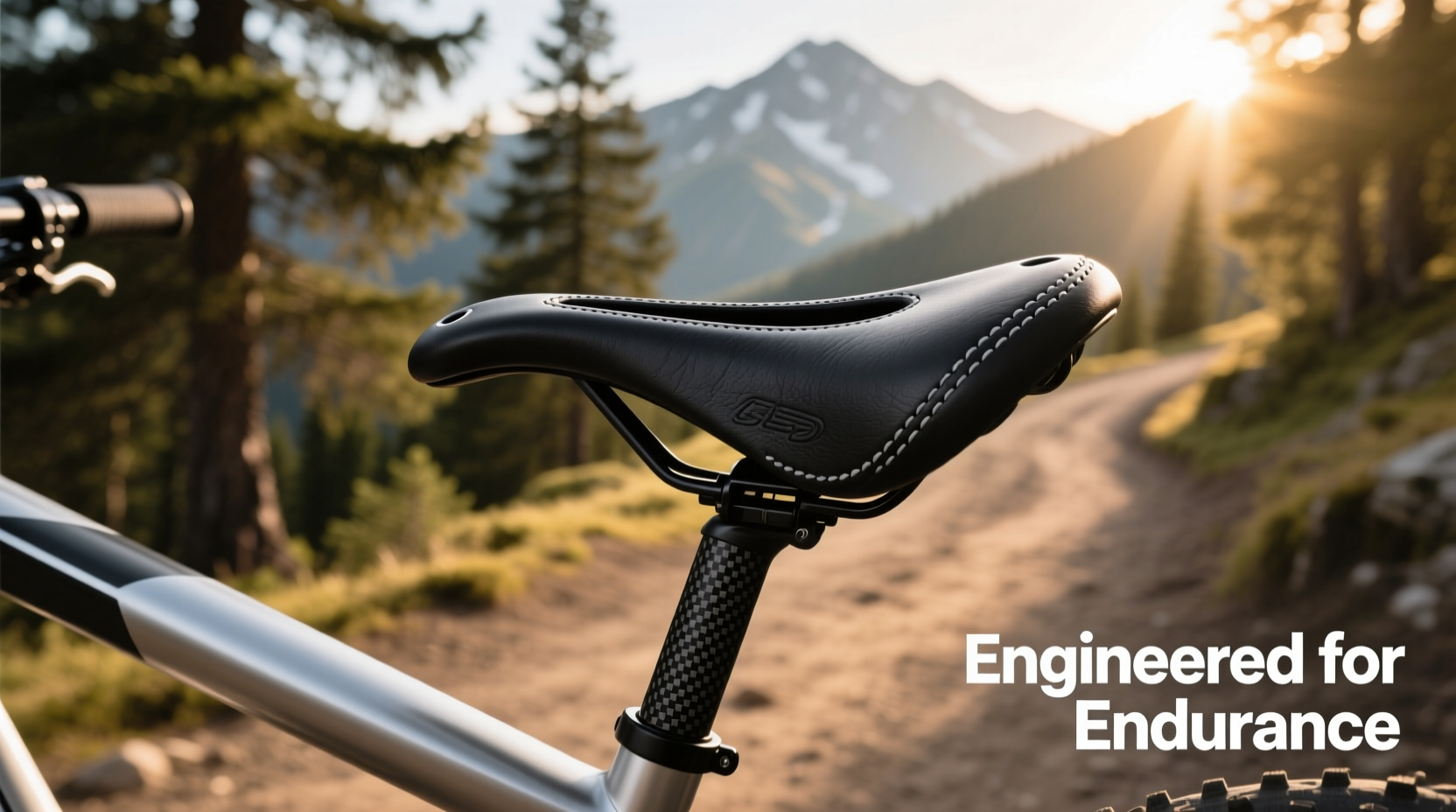
The saddle isn't just where you sit—it's a key interface between rider and machine. During off-road riding, terrain variations mean your weight shifts constantly. A good saddle accommodates these movements while minimizing pressure on soft tissues and maximizing pelvic stability. Poorly designed saddles lead to numbness, chafing, and even long-term nerve or vascular issues.
Durability is equally important. Mountain biking subjects equipment to vibration, moisture, impacts, and abrasion. Saddles made with subpar materials may crack, delaminate, or lose shape after only a few months. The best options combine high-strength shells, weather-resistant covers, and corrosion-proof rails to withstand rugged use.
“Most riders underestimate how much saddle design affects their overall performance. It’s not about softness—it’s about proper support and alignment.” — Dr. Lena Torres, Sports Biomechanist and Cycling Ergonomics Researcher
Key Features of Comfortable and Durable MTB Saddles
When evaluating saddles, focus on four core components: shape, padding, shell construction, and rail material. Each plays a role in both comfort and longevity.
- Shape and Width: Saddles should match your sit bone width. Wider riders need broader saddles to distribute weight; narrower riders benefit from slimmer profiles that prevent inner-thigh rub.
- Padding Level: Minimal to moderate foam is ideal. Excessive padding compresses over time and increases friction. Gel inserts offer better resilience but add weight.
- Shell Material: Reinforced nylon or carbon fiber shells resist flex and cracking. Carbon offers stiffness and lightness but at a higher cost.
- Rail Type: Chrome-moly steel rails are tough and affordable. Titanium rails reduce weight and resist corrosion. Carbon rails are lightest but more fragile under impact.
Top 5 Durable and Comfortable MTB Saddles Compared
| Saddle Model | Weight | Rail Material | Width Options | Durability Notes |
|---|---|---|---|---|
| Specialized Power Arc Pro | 179g | Titanium | Narrow, Medium, Wide | Stress-tested shell; water-resistant cover |
| WTB Volt Pro Team | 185g | Titanium | Standard (143mm) | Reinforced elastomer padding; abrasion-resistant cover |
| Giant Contact SLR | 155g | Carbon | Narrow, Standard | Ultra-light carbon shell; minimal padding for aggressive use |
| Fi'zi:k Terra Aidrak 2 | 210g | Chromoly | Medium, Wide | K:ium rails; Xychron top layer resists tearing |
| Ergon SM3 | 245g | Steel | One size (anatomical) | Pelvic support design; built for all-day comfort on enduro trails |
The Specialized Power Arc stands out for its cutaway design and adaptive curve, reducing perineal pressure without sacrificing support. Meanwhile, the Ergon SM3 is engineered specifically for longer rides, offering pronounced ischial support and a slightly reclined position that suits upright trail postures.
How to Choose the Right Saddle: A Step-by-Step Guide
- Measure your sit bones: Use the cardboard method or visit a bike shop with a pressure mapping system.
- Determine your riding style: XC riders prefer lighter, firmer saddles; enduro/downhill riders often choose wider, cushioned models.
- Test saddle width: As a rule, riders under 150cm tall typically need narrow saddles; those over 175cm may require wide versions.
- Check for a relief channel: A central cutout or dip reduces soft tissue pressure, especially beneficial for men and women alike.
- Inspect rail compatibility: Ensure the saddle rails match your seatpost clamp (most modern posts accept 7mm round or oval rails).
- Try before you buy: Many shops offer demo saddles. Ride for at least 30 minutes to assess real-world comfort.
Mini Case Study: From Pain to Peak Performance
Mark, an avid trail rider from Colorado, struggled with numbness and soreness after every weekend ride. He assumed discomfort was normal until he visited a cycling clinic. There, a biomechanics expert measured his sit bones at 135mm and noted his tendency to rotate forward on the saddle. He was using a narrow, flat saddle with excessive padding—a recipe for poor weight distribution.
After switching to a medium-width WTB Silverado with a curved profile and relief channel, his symptoms disappeared within two weeks. “I didn’t realize how much my saddle was holding me back,” Mark said. “Now I can ride all day without any issues.” His experience underscores the importance of personalized fit over brand popularity.
Dos and Don’ts of MTB Saddle Maintenance
| Do’s | Don’ts |
|---|---|
| Clean with mild soap and water monthly | Use degreasers or solvents on synthetic covers |
| Check rail bolts for tightness every 500km | Over-tighten the seatpost clamp—can crack rails |
| Store bike indoors or under cover | Leave saddle exposed to prolonged UV or rain |
| Inspect for cracks or delamination annually | Ignore squeaking sounds—may indicate rail damage |
FAQ
How long should a quality MTB saddle last?
A well-maintained saddle from a reputable brand typically lasts 2–5 years depending on usage. Racers or frequent riders may need replacement sooner due to material fatigue. Signs it’s time to replace include persistent sagging, visible shell cracks, or loss of structural integrity.
Are women-specific saddles necessary?
Not always, but they’re designed with anatomical differences in mind—typically wider at the sit bones and shorter in the nose. Some women find unisex saddles work well, but trying a women-specific model like the Specialized Romin or ISM PN 1.1 can offer better support and reduced pressure.
Can I improve saddle comfort without changing it?
Limited adjustments can help—tilting the saddle slightly downward (no more than 3 degrees) may relieve pressure, as can adjusting saddle height or fore-aft position. However, if the fundamental shape doesn’t match your anatomy, no tweak will fully resolve discomfort.
Conclusion: Invest in Your Ride Experience
Your saddle is not an accessory—it’s foundational equipment. Choosing a comfortable and durable option pays dividends in every ride, from short local loops to multi-day backcountry adventures. Prioritize fit over fashion, durability over weight savings alone, and real-world testing over online reviews. Whether you're tackling rocky descents or climbing steep fire roads, the right saddle keeps you connected, supported, and ready for whatever the trail throws your way.
💬 Found your perfect saddle? Share your story or tip with fellow riders in the comments—your insight could help someone finally ditch the discomfort.








