The collarbone, or clavicle, is one of the most prominent bones in the upper body, connecting the sternum to the shoulder blade. Because of its position and role in supporting arm movement, it's vulnerable to strain, injury, and referred pain from nearby structures. Aching in this area can range from mild discomfort after physical activity to sharp, persistent pain signaling a more serious condition. Understanding the root cause—and knowing when to take action—can prevent complications and support faster recovery.
Common Causes of Collarbone Pain
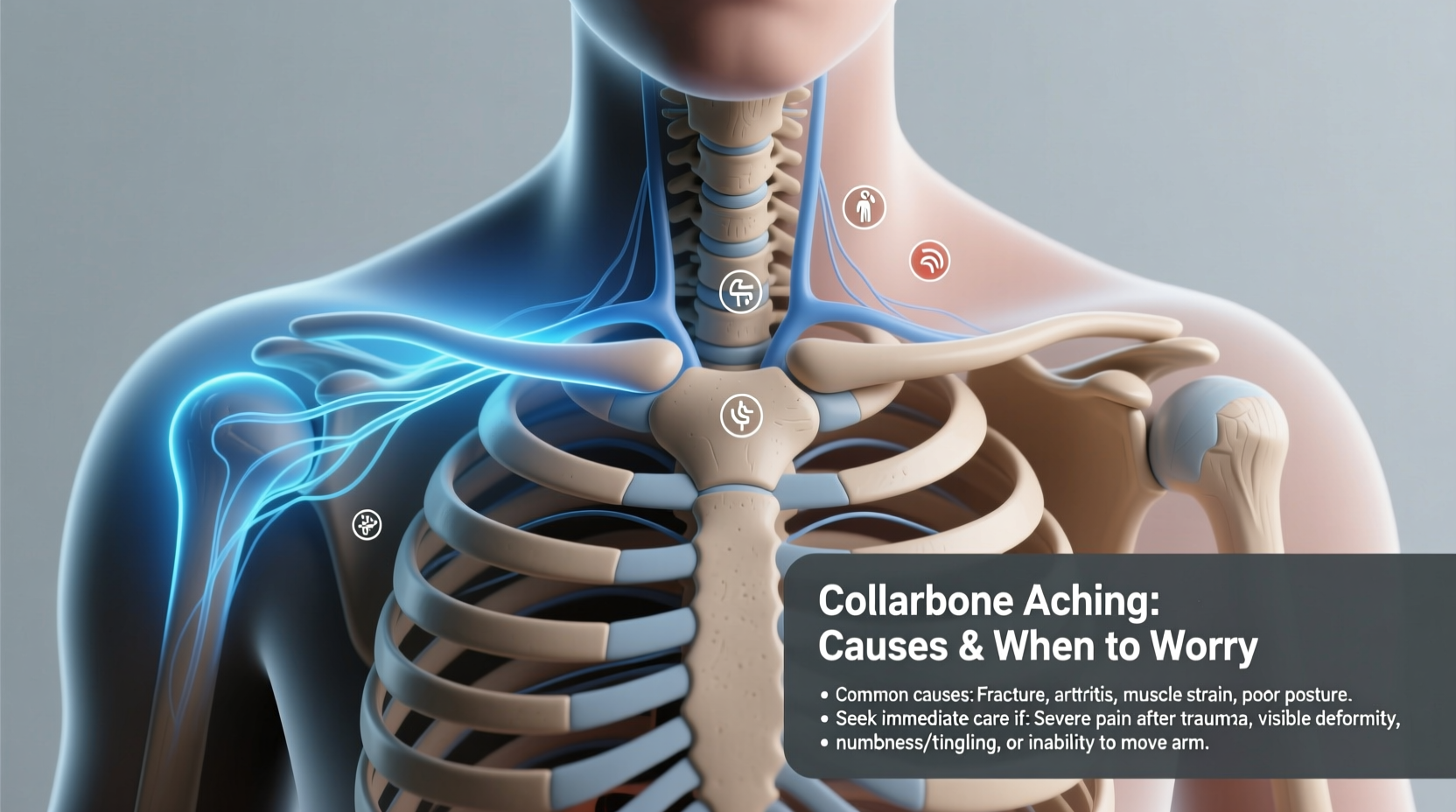
Collarbone discomfort often arises from mechanical stress, trauma, or inflammation. The most frequent causes include:
- Clavicle fractures: One of the most common bone injuries, especially among athletes and children. These typically result from falls onto the shoulder or an outstretched hand.
- Sprains or ligament injuries: The acromioclavicular (AC) joint, where the collarbone meets the shoulder, can be sprained during contact sports or sudden impacts.
- Arthritis: Osteoarthritis or inflammatory arthritis can affect the AC or sternoclavicular (SC) joints, leading to chronic aching and stiffness.
- Muscle strain: Overuse of the chest, shoulder, or upper back muscles can refer pain to the collarbone region.
- Poor posture: Prolonged slouching or forward head positioning increases tension on the clavicle and surrounding soft tissues.
In addition, repetitive motions such as lifting weights, typing, or carrying heavy bags can contribute to microtrauma and gradual onset of pain.
Tip: If you frequently carry a bag on one shoulder, alternate sides regularly to reduce strain on the collarbone and upper trapezius.Symptoms That Accompany Collarbone Aching
The nature of the pain and associated symptoms can offer clues about the underlying issue. Key indicators include:
- Dull, throbbing ache versus sharp, stabbing pain
- Pain that worsens with arm movement or pressure on the area
- Swelling, bruising, or visible deformity along the collarbone
- Clicking or popping sensations when moving the shoulder
- Numbness or tingling radiating into the arm or hand
- Limited range of motion in the shoulder or neck
A fracture may present with immediate, intense pain, swelling, and a noticeable bump or “tenting” of the skin over the break. In contrast, arthritis-related discomfort tends to develop gradually and is often worse in the morning or after prolonged use.
“Patients often mistake collarbone pain for muscle soreness, but localized tenderness and mechanical limitations should prompt further evaluation.” — Dr. Lena Patel, Orthopedic Specialist
When to Worry: Red Flags Requiring Medical Attention
While many cases of collarbone pain resolve with rest and self-care, certain symptoms indicate the need for urgent assessment:
| Symptom | Potential Concern | Action Required |
|---|---|---|
| Visible deformity or protrusion | Fracture or dislocation | Seek ER or orthopedic care immediately |
| Severe swelling or bruising | Significant trauma or internal bleeding | Medical evaluation within 24 hours |
| Numbness, coldness, or pale fingers | Vascular or nerve compression | Emergency attention needed |
| Persistent pain lasting over 2 weeks | Chronic injury or systemic condition | Consult primary care or specialist |
| Fever, chills, or redness at site | Infection or septic arthritis | Urgent medical treatment required |
Additionally, unexplained weight loss, night sweats, or fatigue accompanying collarbone pain could point to systemic issues such as infection, autoimmune disease, or malignancy—particularly lymphoma, which sometimes presents with supraclavicular node swelling.
Case Example: Recognizing a Hidden Fracture
Mark, a 34-year-old cyclist, fell during a weekend ride and landed on his right shoulder. He brushed it off, thinking he’d only bruised the area. Over the next three days, pain intensified, and he noticed a small bump near the middle of his collarbone. When he couldn’t lift his arm without severe discomfort, he visited an urgent care clinic. An X-ray revealed a non-displaced clavicle fracture. With proper immobilization and follow-up, Mark recovered fully in eight weeks—but delaying care could have led to improper healing or chronic instability.
Diagnosis and Evaluation Process
If collarbone pain persists or raises concern, healthcare providers typically follow a structured approach:
- Medical history review: Questions about recent trauma, activity levels, and pre-existing conditions.
- Physical examination: Palpation of the clavicle, assessment of range of motion, and checking for swelling, crepitus, or neurological deficits.
- Imaging studies: X-rays are standard for detecting fractures. MRI or CT scans may be used if soft tissue or joint damage is suspected.
- Additional tests: Blood work to rule out infection or inflammatory markers if systemic illness is suspected.
Early diagnosis not only guides treatment but also prevents secondary complications such as malunion (improper bone healing) or long-term joint dysfunction.
Tip: Avoid self-diagnosing based on internet research. Even minor-seeming injuries can involve structural damage best assessed by a professional.Home Care and Prevention Strategies
For mild collarbone discomfort due to strain or overuse, conservative measures often bring relief:
- Apply ice packs for 15–20 minutes every few hours during the first 48 hours.
- Use over-the-counter NSAIDs like ibuprofen to reduce pain and inflammation.
- Rest the affected arm and avoid activities that aggravate the pain.
- Wear a supportive sling if recommended by a clinician.
- Gradually reintroduce movement through gentle stretching once acute pain subsides.
Prevention focuses on strengthening supporting muscles and maintaining good biomechanics:
“Strengthening the scapular stabilizers and improving posture can significantly reduce strain on the clavicle during daily activities.” — Rachel Kim, Physical Therapist
Checklist: Managing Mild Collarbone Discomfort
- ✔️ Rest the shoulder and limit overhead movements
- ✔️ Apply ice intermittently for the first two days
- ✔️ Take NSAIDs as directed, unless contraindicated
- ✔️ Monitor for worsening symptoms (swelling, numbness, deformity)
- ✔️ Schedule a doctor’s visit if pain persists beyond 7–10 days
Frequently Asked Questions
Can sleeping on one side cause collarbone pain?
Yes. Consistently sleeping in a position that compresses the shoulder and collarbone can lead to localized tenderness and bursitis over time. Using a supportive pillow and alternating sides may help alleviate pressure.
Is collarbone pain ever related to heart problems?
Rarely, but yes. Pain from cardiac events such as a heart attack can radiate to the left shoulder, neck, and collarbone area—especially in women. If chest tightness, shortness of breath, nausea, or sweating accompany the pain, seek emergency care immediately.
How long does a collarbone injury usually take to heal?
Most clavicle fractures heal in 6 to 8 weeks in adults and 3 to 6 weeks in children. Soft tissue injuries like sprains may resolve in 2 to 4 weeks with proper care. Healing time varies based on severity and individual health factors.
Final Thoughts: Listen to Your Body
Collarbone aching is common, but it shouldn’t be ignored—especially when accompanied by alarming symptoms. While many cases stem from benign causes like muscle strain or minor trauma, timely recognition of red flags ensures appropriate intervention. Whether adjusting your workspace ergonomics, modifying exercise routines, or seeking medical advice, proactive care protects your musculoskeletal health in the long run.
💬 Have you experienced collarbone pain? Share your story or questions in the comments below—your insight could help others navigate their recovery.








