Choosing the right cat litter is more than a matter of convenience—it impacts your home’s air quality, your cat’s health, and how often you’re cleaning the box. Among the most debated options are clumping clay litters and natural pine-based litters. A common question arises: Does the pine scent in pine litter genuinely neutralize ammonia odors, or is it just masking them? The answer isn’t as simple as “yes” or “no,” but understanding the science behind odor control, absorption, and feline preferences can help you make an informed decision.
How Ammonia Odor Forms in Cat Litter
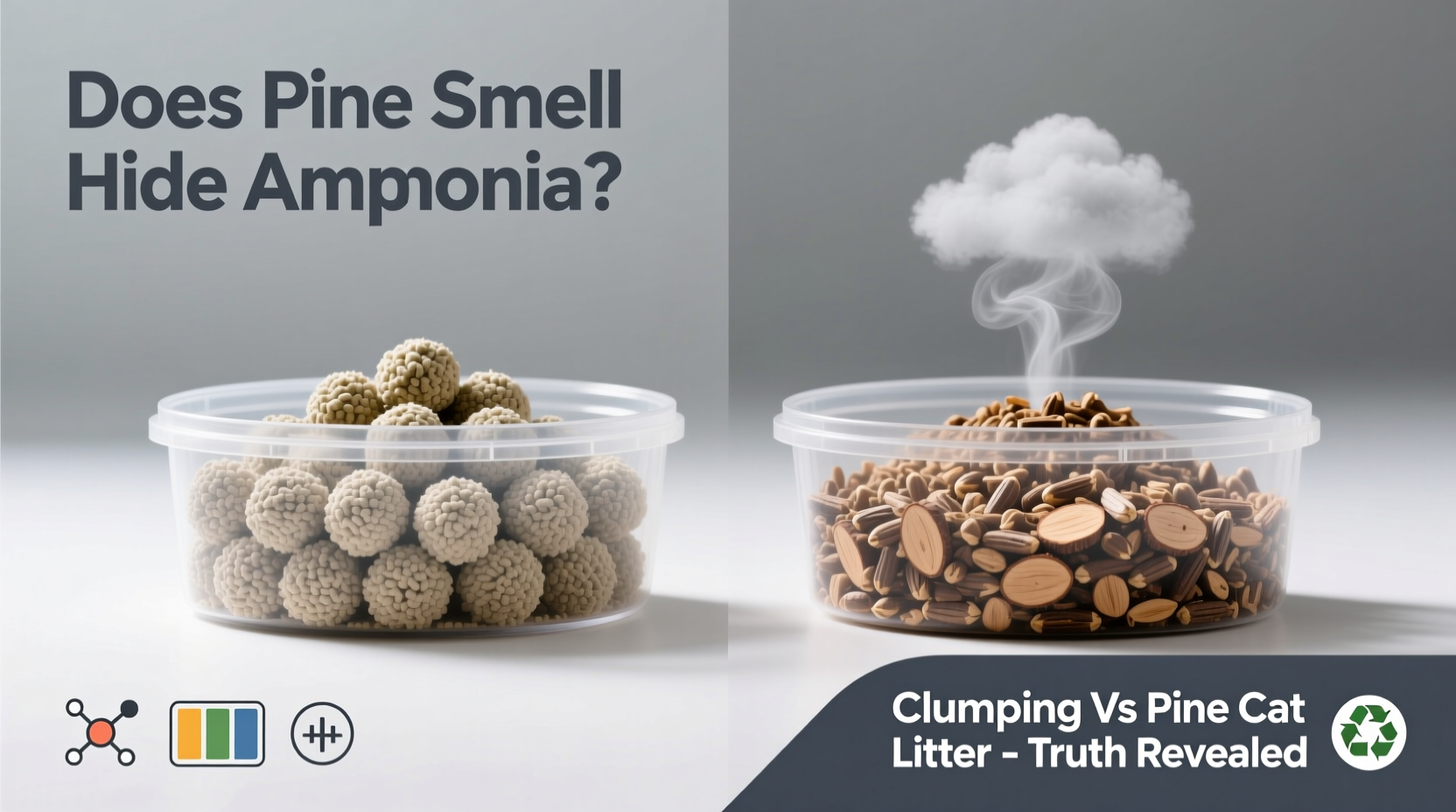
Ammonia buildup in cat litter boxes comes from the breakdown of urea in urine. When cats urinate, bacteria in the environment—especially *Proteus* species—begin converting urea into ammonia gas within hours. This process accelerates in warm, moist conditions, which is why neglected litter boxes quickly develop a pungent, eye-watering smell.
The strength of the odor depends on:
- Urine volume and frequency
- Litter’s absorbency and pH level
- Ventilation in the room
- Frequency of scooping and full changes
Traditional clumping litters often use chemical fragrances to mask this smell. Pine litters, by contrast, rely on natural wood properties and essential oils. But do they truly combat ammonia at the molecular level?
Tip: Scoop the litter box at least once daily to disrupt bacterial activity before ammonia fully forms.Clumping Litter: Fragrance vs Function
Most commercial clumping litters are made from sodium bentonite clay, which swells when wet, forming solid clumps that trap liquid and simplify cleanup. Many brands add synthetic fragrances—often floral, oceanic, or \"clean linen\"—to disguise odors.
However, these scents don’t eliminate ammonia; they compete with it. In poorly ventilated areas or with multiple cats, the fragrance may blend with ammonia to create an even less pleasant aroma. Some cats also avoid heavily perfumed litters, leading to inappropriate elimination elsewhere.
A major concern with clay litter is dust. Bentonite produces fine particulate matter that can irritate human and feline respiratory systems. Over time, chronic exposure has been linked to upper respiratory issues in cats, especially in breeds like Persians or Scottish Folds.
Moreover, clay is strip-mined, raising environmental concerns. It’s non-renewable, non-biodegradable, and contributes to habitat destruction.
“Many cats develop aversions to scented clumping litters not because of preference, but due to nasal irritation. What smells ‘fresh’ to us can be overwhelming for them.” — Dr. Lena Patel, DVM, Feline Behavior Consultant
Pine Litter: Natural Scent or Real Deodorizer?
Pine litter is typically made from reclaimed softwood byproducts—sawdust and shavings compressed into pellets. As urine soaks in, the pellets break down, releasing a distinct pine aroma derived from natural terpenes in the wood.
Unlike artificial fragrances, pine contains compounds like alpha-pinene and limonene, which have mild antimicrobial properties. More importantly, pine litter tends to be naturally alkaline, helping to neutralize acidic components in urine and slow ammonia release.
But here's the key: The pine scent doesn’t just mask ammonia—it helps suppress its formation. When urine hits pine pellets, two things happen:
- The wood absorbs liquid rapidly, reducing surface moisture where bacteria thrive.
- The breakdown process generates heat and releases volatile organic compounds (VOCs) from pine oil, which inhibit bacterial growth temporarily.
This dual action means that while you still smell pine after use, the underlying ammonia is delayed—not merely hidden. Users often report that even after several days, the dominant odor remains woody rather than acrid, especially in single-cat households with consistent scooping.
Limitations of Pine Litter
Pine litter isn’t a magic solution. Its effectiveness diminishes under certain conditions:
- Multiple cats: Higher urine load overwhelms absorption capacity.
- Infrequent cleaning: Once saturated, pellets disintegrate into sawdust, losing structural integrity.
- Hard water or high pH urine: Some cats produce more alkaline urine, which reduces the buffering effect.
Additionally, pine litter doesn’t form tight clumps like clay. Solid waste must be removed manually, and the entire box needs changing every 2–4 weeks, depending on usage.
Comparative Analysis: Clumping vs Pine Litter
| Feature | Clumping Clay Litter | Pine Litter |
|---|---|---|
| Odor Control Method | Chemical masking with synthetic fragrances | Natural neutralization via wood chemistry and mild antimicrobials |
| Ammonia Suppression | Low – odor returns quickly if not scooped | Moderate to high – delays ammonia formation |
| Dust Level | High – potential respiratory risk | Very low – safe for sensitive cats |
| Environmental Impact | Non-renewable, strip-mined, not biodegradable | Biodegradable, made from sustainable byproducts |
| Tracking | Moderate – fine granules stick to paws | Low – larger pellets less likely to scatter |
| Cleanup Frequency | Scoop daily, change monthly | Scoop solids, full change every 2–4 weeks |
Real-World Example: One Home, Two Litters
Sarah, a cat owner in Portland, switched from scented clumping litter to pine pellets after her 12-year-old tabby, Milo, began sneezing and avoiding the box. She suspected allergies but wasn’t sure what was causing them.
For two weeks, she used a popular lavender-scented clumping brand. Despite daily scooping, the bathroom developed a sharp, chemical-tinged odor by day three. Milo urinated beside the box twice.
She then transitioned to an unscented pine pellet litter. The first few days were adjustment-heavy—Milo pawed at the pellets curiously—but by day five, he was using it consistently. After ten days, Sarah noticed the bathroom smelled faintly of fresh-cut wood, even though she only scooped every other day. No sneezing, no avoidance.
“It’s not that the pine eliminates all smell,” she said. “It’s that the smell that remains is natural and not overwhelming. And Milo seems healthier.”
This case illustrates a broader trend: many odor problems stem not from urine itself, but from litter additives and poor compatibility with the cat’s physiology.
Tip: When switching litters, mix old and new gradually over 7–10 days to ease the transition and monitor behavior.Step-by-Step Guide to Maximizing Odor Control
Regardless of which litter you choose, proper maintenance amplifies its effectiveness. Follow this routine to minimize ammonia and maintain a clean-smelling home:
- Choose the right box location: Place the litter box in a well-ventilated area away from humidity (like bathrooms without exhaust fans).
- Use one box per cat plus one extra: Reduces competition and spreading of waste across multiple sites.
- Scoop daily: Remove solids and soaked pellets/clumps every morning or evening.
- Deep clean monthly (or as needed): Empty the box completely, wash with mild soap and water (never ammonia-based cleaners), and dry thoroughly before refilling.
- Add a carbon filter or litter box hood: Helps contain airborne particles and VOCs.
- Monitor your cat’s urine pH: If your cat frequently produces strong ammonia smells, consult your vet—this could indicate dehydration or urinary tract issues.
Frequently Asked Questions
Does pine litter work for multiple cats?
Yes, but with caveats. Pine litter can handle multiple cats if you scoop solids daily and replace the entire batch every 2–3 weeks. In homes with three or more cats, consider using two boxes and rotating deep cleans weekly to prevent saturation.
Is the pine scent harmful to cats?
No—natural pine oil in litter is not toxic in the concentrations released. However, avoid litters with added essential oils or artificial fragrances, as these can irritate sensitive respiratory systems. Always opt for 100% natural, untreated pine pellets.
Why does my pine litter sometimes smell musty instead of piney?
A musty odor usually indicates moisture buildup and microbial growth. This happens when the litter hasn’t been scooped regularly or the box is in a damp location. Replace the litter immediately and ensure the area is dry. Consider adding a moisture-absorbing mat beneath the box.
Checklist: Choosing Between Clumping and Pine Litter
Use this checklist to determine the best fit for your household:
- ☐ Do you prefer convenience and fast clump removal? → Lean toward clumping.
- ☐ Are you concerned about dust and respiratory health? → Pine is safer.
- ☐ Do you want an eco-friendly, biodegradable option? → Choose pine.
- ☐ Do you have multiple cats producing heavy urine output? → Clumping may offer better short-term control.
- ☐ Is your cat sensitive to scents or showing signs of litter box avoidance? → Try unscented pine.
- ☐ Are you willing to do full litter changes every few weeks instead of spot-cleaning? → Pine requires this commitment.
- ☐ Do you live in a humid climate? → Ensure pine litter is kept in a dry space to prevent mold.
Conclusion: Smell Matters—But So Does Science
The pine scent in natural cat litter does more than cover up ammonia—it actively slows its development through natural chemistry and superior moisture management. While it doesn’t eliminate odor entirely, it offers a healthier, more sustainable alternative to chemically masked clumping litters.
Ultimately, the best litter balances effectiveness, safety, and compatibility with your cat’s habits. If your goal is long-term wellness over quick fixes, pine litter deserves serious consideration. And if you’ve dismissed it in the past based on a single trial, reconsider with better maintenance practices and a gradual transition.
💬 Have you tried both clumping and pine litter? Share your experience below—your insights could help another cat owner make a smarter, healthier choice.








