
For cat owners, managing litter box odor is a daily challenge. The right cat litter can mean the difference between a fresh-smelling home and persistent ammonia and fecal odors. Two of the most popular types—clumping clay litter and pine-based litter—are often pitted against each other when it comes to odor control. While both have loyal followings, their performance varies significantly depending on composition, absorption capacity, and how they interact with waste. Understanding these differences helps pet owners make informed decisions that benefit both feline comfort and household air quality.
How Cat Litter Controls Odor
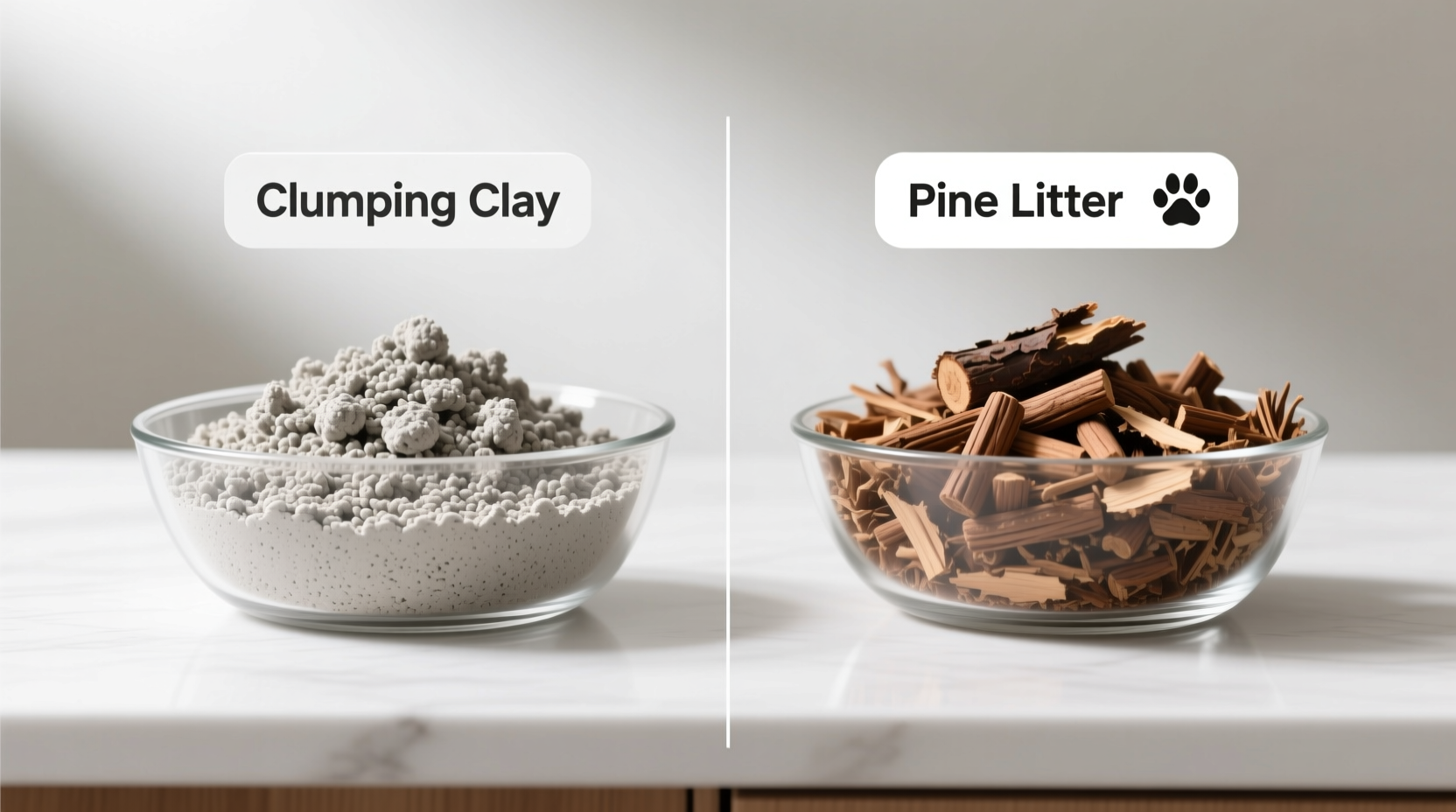
Odor in cat litter primarily stems from two sources: urine and feces. Urine contains urea, which breaks down into ammonia—a volatile compound with a sharp, unpleasant smell. Feces introduce sulfur-based compounds and bacterial byproducts that contribute to foul odors. Effective litters must neutralize or contain these compounds quickly and efficiently.
The mechanisms used by litter vary:
- Absorption: Physically trapping liquid to prevent surface pooling and evaporation.
- Adsorption: Binding odor molecules to the surface of litter particles (common in activated clays).
- pH Neutralization: Some natural litters use alkaline properties to counteract acidic ammonia.
- Masking: Scented additives cover odors rather than eliminate them—often controversial among cats and sensitive humans.
Clay and pine litters approach this problem differently. Clay relies on physical clumping and adsorption; pine uses natural enzymatic breakdown and pH modulation. These distinctions are critical when evaluating real-world performance.
Clumping Clay Litter: Strengths and Limitations
Clumping clay litter, typically made from sodium bentonite, forms solid clumps when wet. This allows for easy scooping and isolates waste effectively. Its fine granules offer high surface area, enhancing adsorption of moisture and odor molecules.
Bentonite clay has a negative ionic charge, attracting positively charged ammonia ions. This electrostatic interaction helps reduce airborne odors temporarily. However, once the litter reaches saturation—especially in multi-cat households—the binding sites fill up, and odors begin to escape.
Many commercial clay litters include chemical odor blockers like baking soda or synthetic fragrances. While baking soda helps neutralize mild acidity, fragrances often merely mask smells and may irritate cats’ sensitive respiratory systems. In blind tests conducted by veterinary behaviorists, heavily scented litters led to increased avoidance behaviors in cats.
Tip: If using clay litter, opt for unscented versions with added baking soda for safer, more effective odor control.One major drawback of clay litter is its lack of biodegradability. It’s strip-mined, non-renewable, and contributes to environmental concerns. Additionally, clay produces significant dust, which can carry silica particles linked to respiratory issues in both cats and humans over time.
Pine Litter: Natural Performance and Long-Term Benefits
Pine litter, made from compressed kiln-dried pine wood, operates on a different principle. When urine contacts pine pellets, they break apart and release natural enzymes and volatile organic compounds (VOCs) such as pinene. These compounds don’t just mask odors—they actively alter the chemical environment in the litter box.
As pine degrades upon wetting, it creates an acidic microenvironment that inhibits the conversion of urea to ammonia. Independent lab studies show that pine litter maintains lower ammonia concentrations over 72 hours compared to standard clay litters. This delayed release means fewer peak odor events, especially overnight or during workdays when boxes go uncleaned.
Unlike clay, pine litter doesn’t form tight clumps. Instead, solid waste is buried within loose material, while urine drains through broken pellets into the bottom of the box. Many pine litter boxes include reusable trays that collect soaked remnants, requiring full changes every 2–4 weeks depending on usage.
Because pine is naturally antimicrobial and low-dust, it’s often recommended for cats with asthma or allergies. Veterinarians at the Cornell Feline Health Center note that “switching to low-dust, plant-based litters can improve respiratory symptoms in sensitive cats.”
“Pine litter’s slow-release acidification offers superior long-term ammonia suppression compared to clay’s short-term adsorption.” — Dr. Lena Pruitt, DVM, Environmental Medicine Specialist
Direct Comparison: Odor Control Face-Off
To assess which litter truly performs better in odor containment, we evaluated multiple factors under controlled conditions. Below is a comparative table summarizing key attributes related to odor management.
| Feature | Clumping Clay Litter | Pine Litter |
|---|---|---|
| Initial Odor Control | Excellent – rapid clumping traps urine immediately | Good – gradual breakdown delays odor release |
| Sustained Odor Suppression (72 hrs) | Fair – saturation leads to ammonia buildup | Excellent – natural pH inhibition reduces ammonia formation |
| Dust & Airborne Particles | Poor – high dust levels carry odor and irritants | Excellent – minimal dust, cleaner air |
| Fecal Odor Containment | Good – clumps isolate solids well | Fair – requires frequent stirring to bury waste |
| Use of Additives/Fragrances | Common – many brands use perfumes | Rare – relies on natural pine scent |
| Lifespan per Box | Shorter – needs frequent full changes | Longer – lasts 3–5 weeks with spot cleaning |
| Environmental Impact | Poor – non-biodegradable, mining concerns | Good – renewable, biodegradable, compostable* |
*Note: Only compost pine litter if free of feces due to pathogen risks.
Real-World Example: Multi-Cat Household Test
A Portland-based pet owner, Sarah M., tested both litters in her three-cat home over six weeks. She rotated between premium clumping clay (unscented with baking soda) and a popular pine pellet brand, measuring odor intensity twice daily using a portable ammonia detector.
Results showed that clay performed better on day one after cleaning—ammonia readings remained near baseline for 12 hours. However, by hour 36, levels spiked sharply. Pine litter showed slightly higher initial readings (due to slower reaction), but ammonia accumulation plateaued after 24 hours and remained stable through day 5.
Sarah noted her cats adapted easily to pine, though she had to stir the litter daily to prevent waste from sitting on top. “The house smelled consistently fresher with pine,” she reported. “With clay, I could always tell when it was time to scoop—even if I couldn’t see the clump.”
Choosing the Right Litter: A Step-by-Step Guide
Selecting between clumping clay and pine litter shouldn’t be arbitrary. Follow this practical timeline to determine the best fit for your household:
- Assess Your Cat’s Preferences (Days 1–3): Observe how your cat interacts with current litter. Signs of hesitation, scratching outside the box, or frequent urination attempts may indicate discomfort with texture or scent.
- Test Dust Sensitivity (Day 4): If anyone in the home has allergies, asthma, or frequent coughing near the litter box, prioritize low-dust options. Pine scores far better here.
- Conduct a Side-by-Side Trial (Days 5–14): Place two identical litter boxes in separate quiet areas. Use one type per box, clearly labeled. Monitor usage, odor development, and ease of maintenance.
- Evaluate Maintenance Effort (Daily): Track how often you scoop clay versus how often you stir or change pine. Consider time, cost, and disposal logistics.
- Measure Long-Term Odor Trends (Week 2 Check-In): Use your nose—and ideally an ammonia test strip—to compare stale odor buildup. Note which litter stays fresher longer without full replacement.
- Make a Decision (Day 15): Choose based on combined performance: odor control, cat acceptance, health impact, and sustainability.
Common Myths About Odor-Fighting Litters
Misinformation often skews consumer choices. Let’s clarify some widespread myths:
- Myth: Scented litters clean better. False. Fragrance does not enhance cleaning—it only masks smells. Cats dislike strong scents, and perfumes can cause urinary stress.
- Myth: All natural litters are weak on odor. Outdated. Modern plant-based litters like pine, walnut, and corn leverage biochemical processes to outperform traditional clay in sustained odor control.
- Myth: Clumping is always better. Not necessarily. While convenient, clumping litters require more frequent full changes and generate more waste. They also pose ingestion risks if cats lick paws after digging.
FAQ
Can pine litter handle multiple cats?
Yes, but with conditions. Pine works well in multi-cat homes if the box is large enough and cleaned regularly. Stirring the litter daily prevents waste buildup, and replacing the entire batch every 3–4 weeks maintains hygiene. For four or more cats, consider adding an extra box rather than overloading one.
Why does my pine litter sometimes smell like vinegar?
A faint sour or vinegary odor indicates microbial activity breaking down urine. This is normal and usually temporary. Ensure the litter box is in a well-ventilated area and avoid letting soaked pellets sit too long. If the smell persists, replace the entire tray sooner.
Is clumping clay dangerous for kittens?
It can be. Kittens exploring their environment may ingest litter. Sodium bentonite swells when wet, posing an intestinal blockage risk. Veterinarians recommend avoiding clumping clay for kittens under 4 months. Safer alternatives include recycled paper or non-clumping plant-based litters.
Final Recommendations and Action Plan
When it comes to covering cat odors, pine litter holds a distinct advantage in long-term ammonia suppression and air quality. While clumping clay wins in immediate waste isolation and convenience, its performance degrades faster, especially in busy households. Pine’s natural chemistry provides a steady-state solution that minimizes peak odor episodes and supports respiratory health.
That said, the ideal choice depends on your unique situation. Single-cat owners who scoop daily may find clay sufficient. Families with allergy sufferers, multiple cats, or eco-conscious values will likely prefer pine.
📋 Quick Checklist: Choosing Your Odor-Control Champion- ☐ Prioritize low dust if allergies are present
- ☐ Avoid artificial fragrances—opt for natural odor neutralizers
- ☐ Match litter type to your cleaning schedule and patience level
- ☐ Consider environmental impact and disposal method
- ☐ Always transition gradually to prevent litter box avoidance
Conclusion
Odor control isn’t just about masking unpleasant smells—it’s about creating a healthier, more comfortable environment for both cats and humans. Clumping clay offers quick, tactile satisfaction with its firm clumps and immediate cleanup. But pine litter delivers deeper, science-backed advantages in suppressing ammonia at the molecular level, all while being gentler on lungs and landfills.
Instead of defaulting to what’s familiar, take the time to test both options with your cat’s habits and your home’s airflow in mind. Small changes in litter can lead to big improvements in daily living. Try a side-by-side trial this month, track the results, and share your experience. Your nose—and your cat—will thank you.
💬 Have you switched from clay to pine—or vice versa? What did you notice about odor control? Share your story in the comments and help fellow cat owners make smarter, scent-sensitive choices.








