
Cloudy aquarium water is one of the most common frustrations for fishkeepers, both beginners and experienced alike. While it may not always signal danger, persistent cloudiness can stress fish, reduce oxygen levels, and indicate underlying imbalances in your tank’s ecosystem. Understanding what’s causing the murkiness—whether bacterial bloom, excess nutrients, or mechanical debris—is the first step toward restoring crystal-clear water. This guide breaks down the root causes, offers practical solutions, and provides a clear action plan to prevent future issues.
Understanding the Types of Cloudy Water
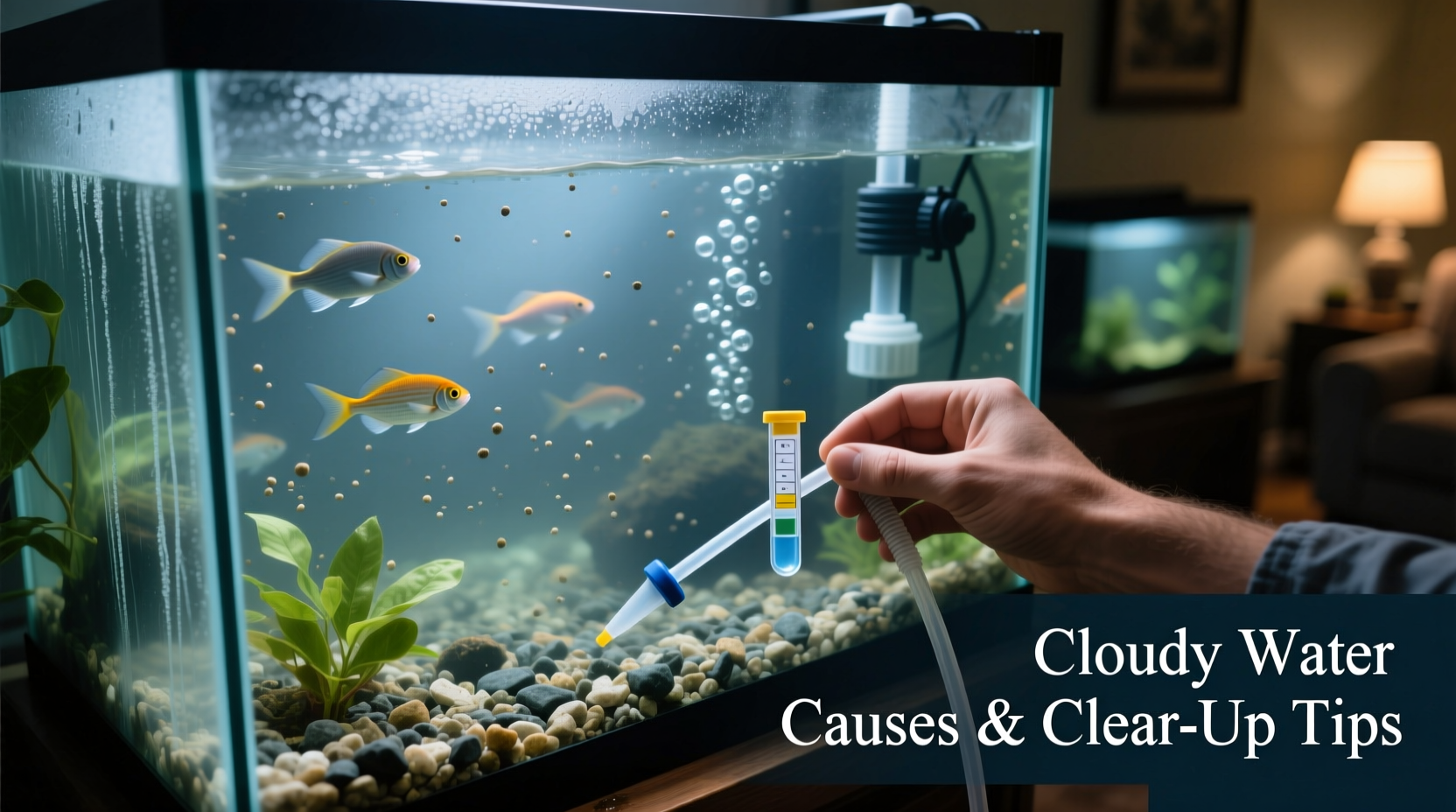
Not all cloudy water is the same. The appearance and timing of cloudiness often reveal its cause:
- White or grayish haze: Usually caused by a bacterial bloom, especially in new tanks during the nitrogen cycle.
- Green-tinted water: Caused by free-floating algae due to excess light and nutrients like nitrates and phosphates.
- Yellow or brown tint: Often results from tannins leaching from driftwood or accumulated organic waste.
- Milky particles suspended: Could be due to substrate disturbance, overfeeding, or poor filtration.
Identifying the type helps determine whether the issue is biological, chemical, or mechanical in nature.
Tip: Shine a flashlight through the water at night—if you see floating specks, it’s likely a bacterial or algal bloom.Primary Causes of Cloudy Aquarium Water
1. Bacterial Bloom in New Tanks
During the initial cycling phase, beneficial bacteria colonies are establishing themselves. A temporary spike in heterotrophic bacteria can consume excess organic matter, leading to a milky appearance. This typically resolves within 5–7 days if left undisturbed.
2. Overfeeding and Organic Waste Buildup
Uneaten food decomposes rapidly, releasing ammonia and feeding microbial growth. Fish waste and decaying plant matter contribute to nutrient overload, fueling both bacteria and algae.
3. Inadequate Filtration
Filtration systems must handle mechanical, chemical, and biological cleaning. If the filter is undersized, clogged, or lacks proper media, particulates remain suspended, and beneficial bacteria don’t colonize effectively.
4. Excess Light Exposure
Direct sunlight or extended artificial lighting promotes algae blooms. Algae reproduce quickly when combined with high phosphate levels, turning water green within days.
5. Substrate Disturbance
Gravel or sand stirred during cleaning or by digging fish can release fine particles into the water column, especially if the filter intake isn't positioned correctly.
“New tank syndrome is responsible for more than half of early aquarium failures. Patience during cycling prevents many clarity issues.” — Dr. Alan Perez, Aquatic Biologist
Step-by-Step Guide to Clear Cloudy Water
Follow this timeline-based approach depending on your situation:
- Day 1: Assess and Isolate the Cause
- Check water parameters (ammonia, nitrite, nitrate, pH).
- Determine if the tank is new (less than 4 weeks old) or established.
- Observe color and consistency of cloudiness.
- Day 2: Reduce External Inputs
- Stop feeding for 24–48 hours if overfeeding is suspected.
- Turn off lights for 24 hours if algae is the culprit.
- Block direct sunlight from entering the tank.
- Day 3: Clean and Optimize Filtration
- Rinse mechanical filter media (sponge, floss) in old tank water—never tap water (chlorine kills beneficial bacteria).
- Add activated carbon or phosphate remover if discoloration persists.
- Ensure water flow rate matches tank volume (e.g., 4x turnover per hour).
- Days 4–7: Monitor and Stabilize
- Perform a 20–30% water change every other day using dechlorinated water.
- Use a gravel vacuum to remove detritus from the substrate.
- Avoid adding new fish or chemicals unless necessary.
- Day 8+: Prevent Recurrence
- Establish a regular maintenance schedule.
- Introduce live plants to compete with algae for nutrients.
- Test water weekly to catch imbalances early.
Prevention Checklist
To maintain consistently clear water, follow this routine:
- ✅ Feed only what fish consume in 2–3 minutes, once or twice daily
- ✅ Vacuum substrate weekly during water changes
- ✅ Replace filter media as needed—but never all at once
- ✅ Limit lighting to 6–8 hours per day
- ✅ Test water weekly: ammonia (0 ppm), nitrite (0 ppm), nitrate (<40 ppm)
- ✅ Rinse new substrate thoroughly before use
- ✅ Avoid overcrowding—follow the “1 inch of fish per gallon” guideline cautiously
Do’s and Don’ts: Quick Reference Table
| Do’s | Don’ts |
|---|---|
| Perform partial water changes regularly | Never replace all filter media at once |
| Clean filter media in used tank water | Don’t overclean the tank—some biofilm is beneficial |
| Use live plants to absorb excess nutrients | Avoid placing tank in direct sunlight |
| Quarantine new fish before adding to tank | Don’t add multiple treatments or chemicals simultaneously |
| Monitor fish behavior and water clarity daily | Never use bleach or soap near aquarium equipment |
Real Example: Sarah’s 20-Gallon Community Tank
Sarah set up a 20-gallon freshwater tank with tetras, snails, and live plants. Within three days, the water turned milky white. She panicked and did a full water change, which only worsened the cloudiness. After consulting her local fish store, she learned she had interrupted the nitrogen cycle. She stopped feeding for two days, rinsed her sponge filter in old tank water, and waited. By day six, the water cleared naturally. She now tests her water weekly and feeds in moderation. Her tank has remained stable for over six months.
This case highlights a common mistake: reacting too quickly with drastic measures instead of allowing natural processes to stabilize.
FAQ
How long does it take for cloudy water to clear?
In new tanks, bacterial cloudiness usually clears within 5–10 days as the nitrogen cycle completes. Algae-related cloudiness may take 1–2 weeks to resolve with reduced light and nutrient control.
Can I use a UV sterilizer for green water?
Yes. UV sterilizers are highly effective against free-floating algae. Run it for 3–7 days continuously, then remove it or use intermittently to avoid killing beneficial microbes.
Is cloudy water dangerous to fish?
Not immediately, but prolonged cloudiness from high ammonia or low oxygen can stress or harm fish. Always test water parameters to rule out toxicity.
Final Thoughts
Clear aquarium water isn’t just about aesthetics—it reflects a balanced, healthy environment where fish thrive. Most cases of cloudiness stem from manageable causes: new tank cycling, overfeeding, poor filtration, or excessive light. With consistent maintenance, smart feeding habits, and proper filtration, you can prevent most clarity issues before they start. Remember, patience is key—especially in new setups. Nature needs time to establish equilibrium.
💬 Have a cloudy tank story or tip that worked for you? Share your experience below and help fellow aquarists keep their waters sparkling!








