
For cat owners living in apartments, managing litter box odor is more than just a matter of comfort—it's a necessity. Space is limited, ventilation can be restricted, and shared walls mean that even mild smells can become a point of tension with neighbors. One of the most debated choices in feline hygiene is whether to use a closed or open litter box. While both have their advocates, the question remains: which design actually controls odor more effectively in compact urban environments?
The answer isn't as simple as choosing one over the other. It depends on multiple factors—litter type, frequency of cleaning, airflow, and even your cat’s preferences. This article dives deep into the science and real-life performance of closed versus open litter boxes, helping you make an informed decision that keeps your apartment fresh and your pet happy.
How Litter Box Design Affects Odor Control
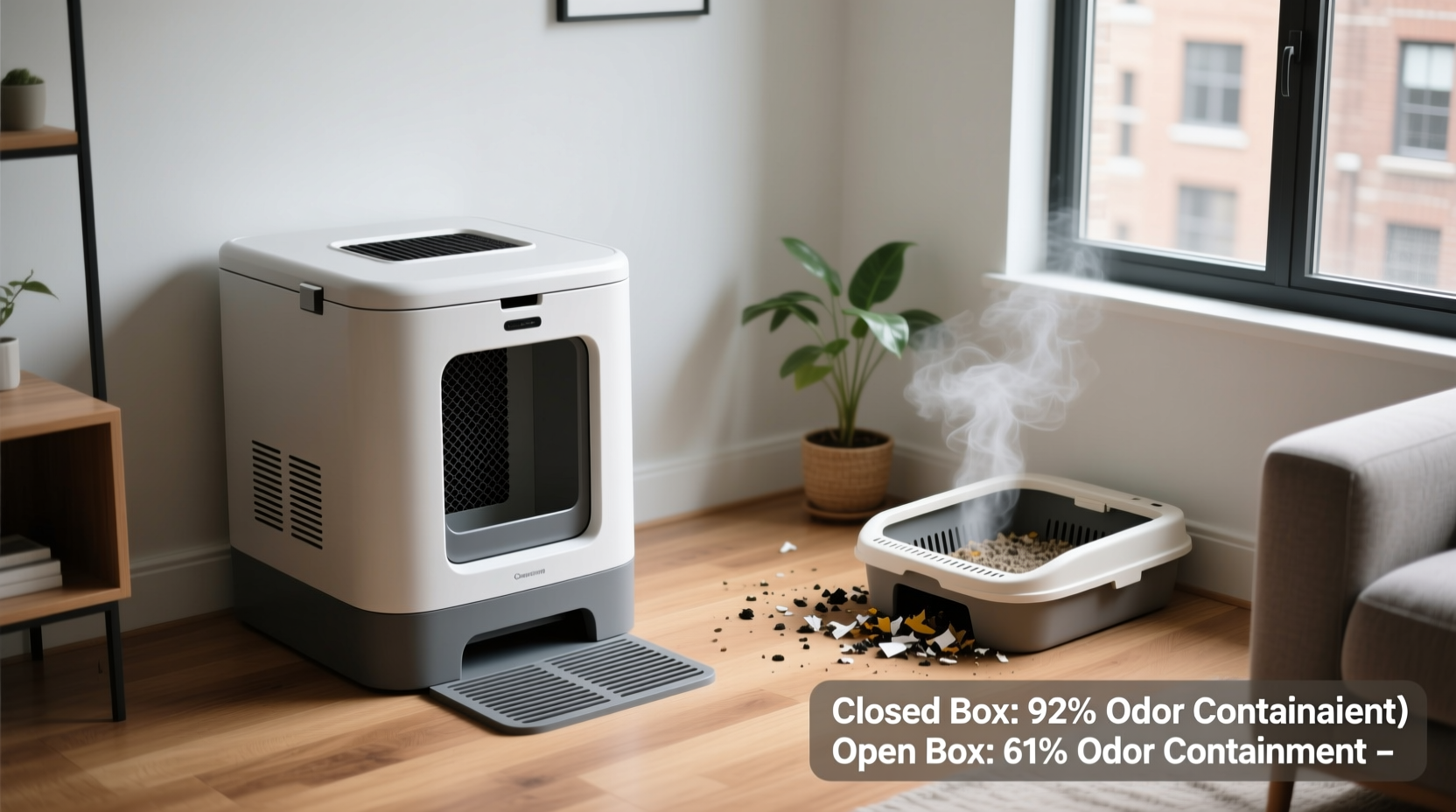
Litter box design plays a crucial role in containing and minimizing odors. The primary difference between closed and open models lies in airflow management and physical containment.
Closed litter boxes are enclosed on three or four sides, often with a hooded top and a front entry flap. This structure helps trap odors inside by limiting air circulation around the waste. Many come with built-in carbon filters or ventilation systems designed to absorb ammonia and fecal smells before they escape into the room.
Open litter boxes, on the other hand, offer no physical barrier above the litter surface. While this allows for greater airflow and easier access, it also means odors disperse more freely into the surrounding environment. However, better airflow can reduce moisture buildup and slow bacterial growth—a factor that contributes to odor development.
So while closed boxes seem superior at trapping smells initially, poor maintenance can turn them into concentrated stink chambers. Open boxes may release odors faster, but they’re less likely to harbor stagnant, accumulated smells if cleaned regularly.
Tip: Place your litter box in a well-ventilated corner, ideally near an exhaust fan or air purifier, regardless of whether it’s open or closed.Comparing Performance: Closed vs Open Boxes
To understand which model performs better in odor control, consider these key aspects:
| Feature | Closed Litter Box | Open Litter Box |
|---|---|---|
| Odor Containment (Short-Term) | High – traps smells immediately after use | Low – odors disperse quickly |
| Long-Term Smell Buildup Risk | High – especially if not cleaned daily | Low – better airflow reduces stagnation |
| Cat Accessibility | Lower – some cats dislike confined spaces | Higher – easy entry and exit |
| Dust & Tracking Control | Moderate to High – hoods reduce spread | Low – more litter kicked out |
| Cleaning Ease | Lower – harder to scoop and scrub interior | Higher – full access to all corners |
| Filtration Options | Often includes charcoal filters | Rarely has filter systems |
As shown, closed boxes excel at immediate odor suppression, making them appealing for small apartments where guests might visit or where the litter box must be placed in a shared space like a bathroom or closet. However, their advantage diminishes without diligent upkeep. In contrast, open boxes are simpler to maintain and promote healthier airflow, reducing the risk of lingering smells caused by dampness and bacterial growth.
“Enclosed litter boxes can be effective for odor control, but only when paired with high-quality clumping litter and daily scooping. Otherwise, they become odor amplifiers.” — Dr. Lena Patel, DVM, Feline Behavior Consultant
Real-World Example: Managing Odor in a Studio Apartment
Consider Maria, a resident of a 500-square-foot studio in downtown Chicago. She adopted a young male cat named Milo, who began marking territory and producing strong-smelling urine. Initially, she used an open-top litter box placed under a desk near her bed. Within days, the entire apartment carried a persistent ammonia scent, especially noticeable upon entering.
Maria switched to a top-entry closed litter box with a carbon filter. At first, the improvement was dramatic—the sharp smell disappeared almost entirely. But after two weeks of less frequent cleaning (every other day instead of daily), the box developed a sour, trapped odor that overwhelmed the room whenever opened.
She then experimented with a compromise: returning to an open box but placing it inside a ventilated cabinet with a small HEPA air purifier nearby. She also upgraded to a natural, plant-based clumping litter known for low odor. With daily scooping, the open setup performed better than either previous option—odor remained minimal, and Milo showed increased willingness to use the box consistently.
This case illustrates that while closed boxes offer short-term gains in smell containment, long-term success depends on maintenance habits and environmental support systems like air filtration.
Best Practices for Maximizing Odor Control in Apartments
No litter box is foolproof. Whether open or closed, optimal odor management requires a multi-pronged strategy. Follow this checklist to keep your space smelling clean:
- Scoop waste at least once per day—twice if you have multiple cats.
- Replace clumping litter completely every 2–3 weeks, even if it looks clean.
- Wash the litter box monthly with mild, unscented soap and warm water.
- Use odor-neutralizing litters made from corn, pine, or walnut shells.
- Avoid scented litters—they mask smells temporarily but can irritate cats’ respiratory systems.
- Place an air purifier with a carbon filter near the litter area.
- Ensure the room has adequate airflow—open windows periodically or run a fan.
- Choose a larger box to reduce overcrowding and waste concentration.
Step-by-Step: Creating a Low-Odor Litter Zone in Your Apartment
- Evaluate your space: Identify a location with good airflow, away from food areas and sleeping zones.
- Choose your box type: If privacy and immediate containment are priorities, go for a closed box. If ease of cleaning and airflow matter more, choose open.
- Select the right litter: Opt for a highly absorbent, low-dust, clumping formula with natural odor control.
- Add passive odor fighters: Install an air purifier with a HEPA + activated carbon filter within 3–5 feet of the box.
- Establish a cleaning schedule: Daily scooping, weekly spot-washing, and full litter changes every 2–3 weeks.
- Monitor your cat’s behavior: Sudden avoidance of the box may indicate odor buildup or discomfort with the enclosure.
- Adjust as needed: If smells persist despite maintenance, consider switching designs or adding a second box in a different location.
Common Misconceptions About Litter Box Odor
Several myths cloud the judgment of even experienced cat owners. Addressing these can help refine your approach:
- Myth: Closed boxes eliminate all odor. Reality: They delay dispersion but concentrate smells over time if not cleaned frequently.
- Myth: Scented litter makes the apartment smell better. Reality: Artificial fragrances often combine poorly with waste odors, creating a chemical-like stench and potentially deterring cats.
- Myth: Bigger boxes always mean more smell. Reality: Larger boxes dilute waste and reduce tracking, which actually improves overall cleanliness and odor control.
- Myth: One box is enough for any apartment. Reality: Experts recommend one box per cat plus one extra to prevent territorial issues and overuse.
Frequently Asked Questions
Do closed litter boxes really reduce smell?
Yes, but only temporarily and under strict maintenance. A closed box traps odors initially and may include features like filters or flaps that limit airborne particles. However, if not cleaned daily, the enclosed space becomes a reservoir for concentrated ammonia and bacteria, eventually releasing stronger smells than an open box would.
Can I use an open litter box in a small apartment?
Absolutely—if managed correctly. Pair the open box with high-performance clumping litter, daily scooping, and an air purifier. Position it in a discreet but ventilated area, such as a laundry closet or bathroom with an exhaust fan. Many owners find that consistent care makes an open box just as odor-controlled as a closed one, with added benefits for cat comfort.
Are there hybrid options for better odor control?
Yes. Some modern designs blend features of both types. For example, semi-enclosed boxes with removable lids allow flexibility—you can close it when guests are coming or leave it open for better airflow. Others feature side baffles or mesh covers that reduce splash and contain dust without fully enclosing the space. These hybrids offer a balanced solution for apartment dwellers seeking versatility.
Final Recommendation: It Depends on Your Routine
The choice between a closed and open litter box for odor control in an apartment ultimately hinges on your lifestyle and commitment to maintenance. If you're diligent about cleaning and want maximum initial containment, a closed box with a carbon filter can be effective. However, if you're prone to skipping a day or two between scoops, an open box in a well-ventilated area will likely result in fewer long-term odor issues.
Moreover, never underestimate your cat’s preferences. A stressed or reluctant cat may avoid a closed box altogether, leading to accidents elsewhere in your apartment—far worse for odor control than any litter box could ever be. Observe your pet’s behavior closely when introducing a new design.
In most cases, the best solution isn’t about choosing one extreme over the other. It’s about combining smart design with consistent care. Use a high-quality litter, maintain a rigorous cleaning schedule, enhance airflow, and monitor your environment. With these practices, you can confidently manage litter odor—regardless of box type.
💬 Have you found the perfect litter box setup for your apartment? Share your experience, product recommendations, or challenges in the comments below—your insight could help another cat owner breathe easier!








