Transparent or clear teeth, particularly noticeable at the bottom edges of the lower front teeth, can be both a cosmetic concern and a warning sign of underlying dental issues. While teeth are naturally semi-translucent, excessive transparency—especially along the biting edges—often indicates enamel erosion or structural changes. This condition is more common than many realize, affecting individuals across age groups, especially those with acidic diets, poor oral hygiene, or certain medical conditions. Understanding the root causes and available treatments is essential for preserving both function and aesthetics.
What Does “Clear Teeth at the Bottom” Mean?
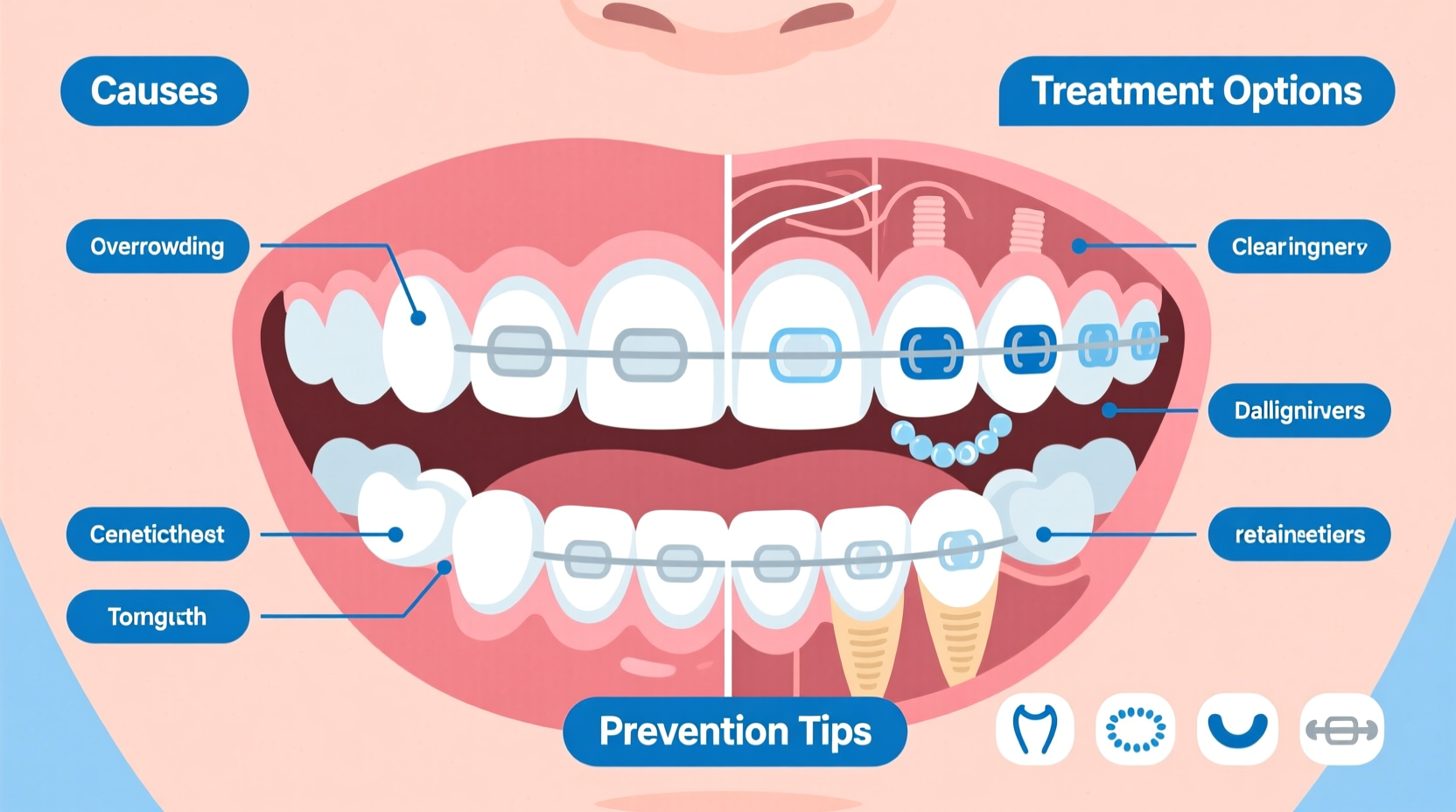
When people refer to \"clear teeth at the bottom,\" they typically mean that the lower edges of their front teeth—especially the incisors—appear glassy, translucent, or almost see-through. Unlike the milky white body of healthy enamel, these areas lose opacity and take on a waxy or transparent look. This change usually starts subtly but becomes more apparent over time, particularly when smiling or speaking.
This phenomenon is not normal wear and should not be ignored. It reflects a loss of mineral density in the enamel, often due to acid exposure or mechanical abrasion. The thinning of enamel exposes the more translucent inner layers of the tooth, leading to this visual effect.
Tip: If your teeth appear cloudy or glassy at the edges, especially when backlit, it may be early-stage enamel erosion—consult a dentist promptly.Common Causes of Transparent Lower Teeth
The development of clear teeth at the bottom is rarely due to a single factor. Instead, it's usually the result of cumulative damage from one or more interrelated causes.
1. Enamel Erosion from Acid Exposure
Dental enamel, though the hardest substance in the human body, dissolves under prolonged acid exposure. Common sources include:
- Frequent consumption of citrus fruits, sodas, sports drinks, and wine
- Acid reflux (GERD) or frequent vomiting (e.g., from bulimia or morning sickness)
- Low salivary flow, which reduces natural buffering against acids
Acidic environments soften enamel, making it vulnerable to wear even from light brushing or chewing.
2. Overbrushing and Abrasive Toothpaste
Aggressive brushing with hard-bristled toothbrushes or highly abrasive toothpastes accelerates enamel loss, especially along the gumline and biting edges. Many people mistakenly believe harder brushing leads to cleaner teeth, but it actually contributes to recession and translucency.
3. Bruxism (Teeth Grinding)
Nighttime grinding or clenching puts extreme pressure on teeth, wearing down enamel over time. This is particularly damaging to the lower front teeth, which may rub against upper teeth during lateral movements, causing thinning and transparency at the incisal edges.
4. Natural Aging and Wear
With age, enamel gradually wears down. However, accelerated wear—especially localized to the lower incisors—suggests an underlying issue rather than just aging.
5. Genetic or Developmental Factors
Some individuals have naturally thinner enamel due to genetic conditions like amelogenesis imperfecta. In such cases, transparency may appear earlier in life and progress faster without intervention.
“Translucency at the incisal edge is one of the earliest clinical signs of advanced enamel loss. Once gone, enamel doesn’t regenerate—prevention is critical.” — Dr. Lena Torres, Restorative Dentistry Specialist
Treatment Options Based on Severity
Treatment depends on how much enamel remains and whether the condition affects tooth function or sensitivity. Early detection allows for conservative management; advanced cases may require restorative procedures.
Mild Cases: Remineralization and Preventive Care
For early-stage translucency without significant structural loss:
- Use fluoride toothpaste and prescription-strength fluoride gels to strengthen remaining enamel
- Incorporate remineralizing products containing calcium phosphate (e.g., CPP-ACP)
- Reduce intake of acidic foods and wait 30 minutes after eating before brushing
- Use a soft-bristled toothbrush and proper brushing technique (45-degree angle, gentle circular motions)
Moderate Cases: Dental Bonding
If the enamel loss has created visible thinning or minor chipping, composite resin bonding can restore the edge’s shape and opacity. The procedure is minimally invasive, completed in one visit, and color-matched to adjacent teeth.
Severe Cases: Veneers or Crowns
When translucency is accompanied by significant wear, sensitivity, or aesthetic concerns, porcelain veneers or full-coverage crowns may be necessary. These restorations cover the entire front surface (veneers) or entire tooth (crowns), providing durability and a natural appearance.
| Treatment | Best For | Pros | Cons |
|---|---|---|---|
| Remineralization | Early enamel softening | Non-invasive, low cost | Limited structural restoration |
| Composite Bonding | Moderate translucency or chipping | Quick, affordable, minimal drilling | May stain or chip over time |
| Porcelain Veneers | Severe translucency, cosmetic goals | Durable, stain-resistant, natural look | Requires enamel removal, higher cost |
| Crowns | Extensive structural loss | Strongest protection | Most invasive, expensive |
Step-by-Step Guide to Managing Clear Teeth
Addressing transparent teeth requires a proactive, multi-phase approach. Follow this timeline for best results:
- Week 1–2: Assess and Adjust Habits
Track dietary acid intake, switch to a soft toothbrush, and begin using fluoride toothpaste. - Week 3: Schedule Dental Evaluation
Visit your dentist for an assessment of enamel thickness, bite analysis, and sensitivity testing. - Month 2: Begin Remineralization
Apply prescribed fluoride gel nightly and use a remineralizing mouth rinse. - Month 3: Address Contributing Factors
If bruxism is suspected, get a custom night guard. Treat GERD with a physician if applicable. - Months 4–6: Re-evaluation
Return to the dentist to assess improvement. Discuss bonding or veneers if no progress is seen.
Real-Life Example: Sarah’s Experience with Translucent Teeth
Sarah, a 32-year-old graphic designer, noticed her lower front teeth looked increasingly see-through, especially in photos. She also experienced mild sensitivity to cold drinks. After consulting her dentist, she learned that her daily habit of drinking lemon water and aggressive brushing with a hard toothbrush had worn down her enamel over five years.
Her dentist recommended switching to a soft brush, using a non-abrasive fluoride toothpaste, and applying a remineralizing gel at night. She also received a custom night guard after a sleep study revealed mild bruxism. Within four months, her sensitivity decreased significantly, and the progression of translucency halted. For aesthetic improvement, she opted for composite bonding on two teeth, restoring a natural, opaque edge.
Tip: Avoid swishing acidic drinks in your mouth—they prolong contact with enamel. Use a straw when possible.Frequently Asked Questions
Can transparent teeth be reversed?
No, lost enamel cannot regenerate. However, early-stage demineralization can be stabilized and strengthened through fluoride and remineralizing agents. Cosmetic treatments like bonding or veneers can restore appearance.
Is teeth transparency always a sign of erosion?
Most commonly, yes. While some natural translucency exists at the biting edges, widespread or progressive clarity indicates enamel thinning. Other rare causes include developmental defects or fluorosis, but these usually present with other visible changes.
Can I prevent further translucency at home?
Absolutely. Key steps include reducing acidic food/drink intake, waiting 30 minutes after eating before brushing, using fluoride products, wearing a night guard if you grind, and maintaining regular dental cleanings every six months.
Conclusion: Take Action Before It’s Too Late
Clear teeth at the bottom are not just a cosmetic flaw—they’re a signal that your enamel is under attack. Left unchecked, enamel erosion can lead to sensitivity, decay, and costly restorative work. The good news is that with early detection and consistent care, you can slow or stop the progression and preserve your natural smile.
🚀 Start today: Examine your teeth in natural light, review your diet and brushing habits, and schedule a dental check-up. Your future smile will thank you.








