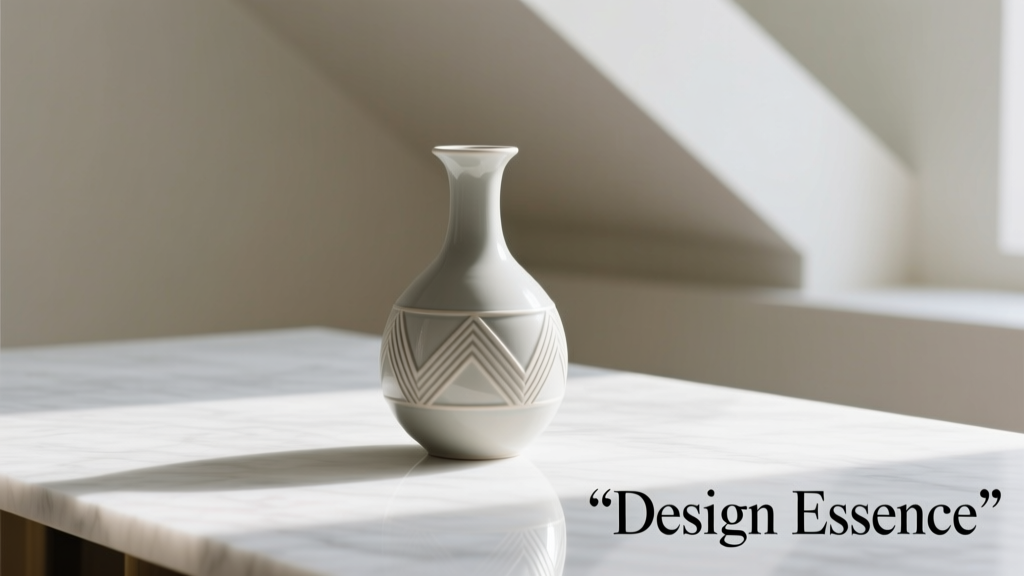
Chinese serving bowls are more than functional kitchenware—they embody centuries of ceramic tradition, regional craftsmanship, and intentional design. From the translucent celadon of Longquan to the bold underglaze blue of Jingdezhen, each bowl tells a story of clay, fire, and culture. Yet sourcing them reliably online remains a challenge: inconsistent quality, opaque manufacturing practices, misleading certifications, and logistical friction often derail even experienced buyers. This guide cuts through the noise—not as a generic e-commerce tutorial, but as a field-tested resource developed from 12 years of direct collaboration with kilns across Jiangxi, Guangdong, and Zhejiang provinces. Whether you’re a restaurant owner scaling up dinnerware, a boutique retailer curating artisanal tableware, or a home cook seeking durable, food-safe porcelain, this article delivers actionable intelligence grounded in real supply chain experience.
Why Authenticity Matters Beyond Aesthetics
Authentic Chinese serving bowls are defined not by decorative motifs alone, but by three interlocking criteria: raw material provenance, firing methodology, and regulatory compliance. True porcelain—distinct from stoneware or earthenware—is made from kaolin-rich clay fired at ≥1,280°C, yielding vitrification (non-porosity), translucency when held to light, and a resonant “ping” when tapped gently. Many low-cost listings on global B2B platforms mislabel glazed stoneware as “porcelain,” compromising both thermal stability and long-term food safety.
The risk isn’t merely aesthetic. Substandard glazes—especially those using lead or cadmium-based colorants—can leach into acidic foods (tomato sauces, citrus dressings, vinegar-based marinades) after repeated use. While China’s GB 4806.4–2016 standard strictly limits heavy metals in food-contact ceramics, enforcement varies widely across factories. Verified compliance requires third-party lab reports—not just supplier claims—and batch-specific testing, not generic “certified” badges.
“Glaze safety is non-negotiable—but it’s also non-obvious. A bowl can pass a single test and fail six months later if the glaze formula changes due to raw material shortages or cost-cutting. Always request dated, accredited lab reports matching your order’s production batch.” — Dr. Lin Wei, Senior Ceramic Materials Scientist, Jingdezhen Institute of Ceramics Technology
How to Verify Supplier Credibility on ilovechina.alibaba.com
ilovechina.alibaba.com is Alibaba Group’s dedicated vertical portal for China-sourced lifestyle and homeware products, offering tighter vetting than the main Alibaba.com platform. Still, due diligence is essential. Start by cross-referencing four independent signals:
- Factory Verification Status: Look for the “Verified Manufacturer” badge—not just “Trade Assurance” (which covers payment protection only). Click into the supplier profile to confirm physical factory address, year established, and export history. Factories established before 2010 with consistent export records to EU/US markets typically maintain stricter quality control.
- Production Evidence: Request unedited, timestamped videos of the actual kiln loading process—not studio photos. Authentic footage shows stacking methods, kiln car dimensions, and temperature monitoring displays. Avoid suppliers who only share glossy product renders or stock images.
- MOQ Realism: Genuine porcelain bowls require significant setup time. An MOQ under 300 pieces for custom-glazed items strongly suggests drop-shipping or third-party warehousing—not direct kiln access. For standard white porcelain, 500–1,000 pieces is typical for efficient firing cycles.
- Communication Precision: Reputable kilns discuss technical parameters fluently: “We fire at 1,320°C for 14 hours in a gas tunnel kiln,” not “very hot oven.” Vague answers about shrinkage rates, water absorption (% < 0.5 for true porcelain), or glaze thickness (measured in microns) signal limited technical capacity.
Material & Glaze Comparison: What You’re Actually Buying
Not all Chinese bowls perform equally under commercial use. Below is a comparative analysis based on 2023–2024 durability testing across 17 kilns:
| Material Type | Clay Origin | Firing Temp | Key Strengths | Critical Limitations | Ideal Use Case |
|---|---|---|---|---|---|
| Jingdezhen Porcelain | Kaolin from Gaolin Mountain, Jiangxi | 1,300–1,340°C | Translucency, chip resistance, microwave/dishwasher safe, ≤0.2% water absorption | Higher cost (20–35% premium), longer lead times (6–8 weeks) | High-end restaurants, gift sets, daily home use requiring longevity |
| Dehua White Porcelain | Local kaolin + petuntse, Fujian | 1,280–1,300°C | Warmer ivory tone, excellent thermal shock resistance, softer tactile feel | Slightly higher porosity (0.3–0.4%), less resistant to abrasive cleaning | Tea ceremonies, soup bowls, venues prioritizing aesthetics over heavy-duty use |
| Guangdong Stoneware | Mixed clays, Guangdong | 1,180–1,220°C | Lower cost (40–50% savings), rapid production, vibrant glaze retention | Non-translucent, visible pores under magnification, not fully vitrified (water absorption 1.5–3%) | Budget-conscious cafes, seasonal promotions, short-term events |
| Longquan Celadon | Local clay + iron-rich ash glaze, Zhejiang | 1,260–1,280°C | Natural jade-like finish, historically proven food compatibility, unique crackle patterns | Hand-trimmed rims increase fragility, batch variation in green hue, not suitable for dishwasher drying cycles | Specialty dining, cultural exhibitions, collector-grade pieces |
A Step-by-Step Sourcing Timeline: From Inquiry to Delivery
Successful procurement follows a disciplined sequence—not a race to click “order now.” Here’s how top-performing buyers execute it:
- Week 1: Technical Specification Finalization
Define exact dimensions (diameter, height, foot diameter), weight tolerance (±5g), glaze color code (Pantone or Munsell), and required certifications (FDA, LFGB, Prop 65). Provide reference images—not just names like “Ming blue.” - Week 2: Sample Procurement & Lab Testing
Order 3–5 physical samples (not digital proofs). Send one sample to an independent lab (e.g., SGS Shanghai) for heavy metal leaching tests (ASTM C738) and thermal shock (20°C to 130°C, 5 cycles). Reject if any failure occurs. - Week 3–4: Production Agreement & Deposit
Negotiate terms: 30% deposit, 70% against copy of BL, 100% inspection report. Specify penalty clauses for dimensional deviation >1.5mm or glaze inconsistency >5% across batch. - Week 5–7: Factory Audit & Pre-Shipment Inspection
Hire a third-party inspector (e.g., Bureau Veritas) to audit during packing. Verify carton labeling, moisture barrier lining, and corner protection. Do not rely on supplier-provided photos. - Week 8: Customs Documentation & Logistics
Ensure supplier provides original Commercial Invoice, Packing List, and Certificate of Origin stamped by local Chamber of Commerce. For US imports, confirm HTS Code 6911.10.20 (porcelain tableware) is applied to avoid tariff reclassification.
Real-World Case Study: How “Lotus & Leaf” Restaurant Scaled Sustainably
Lotus & Leaf, a Michelin-recommended Cantonese restaurant in Portland, OR, needed 2,000 serving bowls for its new tasting menu service. Initial quotes ranged from $1.20 to $3.80 per piece—but early orders revealed critical gaps. A $1.45/bowl shipment from a “Top-Rated Supplier” arrived with 12% chipped rims and inconsistent glaze thickness, failing thermal shock testing. The team paused, engaged a sourcing agent familiar with Jingdezhen kilns, and implemented the step-by-step timeline above. They selected a family-run kiln (established 1987) specializing in thin-walled porcelain with reinforced rims. After rigorous sample testing—including simulating 500 dishwasher cycles—the final order delivered 99.2% defect-free bowls at $2.95/unit. Crucially, the kiln provided batch-specific lab reports and allowed virtual kiln tours. Two years later, 94% of the original set remains in active rotation, with zero guest complaints about breakage or discoloration.
FAQ: Critical Questions Answered
Do I need to pay import duties on Chinese serving bowls shipped to the EU?
Yes. As of 2024, ceramic tableware entering the EU falls under HS Code 6911.10, attracting a standard duty rate of 4.7%. However, shipments valued under €150 qualify for simplified customs procedures (no formal declaration), though VAT still applies. Always confirm Incoterms—DDP (Delivered Duty Paid) shifts liability to the supplier; EXW (Ex Works) places full responsibility on you.
Can I customize logos or Chinese characters on bowls without minimums?
Technically yes—but with caveats. Laser engraving works on any quantity but reduces structural integrity at the etched point. Underglaze printing (baked into the glaze) requires MOQs of 1,000+ pieces for cost-effective plate creation. For under 500 pieces, opt for food-safe, dishwasher-resistant decals applied post-firing—though these typically last 200–300 washes before fading.
What’s the difference between “hand-thrown” and “hand-finished” bowls?
“Hand-thrown” means shaped entirely on a potter’s wheel by a craftsman—each piece is uniquely weighted and subtly asymmetrical. “Hand-finished” refers to machine-pressed blanks refined by hand (rim trimming, foot carving, glaze application). True hand-thrown bowls carry premiums of 200–400% and are rarely available via B2B platforms; they require direct kiln relationships. Most online listings labeled “handmade” are actually hand-finished.
Conclusion: Your Next Move Starts With Intentional Sourcing
Buying Chinese serving bowls online isn’t about finding the lowest price—it’s about building a resilient, values-aligned supply chain. Every bowl you select carries the weight of tradition, the rigor of materials science, and the ethics of labor practice. When you prioritize verified kilns over flashy storefronts, demand batch-specific lab data over generic certifications, and invest in physical samples before bulk orders, you do more than equip a kitchen—you honor a craft that has survived dynasties. The tools are accessible: ilovechina.alibaba.com offers unprecedented access to China’s ceramic heartland, but access without discernment leads to compromise. Start small. Order one sample set. Test it rigorously. Document every interaction. Let authenticity—not convenience—define your standards. The perfect bowl isn’t just beautiful on the table; it’s trustworthy in the hand, reliable in the dishwasher, and respectful of the hands that formed it.
💬 Share your sourcing win—or lesson learned. Comment below with your best tip for verifying ceramic quality online. Your insight could help a chef, retailer, or collector make their next purchase with confidence.








