In recent years, pet fashion has evolved from simple collars and leashes into a full-fledged expression of personal style. No longer just functional, accessories now serve as statements of taste, refinement, and the deep bond between pets and their owners. Among the most elegant additions to this growing trend is the combination of a luxury beret and a delicately designed bib—an ensemble that brings Parisian flair and aristocratic charm to even the tiniest poodle or dignified Persian cat. When styled thoughtfully, these pieces don’t just make your pet look adorable; they reflect an intentional aesthetic that blends comfort with couture.
The Rise of Elevated Pet Aesthetics
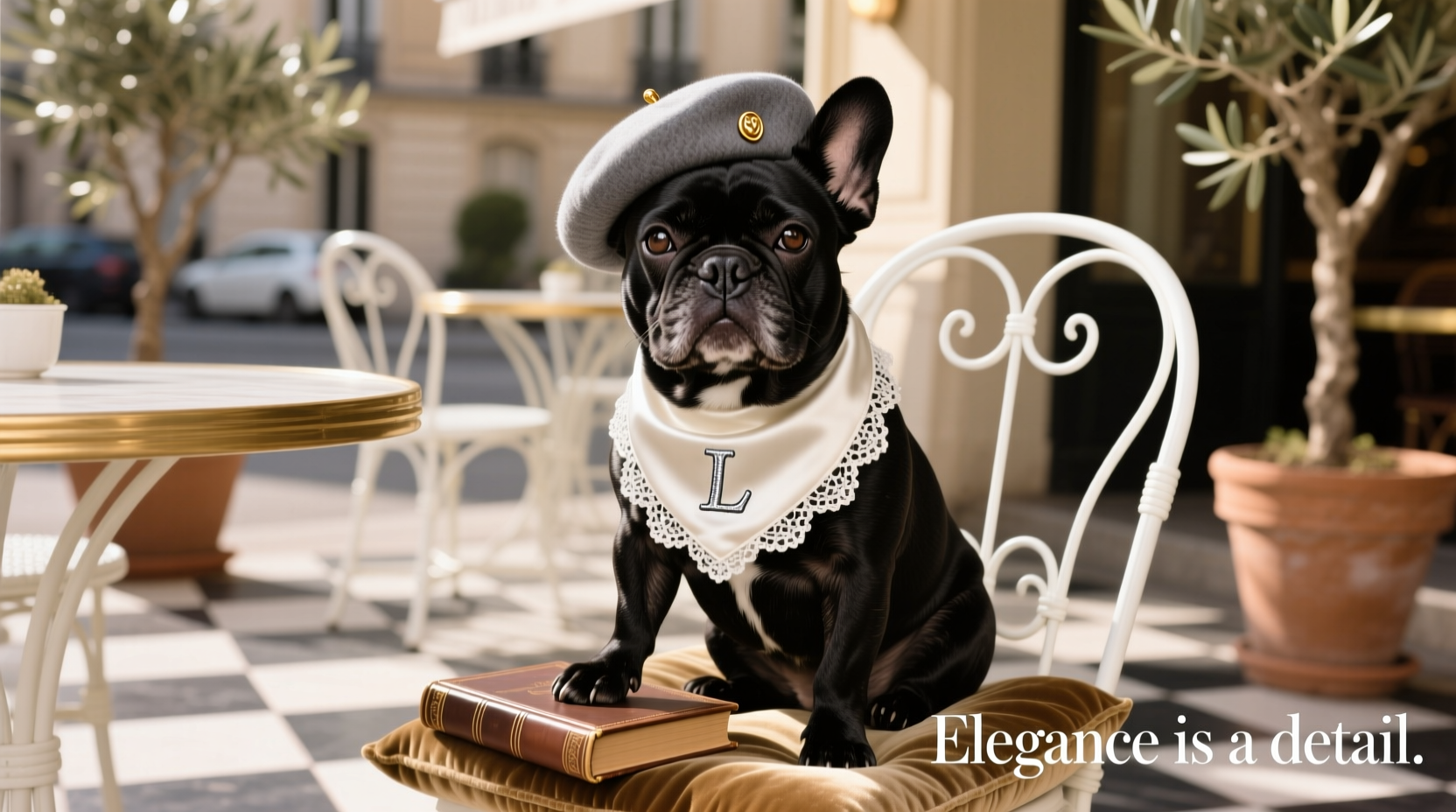
Pet fashion once revolved around utility: weather protection, identification, and safety. Today, it’s about identity. High-end designers like Gucci, Burberry, and Moschino have entered the pet accessory market, signaling a cultural shift where pets are not only family members but also lifestyle companions. The luxury beret and bib duo embodies this evolution—offering more than warmth or mess management. They represent a curated moment, a photo-ready detail, or a signature look for special occasions.
What sets the beret and bib apart is their versatility. Unlike bulky coats or flashy costumes, these accessories enhance without overwhelming. A well-chosen beret perched just above the ears adds a touch of whimsy and sophistication, while a silk or lace-trimmed bib can double as both a drool catcher and a statement piece. Together, they create a balanced visual harmony—functional yet undeniably chic.
Selecting the Right Materials and Fit
The key to elegant styling lies in material quality and proper fit. A poorly made beret will slip off or irritate your pet; a stiff or ill-fitting bib can cause discomfort. Opt for natural, breathable fabrics such as soft wool blends for berets and organic cotton, satin, or linen for bibs. These materials drape beautifully, resist pilling, and are gentle on sensitive skin.
When measuring for a beret, consider your pet’s head circumference just above the ears. The hat should sit snugly but not tightly—allowing room for ear movement, especially in breeds with upright ears like French Bulldogs or Yorkshire Terriers. For the bib, measure from the base of the neck to just below the chest, ensuring it covers the front shoulders without restricting motion.
Tip: Test the fit by letting your pet wear the accessories indoors for short intervals. Observe for signs of pawing, head shaking, or attempts to remove them—indications the fit may need adjustment.Styling Your Pet: A Step-by-Step Guide
Creating a polished look requires more than simply placing accessories on your pet. It’s about coordination, timing, and context. Follow this sequence to achieve a naturally elegant appearance:
- Begin with grooming. A clean, brushed coat ensures the outfit looks intentional. Trim any stray hairs around the face and ears for a refined silhouette.
- Introduce one accessory at a time. Start with the bib during mealtime to build positive associations. Once comfortable, add the beret during calm moments like lounging or grooming.
- Coordinate colors and textures. Match the beret to your pet’s fur tone or your own outfit for a cohesive aesthetic. A charcoal gray beret complements a silver-coated Poodle, while a blush pink bib enhances a cream-colored Persian.
- Adjust placement carefully. Position the beret slightly tilted to one side for a playful asymmetry. Secure the bib so it frames the neck without covering the chin.
- Capture the moment. Natural lighting and close-up angles highlight the details. Avoid flash photography, which can startle pets and wash out fabric textures.
Do’s and Don’ts of Luxury Pet Styling
| Do’s | Don’ts |
|---|---|
| Choose adjustable straps or elastic bands for secure, gentle fit | Use heavy embellishments that weigh down the beret |
| Wash accessories regularly using mild detergent | Leave accessories on overnight or unsupervised |
| Pair with neutral outfits to let the beret and bib shine | Force your pet to wear items if they show distress |
| Use the ensemble for photoshoots, walks, or pet-friendly events | Ignore signs of overheating in warm weather |
Real-Life Inspiration: Luna the Maltese at the Garden Soirée
Luna, a six-year-old Maltese owned by interior designer Clara Montrose, became a local sensation after attending a charity garden party adorned with a hand-knitted ivory beret and a vintage-inspired lace bib. Clara wanted Luna to complement her own 1920s-themed ensemble without overshadowing it. She selected a beret made from merino wool with a subtle pearl pin, and a detachable silk bib embroidered with tiny forget-me-nots.
“I introduced the pieces over three days,” Clara recalls. “First, I let her wear the bib with treats. Then, I placed the beret beside her favorite blanket, letting her sniff and investigate. By day three, she barely blinked when I put both on.” The result? A series of magazine-worthy photos and a standing invitation to future events. More importantly, Luna remained relaxed throughout—proof that thoughtful acclimation leads to authentic elegance.
“True pet style isn’t about forcing fashion—it’s about enhancing the animal’s natural grace with pieces that respect their comfort and personality.” — Isabelle Renard, Canine Fashion Stylist & Founder of Pawla Mode
Care and Maintenance for Longevity
Luxury accessories require care to maintain their luster. Hand-wash berets in cool water with a gentle wool shampoo, then lay flat to dry away from direct heat. Silk or satin bibs should be spot-cleaned or dry-cleaned depending on the manufacturer’s instructions. Store both in a breathable cotton bag, ideally with a sachet of lavender to deter moths without harsh chemicals.
Rotate between two or three sets to prevent wear and tear. Overuse of a single piece, especially knits, can stretch fibers and distort shape. Regular maintenance not only preserves appearance but also hygiene—important for items in constant contact with fur and saliva.
Tip: Keep a small sewing kit handy for quick repairs—replacing a loose button or securing a frayed edge can extend an accessory’s life by months.Frequently Asked Questions
Can cats wear berets and bibs too?
Yes, but with caution. Cats are more sensitive to headwear due to balance and whisker space. Opt for ultra-lightweight berets with no brim and open-back designs. Always supervise and never force. Bibs work well for long-haired cats prone to messy meals—choose soft, low-profile styles that don’t interfere with grooming.
How do I get my pet used to wearing accessories?
Start gradually. Let your pet sniff and explore the item. Reward curiosity with treats. Wear the accessory near them during calm activities. Progress to brief wearing sessions (2–5 minutes), increasing duration only if your pet shows no stress. Positive reinforcement is essential—never use coercion.
Are luxury pet accessories worth the investment?
For occasional use and special moments, yes. High-quality materials offer better comfort, durability, and aesthetics than fast-fashion alternatives. A single well-made beret or bib can last years with proper care and become a signature part of your pet’s identity.
Elevate with Intention
Styling your pet with a luxury beret and bib is not about indulgence—it’s about celebration. It’s a way to honor the joy they bring, to share their presence with pride, and to participate in a growing culture that sees animals not as accessories, but as muses. When chosen with care and worn with love, these pieces transcend trendiness. They become heirlooms, captured in photographs and remembered in stories.
💬 Have you styled your pet with a beret and bib? Share your experience, tips, or favorite brands in the comments—let’s inspire a more elegant, compassionate approach to pet fashion together.








