Winter brings crisp air, snowy walks, and holiday cheer—but it also poses real challenges for our canine companions. While some dogs thrive in the cold thanks to thick double coats, many others—especially small breeds, seniors, or those with short fur—are vulnerable to dropping temperatures. The good news? You don’t have to sacrifice style for warmth. With thoughtful planning and a few expert-backed strategies, you can keep your dog both protected from the elements and looking effortlessly chic.
Understanding Your Dog’s Cold Weather Needs
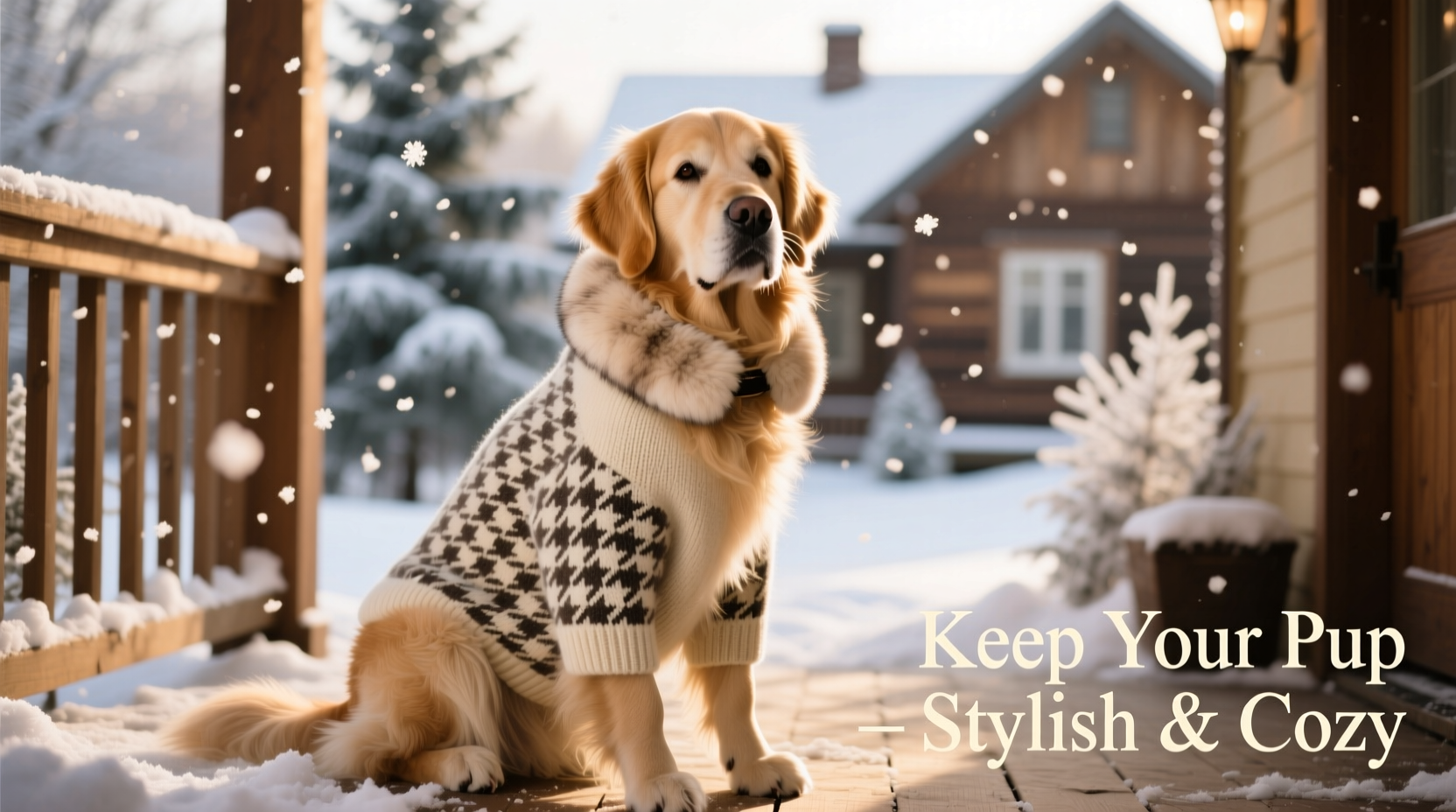
Dogs respond to cold differently based on breed, size, age, and health. A Siberian Husky may romp through snow with ease, while a Chihuahua shivers after two minutes outside. It’s essential to recognize the signs of discomfort: trembling, reluctance to walk, lifting paws, or hunched posture are all signals your dog might be too cold.
Veterinarians emphasize that core body temperature regulation is crucial. Dogs maintain an average internal temperature of 101–102.5°F (38–39°C), and prolonged exposure to freezing conditions can lead to hypothermia or frostbite, especially in extremities like ears, tail, and paws.
“Just because a dog tolerates the cold doesn’t mean they’re comfortable. Monitoring behavior and providing protection is key.” — Dr. Lena Patel, DVM, Small Animal SpecialistTip: If you're wearing a coat, your dog likely needs one too—especially if they’re under 20 pounds or have thin fur.
Choosing the Right Outerwear: Function Meets Fashion
Dog apparel has evolved far beyond basic sweaters. Today’s market offers everything from insulated parkas to water-resistant windbreakers, many designed with both performance and aesthetics in mind. When selecting outerwear, prioritize fit, material, and functionality.
- Fleece-lined jackets provide excellent insulation without restricting movement.
- Water-resistant shells are ideal for rainy or slushy conditions, protecting against dampness that accelerates heat loss.
- Reflective detailing enhances visibility during early morning or evening walks.
- High necks and full belly coverage shield vital areas from wind and snow.
Fit matters just as much as fabric. A jacket should allow full range of motion but not gap at the neck or sides. Measure your dog’s back length and girth before purchasing, and consult brand-specific sizing charts. Avoid overly tight garments that restrict breathing or circulation.
| Coat Type | Best For | Styling Tip |
|---|---|---|
| Fleece Pullover | Daily indoor/outdoor wear | Pairs well with neutral tones and denim collars |
| Insulated Parka | Sub-zero climates or long walks | Choose bold colors for visibility and flair |
| Rain Jacket | Wet, slushy conditions | Match with metallic leash hardware for a modern look |
| Vest Only | Mild cold or fashion-focused outfits | Layer over a turtleneck sweater for depth |
Accessorize for Warmth and Personality
Outerwear is only part of the equation. Thoughtful accessories elevate both comfort and style. Consider these often-overlooked essentials:
- Booties: Protect paw pads from ice, salt, and chemical deicers. Look for non-slip soles and secure ankle straps. Introduce them gradually at home to reduce resistance.
- Hoodies and beanies: Keep ears warm—especially important for dogs with erect or thin ears. Knit styles with soft linings add whimsy without bulk.
- Scarves: Use lightweight, breathable materials tied loosely for decorative effect. Never leave unattended, and avoid choking hazards.
- Thermal bedding: Heated mats or self-warming dog beds provide cozy retreats indoors. Opt for chew-resistant, low-voltage options.
Real-Life Example: Winter Walks with Milo the Pomeranian
Milo, a 5-pound Pomeranian living in upstate New York, used to dread winter walks. His owner, Sarah, noticed he’d stop every few feet, lift his paws, and whine. Concerned, she consulted her vet, who confirmed Milo was simply too cold. She invested in a fleece-lined, high-neck jacket with Velcro closures and a set of rubber-trimmed booties.
At first, Milo resisted the booties. Sarah introduced them during playtime at home with treats and praise. Within a week, he accepted them willingly. Now, Milo struts through snowdrifts in a navy-blue coat with reflective stripes, complete with a matching harness. “He looks like a tiny arctic explorer,” Sarah says. “And he actually wants to stay outside longer now.”
Step-by-Step Guide: Preparing Your Dog for Winter
Follow this seasonal checklist to ensure your dog stays warm, safe, and stylish throughout the colder months.
- Assess your dog’s cold tolerance based on breed, age, and health. Consult your vet if unsure.
- Measure for proper sizing using a soft tape measure along the back from base of neck to base of tail.
- Select 2–3 outerwear pieces suited to different conditions (e.g., light sweater, heavy coat, rain shell).
- Introduce gear gradually with positive reinforcement—never force wear.
- Inspect paws weekly for cracks, dryness, or embedded ice. Apply pet-safe balm as needed.
- Upgrade indoor bedding with heated or thermal options near draft-free zones.
- Adjust walking schedule to avoid peak cold hours; midday is often warmest.
- Monitor post-walk behavior for signs of discomfort or stiffness, especially in senior dogs.
Common Mistakes to Avoid
Even well-meaning owners can make errors when dressing their dogs for winter. Steer clear of these pitfalls:
- Overdressing: Too many layers can cause overheating, especially during active walks.
- Ignoring the paws: Salt and ice melters are harsh and potentially toxic. Protection is non-negotiable.
- Using human clothing: Human sweaters often restrict movement and lack proper cutouts for leashes.
- Leaving gear on unsupervised: Chewing, tangling, or overheating can occur if dogs are left alone in clothing.
- Skipping washes: Dirt, moisture, and bacteria accumulate. Follow garment care labels for cleaning.
Frequently Asked Questions
Do all dogs need coats in winter?
No—not every dog requires a coat. Breeds like Saint Bernards, Newfoundlands, or Alaskan Malamutes have natural insulation. However, puppies, seniors, short-haired breeds (e.g., Greyhounds, Bulldogs), and small dogs almost always benefit from added warmth below 45°F (7°C).
How do I know if my dog’s coat fits properly?
A well-fitting coat allows freedom of movement without gaps. You should be able to fit two fingers comfortably at the neck and chest openings. The hem should cover the base of the tail but not drag on the ground.
Can I use a human scarf on my dog?
It’s not recommended. Human scarves can easily slip, tangle, or be chewed. Instead, choose a pet-specific neck warmer or snood designed for safety and comfort.
Final Thoughts: Style That Serves a Purpose
Keeping your dog warm in winter isn’t about fashion trends—it’s about wellness. But there’s no reason warmth and style can’t coexist. By choosing functional, well-fitted clothing and complementing it with smart accessories and attentive care, you give your dog the best of both worlds: protection from the cold and the confidence that comes with looking great.
Think of winter gear as an extension of your dog’s personality. Whether they’re dashing through a snowstorm in a sleek black trench or lounging by the fire in a cable-knit sweater, every choice reflects your love and attention to their comfort.
💬 What’s your go-to winter outfit for your dog? Share your favorite brands, styling hacks, or暖心 moments in the comments—we’d love to see how you blend warmth and charm!








