
For many dog owners, witnessing their pet tremble during a thunderstorm or pace anxiously when left alone is deeply distressing. As interest in natural remedies grows, CBD (cannabidiol) treats have emerged as a popular option for managing canine anxiety. But do they truly work—especially for common stressors like separation anxiety and loud noises such as fireworks? While anecdotal reports are overwhelmingly positive, scientific evidence is still evolving. This article explores how CBD interacts with a dog’s body, evaluates its effectiveness for specific anxiety triggers, and provides practical guidance for safe use.
How CBD Works in Dogs
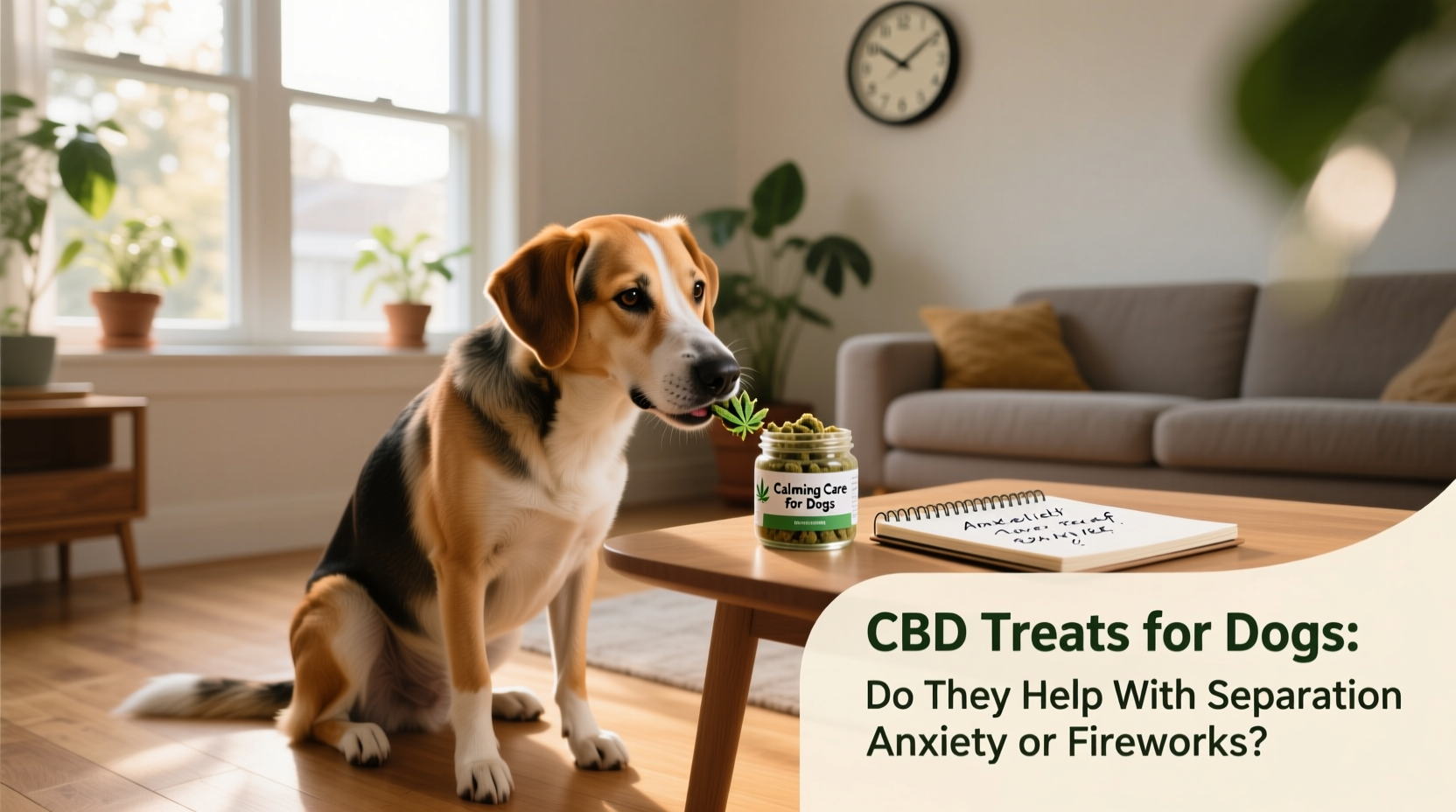
CBD is a non-psychoactive compound derived from hemp plants. Unlike THC, it does not produce a \"high.\" Instead, it interacts with the endocannabinoid system (ECS), a complex network of receptors found throughout the bodies of mammals, including dogs. The ECS helps regulate mood, sleep, pain, and immune response—functions closely tied to anxiety regulation.
In dogs, CBD primarily influences CB1 and CB2 receptors in the brain and nervous system. By modulating these receptors, CBD may help reduce overactivity in neural pathways associated with fear and stress. It also appears to increase levels of serotonin, a neurotransmitter linked to feelings of well-being—similar to how SSRIs function in humans.
“CBD shows promise in supporting emotional balance in dogs, particularly in situations involving noise phobias or mild to moderate anxiety.” — Dr. Karen Shaw Becker, Veterinary Naturopath
While research on CBD in pets is limited compared to human studies, early findings suggest it can influence anxiety-related behaviors without significant side effects when used appropriately.
Evidence for CBD in Managing Separation Anxiety
Separation anxiety affects up to 20% of dogs and manifests through destructive behavior, excessive barking, house soiling, or self-harm when left alone. Traditional treatments include behavioral training, environmental enrichment, and sometimes prescription medications like fluoxetine. However, these approaches don’t always yield quick results, prompting owners to seek faster-acting supplements.
A 2022 study published in *Frontiers in Veterinary Science* evaluated CBD’s impact on dogs with noise-induced fear but noted secondary improvements in general anxiety markers, including those related to isolation. Although not focused solely on separation anxiety, the study observed reduced panting, trembling, and restlessness in test subjects given CBD oil daily over four weeks.
Another observational report by a team at Colorado State University found that 89% of dog owners using CBD treats reported some degree of improvement in their pet’s anxious behaviors, including clinginess and vocalization when separated. Importantly, these changes were most noticeable when CBD was combined with consistent training routines.
Tip: CBD works best as part of a broader strategy. Pair treat administration with crate training, puzzle toys, or calming music to build long-term resilience.Effectiveness During Fireworks and Thunderstorms
Noise aversion is one of the most common reasons dog owners turn to CBD. Fireworks, thunder, and even construction sounds can trigger intense fear responses. In severe cases, dogs may attempt to escape, injure themselves, or suffer cardiac stress.
The advantage of CBD in these scenarios lies in its relatively fast onset—typically within 30 to 60 minutes when administered orally in treat form. Because fireworks events are often predictable (e.g., Fourth of July, New Year’s Eve), proactive dosing is feasible.
A 2020 pilot study conducted by the American Holistic Veterinary Medical Association tested CBD-infused chews on 20 dogs with diagnosed noise phobia. After receiving a standard dose two hours before exposure to recorded firework sounds, 65% of dogs showed significantly lower cortisol levels and fewer physical signs of distress (such as shaking or hiding) compared to the placebo group.
However, results varied based on dosage, product quality, and individual sensitivity. Some dogs required higher milligrams per kilogram of body weight to achieve noticeable effects, while others responded well to low doses.
| Dosage Range (mg/kg) | Reported Effect | Recommended For |
|---|---|---|
| 0.1 – 0.2 mg/kg | Mild calming, suitable for routine stress | Dogs with mild noise sensitivity |
| 0.25 – 0.5 mg/kg | Moderate anxiety reduction | Known phobias (fireworks, storms) |
| 0.5+ mg/kg | Strong sedative effect in some cases | Severe anxiety (under vet supervision) |
Choosing the Right CBD Treats: A Buyer’s Checklist
Not all CBD products are created equal. With minimal federal regulation in the pet supplement space, quality varies widely. To ensure safety and efficacy, follow this checklist before purchasing:
- Hemp Source: Choose products made from organically grown U.S. hemp to minimize pesticide exposure.
- Third-Party Testing: Look for a QR code or link to lab results verifying CBD content and absence of contaminants (heavy metals, pesticides, solvents).
- Full-Spectrum vs. Isolate: Full-spectrum CBD contains other beneficial cannabinoids and terpenes that may enhance effects (the “entourage effect”), but isolate is preferable for dogs sensitive to trace THC.
- THC Content: Must be less than 0.3% to comply with federal law and avoid toxicity in dogs.
- Clear Dosage Instructions: Products should specify milligrams of CBD per treat and recommend dosing by weight.
- Veterinary Approval: Opt for brands developed with input from veterinarians or animal pharmacologists.
Real-World Example: Max, the Firework-Fearful Beagle
Max, a 4-year-old beagle from Austin, Texas, had a history of panic attacks during summer celebrations. His owner, Sarah, described how he would howl, scratch at doors, and hide under beds whenever fireworks began—even from miles away. Conventional calming sprays and thunder shirts offered little relief.
On her vet’s recommendation, Sarah tried a veterinarian-approved CBD chew containing 4 mg of full-spectrum CBD. She gave Max the treat 45 minutes before expected fireworks on July 4th, along with turning on white noise and closing the blinds. To her surprise, Max remained alert but calm. He didn’t bark once and eventually curled up on his bed instead of bolting.
Over the next few months, Sarah used the treats during practice sessions with recorded firework sounds. With repeated exposure and consistent dosing, Max’s reaction diminished further. While not completely fearless, his baseline anxiety dropped significantly.
This case illustrates that CBD isn't a standalone cure but a valuable tool when integrated into a structured desensitization plan.
Safety and Potential Side Effects
CBD is generally well-tolerated in dogs, but potential side effects include:
- Drowsiness
- Lowered blood pressure
- Increased thirst
- Mild gastrointestinal upset (rare)
More serious concerns arise from poor-quality products. A 2021 FDA investigation found that nearly half of tested CBD pet oils contained either more or less CBD than labeled, and some included detectable levels of THC. Ingestion of THC can lead to toxicity in dogs, causing symptoms like vomiting, incoordination, and urinary incontinence.
To mitigate risk, always consult your veterinarian before starting CBD—especially if your dog is on medications like sedatives, anti-seizure drugs, or heart medications, as CBD can interfere with liver enzyme metabolism.
Step-by-Step Guide to Using CBD Treats Safely
- Consult Your Veterinarian: Discuss your dog’s medical history and rule out underlying conditions contributing to anxiety.
- Select a High-Quality Product: Use the buyer’s checklist above to choose a reputable brand.
- Start Low, Go Slow: Begin with 0.1–0.2 mg CBD per kg of body weight once daily.
- Observe for 7 Days: Monitor for changes in behavior, appetite, and energy levels.
- Adjust Dose if Needed: Increase gradually in small increments until desired effect is achieved.
- Time Administration Properly: For situational anxiety (e.g., fireworks), give the treat 30–60 minutes beforehand.
- Track Progress: Keep a journal noting triggers, timing, dosage, and behavioral outcomes.
- Combine with Behavior Support: Use positive reinforcement training, environmental management, and calming aids (e.g., Adaptil diffusers).
Frequently Asked Questions
Will CBD make my dog high?
No. CBD derived from hemp contains less than 0.3% THC, the psychoactive compound responsible for intoxication. When sourced properly, CBD treats will not impair your dog’s mental state or coordination.
How long does it take for CBD treats to work?
Most dogs show effects within 30 to 60 minutes after ingestion. Peak concentration occurs around 2–3 hours post-dose, with effects lasting 4–8 hours depending on metabolism and dosage.
Can I give my dog human CBD gummies?
No. Human CBD products may contain xylitol, chocolate, or other ingredients toxic to dogs. Always use treats specifically formulated for pets with appropriate dosing and safety testing.
Conclusion: A Promising Tool with Real Limits
CBD treats offer a promising, low-risk option for managing canine anxiety related to separation and loud noises. While not a magic solution, they can meaningfully reduce symptoms when used correctly and in conjunction with behavioral strategies. Scientific support is growing, though more large-scale clinical trials are needed to establish standardized protocols.
The key to success lies in choosing trustworthy products, starting conservatively, and viewing CBD as one component of a holistic approach to emotional wellness. Every dog responds differently—what works for one may not work for another. Patience, consistency, and professional guidance are essential.
💬 Have you tried CBD treats for your dog’s anxiety? Share your experience in the comments below—your insights could help fellow pet parents find relief for their furry companions.








