
When choosing between a cat or a dog as a companion, most people consider temperament, size, or grooming needs. But an increasingly important factor—especially for environmentally conscious households—is the ecological footprint of their pet. From food production and packaging to waste management and medical care, pets contribute to greenhouse gas emissions in ways many owners overlook. So, when it comes to sustainability, are cats really greener than dogs? Or does the answer depend on how we care for them?
This article breaks down the environmental impact of cats and dogs by analyzing key contributors to their carbon pawprint: diet, resource consumption, waste, and lifestyle habits. With data-driven comparisons, expert insights, and practical tips, you’ll gain a clear understanding of which pet aligns better with eco-conscious living—and how to minimize your furry friend’s environmental toll, regardless of species.
Diet: The Biggest Contributor to a Pet’s Carbon Pawprint
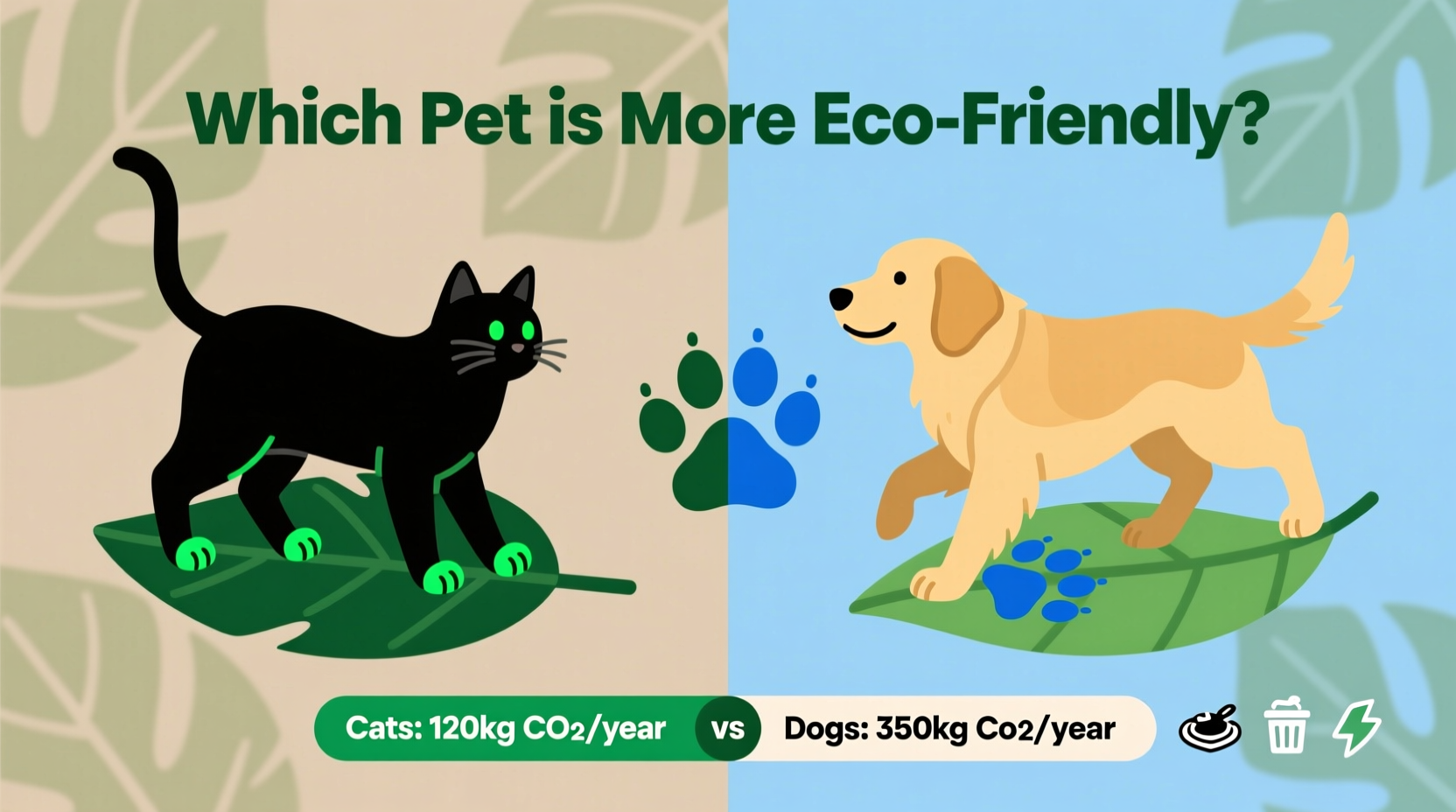
A pet’s diet is the single largest component of its environmental impact. Most commercial pet foods rely heavily on animal agriculture—a sector responsible for 14.5% of global greenhouse gas emissions, according to the Food and Agriculture Organization (FAO). The type, quantity, and sourcing of protein determine just how much CO₂ equivalent (CO₂e) your pet generates annually through feeding alone.
Dogs typically consume significantly more food than cats due to their larger size and higher energy needs. A 20kg (44lb) medium-sized dog eats roughly 200–300 grams of dry kibble per day, translating to over 70kg of food per year. In contrast, an average 4kg (9lb) cat consumes about 60–80 grams daily—around 25kg annually. That difference in volume directly correlates to greater resource use and emissions for dogs.
But it's not just about quantity. The meat content matters. High-quality dog foods often contain 20–25% animal protein, while many cat foods exceed 30%, reflecting felines’ obligate carnivore status. However, because cats eat less overall, their total meat consumption—and associated emissions—still tends to be lower.
“On a per-kilogram basis, producing beef emits 60 kg CO₂e, compared to 6 kg for chicken. What your pet eats has a massive ripple effect.” — Dr. Sarah Thompson, Environmental Scientist, University of British ColumbiaTip: Opt for pet foods that use alternative proteins like insect meal, lab-grown meat, or sustainably sourced poultry instead of beef or lamb.
Resource Consumption: Housing, Toys, and Accessories
Beyond food, pets require various goods and services that carry hidden environmental costs. Dogs generally demand more: larger beds, bigger collars, more frequent grooming supplies, and sturdier toys. They also need outdoor access or regular walks, increasing human energy expenditure (e.g., driving to parks).
Cats, especially indoor-only ones, require fewer physical accessories. A litter box, scratching post, and a few small toys can suffice. Their smaller living space needs mean they’re better suited to apartment life, reducing household energy use associated with heating and cooling larger areas.
However, cat ownership introduces one major resource drain: kitty litter. Clay-based litters are strip-mined, a process that destroys habitats and releases dust and CO₂. Even biodegradable options like corn or wheat generate agricultural emissions during farming and processing.
In contrast, dogs eliminate outdoors, eliminating the need for manufactured absorbents—but at the cost of increased walking time and potential plastic bag usage for waste pickup.
Pet Product Lifecycle Comparison
| Item | Dog (Annual) | Cat (Annual) |
|---|---|---|
| Food (kg) | 70–100 | 20–30 |
| Toys (pieces) | 8–12 | 3–5 |
| Litter (kg) | 0 | 60–100 |
| Waste Bags Used | 300–500 | 0 |
| Grooming Products | High | Low |
The table highlights a trade-off: dogs create more waste through plastic bag use and higher food intake, while cats shift the burden to litter production. Still, overall material throughput favors cats due to smaller scale and simpler care routines.
Waste Management: Biodegradability and Pollution Risk
Pet waste isn’t just a sanitation issue—it’s a climate and water pollution concern. Dog feces left on lawns or trails can leach nitrogen and pathogens into waterways. When collected in plastic bags and sent to landfills, it contributes to methane emissions, a greenhouse gas 28 times more potent than CO₂ over 100 years.
Cat waste poses different challenges. Flushing cat feces is discouraged due to *Toxoplasma gondii*, a parasite harmful to marine life. Most end up in plastic trash bags destined for landfill, where clay litter doesn’t decompose and traps organic matter in anaerobic conditions, generating methane.
Composting offers a solution—but only under strict conditions. Municipal compost facilities rarely accept pet waste, and home composting requires specialized systems to safely break down pathogens. Biodegradable poop bags help, but only if disposed of in industrial composters; otherwise, they degrade slowly in landfills.
Tip: Use certified compostable bags and check local composting programs that accept pet waste. For cats, choose plant-based, flushable litters where permitted.Medical Care and Longevity: Hidden Emissions
Veterinary care contributes to a pet’s carbon footprint through transportation, pharmaceuticals, and medical equipment. Dogs visit vets more frequently than cats—partly due to preventive care norms and partly because they’re more prone to obesity, joint issues, and chronic conditions linked to breeding practices.
Spaying/neutering, vaccinations, dental cleanings, and emergency treatments all require energy-intensive facilities and supply chains. Medications like antibiotics and heartworm preventatives involve chemical manufacturing with environmental side effects.
Lifespan also plays a role. Cats live longer on average—12 to 18 years versus 10 to 13 for dogs—meaning more cumulative vet visits. However, cats are less likely to receive intensive interventions, balancing out some of this impact. Indoor cats, in particular, have fewer accidents and infections, reducing medical needs.
Ultimately, responsible pet ownership includes preventive care, which reduces long-term environmental strain by avoiding emergency procedures and prolonged illness. Regular check-ups, proper nutrition, and weight management benefit both pet health and planetary health.
Real-Life Example: The Greenhouse Gas Footprint of Two Households
Consider two urban households:
- Household A owns a 15kg Labrador Retriever fed premium dry food with lamb and rice. The owner uses plastic bags for daily walks (365 days/year), drives to a dog park weekly, and schedules biannual vet visits plus flea treatment.
- Household B has a 4.5kg domestic shorthair cat eating grain-free wet food twice daily. The family uses clumping clay litter, changes it weekly, and makes annual vet trips. No driving is involved in pet care.
Using carbon calculators from the Journal of Cleaner Production and WWF data, the dog’s annual footprint totals approximately 1.3 tons CO₂e—equivalent to driving a car 3,200 miles. The cat’s footprint: about 0.55 tons CO₂e, or roughly half.
The primary drivers? The dog’s food volume (especially lamb, which has high emissions), plastic bag usage, and transport-related activities. The cat’s biggest contributor is litter production and the energy used in manufacturing canned food (steel cans, sterilization processes).
If Household B switched to dry food in recyclable packaging and plant-based litter, their cat’s footprint could drop to 0.4 tons. Meanwhile, Household A could reduce impact by switching to chicken-based kibble, using compostable bags, and walking locally—potentially cutting emissions by 30%.
“It’s not just species—it’s stewardship. How you feed, walk, and care for your pet determines their true environmental cost.” — Dr. Lena Patel, Sustainable Pet Advocate and Author of *The Green Pet Handbook*
Step-by-Step Guide to Reducing Your Pet’s Carbon Pawprint
Whether you own a cat, a dog, or both, these actionable steps will help minimize your pet’s environmental impact:
- Choose low-impact pet food: Select brands using chicken, turkey, or fish instead of beef or lamb. Look for certifications like “sustainably sourced” or those incorporating insect protein.
- Buy in bulk: Larger packages reduce packaging waste per serving. Store food properly to maintain freshness.
- Switch to eco-litter: Use recycled paper, wood pellets, or walnut-based litter. Avoid clay and silica products.
- Use compostable waste bags: For dogs, pick ASTM D6400-certified bioplastics. Dispose of them in industrial compost bins when possible. <5> Limit toy consumption: Rotate existing toys to keep pets engaged. Choose durable, repairable, or secondhand options.
- Walk locally: Avoid driving to parks. Explore nearby green spaces on foot.
- Adopt, don’t shop: Rescue animals reduce demand for breeding operations, which have high carbon and ethical costs.
- Keep pets healthy: Prevent obesity and disease through portion control and routine care, reducing medical resource use.
Eco-Friendly Pet Ownership Checklist
- ☑ Feed sustainable-protein pet food
- ☑ Buy food in recyclable or minimal packaging
- ☑ Use compostable poop bags or biodegradable litter
- ☑ Reduce single-use toys and accessories
- ☑ Walk pets without driving to destinations
- ☑ Schedule preventive vet care to avoid emergencies
- ☑ Spay/neuter to support population control
- ☑ Recycle old pet items or donate usable ones
Frequently Asked Questions
Are cats really better for the environment than dogs?
Generally, yes. Cats have a smaller carbon pawprint due to lower food consumption, minimal accessory needs, and no requirement for outdoor waste cleanup. However, the choice of litter and diet can significantly affect their impact. A well-managed small dog may rival a high-impact cat in sustainability.
Can I make my dog’s lifestyle eco-friendly?
Absolutely. Switching to low-emission pet food, using compostable bags, walking locally, and minimizing plastic toys can cut your dog’s footprint by up to 40%. Smaller dog breeds also naturally consume fewer resources than large ones.
Is vegan pet food a sustainable option?
For dogs, some nutritionally complete vegan diets exist and can reduce emissions by up to 50% compared to meat-based foods. However, cats require taurine and other nutrients found primarily in animal tissue, making fully plant-based diets risky without careful supplementation. Always consult a veterinarian before switching diets.
Conclusion: Making Informed, Sustainable Choices
The debate over cats vs dogs isn’t just about affection or loyalty—it’s increasingly about responsibility. While cats generally leave a lighter carbon pawprint, the real determinant of environmental impact is how we care for our pets. Every choice, from kibble to litter to veterinary habits, shapes the ecological story of pet ownership.
Sustainability doesn’t require giving up companionship. It calls for mindfulness: selecting eco-conscious products, reducing waste, and prioritizing long-term health. Whether you’re cuddling a purring kitten or throwing a ball for an eager pup, you can nurture your bond with your pet while protecting the planet they share with you.
💬 Ready to go greener with your pet? Start today by auditing one aspect of your pet’s routine—food, waste, or toys—and make one sustainable swap. Share your journey in the comments and inspire others to reduce their carbon pawprint too.








