A cat with a dripping nose can be concerning, especially if the discharge persists or worsens. While occasional nasal moisture is normal—cats often have slightly damp noses from grooming or environmental humidity—a consistently runny nose may signal an underlying health issue. Understanding the possible causes and knowing how to respond ensures your feline companion receives timely care and comfort.
Common Causes of Nasal Discharge in Cats
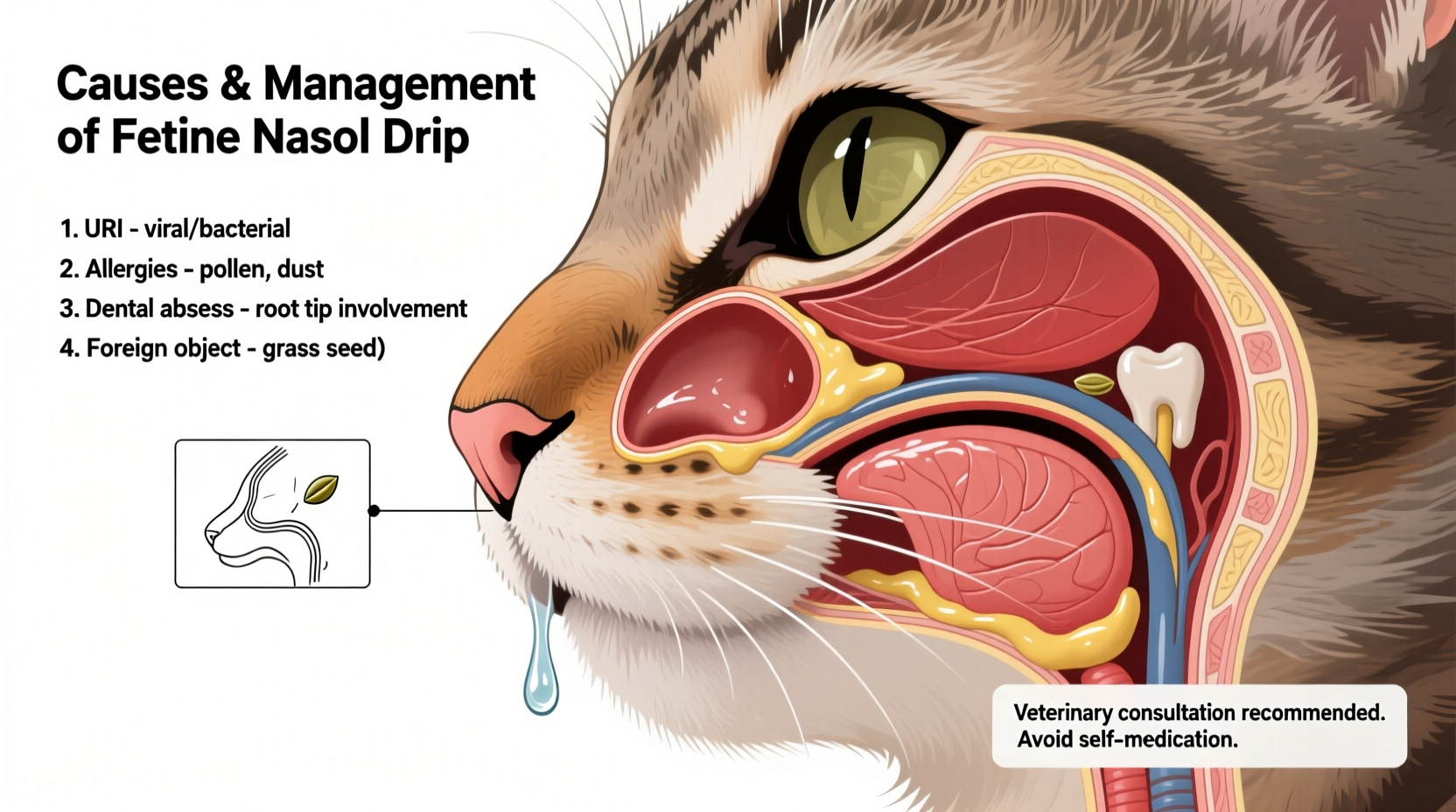
Cat nasal discharge varies in color, consistency, and frequency, each offering clues about its origin. The most frequent causes range from mild irritants to serious infections or structural issues.
- Viral Infections: Feline herpesvirus (FHV-1) and calicivirus are leading causes of upper respiratory infections (URIs). These viruses often result in clear or slightly cloudy nasal discharge, sneezing, and eye inflammation.
- Bacterial Infections: Secondary bacterial invaders like *Chlamydia felis* or *Bordetella bronchiseptica* can complicate viral URIs, producing yellow or green mucus.
- Allergies: Environmental allergens such as pollen, dust, mold, or cleaning products may trigger intermittent clear discharge without fever or lethargy.
- Nasal Foreign Bodies: Grass blades, seeds, or small debris can become lodged in the nasal passage, causing one-sided discharge and persistent sneezing.
- Dental Disease: Abscessed tooth roots, especially in the upper jaw, can extend into nasal sinuses, resulting in chronic unilateral (one-sided) discharge.
- Nasal Polyps or Tumors: Benign growths or malignant cancers in the nasal cavity often cause persistent, sometimes bloody, discharge and breathing difficulty.
- Inhalation Irritants: Smoke, strong perfumes, or household chemicals can temporarily inflame nasal passages.
When to Seek Veterinary Care
Not every runny nose requires immediate veterinary attention, but certain signs indicate urgency. Early intervention improves outcomes, particularly with progressive conditions like fungal infections or tumors.
“Persistent nasal discharge lasting more than 7–10 days, especially with other symptoms, should always be evaluated by a veterinarian.” — Dr. Lena Torres, DVM, Feline Internal Medicine Specialist
Seek professional help if your cat shows any of the following:
- Discharge that becomes yellow, green, or bloody
- Difficulty breathing or noisy respiration
- Lethargy, loss of appetite, or weight loss
- Sneezing fits, pawing at the face, or facial swelling
- One-sided nasal discharge
- Ulcers on the nose, mouth, or eyes
Diagnostic Process Your Vet May Use
To determine the root cause, veterinarians may perform several diagnostic steps:
- Physical Examination: Assessing overall health, dental condition, and lymph node size.
- Nasal Swabs: Testing for viral, bacterial, or fungal agents.
- Radiographs or CT Scans: Imaging to detect polyps, tumors, or sinus abnormalities.
- Rhinoscopy: A small camera inserted into the nasal passage to visualize obstructions or lesions.
- Blood Work: To rule out systemic illness or immune compromise.
Home Care and Supportive Measures
While medical treatment depends on diagnosis, supportive care at home can ease your cat’s discomfort during recovery.
Tip: Use a humidifier in dry environments to keep nasal passages moist and reduce irritation.- Keep the Face Clean: Gently wipe away discharge with a soft, damp cloth. Avoid alcohol or harsh cleaners.
- Encourage Eating: Cats rely heavily on smell to eat. Warm food slightly to enhance aroma if nasal congestion is present.
- Reduce Stress: Provide a quiet space away from noise and other pets. Stress can suppress immunity and prolong illness.
- Hydration Support: Offer fresh water frequently. Consider wet food to increase fluid intake.
- Avoid Irritants: Eliminate cigarette smoke, air fresheners, and dusty litter.
Real Example: Bella’s Recovery from a URI
Bella, a 3-year-old domestic shorthair, developed a clear nasal drip and mild sneezing after being introduced to a new kitten in the household. Her owner noticed she was eating less and hiding more than usual. A vet visit confirmed feline herpesvirus. Bella was prescribed antiviral eye drops, lysine supplements, and instructions for steam therapy (sitting in a bathroom during a hot shower). Within two weeks, her symptoms improved significantly. This case highlights how stress and viral exposure can combine—and why early support matters.
Do’s and Don’ts: Managing a Runny Nose in Cats
| Do’s | Don’ts |
|---|---|
| Monitor discharge color and frequency daily | Ignore symptoms lasting over a week |
| Use a warm, damp cloth to clean the nose gently | Insert cotton swabs into the nostrils |
| Offer warmed, aromatic food to stimulate appetite | Force-feed or withhold food entirely |
| Minimize environmental irritants | Use strong-scented cleaning products near litter or bedding |
| Follow veterinary treatment plans exactly | Stop medication once symptoms improve |
Step-by-Step Guide: What to Do If Your Cat Has a Dripping Nose
- Observe Symptoms: Note the duration, color, and side of discharge. Check for additional signs like coughing, eye discharge, or reduced activity.
- Check Environment: Identify potential irritants—new cleaners, litter, or air fresheners—and remove them.
- Support Comfort: Wipe the nose gently, encourage hydration, and offer favorite foods.
- Isolate if Needed: If you have multiple cats, isolate the affected one to prevent spread of infectious agents.
- Contact Your Veterinarian: Call within 24–48 hours if symptoms persist or worsen. Share detailed observations.
- Attend Appointment: Bring notes on symptom onset, diet changes, and recent stressors.
- Follow Treatment Plan: Administer medications as directed and schedule follow-ups if needed.
Frequently Asked Questions
Is a dripping nose in cats always contagious?
Not always. Allergies, dental disease, or foreign objects aren’t contagious. However, viral and bacterial upper respiratory infections can spread between cats through close contact, shared items, or aerosolized droplets.
Can I treat my cat’s runny nose at home?
Mild, clear discharge due to temporary irritation may resolve with environmental adjustments and monitoring. However, avoid giving human medications—many are toxic to cats. Only use treatments approved by your veterinarian.
Why does my cat only have discharge from one nostril?
Unilateral discharge often indicates a localized problem such as a foreign body, tooth root abscess, or nasal polyp. It requires thorough investigation by a vet, possibly including imaging.
Conclusion: Act Early, Support Fully
A dripping nose in cats is more than just a minor annoyance—it can be a window into your pet’s overall health. Whether caused by a simple irritant or a deeper medical issue, timely observation and appropriate action make all the difference. Never underestimate subtle changes in behavior or physical signs. With attentive care and partnership with your veterinarian, most cats recover fully from nasal issues. Stay vigilant, provide comfort, and prioritize wellness checks to keep your feline friend breathing easy.
💬 Has your cat experienced a runny nose? Share your experience or questions below—we’d love to hear how you helped your pet feel better.








