Watery eyes in cats can range from a temporary irritation to a sign of a serious underlying condition. While occasional tearing may be normal, persistent or excessive discharge should never be ignored. Understanding the potential causes, recognizing warning signs, and knowing when to act can make a significant difference in your cat’s comfort and long-term eye health. This guide explores the most common reasons for feline eye watering, outlines practical treatment approaches, and helps you determine when professional intervention is necessary.
Common Causes of Watery Eyes in Cats
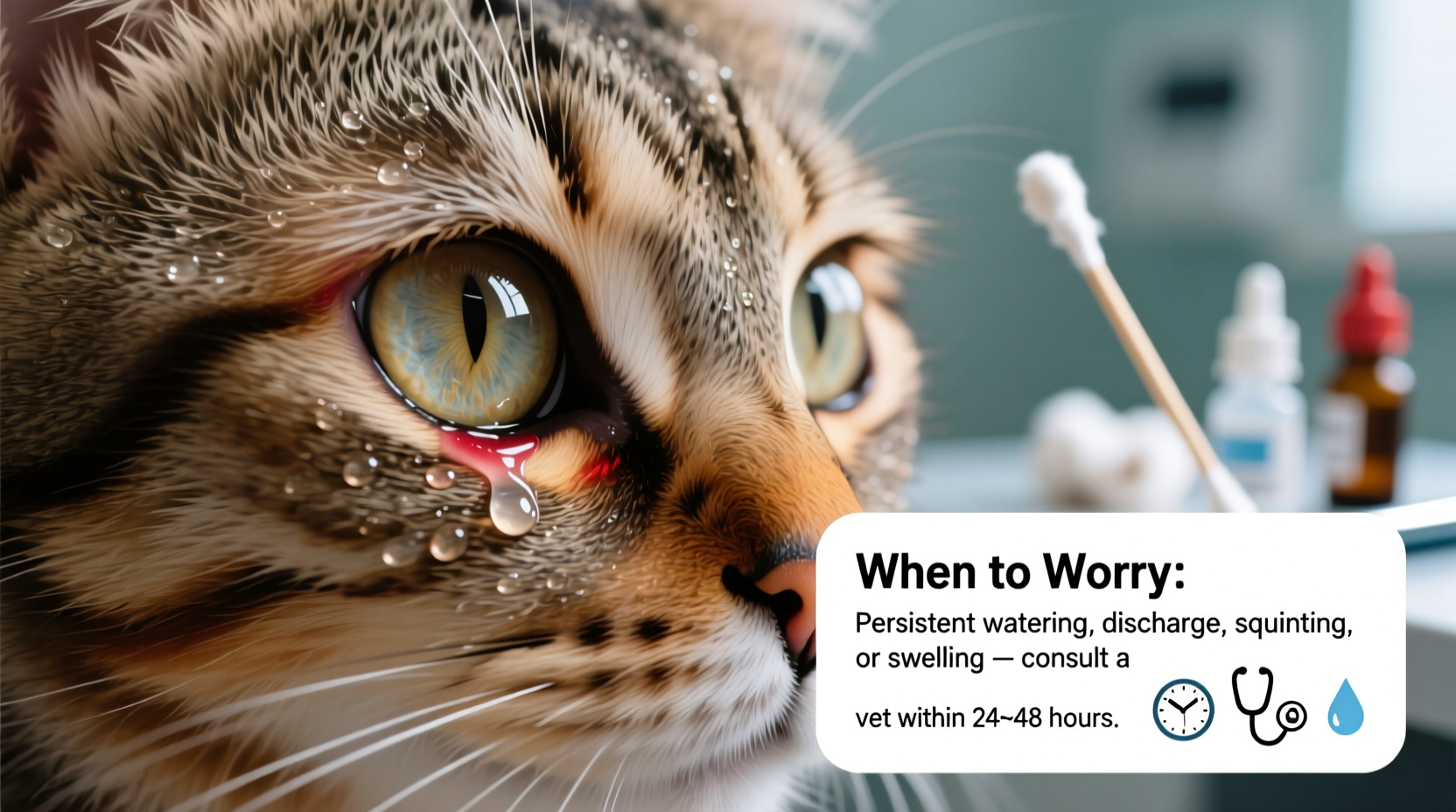
Cat eye discharge occurs when the tear ducts produce more fluid than usual, often as a response to irritation, infection, or systemic illness. The underlying cause determines both the appearance of the discharge and the urgency of care needed.
- Allergies: Environmental allergens such as pollen, dust, mold, or household cleaning products can trigger mild, clear tearing in one or both eyes.
- Foreign Bodies: Dust, grass seeds, or small debris trapped under the eyelid can cause immediate tearing and discomfort.
- Upper Respiratory Infections (URIs): Viral infections like feline herpesvirus (FHV-1) are a leading cause of chronic eye issues. These often present with watery discharge, sneezing, and nasal congestion.
- Conjunctivitis: Inflammation of the conjunctiva—often due to infection, allergies, or irritants—leads to redness, swelling, and excessive tearing.
- Anatomical Issues: Breeds with flat faces (e.g., Persians, Himalayans) are prone to tear duct overflow due to their shortened nasal passages and misaligned ducts.
- Corneal Ulcers: Scratches or injuries to the cornea stimulate tear production as a protective mechanism and require prompt treatment.
- Blocked Tear Ducts: When nasolacrimal ducts become obstructed, tears spill over the eyelids instead of draining normally.
Treatment Options Based on Cause
Treatment must be tailored to the diagnosis. Self-treatment without veterinary guidance can worsen some conditions, especially if an ulcer or infection is present.
Allergies and Mild Irritation
For clear, watery discharge due to environmental triggers, removing the irritant is key. Use pet-safe, fragrance-free cleaners and consider air purifiers. A veterinarian may recommend antihistamines or soothing eye drops if symptoms persist.
Infections (Viral or Bacterial)
Feline herpesvirus is notoriously persistent. While it cannot be cured, outbreaks can be managed with antiviral medications like famciclovir and topical antibiotics if secondary bacterial infections occur. L-lysine supplements were once widely used, but recent studies show limited efficacy; consult your vet before use.
Conjunctivitis
Treatment depends on the type:
- Bacterial: Antibiotic ointments (e.g., tetracycline, chloramphenicol).
- Viral: Supportive care and antivirals.
- Allergic: Anti-inflammatory drops or removal of allergens.
Corneal Injuries
Ulcers require urgent care. Treatment includes antibiotic drops to prevent infection, pain management, and sometimes an Elizabethan collar to prevent rubbing. Severe cases may need surgical intervention.
“Even minor corneal scratches can progress rapidly in cats. Delaying treatment risks permanent vision damage.” — Dr. Rachel Nguyen, Veterinary Ophthalmologist
When to Worry: Red Flags Requiring Immediate Care
Not all watery eyes demand emergency attention, but certain symptoms indicate a serious problem. Seek veterinary help immediately if your cat shows any of the following:
| Symptom | Potential Concern | Action Required |
|---|---|---|
| Thick yellow or green discharge | Bacterial infection | Veterinary-prescribed antibiotics |
| Cloudy or opaque cornea | Corneal ulcer or uveitis | Immediate exam with fluorescein stain test |
| Squinting or keeping eye closed | Pain or severe irritation | Do not delay—pain indicates injury or inflammation |
| Swelling, redness, or protrusion | Glaucoma or trauma | Emergency evaluation needed |
| Sudden onset with sneezing or lethargy | Upper respiratory infection | Monitor closely; consult vet within 24 hours |
Step-by-Step Guide to At-Home Eye Care
While home care should never replace professional diagnosis, gentle maintenance supports healing and prevents complications.
- Wipe Gently: Use a clean, soft cloth dampened with lukewarm water or sterile saline solution. Wipe from the inner corner outward. Use a fresh section of the cloth for each eye to avoid cross-contamination.
- Prevent Rubbing: Trim your cat’s nails and consider an E-collar if they paw at their eyes.
- Administer Medication: If prescribed, apply drops or ointment as directed. Hold the eyelids open gently and avoid touching the dropper to the eye.
- Monitor Progress: Keep a daily log of discharge color, frequency, and behavior changes.
- Follow Up: Attend all scheduled vet visits, even if symptoms improve.
Mini Case Study: Bella the Persian Cat
Bella, a 3-year-old Persian, had lifelong mild tearing around her large eyes. Her owner assumed it was normal for the breed—until one morning, Bella’s right eye became red and swollen, with thick yellow discharge. She stopped eating and hid under the bed. A vet visit revealed a blocked tear duct combined with a secondary bacterial infection. After a course of antibiotics and a flushing procedure to clear the duct, Bella improved significantly. The case highlights that while some breeds are predisposed to tearing, sudden changes always warrant investigation.
Prevention Checklist
Reducing the risk of eye problems involves consistent, proactive care. Use this checklist to protect your cat’s vision:
- ✅ Schedule annual wellness exams, including an eye check.
- ✅ Keep vaccinations up to date to reduce URI risks.
- ✅ Clean food and water bowls daily to minimize bacterial exposure.
- ✅ Avoid smoking or using strong aerosols near your cat.
- ✅ Groom long-haired cats regularly to prevent hair from irritating the eyes.
- ✅ Quarantine new pets until cleared for infectious diseases.
Frequently Asked Questions
Is it normal for my cat to have watery eyes after waking up?
A small amount of clear discharge upon waking is normal and usually clears with blinking. However, if crusting is heavy, colored, or recurs daily, consult your vet. Persistent buildup may signal chronic infection or duct issues.
Can I use human eye drops on my cat?
No. Human medications often contain preservatives or vasoconstrictors that can harm cats. Only use eye products specifically prescribed or approved by your veterinarian.
How long does a cat eye infection last?
With proper treatment, most bacterial or viral conjunctivitis cases resolve within 7–14 days. Feline herpesvirus may cause recurring flare-ups during stress or illness, requiring ongoing management.
Conclusion: Prioritize Your Cat’s Eye Health
Watery eyes in cats are more than just a cosmetic concern—they’re a signal. Whether caused by something as simple as dust or as serious as a corneal ulcer, timely recognition and appropriate action safeguard your cat’s well-being. Never assume that eye discharge will “go away on its own,” especially when accompanied by behavioral changes or visible discomfort. By staying observant, practicing good hygiene, and partnering with your veterinarian, you can ensure your cat maintains clear, healthy vision for years to come.
💬 Have experience with cat eye issues? Share your story or questions in the comments to help other cat owners recognize warning signs and find effective solutions.








