
Many cat owners are familiar with the sudden burst of energy known as \"the zoomies\"—those unpredictable moments when your feline tears through the house at top speed, skids around corners, leaps over furniture, and disappears under the bed only to reemerge seconds later in full sprint. While amusing, these nocturnal bursts can be disruptive, especially when they occur just as you're trying to fall asleep. Understanding why cats experience nighttime zoomies and how to manage them is key to maintaining harmony in your household—and ensuring your cat remains happy and healthy.
Cats are naturally crepuscular, meaning their peak activity times are dawn and dusk. This instinctual rhythm often translates into increased movement during twilight hours, which can extend into the night. When combined with indoor living and limited stimulation, this natural energy finds release in explosive sprints—commonly referred to as \"zoomies.\" While not dangerous, frequent late-night hyperactivity may indicate underlying behavioral or environmental needs that require attention.
The Science Behind Cat Zoomies
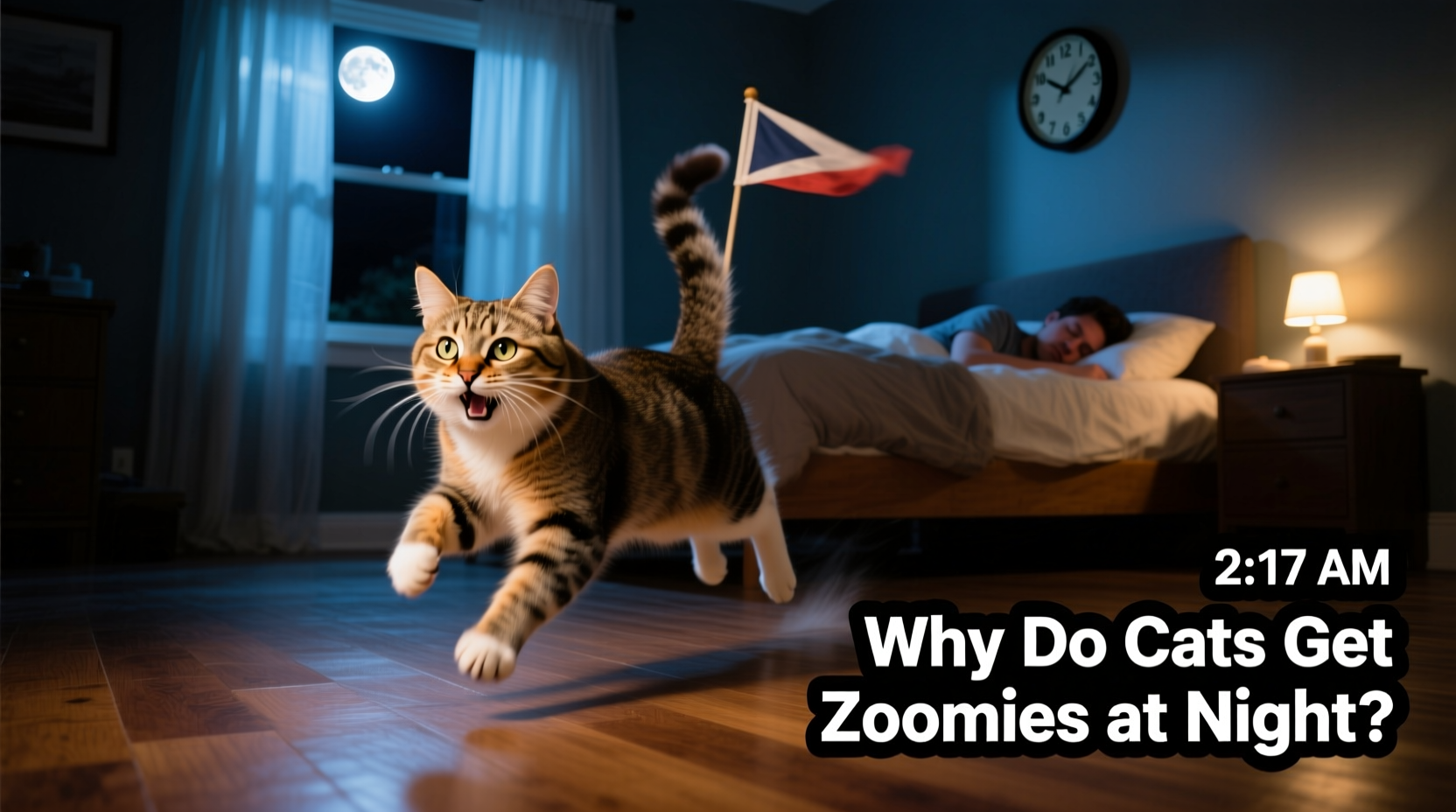
The phenomenon commonly known as \"cat zoomies\" has a more technical term: Frenetic Random Activity Periods, or FRAPs. These episodes involve short bursts of high-energy activity where cats run, jump, slide, and sometimes even attack invisible foes—all seemingly out of nowhere.
FRAPs are completely normal and typically last between 10 seconds and a few minutes. They stem from a combination of biological instincts, excess energy, and mental stimulation needs. In the wild, cats would expend this energy through hunting, climbing, and patrolling territory. Indoor cats, however, often lack sufficient outlets for such behaviors, leading to pent-up energy that erupts unpredictably.
Neurologically, these bursts may also be linked to the release of endorphins and adrenaline after periods of rest. A cat waking from a deep nap might suddenly feel an urge to move—especially if they haven’t had adequate playtime earlier in the day.
“Cats evolved to hunt multiple small prey throughout the day and night. When we restrict their environment, that drive doesn't disappear—it finds alternative expression.” — Dr. Sarah Thompson, Feline Behavior Specialist
Why Do Cats Get the Zoomies at Night?
Nighttime zoomies aren't random; they align closely with a cat’s natural circadian rhythms. Several factors contribute to why these bursts tend to happen when humans are winding down:
- Crepuscular Nature: Cats are biologically wired to be most active during low-light hours—dawn and dusk—which overlap with early evening and pre-dawn times.
- Excess Energy Accumulation: If a cat spends the day napping due to lack of engagement, energy builds up and discharges in short, intense sessions later.
- Environmental Triggers: Sudden noises (like a creaking floorboard or a passing car), shadows, or even reflections can trigger a chase response.
- Social Interaction Cues: Some cats learn that running around gets attention—even negative reactions like shouting encourage repeat performances.
- Post-Grooming or Post-Litter Box Behavior: It's common for cats to sprint after using the litter box or being groomed, possibly due to relief, irritation, or instinctual “shake-off” behavior.
How to Calm Nighttime Zoomies: Effective Strategies
While you can't eliminate a cat’s instinctual need for bursts of activity, you can redirect and regulate it through consistent routines and environmental enrichment. The goal isn’t to suppress natural behavior but to channel it appropriately.
1. Adjust Playtime to Match Natural Rhythms
One of the most effective ways to reduce nighttime zoomies is to schedule interactive play sessions in the evening, ideally 30–60 minutes before bedtime. Use wand toys, laser pointers (followed by a tangible reward), or motorized toys to simulate hunting sequences: stalk, chase, pounce, and \"kill.\"
Aim for 10–15 minutes of vigorous play. This mimics a real hunt and helps your cat achieve a sense of completion, making them more likely to settle afterward.
2. Provide Environmental Enrichment
An enriched environment reduces boredom, a major contributor to erratic behavior. Consider adding:
- Vertical spaces like cat trees or wall shelves
- Puzzle feeders or treat-dispensing toys
- Window perches for bird watching
- Rotating toy selection to maintain novelty
Cats thrive on variety. Introducing new textures, scents (like silver vine or catnip), and movement-based toys keeps their minds engaged and reduces compulsive energy release.
3. Establish a Predictable Bedtime Routine
Cats respond well to routine. A consistent nightly sequence—such as feeding, followed by play, then grooming—signals that sleep is coming. Feed your cat a small meal after the final play session. Eating promotes relaxation and drowsiness, helping transition into rest.
4. Limit Overstimulation Before Bed
Avoid loud noises, bright lights, or chaotic activity in the hour leading up to your bedtime. Create a calm atmosphere with dim lighting and quiet music if needed. Some cats benefit from white noise machines that mask external sounds that could trigger alertness.
5. Use Calming Aids When Necessary
In cases of persistent hyperactivity, consider vet-approved calming solutions:
- Feliway diffusers (synthetic facial pheromones)
- Calming collars infused with soothing compounds
- Natural supplements containing L-theanine or alpha-casozepine
Always consult your veterinarian before introducing any new product, especially if your cat has underlying health conditions.
Do’s and Don’ts of Managing Cat Zoomies
| Do’s | Don’ts |
|---|---|
| Engage in structured evening play sessions | Chase or shout at your cat during zoomies |
| Rotate toys weekly to maintain interest | Use hands or feet as toys (encourages biting) |
| Feed a small meal post-play to encourage sleep | Ignore signs of stress or anxiety |
| Provide safe spaces for climbing and hiding | Confine your cat as punishment for zooming |
| Use puzzle feeders to stimulate mental activity | Allow unchecked access to fragile or hazardous areas |
Real-Life Example: Managing Midnight Marathons
Sarah, a software developer from Portland, adopted a young tabby named Milo. Within weeks, she noticed he began sprinting through the apartment every night between 11 PM and 1 AM. The noise disturbed her sleep, and she worried about him injuring himself.
After consulting her vet, Sarah implemented a simple routine: each evening at 8:30 PM, she spent 12 minutes playing with Milo using a feather wand, ending with a crinkle ball he could \"capture.\" Immediately after, she gave him a small portion of wet food. She also installed a cat shelf near his favorite window and introduced a timed feeder for morning snacks.
Within ten days, Milo’s nighttime sprints decreased significantly. He still had occasional bursts—usually after grooming—but they were shorter and less frequent. By aligning her routine with Milo’s natural instincts, Sarah transformed chaos into predictability.
Step-by-Step Guide to Reducing Nighttime Zoomies
- Assess Current Routine: Note when zoomies occur, duration, and possible triggers.
- Introduce Evening Play: Schedule 10–15 minutes of active play one hour before bedtime.
- Simulate a Full Hunt Cycle: Start slow (tease/stalk), increase intensity (chase/pounce), end with a \"kill\" toy or treat.
- Follow with a Meal: Offer food immediately after play to promote satiety and relaxation.
- Dim Lights and Reduce Noise: Signal wind-down time with a calm environment.
- Enrich the Environment: Add vertical space, puzzles, and sensory stimulation during the day.
- Monitor Progress: Track changes over two weeks and adjust timing or toys as needed.
Frequently Asked Questions
Are nighttime zoomies a sign of a health problem?
Generally, no. Occasional zoomies are normal. However, if your cat shows signs of distress—excessive vocalization, disorientation, drooling, or aggression during episodes—consult a veterinarian. Conditions like hyperthyroidism or neurological issues can cause abnormal behavior.
Can I train my cat to stop having zoomies?
You can't eliminate zoomies entirely—they’re a natural expression of feline energy. But you can influence timing and frequency through structured play, feeding schedules, and environmental management. Training focuses on redirection, not suppression.
Should I let my cat run freely during zoomies?
Yes, as long as the space is safe. Clear sharp corners, secure loose cords, and close off rooms with hazards (like open toilets or fragile items). Never try to stop a cat mid-zoom; it may lead to fear or redirected aggression.
Conclusion: Harmony Through Understanding
Cat zoomies at night are not a flaw in your pet—they’re a reflection of a deeply ingrained survival instinct expressed in a modern domestic setting. With thoughtful adjustments to daily routines, appropriate stimulation, and empathy for your cat’s natural rhythms, you can transform disruptive sprints into manageable, even endearing, moments of feline joy.
Start tonight: pick a time, grab a wand toy, and initiate a play-hunt-feed cycle. Observe the difference over the next week. Small changes yield significant results—not just in reducing noise, but in strengthening your bond with your cat.
💬 Have a zoomies story or a calming trick that works for your cat? Share your experience in the comments—your insight could help another cat owner finally get a good night’s sleep!








