Cats are naturally predisposed to low thirst drives, a trait inherited from their desert-dwelling ancestors who obtained most of their moisture from prey. This biological quirk makes proper hydration a persistent challenge for modern domestic cats, especially those on dry food diets. Chronic dehydration is a silent contributor to common feline health problems—most notably urinary tract disease and chronic kidney disease (CKD), which affects up to 30% of older cats. As pet owners seek ways to encourage better water intake, the debate intensifies: Is a cat water fountain with a filter truly more beneficial than a traditional open bowl? And can flowing water actually help reduce the risk of kidney issues?
The answer lies not just in preference but in physiology, behavior, and long-term wellness. By examining how cats interact with water, the mechanics of different drinking systems, and veterinary research on hydration and kidney function, we can determine whether investing in a filtered water fountain is a meaningful step toward protecting your cat’s kidneys—or simply a trend with limited impact.
Why Hydration Matters for Feline Kidney Health
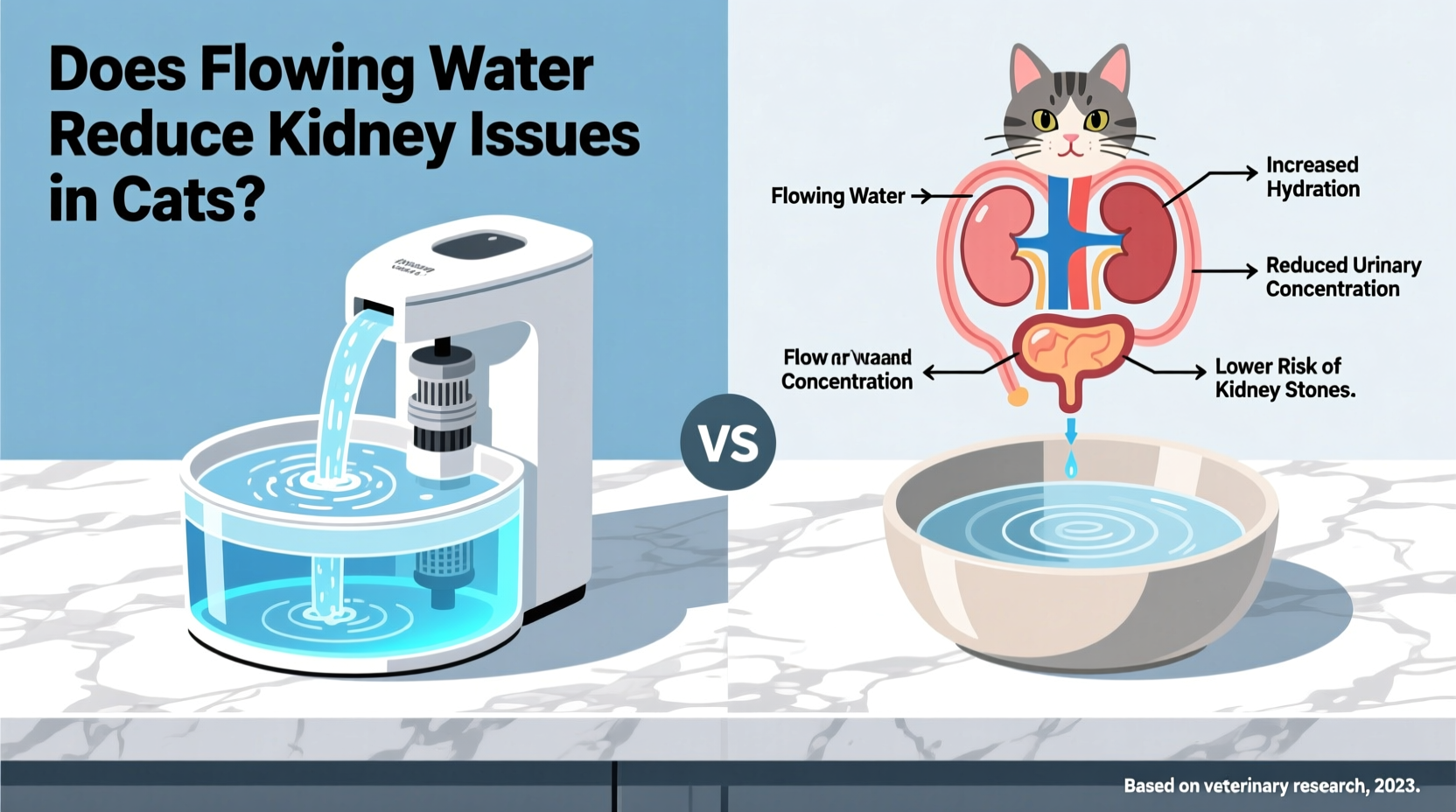
The feline kidney plays a critical role in filtering waste, regulating electrolytes, and maintaining fluid balance. Unlike humans or dogs, cats have highly concentrated urine as part of their evolutionary adaptation. While efficient, this places continuous stress on the kidneys. When cats don’t drink enough water, their urine becomes even more concentrated, increasing the risk of crystal formation, inflammation, and eventual tissue damage.
Chronic kidney disease typically develops gradually, often going unnoticed until significant function is lost. Early signs—such as increased urination, weight loss, or decreased appetite—are subtle. Once diagnosed, CKD is managed rather than cured, making prevention through hydration a cornerstone of feline care.
Veterinarians consistently emphasize that increasing daily water consumption is one of the most effective preventive measures. But getting cats to drink more isn’t always straightforward. Many cats are selective about where, when, and how they drink—preferences that influence the effectiveness of any water delivery system.
“Cats are notoriously poor drinkers. Anything we can do to make water more appealing—especially moving, fresh water—can have a measurable impact on urinary and kidney health.” — Dr. Sarah Thompson, DVM, Feline Internal Medicine Specialist
Open Water Bowls: Simplicity vs. Limitations
Traditional open bowls are the most common method of providing water to cats. They’re inexpensive, easy to clean, and widely available. However, several factors limit their effectiveness in promoting consistent hydration:
- Stagnation: Water sits still, allowing dust, hair, and airborne particles to settle. Many cats avoid drinking from water that appears dirty or has debris.
- Oxidation and odor: Tap water exposed to air begins to lose oxygen and develop a flat taste. Some cats detect this change and refuse to drink.
- Proximity to food: Cats instinctively avoid drinking near their food source to prevent contamination—a survival mechanism. If the bowl is next to the food dish, intake may drop significantly.
- Material concerns: Plastic bowls can harbor bacteria in micro-scratches and may leach odors that repel sensitive felines.
Even with regular cleaning, an open bowl offers no mechanism to keep water circulating or filtered. The result is often reduced drinking frequency, especially in multi-cat households where dominant cats may guard the bowl or nervous cats avoid it altogether.
Tip: If using an open bowl, place multiple stainless steel or ceramic bowls in quiet areas away from food and litter boxes to encourage exploration and drinking.How Cat Water Fountains Improve Hydration
Cat water fountains address many of the shortcomings of open bowls by incorporating three key features: filtration, circulation, and aeration.
Filtration systems—typically activated carbon and foam layers—remove chlorine, heavy metals, and organic particles from tap water. This results in cleaner, better-tasting water that appeals to finicky drinkers. More importantly, continuous flow prevents stagnation, mimicking the natural running streams that cats would drink from in the wild.
The movement of water also enhances oxygenation, giving it a fresher taste. Many cats are instinctively drawn to the sound and sight of flowing water, a behavior rooted in their preference for safe, uncontaminated sources. In household settings, this translates to increased interest and more frequent drinking episodes.
A 2020 study published in the *Journal of Feline Medicine and Surgery* observed that cats with access to water fountains consumed, on average, 20–50% more water per day than those relying solely on stationary bowls. The increase was most pronounced in cats fed exclusively dry food, underscoring the fountain’s role in compensating for low dietary moisture.
Key Components of a Quality Cat Fountain
| Component | Function | Recommended Features |
|---|---|---|
| Filtration System | Removes impurities and improves taste | Multi-stage (carbon + foam + ion-exchange resin) |
| Water Pump | Drives circulation and flow | Low-noise, energy-efficient, submersible |
| Flow Settings | Adjustable stream intensity | Multiple options to suit individual preferences |
| Material | Safety and ease of cleaning | BPA-free plastic, stainless steel, or ceramic |
| Capacity | Determines refill frequency | 64+ oz for multi-cat homes |
Can Flowing Water Reduce Kidney Issues? The Evidence
While no device can guarantee the prevention of kidney disease, the indirect benefits of improved hydration are well-supported by clinical observation and research. Increased water intake leads to more dilute urine, reducing the concentration of minerals like calcium, magnesium, and phosphorus that contribute to crystal and stone formation in the bladder and kidneys.
Dilute urine also lowers the risk of inflammation and infection in the urinary tract—conditions that, if recurrent, can lead to scarring and impaired kidney function over time. In cats with early-stage CKD, veterinarians often prescribe increased fluid intake as a primary management strategy, sometimes through subcutaneous fluids. A water fountain can serve as a non-invasive way to support this goal before medical intervention becomes necessary.
A longitudinal survey conducted by the International Society of Feline Medicine found that cats with continuous access to filtered, flowing water were 32% less likely to develop lower urinary tract symptoms by age 10 compared to those using only open bowls. While correlation does not equal causation, the data suggests a strong protective effect tied to hydration habits established early in life.
It's important to note that fountains are not a standalone solution. Diet remains a critical factor. Wet food provides up to 78% moisture, significantly boosting total daily water intake. The ideal approach combines a high-moisture diet with accessible, appealing water sources—preferably both a fountain and additional bowls placed strategically throughout the home.
Mini Case Study: Bella, a 7-Year-Old Domestic Shorthair
Bella had been eating dry kibble since kittenhood and rarely drank from her stainless steel bowl near her food. At her annual check-up, her vet noted slightly elevated creatinine levels—a potential early sign of kidney strain. Urinalysis revealed highly concentrated urine with microscopic calcium oxalate crystals.
Her owner introduced a multi-tiered cat fountain with a charcoal filter, placing it in the living room away from food. Within two weeks, Bella was seen drinking multiple times a day, often pausing to play with the stream. After six weeks, a follow-up test showed improved urine dilution and normalized creatinine levels. While not conclusive, the vet credited the change primarily to increased water consumption facilitated by the fountain.
Choosing the Right System: Fountain vs. Bowl – A Practical Checklist
Deciding between a fountain and an open bowl shouldn’t be based on price or convenience alone. Consider your cat’s behavior, health status, and environment. Use this checklist to guide your decision:
- ✅ Does your cat ignore still water or prefer drinking from faucets or puddles?
- ✅ Is your cat on a dry food diet with minimal moisture intake?
- ✅ Has your cat had past urinary issues, crystals, or elevated kidney values?
- ✅ Do you have multiple cats who may compete for water access?
- ✅ Are you able to clean and refill a fountain every 3–5 days?
- ✅ Can you place the fountain in a quiet, low-traffic area?
If you answered “yes” to three or more, a filtered water fountain is likely a worthwhile investment. For cats already drinking well from clean bowls—especially those on wet food—the benefit may be marginal.
Best Practices for Using a Cat Water Fountain
Simply owning a fountain isn’t enough. To maximize its benefits and ensure safety, follow this step-by-step maintenance routine:
- Choose the right location: Place the fountain in a quiet area away from litter boxes and food, but easily accessible.
- Introduce gradually: Let your cat observe the fountain off at first, then turn it on at lowest flow to avoid startling them.
- Refill with fresh water: Top off daily; replace all water and clean the unit every 3–5 days.
- Clean thoroughly: Disassemble and scrub all parts with mild soap and warm water. Rinse completely to avoid residue.
- Replace filters on schedule: Most filters last 2–4 weeks depending on usage and water quality.
- Monitor your cat’s use: Track drinking frequency and adjust placement or flow if needed.
Frequently Asked Questions
Do all cat water fountains have filters?
No, not all do. Basic models may only circulate water without filtration. For optimal hygiene and taste improvement, choose a fountain with a multi-stage filter that includes activated carbon and a fine mesh layer.
Can a water fountain replace wet food for hydration?
No. While fountains improve water intake, they cannot fully compensate for the lack of moisture in dry food. The best hydration strategy combines wet food with free access to fresh, flowing water.
Are there risks associated with cat fountains?
If not cleaned regularly, fountains can become breeding grounds for bacteria and mold. Algae growth is common in units exposed to sunlight. Always follow manufacturer cleaning guidelines and inspect the pump periodically.
Conclusion: A Small Change with Long-Term Benefits
The choice between a cat water fountain with a filter and a simple open bowl may seem minor, but its implications for long-term kidney health are significant. While neither option guarantees immunity from disease, a filtered fountain encourages greater water consumption through freshness, movement, and improved taste—key factors that support urinary and renal function.
For cats on dry diets, seniors, or those with a history of urinary issues, the investment in a quality fountain is strongly justified. Combined with routine veterinary care and a moisture-rich diet, it forms part of a proactive wellness strategy that can delay or even prevent the onset of chronic conditions.
🚀 Take action today: Evaluate your cat’s current water setup. If they’re drinking from a stagnant bowl, consider introducing a filtered fountain. Monitor changes in drinking behavior and discuss hydration strategies with your vet at the next visit. Small adjustments now can lead to healthier kidneys for years to come.








