Hydration is one of the most overlooked yet critical aspects of feline health. Unlike dogs, cats have a naturally low thirst drive—a trait inherited from their desert-dwelling ancestors who obtained most moisture from prey. This biological quirk makes consistent water intake a challenge, especially for indoor cats eating dry kibble. As a result, chronic mild dehydration is common and can lead to serious health issues like urinary tract disease, kidney failure, and constipation.
The debate between using a cat water fountain versus a regular water bowl isn't just about convenience or aesthetics—it's fundamentally about encouraging better hydration habits. While both options deliver water, they differ significantly in how effectively they promote drinking, maintain water quality, and support long-term wellness. Understanding these differences helps pet owners make informed choices that align with their cat’s instincts and health needs.
Why Hydration Matters More Than You Think
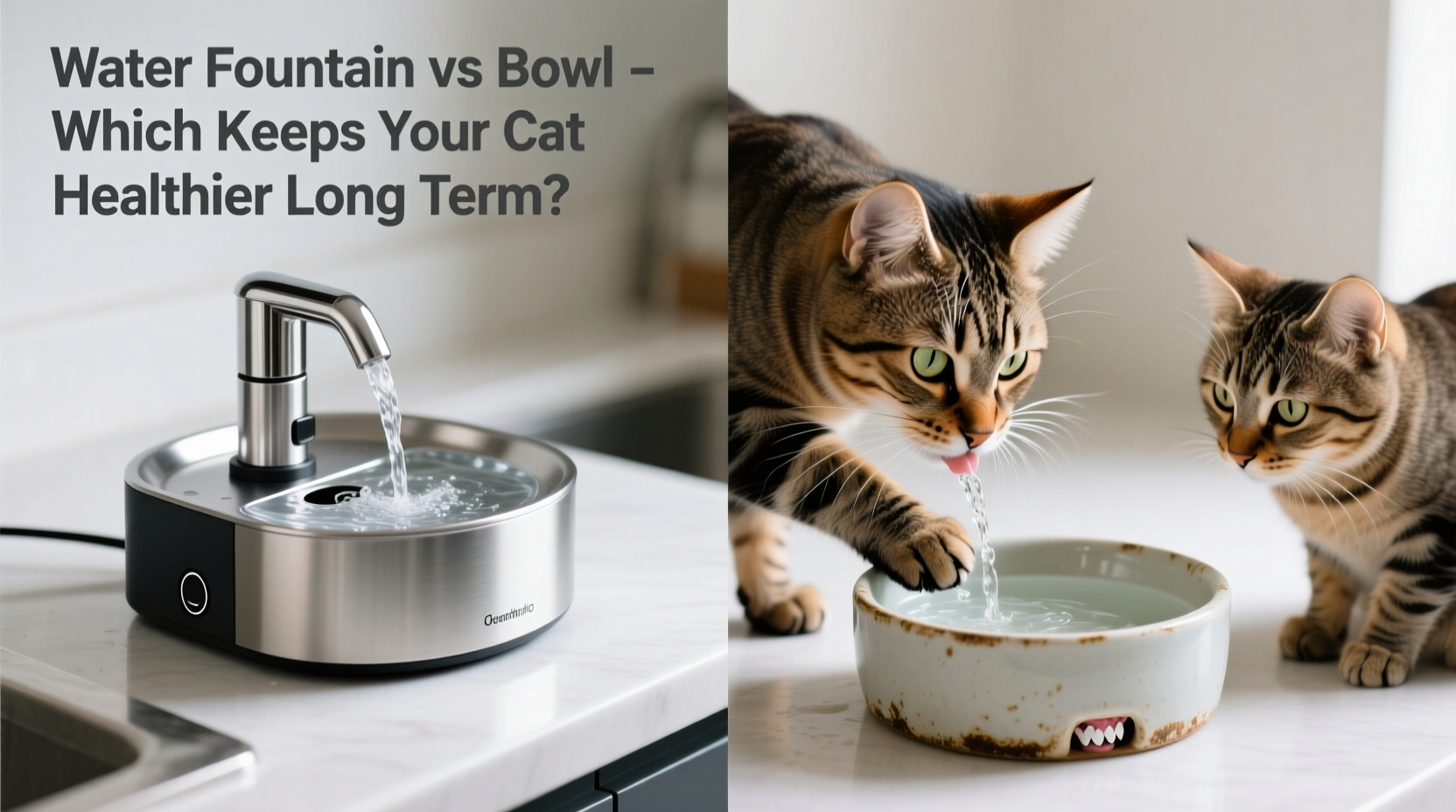
Cats require approximately 3.5 to 4.5 ounces of water per 5 pounds of body weight daily. For a typical 10-pound cat, that’s 7–9 ounces—more if they eat only dry food. Yet many cats drink far less than this, putting them at risk for concentrated urine, crystal formation, and bladder inflammation.
A study published in the *Journal of Feline Medicine and Surgery* found that increased water intake reduces the recurrence rate of lower urinary tract symptoms by up to 60%. These conditions are among the top reasons cats visit veterinarians, often requiring medication, diet changes, or even surgery.
Because cats evolved to get moisture from fresh prey, they’re not instinctively drawn to still water sources. In the wild, stagnant water indicates potential contamination, so moving or rippling water signals freshness and safety. This behavioral preference plays directly into the effectiveness of modern water fountains, which mimic natural flowing streams.
Tip: Place multiple water sources around the house—even if using a fountain—to encourage frequent sipping throughout the day.How Water Fountains Work and Why Cats Respond to Them
Cat water fountains use a small pump to circulate water through a filter and back into the reservoir, creating gentle movement and aeration. This constant flow appeals to a cat’s instinctive preference for fresh, oxygenated water. The sound and motion attract curious cats, often prompting them to investigate and drink more frequently.
Beyond psychological appeal, fountains offer practical advantages:
- Improved water quality: Built-in filters remove hair, debris, chlorine, and some heavy metals.
- Oxygenation: Aeration increases dissolved oxygen, enhancing taste and freshness.
- Consistent circulation: Prevents bacterial growth and biofilm buildup compared to stagnant bowls.
- Encourages exploration: Many cats enjoy pawing or dipping their paws into moving water before drinking.
Dr. Sarah Wooten, DVM, CVJ, explains:
“Cats are hardwired to prefer running water. It’s not just a quirk—it’s a survival mechanism. When we provide moving water, we’re working with their biology, not against it.”
However, not all fountains are created equal. Some models use basic foam or carbon filters that need frequent replacement (every 1–2 weeks), while others incorporate multi-stage filtration including ion-exchange resins to reduce scale and heavy metals. Maintenance is crucial: neglected fountains can become breeding grounds for bacteria or algae, negating any health benefit.
Regular Bowls: Simplicity with Hidden Drawbacks
Traditional water bowls remain the most common hydration method. They’re inexpensive, easy to clean, and widely available. However, their simplicity comes with several hidden drawbacks that impact long-term feline health.
Still water quickly accumulates dust, airborne particles, and saliva. Within hours, a surface film known as \"biofilm\" can form—a slimy layer of bacteria that repels cats instinctively. Additionally, plastic bowls are notorious for harboring bacteria even after washing and may cause chin acne due to static charge and chemical leaching.
Glass and stainless steel are safer materials, but location matters just as much as material. Placing a bowl next to food can deter drinking, as cats instinctively avoid contaminating their water source with food particles. Similarly, bowls tucked in quiet corners may be ignored due to perceived vulnerability during drinking.
| Feature | Water Fountain | Regular Bowl |
|---|---|---|
| Water Movement | Continuous flow, aerated | Stagnant |
| Filtration | Yes (varies by model) | No |
| Bacterial Growth Risk | Low (if maintained) | High (within hours) |
| Cat Attraction Level | High (motion/sound) | Low to moderate |
| Daily Maintenance | Wipe surfaces, check filter | Empty, scrub, refill |
| Lifespan & Cost | $40–$100, lasts 2–5 years | $5–$20, replace often |
The lack of sensory stimulation in a standard bowl means many cats simply don’t engage with it unless extremely thirsty—by which point dehydration may already be setting in.
Real-World Impact: A Case Study in Hydration Habits
Milo, a 6-year-old domestic shorthair, had been diagnosed with struvite crystals after presenting with frequent urination and discomfort. His diet was primarily dry food, and his owner, Lisa, assumed he was drinking enough because the bowl was always full. Upon veterinary advice, she switched Milo to a ceramic bowl placed away from his food and began adding water to his meals.
Despite these efforts, Milo’s urine concentration remained high. Then Lisa introduced a stainless steel water fountain with a triple-filter system. Within three days, she noticed Milo visiting the fountain multiple times an hour, often sitting beside it and playing with the stream. After two weeks, a follow-up urinalysis showed a 35% reduction in urine specific gravity—indicating improved hydration.
Over six months, with continued access to the fountain and transition to wet food, Milo’s urinary pH stabilized, and no new crystals formed. His vet credited the change primarily to increased voluntary water intake driven by the fountain’s appeal.
This case illustrates a broader trend: environmental enrichment through hydration design can yield measurable clinical improvements without medication.
Choosing the Right Option: A Step-by-Step Guide
Selecting between a fountain and a bowl shouldn’t be arbitrary. Consider your cat’s age, health status, behavior, and your own ability to maintain the system. Follow this decision-making process:
- Assess your cat’s current drinking habits. Do they ignore the bowl? Lick only occasionally? Prefer dripping faucets?
- Evaluate existing health concerns. Cats with kidney disease, diabetes, or urinary issues need maximum hydration support—fountains are strongly recommended.
- Consider lifestyle compatibility. Can you commit to weekly cleaning and monthly filter changes? If not, a simple stainless steel bowl changed twice daily might be more reliable.
- Test both options. Introduce the fountain alongside the bowl. Monitor usage via observation or smart pet devices that track activity.
- Optimize placement. Put water stations in quiet, low-traffic areas away from litter boxes and food. Use multiple sources on different floors.
- Transition gradually. Let your cat explore the fountain without pressure. Some cats take days or weeks to accept new equipment.
- Monitor water intake. Track how much your cat drinks over 24 hours. Any increase is a positive sign.
Best Practices for Long-Term Success
Regardless of which option you choose, consistency and cleanliness are non-negotiable. Here’s a checklist to ensure optimal hydration hygiene:
- 🡺 Clean all water containers daily with hot, soapy water
- 🡺 Replace fountain filters every 2–4 weeks (or per manufacturer instructions)
- 🡺 Rinse the entire fountain reservoir weekly to prevent mineral buildup
- 🡺 Use filtered or spring water if tap water is high in minerals or chlorine
- 🡺 Avoid placing bowls near strong odors (litter, garbage, cleaning products)
- 🡺 Offer wet food or add broth to meals to boost moisture intake
- 🡺 Rotate water station locations every few weeks to renew interest
Remember, even the best fountain won’t help if it’s dirty or poorly placed. Likewise, a pristine bowl will be ignored if it doesn’t meet your cat’s instinctual preferences.
Frequently Asked Questions
Do all cats prefer water fountains?
No—while most cats show increased interest in flowing water, individual personalities vary. Some older or anxious cats may be startled by the sound or movement initially. Patience and gradual introduction are key.
Can I use a human water dispenser for my cat?
Not recommended. Human dispensers aren’t designed for pets—they lack proper filtration for animal saliva and hair, and their height often forces cats to bend uncomfortably. Dedicated pet fountains are ergonomically designed for feline anatomy.
Is tap water safe in a fountain?
In most municipal areas, yes—but if your water is high in fluoride, chlorine, or minerals, consider using filtered or bottled water. Hard water accelerates limescale buildup and can damage pumps over time.
Conclusion: Prioritizing Health Through Smart Hydration
When comparing a cat water fountain to a regular bowl, the evidence leans clearly toward fountains for long-term feline health. Their ability to stimulate drinking, improve water quality, and reduce disease risk makes them a worthwhile investment for most households. That said, success depends not on the device itself, but on how well it’s integrated into your cat’s environment and routine.
A neglected fountain is worse than a clean bowl. Conversely, a well-maintained fountain paired with strategic placement and dietary adjustments can transform your cat’s hydration habits—and potentially extend their life by preventing chronic illness.
The goal isn’t perfection, but progress. Start where you are. Observe your cat’s behavior. Make one small change at a time. Whether you upgrade to a fountain or simply switch to a wider stainless steel bowl, every step toward better hydration supports a healthier, happier cat.
💬 Have you seen a difference since switching to a fountain? Share your experience in the comments—your story could help another cat parent make a life-changing choice.








