
Cats are naturally inclined to avoid stagnant water. In the wild, they seek out moving streams or fresh sources—behaviors rooted in survival instincts to avoid contaminated or bacteria-laden water. This instinct doesn’t disappear when they live indoors. Yet many cat owners still rely on traditional water bowls, unaware of how much this choice impacts their pet’s long-term health. Chronic dehydration is a silent issue in domestic cats, contributing to urinary tract disease, kidney failure, and other preventable conditions. The debate between using a cat water fountain versus a regular bowl isn’t just about convenience—it’s a critical decision affecting your cat’s longevity and vitality.
Why Hydration Matters More Than You Think
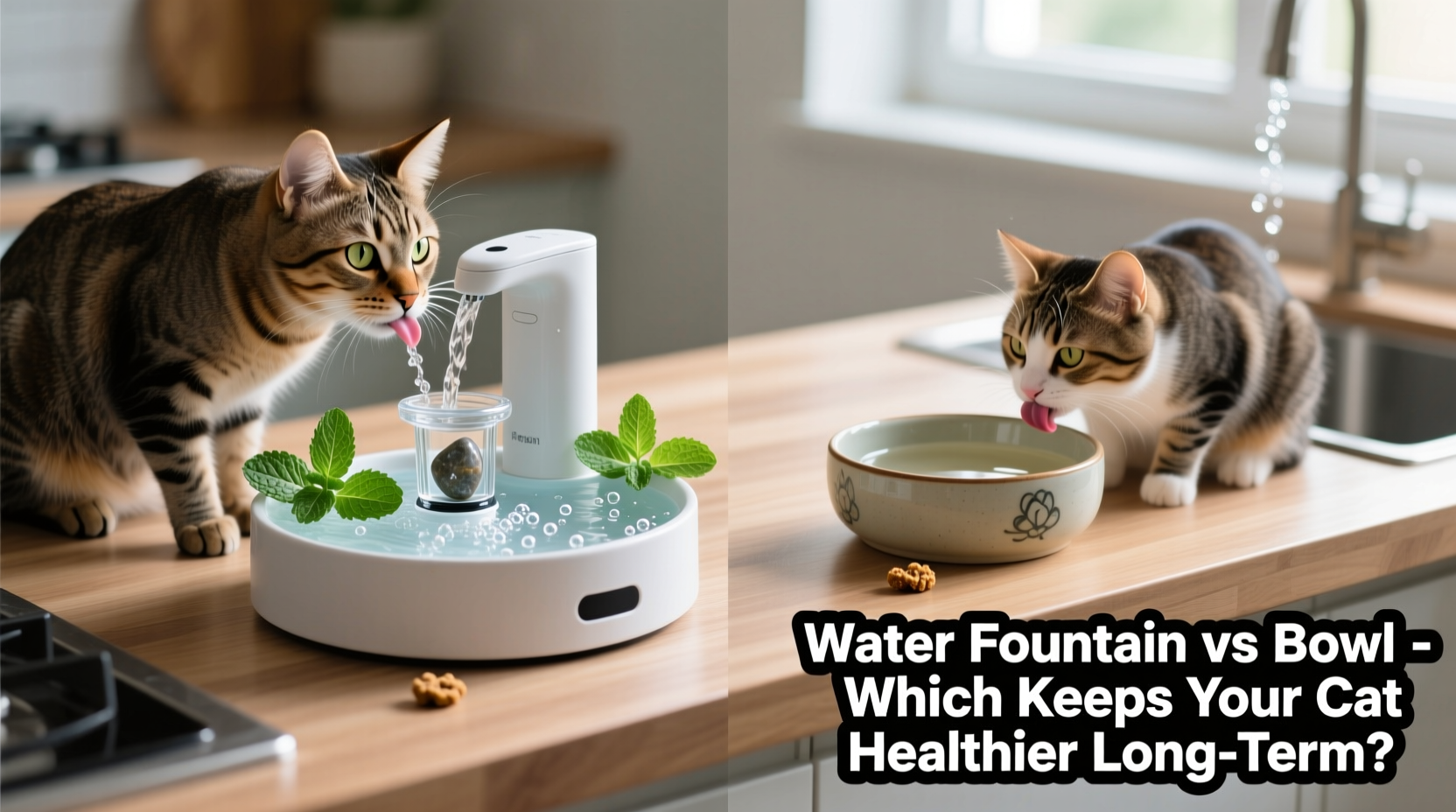
Cats evolved from desert-dwelling ancestors with highly efficient kidneys that concentrate urine to conserve water. While this adaptation helped them survive with minimal water intake, it also makes them prone to dehydration when fed dry food and given limited access to fresh water. Unlike dogs, cats don’t exhibit strong thirst drives, often consuming far less water than needed unless encouraged by appealing sources.
Prolonged low hydration leads to concentrated urine, increasing the risk of crystal formation and feline lower urinary tract disease (FLUTD), one of the most common—and costly—conditions seen in veterinary clinics. According to the American Veterinary Medical Association, over 30% of cats will experience urinary issues at some point in their lives, many linked directly to poor hydration.
The solution isn’t simply placing more bowls around the house. It’s about understanding what motivates a cat to drink—and that starts with water quality, movement, and accessibility.
Tip: Cats prefer drinking water that’s separate from their food—place water stations at least three feet away from food bowls to mimic natural behavior.How Water Fountains Encourage Better Drinking Habits
Water fountains use gentle pumps to circulate and filter water continuously, creating a small stream or ripple that mimics flowing water. This motion triggers a cat’s instinctive preference for freshness. Many cats are drawn to faucets or dripping taps—not because they’re picky, but because moving water signals safety and purity.
Beyond attraction, fountains offer practical advantages:
- Oxygenation: Moving water picks up oxygen, enhancing taste and smell—key factors for finicky drinkers.
- Filtration: Most fountains include carbon and foam filters that reduce chlorine, hair, dust, and organic particles.
- Temperature Regulation: Circulated water stays cooler longer, especially in warm environments.
- Consistency: Automated flow reduces stagnation, discouraging bacterial growth.
A 2020 study published in the *Journal of Feline Medicine and Surgery* found that cats with access to water fountains drank an average of 25–30% more per day than those using only standard bowls. Increased water intake was associated with fewer vet visits for urinary complications over a 12-month period.
“Cats are not naturally big drinkers, so we must make water appealing. A fountain leverages their instincts and significantly improves hydration.” — Dr. Lindsey Bullen, Board-Certified Veterinary Nutritionist
Problems with Regular Water Bowls
While simple and inexpensive, traditional water bowls come with significant drawbacks that affect both hygiene and consumption habits.
Still water quickly accumulates airborne dust, food crumbs, whisker residue, and bacteria—especially if placed near litter boxes or food dishes. Within hours, biofilm can form on the surface and sides of plastic or uncleaned stainless steel bowls. This invisible layer harbors microbes like Pseudomonas aeruginosa, which can cause gastrointestinal upset or respiratory irritation in sensitive cats.
Additionally, many cats suffer from “whisker fatigue”—a stress response caused by repeated contact between their sensitive whiskers and the sides of narrow or deep bowls. This discomfort can lead them to avoid drinking altogether, even if water is available.
Light-colored cats may also develop “chin acne” from using dirty plastic bowls, where porous surfaces trap oils and bacteria despite daily washing.
Common Bowl-Related Issues
- Rapid algae growth in sunlight-exposed areas
- Dust and pet hair contamination
- Stagnant water losing appeal within hours
- Difficulty detecting spoilage or odor changes
- Lack of filtration leading to mineral buildup
Comparing Long-Term Health Outcomes
To understand which option supports better health over time, consider five key factors: hydration levels, urinary health, kidney function, oral hygiene, and behavioral engagement.
| Factor | Water Fountain | Regular Bowl |
|---|---|---|
| Hydration Level | ↑↑ Consistently higher due to increased palatability | ↓↓ Often inadequate; depends on owner diligence |
| Urinary Tract Health | ↑ Lower incidence of crystals and UTIs | ↓ Higher risk due to concentrated urine |
| Kidney Function Over Time | ↑ Slower decline; reduced workload on organs | ↓ Accelerated wear from chronic dehydration |
| Water Freshness & Cleanliness | ↑ Filtered, circulating, and aerated | ↓ Stagnant; requires frequent manual cleaning |
| Cat Engagement | ↑ Attracts curiosity and repeated visits | ↓ Often ignored after initial sip |
The data suggests a clear trend: cats with consistent access to clean, flowing water show improved physiological markers over time. Veterinarians increasingly recommend fountains as preventive tools—not luxuries—for indoor cats, particularly those on dry-food diets.
Real-Life Example: Two Cats, Two Approaches
Sarah, a cat owner from Portland, had two indoor cats: Luna, a 7-year-old Siamese, and Milo, a 6-year-old tabby. Both were fed primarily dry food due to budget constraints. For years, Sarah used a single stainless steel water bowl refilled each morning. By age six, Milo developed struvite crystals and required a special diet and medication. Luna remained healthy but frequently visited the bathroom faucet to drink.
After her vet suggested a water fountain, Sarah invested in a triple-filter model with a quiet pump. She placed it in the living room, away from food and litter. Within days, both cats began visiting the fountain multiple times daily. Over the next six months, Milo’s urine specific gravity decreased significantly, indicating better hydration. His vet reduced his medication dosage and noted improved kidney values during follow-up bloodwork.
Sarah also reported fewer trips to refill the bowl—because the fountain held more water and encouraged more consistent drinking throughout the day. “I didn’t realize how little they were actually drinking until I saw them go back again and again to the fountain,” she said. “It’s changed how I think about their care.”
Choosing the Right Option: A Step-by-Step Guide
If you're deciding between a fountain and a bowl—or considering upgrading—follow this timeline to ensure a smooth transition and lasting benefits:
- Week 1: Observe Current Behavior
Track how often your cat drinks, whether they prefer running water, and if they avoid certain locations. Note any signs of urinary strain or excessive grooming of the genital area. - Week 2: Introduce the Fountain Alongside the Bowl
Place the fountain nearby but not too close. Let your cat investigate without pressure. Fill it with filtered or bottled water initially to enhance taste. - Week 3: Monitor Usage and Adjust Placement
If your cat hesitates, try moving the fountain to a quieter corner or near a window. Some cats prefer privacy while drinking. - Week 4: Phase Out the Bowl (If Successful)
Once consistent use is observed, remove the old bowl. Continue cleaning the fountain weekly and replacing filters monthly. - Ongoing: Maintain Strict Hygiene
Disassemble and scrub all parts every 7–10 days. Use white vinegar to dissolve mineral deposits. Never let the fountain run dry.
Essential Checklist Before Buying a Fountain
- ✅ Made from BPA-free materials (preferably stainless steel or food-grade plastic)
- ✅ Includes multi-stage filtration (carbon + foam + ion exchange resin)
- ✅ Has a quiet, reliable pump (look for submersible motors under 40 dB)
- ✅ Easy to disassemble and clean (avoid complex internal tubing)
- ✅ Holds enough water for 24–48 hours (minimum 2 liters for multi-cat homes)
- ✅ Offers free replacement parts and customer support
Frequently Asked Questions
Do all cats prefer water fountains?
No, but most do once acclimated. Some older or anxious cats may be wary of the sound or movement at first. Give them time—many adapt within a few days. Offering treats near the fountain can help create positive associations.
Can I use tap water in a fountain?
Yes, but if your tap water is high in minerals (hard water), it can lead to scaling and clog filters faster. Using filtered or spring water extends the life of the pump and keeps water tasting fresher longer.
Are water fountains safe for kittens and senior cats?
Absolutely. The gentle flow poses no danger, and the improved hydration is especially beneficial for growing kittens and aging cats with declining kidney function. Just ensure the fountain has a low entry point for easy access.
Final Verdict: Which Keeps Your Cat Healthier Long Term?
The evidence overwhelmingly favors water fountains for long-term feline health. While a clean, well-maintained bowl is better than no water source at all, it cannot match the fountain’s ability to promote consistent hydration through sensory appeal, filtration, and movement.
Chronic dehydration is a slow but serious threat to cats, particularly those eating dry food. By investing in a quality water fountain, you’re not just offering convenience—you’re supporting kidney resilience, reducing the risk of painful urinary blockages, and extending your cat’s healthy lifespan.
That said, success depends on proper maintenance. A dirty fountain is worse than no fountain. Regular cleaning, timely filter changes, and strategic placement are non-negotiable for sustained benefits.
🚀 Ready to improve your cat’s hydration? Choose a vet-recommended water fountain today, introduce it gradually, and monitor your cat’s drinking habits. Small changes now can prevent major health issues down the road. Share your experience in the comments—your insight could help another cat live healthier, longer.








