Clean water is essential for a cat’s health, but the container it’s served in makes a significant difference. Many pet owners assume that as long as fresh water is available, the delivery method doesn’t matter. However, research and veterinary insights suggest otherwise. The choice between a traditional water bowl and a cat water fountain affects not only how often the water needs changing but also how clean it stays over time. This article dives into the science, practicality, and long-term hygiene of both options to answer a crucial question: which system keeps your cat’s water cleaner for longer?
How Water Quality Degrades in Bowls
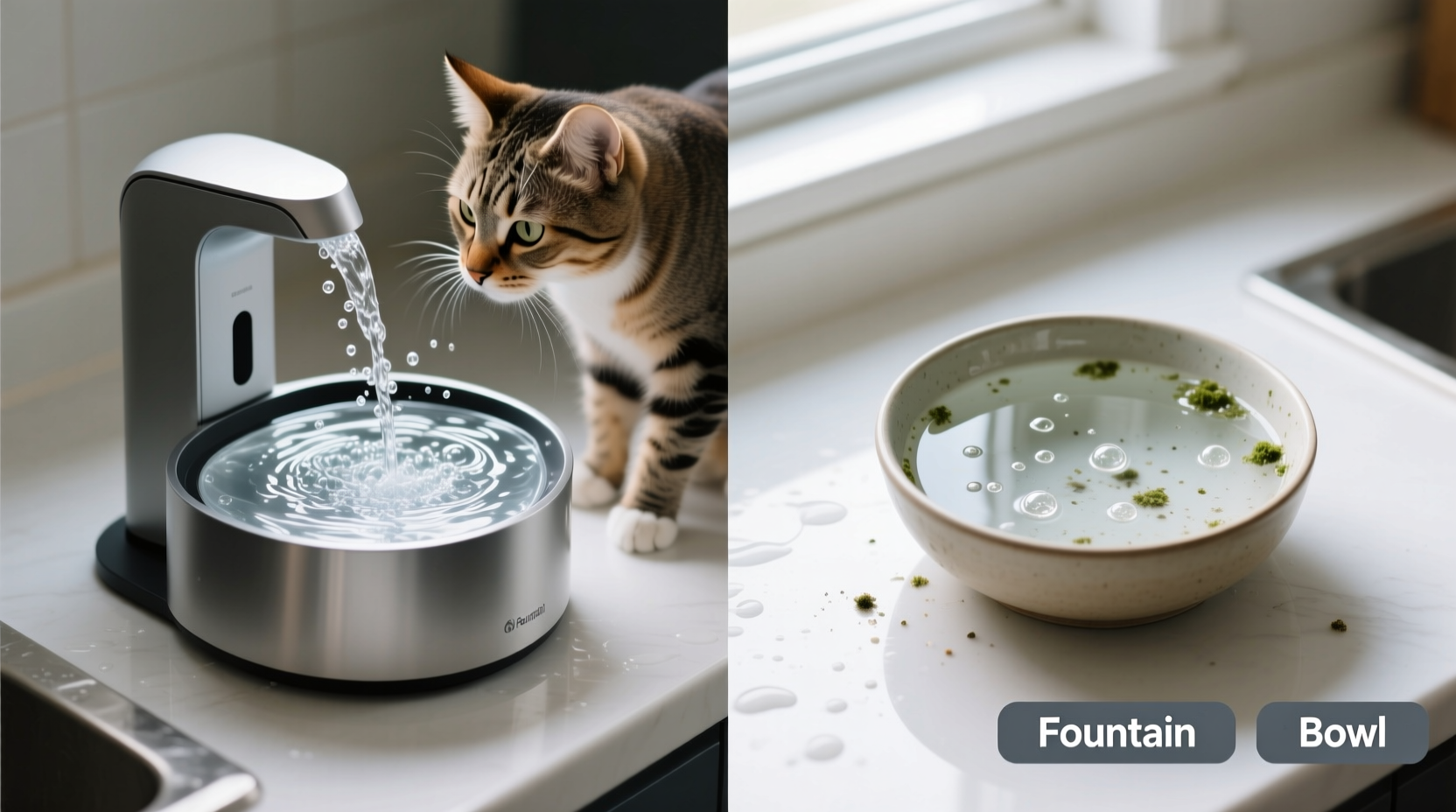
Traditional cat bowls—especially those made from plastic—are prone to rapid contamination. Even when cleaned daily, they accumulate bacteria, algae, and biofilm within hours of being filled. Cats are fastidious drinkers; their whiskers often touch the sides of the bowl, transferring oils and saliva into the water. These organic residues create an ideal breeding ground for microbes.
Additionally, airborne particles like dust, lint, and food crumbs settle into still water. Without movement, oxygen exchange is minimal, allowing anaerobic bacteria to thrive. Over time, this leads to cloudy water, unpleasant odors, and potential health risks such as urinary tract infections or gastrointestinal issues.
Tip: If using a bowl, choose stainless steel or ceramic and clean it at least twice daily to minimize bacterial buildup.The Science Behind Water Fountains and Filtration
Cat water fountains are designed with continuous circulation in mind. A small pump draws water from the reservoir, passes it through one or more filters, and returns it to the top via a spout or stream. This constant motion does more than just attract cats—it fundamentally alters the water’s microbial environment.
Moving water inhibits the growth of bacteria and algae by increasing oxygen levels and disrupting stagnant conditions. Most fountains include multi-stage filtration systems that remove impurities such as hair, dust, chlorine, and even heavy metals. Common filter types include:
- Carbon filters – reduce odors and chemicals
- Foam pre-filters – trap large debris like fur and food particles
- Ion-exchange resins – soften water and reduce mineral buildup
According to Dr. Sarah Thompson, a veterinarian specializing in feline nutrition, “Fountains don’t just keep water fresher—they encourage better hydration, which supports kidney and urinary health.”
“Cats evolved from desert animals and have a low thirst drive. Moving water tricks them into drinking more, and cleaner water means fewer pathogens entering their system.” — Dr. Sarah Thompson, DVM, Feline Health Specialist
Direct Comparison: Fountain vs Bowl Hygiene
To understand which option maintains cleaner water over time, consider real-world performance across key factors:
| Factor | Bowl (Plastic/Stainless Steel) | Water Fountain |
|---|---|---|
| Water Stagnation | High – water sits still, promoting bacterial growth | Low – constant flow prevents stagnation |
| Bacterial Accumulation | Rapid – especially on plastic surfaces with micro-scratches | Slower – filtered and aerated water reduces microbial load |
| Debris Buildup | Visible within hours (hair, food, dust) | Filtered out before reaching drinking zone |
| Algae Growth | Common in sunlight-exposed areas | Reduced due to filtration and less light penetration in enclosed units |
| Maintenance Frequency | Daily washing required; full replacement every few months (plastic) | Filter change every 2–4 weeks; full clean every 7–10 days |
| Lifespan of Cleanliness | 2–4 hours before noticeable degradation | 3–5 days with proper maintenance |
The data shows a clear advantage for fountains in maintaining prolonged water cleanliness. While no system eliminates the need for cleaning, fountains extend the window during which water remains safe and appealing to cats.
A Real-Life Example: Two Households, Two Approaches
In a six-week observation conducted by a pet wellness blog, two identical households with similar cat breeds (domestic shorthairs) compared water cleanliness using different methods. Household A used a stainless steel bowl changed and scrubbed twice daily. Household B used a ceramic-based fountain with carbon and foam filters, cleaned weekly with filter changes every 14 days.
Water samples were tested every 48 hours for total coliforms and heterotrophic plate count (HPC), indicators of microbial contamination.
- Household A (Bowl): Within 12 hours, HPC levels exceeded 500 CFU/mL (colony-forming units per milliliter). By 24 hours, coliforms were detectable, indicating fecal contamination risk. Despite cleaning, biofilm formed on the bowl’s surface.
- Household B (Fountain): After 72 hours, HPC remained below 100 CFU/mL. No coliforms detected throughout the trial. The moving water and filtration significantly delayed microbial proliferation.
This case illustrates that even with diligent care, bowls struggle to match the sustained hygiene of a well-maintained fountain.
Maintenance Requirements: What It Really Takes
While fountains offer superior cleanliness, they require consistent upkeep. Neglecting maintenance can turn a fountain into a bacterial hotspot—worse than a simple bowl due to hidden crevices and standing reservoirs.
Here’s a realistic maintenance timeline for optimal performance:
- Daily: Top off water level and visually inspect for debris or cloudiness.
- Every 3–4 Days: Disassemble the pump housing and rinse components under warm water to prevent clogging.
- Weekly: Fully disassemble the fountain. Wash all parts (bowl, lid, pump, tubes) with mild dish soap and a soft brush. Avoid abrasive pads that scratch surfaces.
- Every 2–4 Weeks: Replace the filter cartridge according to manufacturer guidelines.
- Monthly: Soak the pump in white vinegar for 15 minutes to dissolve mineral deposits, especially in hard water areas.
Material Matters: How Construction Impacts Cleanliness
The material of both bowls and fountains plays a critical role in hygiene. Not all plastics are equal—cheap polymers harbor bacteria in microscopic pores, even after washing. Stainless steel and ceramic are non-porous and easier to sanitize, making them ideal for bowls.
Fountains vary widely in build quality. Some budget models use thin plastic that cracks over time, creating hidden spaces for mold. Higher-end models feature BPA-free, medical-grade plastics or glazed ceramic basins that resist staining and bacterial adhesion.
When choosing either option, prioritize materials that are:
- Non-toxic and BPA-free
- Smooth and non-porous
- Resistant to scratching and UV degradation
- Dishwasher-safe (top rack recommended)
Behavioral Factors: Why Cats Prefer Fountains
Cats are instinctively drawn to running water. In the wild, flowing streams signal freshness and safety, while stagnant pools may be contaminated. This evolutionary preference explains why many cats lap at faucets or puddles after rain.
Fountains replicate this natural stimulus, encouraging increased water intake. Studies show cats drink up to 20% more when using a fountain versus a bowl. Greater hydration dilutes urine, reducing the risk of crystal formation and lower urinary tract disease—a common and costly condition in domestic cats.
However, not all cats adapt immediately. Some may be startled by the sound or splash of water. Introducing the fountain gradually—by placing it beside the existing bowl and allowing exploration—can ease the transition.
Checklist: Choosing the Right System for Clean Water
Use this checklist to evaluate whether a fountain or bowl better suits your home and cat’s needs:
- ✅ Does your cat drink enough water daily? (Ideal: 3.5–4.5 oz per 5 lbs body weight)
- ✅ Do you have time for weekly disassembly and cleaning?
- ✅ Is your tap water high in minerals or chlorine?
- ✅ Does your cat shed heavily or eat near their water?
- ✅ Are multiple pets sharing the same water source?
- ✅ Is the unit easy to disassemble without tools?
- ✅ Are replacement filters readily available and affordable?
If most answers are “yes,” a fountain is likely the better investment. For single-cat homes with highly attentive owners, a high-quality bowl may suffice—but requires stricter cleaning discipline.
Frequently Asked Questions
Do cat water fountains really keep water cleaner?
Yes, when properly maintained. The combination of filtration, aeration, and water movement significantly slows bacterial growth compared to still water in a bowl. Independent tests show fountains can keep water microbiologically safer for 3–5 times longer than unfiltered bowls.
Can I use a bowl with a filter to get the same benefits?
No. Passive filtration (like dropping a carbon stick into a bowl) lacks the flow needed to process contaminants continuously. Without circulation, debris settles and microbes multiply unchecked. True filtration requires active pumping and multi-stage media.
Isn’t tap water already clean? Why worry about extra filtration?
Tap water meets human safety standards, but it can contain chlorine, fluoride, nitrates, and trace metals that affect taste and long-term health. Cats are more sensitive to water quality and may refuse to drink if it tastes or smells off. Filtration improves palatability, leading to better hydration.
Final Verdict: Which Keeps Water Cleaner Longer?
The evidence overwhelmingly favors cat water fountains for maintaining cleaner water over extended periods. While a high-quality bowl cleaned multiple times a day can remain hygienic, it demands relentless effort and still cannot match the self-sustaining cleanliness of a circulating, filtered fountain.
Fountains actively combat the primary causes of water degradation—stagnation, contamination, and low oxygen levels—while simultaneously promoting healthier drinking habits. The initial cost and maintenance are offset by long-term benefits: reduced vet visits, improved urinary health, and peace of mind knowing your cat isn’t drinking from a bacterial soup.
That said, a poorly maintained fountain is worse than no fountain at all. If you’re unable to commit to weekly cleaning and regular filter changes, a stainless steel or ceramic bowl—scrubbed thoroughly every morning and evening—remains a viable, albeit less effective, alternative.
“The best water system is the one you’ll actually maintain.” — Dr. Lena Patel, Veterinary Preventive Care Advisor
Take Action Today for a Healthier Cat
Your cat’s water source is more than a convenience—it’s a cornerstone of their health. Whether you choose a fountain or a bowl, prioritize cleanliness, material safety, and consistency. Start by auditing your current setup: how often do you really clean it? When was the last time you replaced worn components?
If you're still using a plastic bowl, consider upgrading to stainless steel or trialing a fountain. Monitor your cat’s drinking behavior and urine concentration—if they seem to drink more and visit the litter box less frequently with concentrated urine, you’re on the right track.
💬 Have experience with fountains or bowls? Share your tips, challenges, or favorite products in the comments below. Your insights could help another cat owner make a smarter, healthier choice today.








