
Cats are naturally fastidious animals. When a cat begins defecating beside the litter box instead of inside it, something is clearly wrong. While this behavior can be frustrating and unhygienic, it’s rarely about spite or poor training. More often, it signals an underlying issue—medical, behavioral, or environmental. Addressing the root cause requires patience, observation, and a systematic approach. This guide explores the most common reasons for this behavior and provides actionable, effective solutions.
Medical Conditions That Trigger Inappropriate Elimination
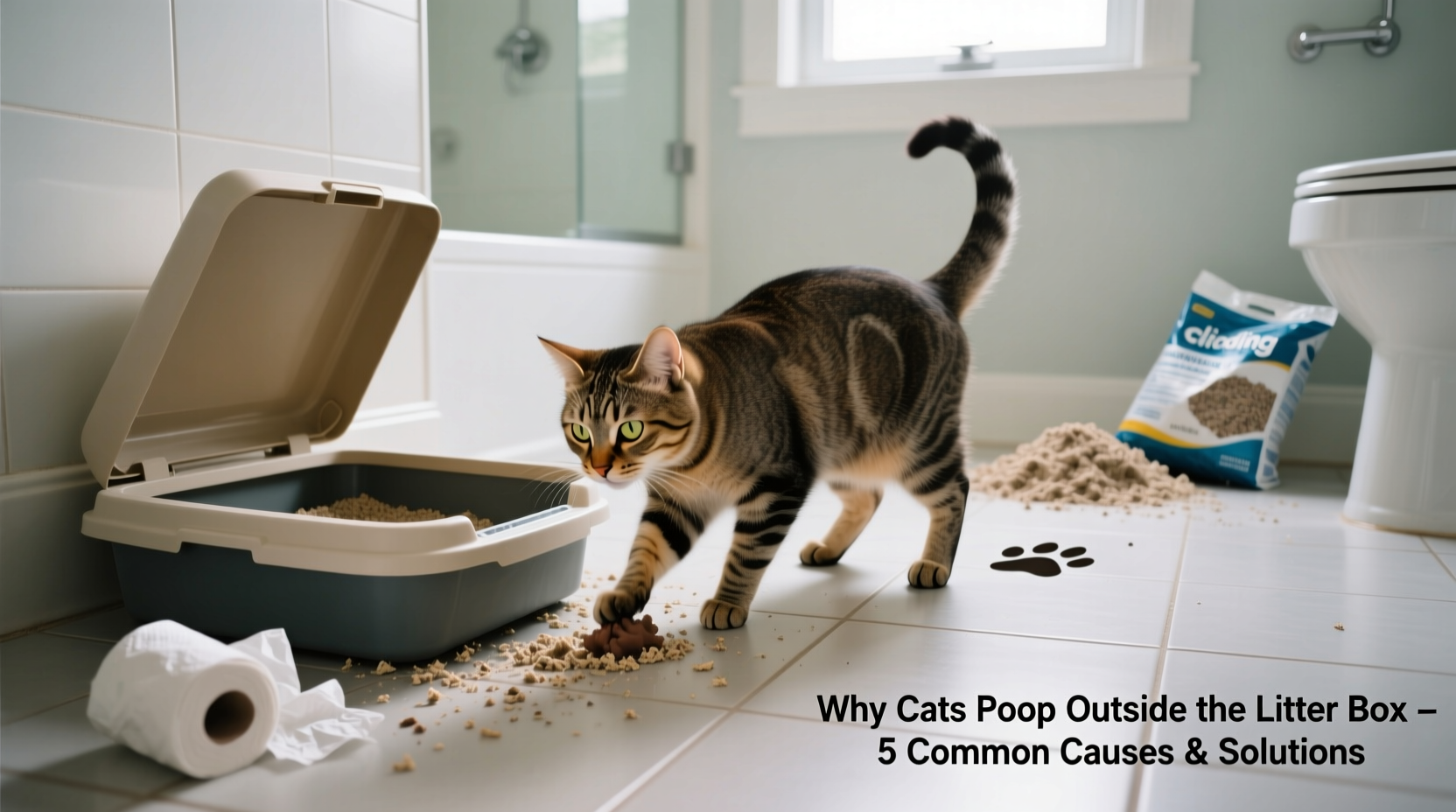
Before assuming behavioral issues, rule out health problems. Cats often avoid the litter box when using it causes pain or discomfort. Common medical conditions include:
- Gastrointestinal distress: Diarrhea or constipation can make cats associate the litter box with pain.
- Urinary tract infections (UTIs): Though more commonly linked to urination issues, UTIs can affect overall elimination habits.
- Arthritis: Older cats may struggle to climb into high-sided boxes, making defecation uncomfortable.
- Intestinal parasites: Worms or bacterial imbalances can lead to urgency and accidents.
If your cat suddenly starts pooping beside the box—especially if accompanied by vocalizing during use, straining, weight loss, or changes in appetite—a veterinary visit is essential. Early diagnosis prevents prolonged suffering and reinforces trust between pet and owner.
Tip: Always collect a fresh stool sample before visiting the vet—it can speed up diagnostic testing.Behavioral and Environmental Triggers
When medical causes are ruled out, focus shifts to stress and environment. Cats are sensitive to change. Even minor disruptions—a new household member, rearranged furniture, or loud noises near the litter area—can trigger avoidance behaviors.
Litter box aversion often stems from:
- Dirty litter box: Most cats prefer a clean box, scooped at least once daily.
- Inaccessible location: Boxes placed in noisy, high-traffic, or hard-to-reach areas deter use.
- Wrong litter type: Scented litter, sudden changes in texture, or clay dust can repel cats.
- Competition: In multi-cat homes, dominant cats may guard the box, forcing others to eliminate nearby.
“Cats don’t misbehave out of defiance. They communicate through behavior. Pooping beside the box is a cry for help.” — Dr. Lena Reyes, Feline Behavior Specialist
Solutions Checklist: How to Fix the Problem
Follow this step-by-step checklist to identify and correct the issue:
- Visit the veterinarian to rule out illness.
- Ensure the litter box is cleaned daily and fully changed weekly.
- Provide one litter box per cat, plus one extra (e.g., 3 boxes for 2 cats).
- Place boxes in quiet, low-traffic areas with multiple exit routes.
- Try unscented, clumping litter with fine granules—most cats prefer it.
- Use larger boxes or modify ones with lower entry points for seniors or kittens.
- Eliminate strong cleaning scents (ammonia, citrus) near the box—use enzyme cleaners for accidents.
- Observe which cat uses which box and separate aggressive individuals if needed.
Real-Life Example: Bella’s Bathroom Breakdown
Bella, a 7-year-old domestic shorthair, began defecating beside her litter box after her owners adopted a second cat, Milo. Initially, the family assumed Bella was “marking territory,” but the behavior worsened over two weeks. A vet visit revealed no medical issues. Upon closer observation, the owners noticed Bella would approach the box only when Milo was absent—and even then, she’d back away if startled.
The solution? They added a second litter box on the opposite side of the house, away from Milo’s favorite napping spot. They also switched from scented pine litter to unscented clumping clay. Within five days, Bella returned to consistent box use. The case highlighted how subtle social dynamics—not malice—were behind the behavior.
Do’s and Don’ts: Litter Box Best Practices
| Action | Do | Don't |
|---|---|---|
| Cleaning Frequency | Scoop waste daily; replace litter weekly | Leave waste for more than 24 hours |
| Litter Type | Use unscented, soft-textured clumping litter | Switch brands abruptly or use heavily perfumed litter |
| Box Placement | Quiet, private corner with easy access | Near washing machines, furnaces, or high foot traffic |
| Number of Boxes | One per cat + one extra | Rely on a single box for multiple cats |
| Accident Cleanup | Use enzymatic cleaner to remove odor completely | Use ammonia-based or citrus cleaners—they mimic urine scent |
Step-by-Step Guide to Restoring Proper Litter Box Use
Follow this timeline to resolve inappropriate defecation systematically:
- Day 1–2: Rule out medical causes. Schedule a vet appointment. Note any additional symptoms like vomiting, lethargy, or straining.
- Day 3: Audit your litter setup. Count boxes, assess cleanliness, and evaluate placement. Identify potential stressors (new pets, construction, etc.).
- Day 4: Optimize the environment. Add a new box in a quiet zone. Clean existing boxes thoroughly. Switch to unscented litter if needed.
- Day 5–7: Monitor behavior closely. Keep a log of when and where accidents occur. Watch for signs of aggression or anxiety.
- Day 8–14: Reinforce positive use. Praise quietly when your cat uses the box correctly. Never punish accidents—they increase fear and worsen the issue.
- Day 15+: Evaluate progress. If behavior hasn’t improved, consult a certified feline behaviorist. Persistent cases may require targeted intervention.
Frequently Asked Questions
Why does my cat poop right next to the litter box but still use it for pee?
This is surprisingly common. Defecation requires more effort and time, increasing vulnerability. If your cat feels unsafe or uncomfortable during bowel movements, they may start to leave the box mid-process. It could also indicate litter that’s too shallow for burying stool or a box that’s too small.
Can stress really cause a cat to poop outside the box?
Absolutely. Cats experience stress from changes in routine, new pets, moving, or even seasonal shifts. Stress alters hormone levels and gut motility, potentially leading to diarrhea or avoidance behaviors. Providing safe spaces, pheromone diffusers (like Feliway), and predictable routines can reduce anxiety.
Should I confine my cat to one room to retrain them?
In severe or persistent cases, temporary confinement in a quiet room with food, water, toys, and a clean litter box can help reset habits. Ensure the space is comfortable and never used as punishment. Gradually reintroduce access to the home once consistent box use resumes.
Final Thoughts: Patience and Observation Are Key
Cat pooping next to the litter box isn’t a discipline issue—it’s a communication issue. Your cat is telling you something is wrong. Whether it’s a sore joint, a dirty box, or social tension with another pet, the solution lies in empathy and investigation. Rushing to judgment or resorting to punishment only damages trust and prolongs the problem.
Start with the vet, refine your litter setup, and observe without assumption. Most cases resolve within weeks when addressed holistically. Remember: every cat is different. What works for one may not work for another. Stay flexible, stay calm, and prioritize your cat’s comfort and dignity.
💬 Have a story about overcoming litter box challenges? Share your experience in the comments—your insight could help another cat owner regain peace at home.








