
When a cat that once used the litter box consistently begins urinating on carpets, furniture, or walls without warning, it’s more than just frustrating—it’s alarming. Sudden inappropriate urination is one of the most common behavioral complaints among cat owners. While it may seem like defiance or spite, cats don’t pee outside the box for attention. This behavior almost always signals an underlying issue, whether medical, environmental, or emotional. Understanding the root cause is the first step toward restoring harmony in your home and ensuring your cat’s well-being.
Medical Causes: Rule These Out First
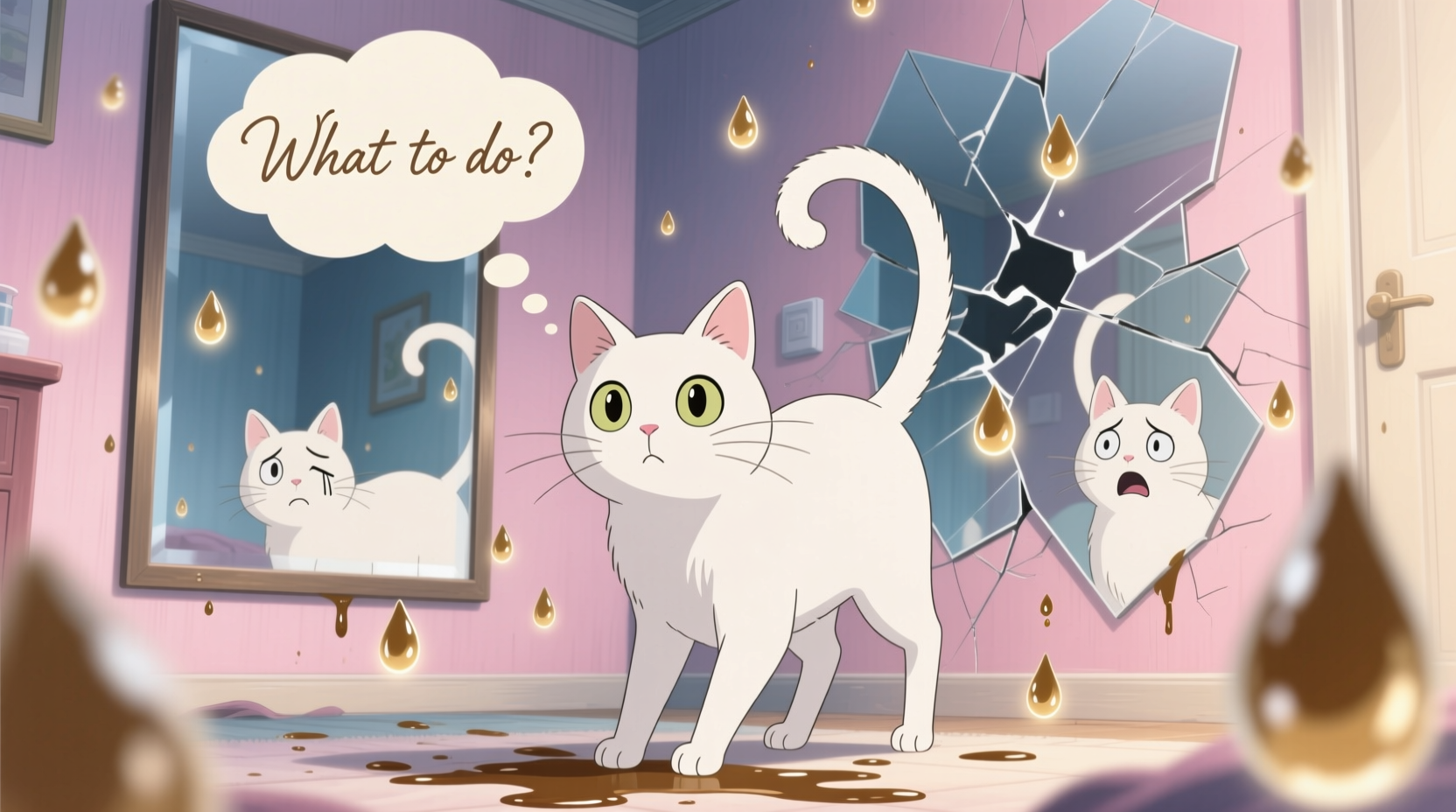
The very first consideration when your cat starts peeing outside the litter box should be health. Urinary problems are painful and urgent. Conditions such as urinary tract infections (UTIs), bladder stones, kidney disease, diabetes, or feline lower urinary tract disease (FLUTD) can make urination uncomfortable. A cat may associate pain with the litter box and begin avoiding it altogether.
Older cats are especially prone to chronic conditions like diabetes or renal failure, while younger cats may develop FLUTD due to stress or diet. Blood in the urine, frequent attempts to urinate with little output, vocalizing during urination, or excessive licking of the genital area are red flags.
Tip: Never assume it's a behavioral issue without a veterinary exam. Even if symptoms seem mild, early diagnosis can prevent life-threatening complications.“Any change in litter box habits warrants a vet visit. Painful urination is not something a cat will ‘get over’ on its own.” — Dr. Lena Torres, DVM, Feline Medicine Specialist
Environmental and Behavioral Triggers
If medical issues are ruled out, the next step is assessing your cat’s environment and routine. Cats are creatures of habit. Even small changes—like new furniture, a visiting guest, a different brand of litter, or a relocated litter box—can trigger stress-induced marking behavior.
Cats often mark territory by spraying urine vertically on walls or doors. This is different from squatting to urinate, which typically happens on horizontal surfaces. Spraying is usually driven by anxiety, competition with other pets, or perceived threats (such as outdoor cats visible through windows).
Common Environmental Stressors Include:
- New pet or person in the household
- Litter box placed near noisy appliances (washer, dryer)
- Dirty or inaccessible litter boxes
- Moved or removed litter boxes
- Strong-smelling cleaning products near elimination areas
- Multi-cat household dynamics (lack of resources)
Step-by-Step Guide to Addressing the Problem
Resolving inappropriate urination requires a methodical approach. Follow these steps in order:
- Schedule a veterinary check-up. Request a urinalysis and possibly blood work to rule out infections, crystals, or systemic illness.
- Identify recent changes. Reflect on any shifts in routine, household members, or environment within the past few weeks.
- Evaluate litter box setup. Ensure there are enough boxes (one per cat plus one extra), they’re cleaned daily, and located in quiet, low-traffic areas.
- Eliminate lingering odors. Use enzymatic cleaners—not vinegar or ammonia-based products—to break down urine scent and discourage repeat incidents.
- Reduce stress triggers. Provide vertical space (cat trees), hiding spots, and consistent routines. Consider using pheromone diffusers like Feliway.
- Reintroduce the litter box positively. Place your cat in the box after meals or naps, and reward with treats when they use it correctly.
- Monitor progress. Keep a log of accidents, timing, and locations to identify patterns.
Do’s and Don’ts: Quick Reference Table
| Do’s | Don’ts |
|---|---|
| Visit the vet immediately at first sign of change | Scold or punish your cat for accidents |
| Clean soiled areas with enzymatic cleaner | Use ammonia-based or citrus cleaners (attract cats) |
| Provide multiple clean, accessible litter boxes | Move or reduce the number of litter boxes abruptly |
| Use unscented, clumping litter unless advised otherwise | Switch litter types frequently without transition |
| Consider calming aids like Feliway or supplements | Assume the cat is acting out of revenge or jealousy |
Real-Life Example: Bella the Anxious Tabby
Bella, a 3-year-old domestic shorthair, had always been fastidious about her litter box. But after her owners adopted a second cat, she began peeing on their bedroom rug every few days. The owners were frustrated and considered rehoming the new cat. Instead, they consulted a veterinarian, who found no medical issues. A behaviorist then assessed the home and noticed only one litter box for two cats—and it was tucked behind the washing machine, a noisy and high-traffic area.
The solution? Two new litter boxes were added in quiet corners. The original box was moved to a calmer location. Feliway diffusers were installed in shared spaces. Within three weeks, Bella stopped urinating outside the box. The key wasn’t punishment or separation—it was understanding her need for security and space.
Tips for Multi-Cat Households
In homes with more than one cat, resource competition is a leading cause of elimination issues. Each cat needs its own set of core resources: food bowls, water stations, resting spots, and litter boxes—all placed in separate zones to avoid bottlenecks.
Tip: If you're unsure which cat is responsible for the accidents, ask your vet about using fluorescein dye tests. A harmless dye given orally will show up under UV light in the urine, helping identify the culprit.Frequently Asked Questions
Why is my cat peeing on my bed or clothes?
This behavior often stems from anxiety or territorial insecurity. Your bed carries your scent, making it a target for marking. It may also indicate discomfort with the litter box location or cleanliness. Address stress and ensure litter boxes are appealing and accessible.
Can diet affect my cat’s urination habits?
Yes. Diets high in minerals can contribute to crystal formation in the bladder. Wet food helps maintain hydration, which supports urinary health. Always consult your vet before changing your cat’s diet, especially if there’s a history of urinary issues.
How long does it take to fix inappropriate urination?
With proper diagnosis and intervention, improvement can begin within days. However, full resolution may take several weeks, especially if stress or multi-cat dynamics are involved. Consistency and patience are essential.
Action Plan Checklist
- ✅ Schedule a vet appointment for a full physical and urinalysis
- ✅ Count and strategically place litter boxes (n+1 rule)
- ✅ Clean all soiled areas with enzymatic cleaner
- ✅ Observe for signs of stress or conflict between pets
- ✅ Introduce calming aids like Feliway or nutritional supplements
- ✅ Monitor and record accident patterns
- ✅ Reassess environment and adjust as needed
Conclusion: Compassion Over Confrontation
A cat peeing everywhere suddenly isn’t being “bad”—they’re communicating distress. Whether it’s pain, fear, or environmental imbalance, the behavior is a symptom, not the problem itself. Responding with empathy, thorough investigation, and proactive care transforms frustration into resolution. By prioritizing your cat’s physical and emotional health, you restore not only cleanliness but trust.
💬 Has your cat overcome sudden urination issues? Share your story or questions in the comments—your experience could help another worried pet owner find peace of mind.








