
Cats are meticulous groomers by nature. A quick lick of the paw or a few passes over their coat is normal behavior. But when grooming becomes obsessive—leading to bald patches, raw skin, or constant licking—it’s time to pay attention. Overgrooming in cats can stem from both medical and behavioral causes, and distinguishing between them is crucial for proper care.
Bald patches from overgrooming aren’t just cosmetic concerns. They can indicate underlying pain, allergies, stress, or even serious illness. While mild cases may be managed at home with environmental adjustments, others require urgent veterinary intervention. Understanding the signs, causes, and appropriate responses helps pet owners make informed decisions that support their cat’s long-term well-being.
Understanding Cat Overgrooming: What’s Normal vs. Problematic?
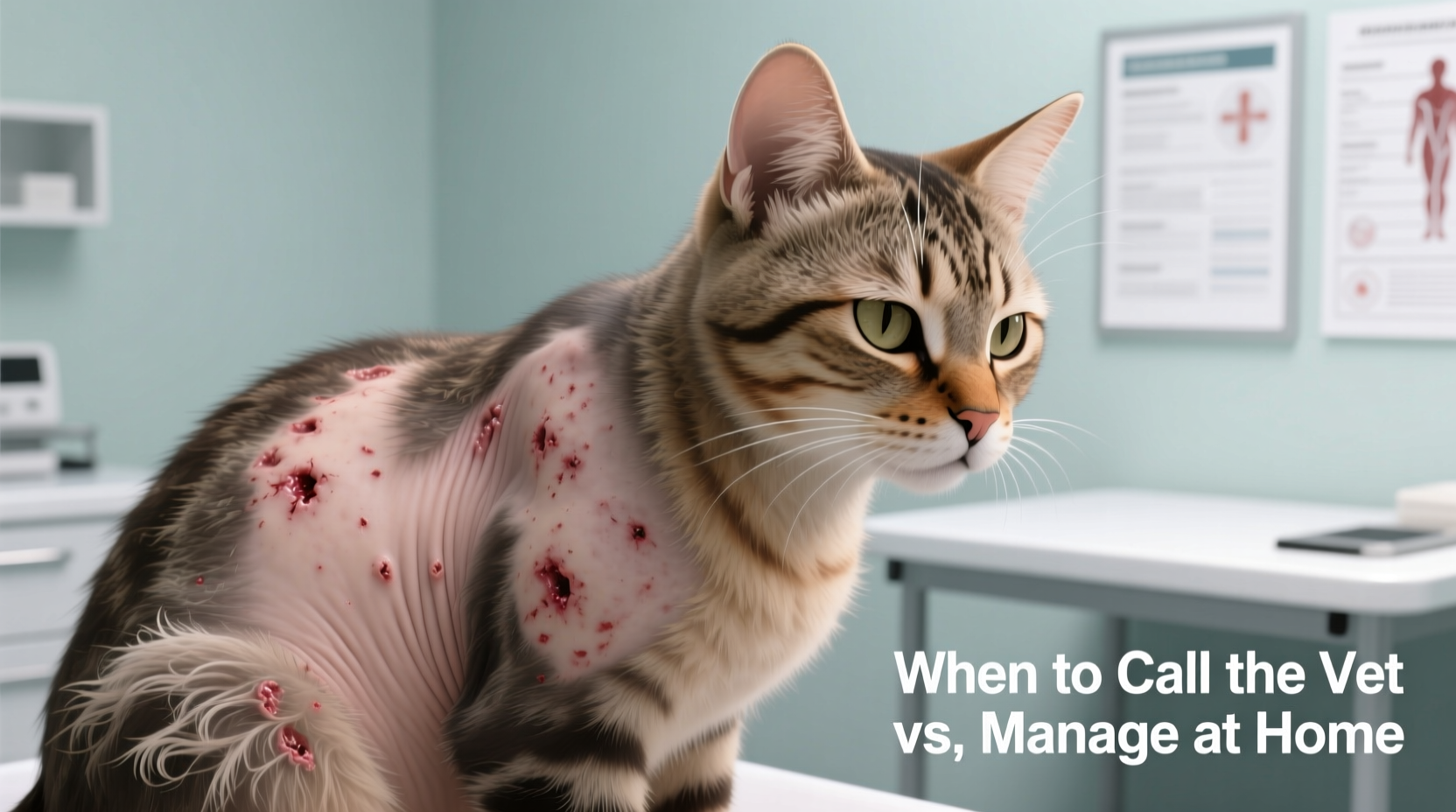
All cats groom themselves as part of their daily routine. Grooming helps regulate body temperature, remove loose fur, and maintain skin health. However, overgrooming—also known as psychogenic alopecia or excessive licking—occurs when a cat spends an abnormal amount of time grooming, often focusing on one area until fur thins or disappears.
Signs of problematic overgrooming include:
- Bare patches, especially along the belly, inner thighs, or forelegs
- Skin irritation, redness, or sores
- Hairballs more frequent than usual
- Obsessive licking, biting, or chewing that interrupts other activities
- Licking that continues despite distraction or interruption
Unlike seasonal shedding or minor matting, overgrooming leads to visible hair loss and can progress rapidly. The texture of the remaining fur may become coarse or matted due to constant saliva exposure. In some cases, secondary infections develop if the skin barrier is compromised.
Tip: Use a soft brush weekly to assess coat condition and detect thinning areas before they become severe.Common Causes of Bald Patches from Overgrooming
Overgrooming is a symptom, not a diagnosis. It can arise from a wide range of triggers, broadly categorized into medical and behavioral causes.
Medical Causes
Before assuming stress or boredom, rule out physical conditions that cause discomfort or itching:
- Allergies: Flea allergy dermatitis is the most common culprit. Even a single flea bite can trigger intense itching. Environmental allergens (pollen, dust mites) or food sensitivities may also lead to overgrooming.
- Skin infections: Bacterial or fungal infections like ringworm irritate the skin and prompt excessive licking.
- Pain: Arthritis, dental pain, or abdominal discomfort may cause a cat to focus grooming on nearby areas as a displacement behavior.
- Parasites: Mites (such as those causing notoedric mange) create intense itchiness, particularly around the ears, face, and neck.
- Hormonal imbalances: Hyperthyroidism or adrenal disorders can alter skin condition and grooming patterns.
Behavioral Causes
When medical issues are ruled out, psychological factors may be at play:
- Stress or anxiety: Changes in the household—new pets, moving, loud noises—can trigger compulsive behaviors.
- Boredom: Indoor cats without sufficient enrichment may resort to overgrooming as a self-soothing habit.
- Attention-seeking: Some cats learn that licking gets a reaction from owners, reinforcing the behavior.
- Routine disruption: Loss of a family member (human or animal) or schedule changes can increase grooming frequency.
“Overgrooming is often the only outward sign of distress in cats. Because they hide illness so well, persistent licking should never be ignored.” — Dr. Lena Reyes, DVM, Feline Behavior Specialist
When to Manage at Home: Safe First Steps
Not every instance of overgrooming requires immediate veterinary care. If the behavior is new, mild, and no open wounds are present, you can take initial steps at home while monitoring closely.
Step-by-Step Guide: At-Home Assessment and Intervention
- Inspect the skin: Part the fur gently to check for redness, scabs, fleas, or rash. Use a flea comb if needed.
- Review recent changes: Note any alterations in diet, environment, or routine that might contribute to stress.
- Improve environmental enrichment: Add scratching posts, puzzle feeders, window perches, and interactive toys.
- Establish a routine: Feed, play, and interact at consistent times to reduce anxiety.
- Use calming aids: Consider pheromone diffusers (e.g., Feliway) or natural supplements containing L-theanine or chamomile.
- Prevent access to affected areas: Use a soft collar temporarily if the cat is breaking the skin, but avoid prolonged use without vet consultation.
If the bald patch does not expand within 3–5 days and the cat resumes normal activity, the issue may be behavioral and manageable with ongoing enrichment and monitoring.
Tip: Record a short video of your cat grooming when you're not interacting. This helps identify whether the behavior is constant or situational.When to Call the Vet: Red Flags and Urgent Signs
Some symptoms demand prompt veterinary evaluation. Delaying care can lead to worsening skin damage, infection, or missed diagnoses of serious conditions.
Urgent Indicators That Require a Vet Visit
- Open sores, bleeding, or oozing skin
- Signs of pain: limping, vocalizing, or reluctance to be touched
- Sudden onset of overgrooming after medication or diet change
- No improvement after 5–7 days of home management
- Weight loss, lethargy, or changes in appetite/urination alongside grooming
- Flea dirt, visible parasites, or ring-like skin lesions (possible ringworm)
A veterinarian will perform a full diagnostic workup, which may include:
- Skin scrapings to check for mites
- Fungal cultures for ringworm
- Allergy testing or dietary trials
- Bloodwork to assess organ function and hormone levels
- Imaging if internal pain is suspected
| Sign | Manage at Home? | Call the Vet? |
|---|---|---|
| Small, symmetrical bald patch; cat otherwise active | Yes, monitor for 5 days | No, unless it worsens |
| Raw, inflamed skin with scabbing | No | Yes, immediately |
| Grooming increases during storms or visitors | Yes, with enrichment | Only if unresponsive to behavioral changes |
| Multiple bald spots + weight loss | No | Yes, urgent |
| Suspected flea exposure | Only if using vet-approved treatment | Yes, for confirmation and safe options |
Mini Case Study: Luna, the Anxious Apartment Cat
Luna, a 4-year-old female domestic shorthair, lived in a high-rise apartment with her owner, Mark. After Mark started working from home, Luna began spending hours licking her inner thighs. Within two weeks, she developed coin-sized bald patches.
Mark first tried increasing playtime and adding a window bird feeder. He used a Feliway diffuser and switched to a hypoallergenic litter. After five days, the patches hadn’t improved—and Luna began avoiding petting.
He took her to the vet. A skin scraping revealed no parasites, but a food trial identified a chicken sensitivity. With a novel protein diet and continued environmental enrichment, Luna’s coat regrew within eight weeks. The key was early vet involvement once home efforts failed.
This case illustrates how multiple factors—diet, environment, and individual temperament—can converge. Without professional input, Mark might have misattributed the cause solely to stress.
Checklist: Responding to Cat Overgrooming
Use this checklist to determine your next steps:
- ☐ Inspect the skin for wounds, parasites, or rash
- ☐ Note when and where grooming occurs (video helps)
- ☐ Eliminate obvious stressors (new pets, loud noises)
- ☐ Increase mental stimulation (toys, climbing structures)
- ☐ Try a calming aid like a pheromone diffuser
- ☐ Monitor for 5–7 days for changes
- ☐ Contact your vet if no improvement or signs worsen
- ☐ Schedule a vet visit if skin is broken or cat seems unwell
FAQ: Common Questions About Cat Overgrooming
Can overgrooming heal on its own?
In rare cases of mild, stress-induced grooming, yes—especially if the trigger is removed quickly. However, most persistent cases require intervention. Left untreated, overgrooming can become a compulsive habit even after the original cause resolves.
Is it safe to use human hydrocortisone cream on my cat?
No. Human topical steroids can be toxic if ingested, and cats will lick off any product applied to their skin. Only use medications prescribed by a veterinarian, such as oral antihistamines, antibiotics, or anti-anxiety treatments.
How long does it take for fur to grow back after overgrooming stops?
If the hair follicles are intact, regrowth typically begins within 2–6 weeks after the cause is addressed. Full recovery may take several months. In chronic cases with scar tissue, regrowth may be patchy or incomplete.
Conclusion: Prioritize Your Cat’s Comfort and Health
Overgrooming leading to bald patches is more than a grooming quirk—it’s a signal. Whether rooted in physical discomfort or emotional stress, it deserves thoughtful attention. Early observation and timely action can prevent minor issues from becoming chronic conditions.
Managing mild cases at home is reasonable, but knowing when to seek professional help is equally important. Your veterinarian is not just a last resort but a partner in understanding your cat’s unique needs. By combining attentive care at home with expert diagnostics when needed, you give your cat the best chance at a comfortable, healthy life.
💬 Have experience with cat overgrooming? Share your story or tips in the comments—your insight could help another pet owner recognize the signs early.








