Choosing the right cat litter can feel like navigating a minefield of claims: “superior odor control,” “long-lasting,” “low tracking.” Among the most debated options are traditional wood or paper-based pellets and the increasingly popular silica gel crystals. While crystal litters dominate premium shelves and online ads, many pet owners wonder—does their performance truly justify the price, or is it all clever branding?
The truth lies somewhere in between. Both pellet and crystal litters have distinct advantages and drawbacks, shaped by material science, feline behavior, and household practicality. This deep dive examines how they stack up across key criteria: absorbency, odor management, dust levels, environmental impact, and long-term value.
How Pellet and Crystal Litters Work Differently
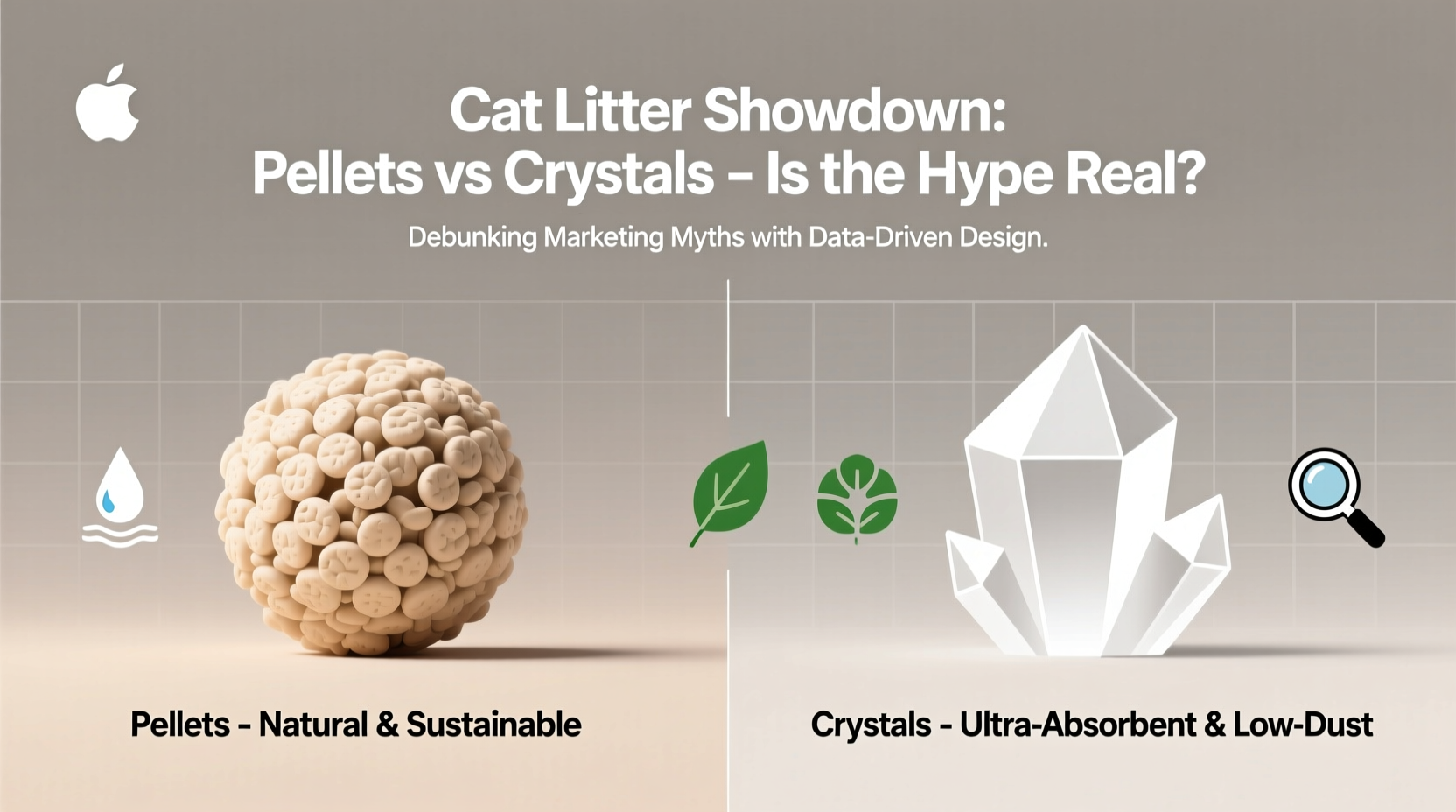
Pellet-style litters are typically made from compressed natural materials such as recycled paper, pine, or wood fibers. These biodegradable pellets absorb urine through capillary action, swelling and breaking apart when wet. Solid waste remains on the surface, making scooping easier for some owners. The natural composition often imparts a mild scent—especially with pine—which some find pleasant and others overpowering.
In contrast, crystal litters are composed of silica gel, a synthetic desiccant engineered to trap moisture at a molecular level. Instead of absorbing liquid like a sponge, these tiny porous beads draw in moisture and lock it inside, minimizing clumping and reducing bacterial growth that causes odors. Because they don’t break down quickly, manufacturers claim one bag can last weeks—even months—with minimal daily maintenance.
“Silica crystals excel in moisture entrapment but offer no enzymatic breakdown of waste compounds. Their odor suppression is physical, not biological.” — Dr. Lena Torres, Veterinary Behaviorist and Feline Health Researcher
Performance Face-Off: Key Factors Compared
| Feature | Pellet Litter | Crystal Litter |
|---|---|---|
| Absorbency | Moderate; swells and softens when wet, may leak if saturated | High; traps moisture within beads, stays dry on top |
| Odor Control | Varies by material; pine has natural masking scent, but ammonia smell can persist | Excellent initially; traps urine vapor, though old crystals can emit stale odor |
| Dust Level | Low (especially paper/pine), gentle on respiratory systems | Very low; nearly dust-free when poured |
| Tracking | Minimal due to larger size and lightweight nature | Can be high—small beads stick to paws and scatter |
| Lifespan | Shorter; needs full change every 1–2 weeks | Longer; can last 4–6 weeks with daily scooping |
| Eco-Footprint | Biodegradable, compostable (if unscented), sustainable sourcing | Non-biodegradable, petroleum-derived, not recyclable |
| Cat Acceptance | Mixed; texture unfamiliar to some cats used to clay | Mixed; crunchy texture and static charge may deter sensitive cats |
Real-World Tradeoffs: Cost vs. Convenience
Crystal litters are often marketed as “set it and forget it” solutions, promising less frequent changes and superior freshness. In theory, this reduces labor and long-term costs. But real-world use reveals nuances.
A 14-pound jug of premium crystal litter can cost $35–$45—nearly double the price of a comparable volume of pellet litter. While you might only replace it once a month for a single-cat household, many users report needing to supplement or change sooner due to accumulated feces odor or dust buildup. Additionally, the beads degrade over time, losing porosity and eventually releasing trapped moisture and smells.
Pellet litters, while cheaper upfront ($15–$25 per bag), require more frequent disposal. However, because they’re flushable (check brand guidelines) or compostable, disposal becomes simpler and more eco-friendly. For households prioritizing sustainability, this offsets the higher replacement frequency.
Tip: If using crystal litter, sift monthly to remove dust and degraded beads—this extends usability and improves hygiene.Health and Safety: What Manufacturers Don’t Highlight
Silica gel is generally considered non-toxic, but concerns remain about inhalation of fine particulate matter during pouring, especially in enclosed spaces. Though modern crystal litters are engineered to minimize dust, microscopic fragments can still become airborne. Cats who dig vigorously may inhale these particles, potentially irritating sensitive respiratory tracts—particularly problematic for asthmatic or elderly cats.
Pellet litters avoid synthetic chemicals entirely. Pine and paper variants are naturally antimicrobial and free from added fragrances (in unscented versions). However, scented pellet brands sometimes use essential oils that can be toxic to cats, so always verify ingredient safety.
Another overlooked issue: kittens and curious cats may chew or ingest litter. While accidental ingestion of small amounts of silica crystals isn’t acutely toxic, it provides zero nutritional value and could cause intestinal blockage if consumed regularly. Pellets made from food-safe materials pose lower risks in accidental ingestion scenarios.
Mini Case Study: One Owner’s Switch Back to Pellets
Sarah M., a cat owner in Portland, switched to crystal litter after seeing influencer endorsements praising its 30-day freshness. Initially impressed, she noticed her senior cat, Milo, began avoiding the box after two weeks. She assumed it was behavioral until switching back to pine pellets.
“Within days, Milo returned to normal,” Sarah said. “I realized the crystals had started to smell faintly sour at the bottom, even though the top felt dry. I hadn’t noticed because I wasn’t changing the entire bin. With pellets, I change it completely every ten days, but I know it’s fresh throughout.”
Her experience underscores a common blind spot: relying too heavily on surface-level dryness without assessing microbial activity beneath.
Step-by-Step Guide to Choosing the Right Litter
- Assess your cat’s preferences: Note whether your cat likes soft, fine textures or doesn’t mind coarser materials. Introduce new litters gradually by mixing with the old.
- Test for odor control: Use each type for at least one week in a clean box. Monitor ammonia buildup and overall room smell.
- Check tracking: Place a mat under the litter box and evaluate residue left behind after a few days.
- Evaluate ease of disposal: Consider whether you can compost, flush (if safe), or must trash the used litter.
- Monitor health signs: Watch for excessive sneezing, paw licking, or litter avoidance, which may indicate irritation.
- Calculate true cost: Divide total bag price by number of weeks it lasts to determine weekly expense.
Frequently Asked Questions
Are crystal litters safe for kittens?
Caution is advised. Kittens explore with their mouths and may ingest crystals. While not immediately poisonous, large ingestions could lead to gastrointestinal issues. Opt for natural, non-clumping pellet litters during early development.
Why do crystal litters sometimes smell worse over time?
As the beads become saturated, their ability to trap odor diminishes. Bacteria can grow on residual organic matter between beads, especially if feces aren’t removed promptly. Eventually, the entire batch should be replaced.
Can I mix pellet and crystal litters?
Mixing is technically possible but not recommended. Pellets absorb moisture and may swell or disintegrate among crystals, disrupting the intended drying mechanism and creating an inconsistent texture cats may reject.
Final Verdict: Hype or Help?
The popularity of crystal litters isn’t baseless—they deliver on core promises of dry surfaces and extended usability. For busy households with one cat and minimal odor sensitivity, they can be a convenient, low-maintenance option. But convenience comes at a cost: environmental toll, potential health concerns, and diminishing returns over time.
Pellet litters, though less flashy, offer transparency. They’re rooted in renewable resources, safer for vulnerable cats, and provide honest performance without hidden degradation. When properly maintained, they perform admirably in odor and absorbency—especially newer formulations enhanced with activated charcoal or plant-based enzymes.
The hype around crystals reflects effective marketing more than revolutionary superiority. Real value depends on your priorities: long-term cost savings and sustainability favor pellets; maximum dryness and reduced scoop frequency lean toward crystals.
🚀 Ready to make an informed choice? Try a small bag of each type, track your cat’s behavior and your own satisfaction over two weeks, then decide based on evidence—not ads. Share your findings with fellow cat owners—your experience could help someone else skip the marketing trap.








