
Indoor cats often show a curious fascination with greenery—chewing on houseplants, nibbling at blades near open windows, or even attempting to graze on outdoor lawns during supervised visits. This behavior isn't unusual; many cats naturally seek out plant matter as part of their instinctual diet. For pet owners, this raises an important question: should you let your cat eat whatever grass it finds, or is specially grown \"cat grass\" a safer alternative?
The short answer is yes—cat grass is generally safer than regular lawn grass for indoor cats. But understanding why requires a closer look at what each type of grass is, how they differ in composition and cultivation, and what risks may come with letting your cat snack on random yard clippings.
What Is Cat Grass—and Why Do Cats Eat It?
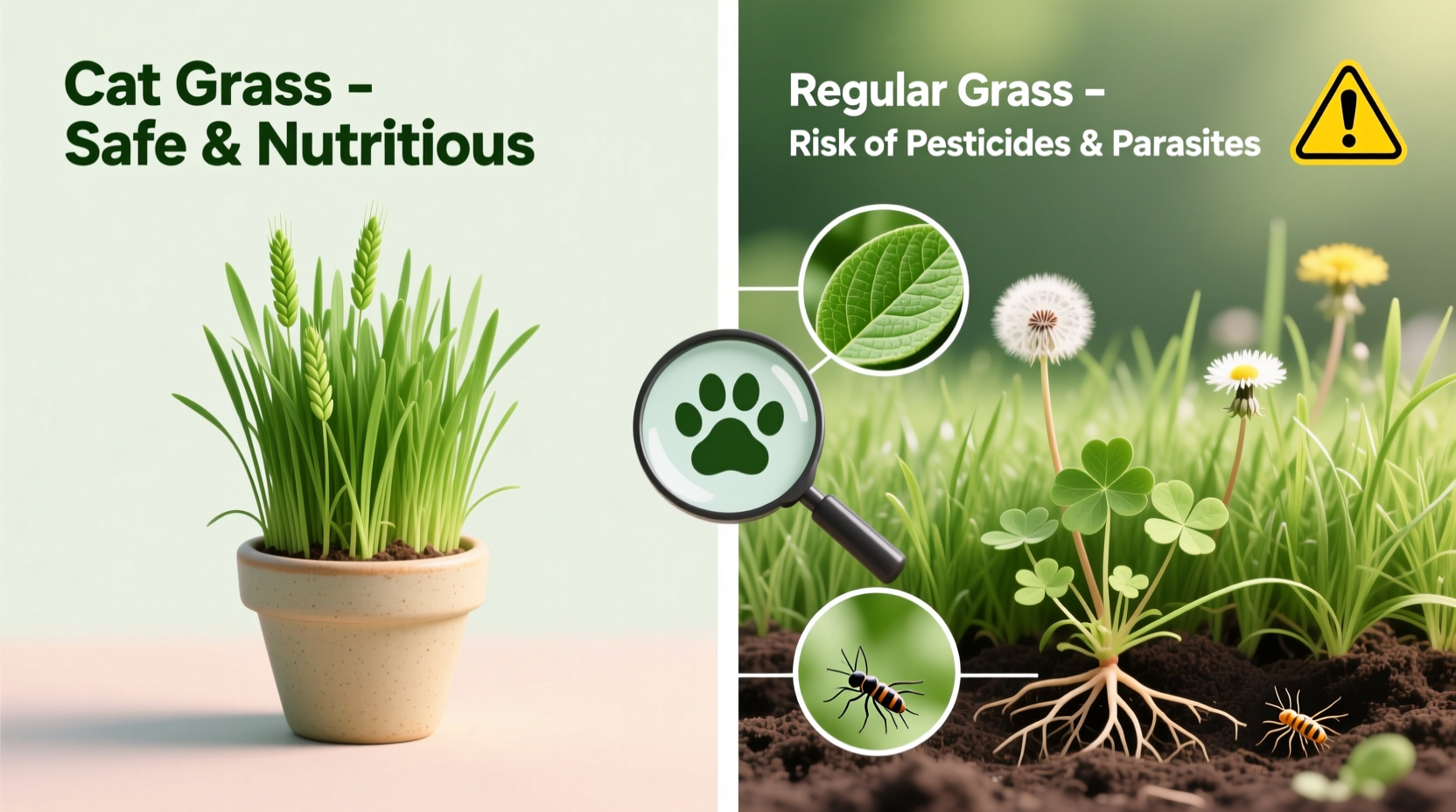
Cat grass isn’t a single species but typically refers to young cereal grasses such as wheatgrass, oat grass, barley, or rye. These are grown from seeds specifically for pets, usually indoors in controlled conditions. The grass is harvested when tender and nutrient-rich, making it appealing and digestible for cats.
Despite being obligate carnivores, cats frequently consume plant material. Veterinarians and animal behaviorists believe this habit serves several purposes:
- Digestive aid: Grass can act as a natural laxative or induce vomiting to help expel indigestible materials like fur or bones.
- Nutrient supplement: Young grass contains folic acid (vitamin B9), which supports oxygen flow in the bloodstream.
- Instinctual behavior: In the wild, prey animals often have plant matter in their stomachs, so consuming grass may mimic ancestral dietary patterns.
Importantly, cat grass is non-toxic and cultivated without pesticides or chemical fertilizers, reducing health risks significantly compared to most outdoor alternatives.
Tip: Introduce cat grass gradually into your cat’s environment. Some cats may overindulge at first, leading to mild digestive upset.Regular Lawn Grass: Hidden Dangers for Indoor Cats
While it might seem harmless for your indoor cat to nibble on backyard grass during a patio visit or through an open window, regular lawn grass carries multiple potential hazards that make it less suitable than purpose-grown cat grass.
Lawn grass—typically varieties like Kentucky bluegrass, Bermuda, or fescue—is maintained for aesthetic appeal, not pet safety. As such, it's commonly treated with:
- Pesticides and herbicides: Chemicals used to kill weeds and insects can be toxic if ingested, even in small amounts.
- Fertilizers: High-nitrogen lawn feeds can cause gastrointestinal irritation, drooling, or more serious poisoning symptoms.
- Environmental contaminants: Dog feces, bird droppings, motor oil residue, or mold spores may coat grass blades.
In addition, certain ornamental grasses or weeds growing alongside lawn grass—such as lilies, daffodils, or sago palms—can be deadly to cats. Even if your lawn appears clean, cross-contamination is hard to control.
“Outdoor grass may look inviting, but it’s essentially unregulated from a pet safety standpoint. I always recommend indoor-grown cat grass instead.” — Dr. Lena Patel, DVM, Feline Wellness Specialist
Comparing Cat Grass and Regular Grass: A Safety Breakdown
| Feature | Cat Grass | Regular Lawn Grass |
|---|---|---|
| Grown for Pets? | Yes – specifically labeled for cats | No – grown for aesthetics |
| Treated with Pesticides? | Rarely – organic options widely available | Often – standard lawn maintenance |
| Common Contaminants | Minimal – grown indoors | High – feces, chemicals, pollutants |
| Toxicity Risk | Very low – non-toxic species used | Moderate to high – weed exposure possible |
| Nutritional Value | High – rich in chlorophyll and folic acid | Variable – depends on soil and care |
| Accessibility | Controlled – only when provided | Uncontrolled – potential overconsumption |
This comparison clearly shows that cat grass offers superior safety and consistency. While not all outdoor grass is inherently dangerous, the variability in treatment and contamination makes it a riskier choice for regular consumption.
How to Grow and Maintain Safe Cat Grass at Home
Providing your cat with fresh, safe grass is simple and cost-effective. With minimal effort, you can grow a continuous supply indoors year-round. Here’s a step-by-step guide:
- Choose the right seeds: Purchase organic cat grass seed blends (wheat, oat, or barley) from a reputable pet or garden supplier.
- Select a container: Use a shallow tray or pot with drainage holes. Line the bottom with pebbles if needed.
- Add soil: Fill with organic potting mix—avoid fertilized soils or those containing perlite or vermiculite.
- Plant the seeds: Sprinkle seeds evenly across the surface and lightly press them into the soil. Cover with a thin layer of soil.
- Water gently: Mist the surface until damp. Keep moist but not soggy during germination (3–7 days).
- Place in indirect light: Once sprouted, move to a bright spot away from direct sunlight.
- Harvest when ready: Grass is ideal at 4–6 inches tall. Most cats prefer it young and tender.
- Replace regularly: Discard after 1–2 weeks or when soiled, discolored, or moldy. Replant for a fresh batch.
Real-Life Example: Bella’s Upset Stomach After Yard Time
Sarah, a cat owner from Portland, allowed her 3-year-old tabby Bella occasional access to a securely fenced backyard. One spring afternoon, Bella spent time sniffing and chewing on the lush green grass. Within hours, she began drooling excessively and vomited twice.
Concerned, Sarah took Bella to the vet. After ruling out infections and blockages, the veterinarian asked about recent environmental exposure. Sarah mentioned the lawn, which had been recently treated with a weed-and-feed product.
The vet concluded that Bella likely ingested residual fertilizer from the grass. She recovered with supportive care, but Sarah now grows organic cat grass indoors and no longer allows unsupervised yard access.
Bella’s case illustrates how seemingly benign outdoor activities can carry hidden dangers—even in well-maintained yards.
Expert Recommendations and Best Practices
Veterinary professionals consistently emphasize prevention when it comes to feline plant consumption. While occasional grass-eating is normal, ensuring that the source is safe is critical.
Dr. Alan Torres, a board-certified veterinary nutritionist, advises:
“Cats don’t need grass to survive, but many benefit from it behaviorally and physically. When offered, it should be clean, predictable, and free of toxins. That’s exactly what cat grass provides.” — Dr. Alan Torres, DACVN
Experts also warn against assuming that “natural” means “safe.” Many common garden plants and lawn treatments are derived from natural sources but remain highly toxic to cats. For instance, pyrethrin-based insecticides, though plant-derived, can cause tremors and seizures in felines.
FAQ: Common Questions About Cat Grass and Lawn Safety
Can cats get sick from eating too much cat grass?
Occasionally, cats may vomit after eating large amounts of grass, but this is usually due to mechanical stimulation rather than toxicity. In moderation, cat grass is safe. If your cat seems lethargic, refuses food, or has persistent vomiting, consult a vet.
Is there a difference between catnip and cat grass?
Yes. Catnip (Nepeta cataria) is a mint-family herb that affects the nervous system, causing euphoria or sedation in responsive cats. Cat grass, by contrast, is a dietary supplement with no psychoactive effects. Both are safe, but serve different purposes.
Do all cats need cat grass?
No. Not all cats show interest in grass. Some never chew on plants, while others do so infrequently. Providing cat grass is optional but recommended for households where grazing behavior is observed.
Final Thoughts: Prioritize Safety Without Suppressing Natural Behavior
Cats are instinct-driven animals, and their desire to eat grass is both normal and potentially beneficial. Rather than discouraging this behavior, responsible pet owners should redirect it toward safer outlets. Cat grass offers a clean, controllable, and enriching option that aligns with a cat’s natural impulses while minimizing health risks.
Unlike regular lawn grass—which may harbor pesticides, parasites, or toxic plants—cat grass is cultivated with feline well-being in mind. It supports digestion, provides trace nutrients, and satisfies curiosity without exposing cats to preventable dangers.
By growing your own cat grass, monitoring your pet’s interaction with outdoor environments, and staying informed about household and yard safety, you create a healthier, more enriched life for your indoor cat.
💬 Have you tried growing cat grass at home? Share your experience or tips in the comments below—your insights could help other cat owners make safer choices!








