
Cat owners often seek natural ways to enrich their feline’s environment. Two popular options—cat grass and catnip—are frequently used to stimulate play, reduce stress, and promote healthy digestion. While both are plant-based and safe for cats, they serve different purposes and elicit distinct behavioral responses. Understanding the differences between cat grass and catnip is essential for choosing the right option to keep your cat mentally stimulated and physically active. This article breaks down their effects, benefits, risks, and real-world impact on feline engagement.
Understanding Cat Grass: More Than Just a Chew Toy
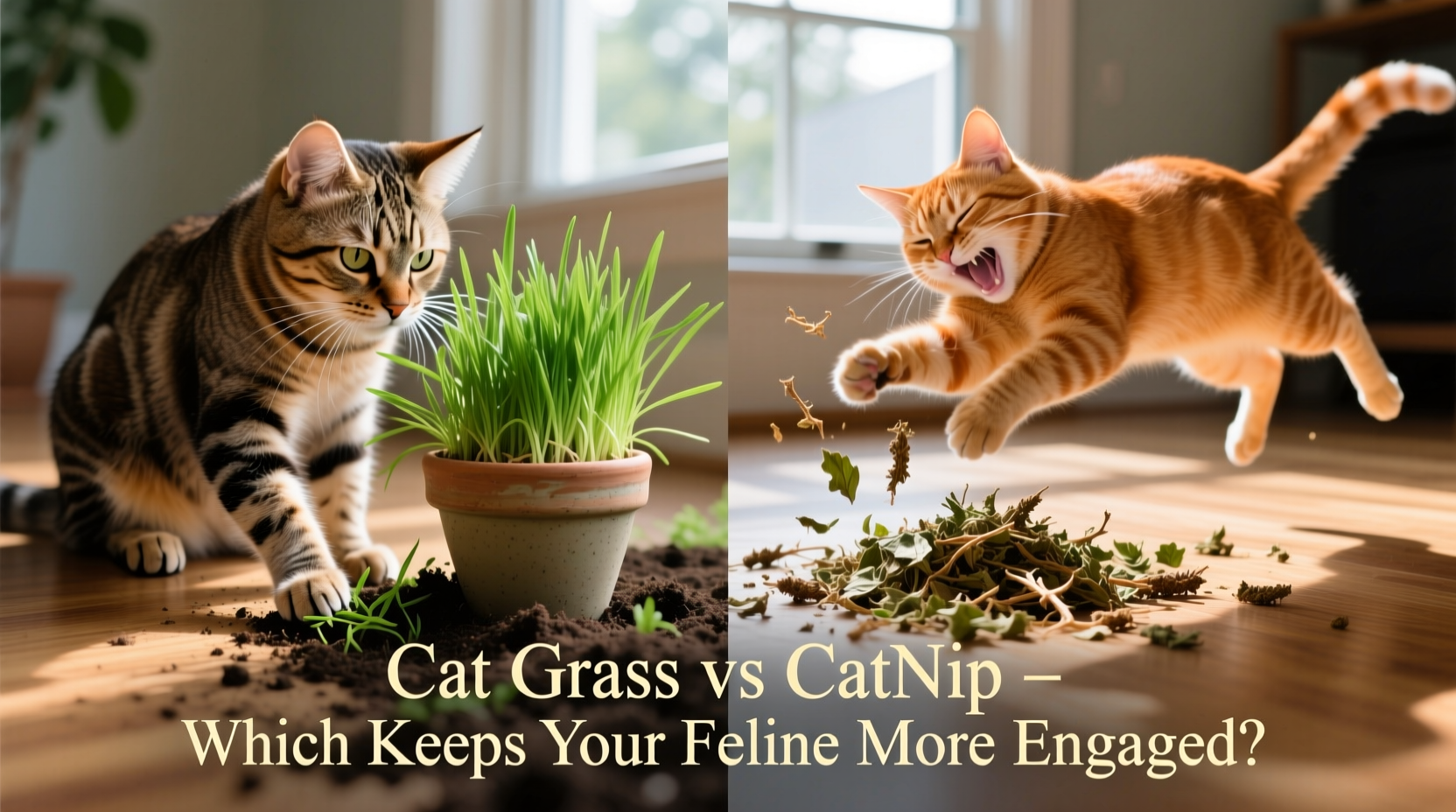
Cat grass typically refers to young cereal grasses such as wheatgrass, oat grass, barley, or rye. It is not psychoactive and does not alter a cat’s mental state. Instead, it serves primarily as a dietary supplement and digestive aid. Many cats instinctively chew on grass in the wild, and domestic cats retain this behavior.
The act of chewing grass can help cats expel hairballs by stimulating vomiting when necessary. Additionally, grass contains trace nutrients like folic acid (vitamin B9), which supports oxygen transport in the blood. Unlike outdoor lawn grass that may be treated with pesticides, commercially grown cat grass is cultivated specifically for pet consumption and is free from harmful chemicals.
Tip: Rotate fresh batches of cat grass every 7–10 days to maintain freshness and prevent mold growth.Benefits of Cat Grass
- Aids in digestion and hairball control
- Provides trace nutrients like chlorophyll and folic acid
- Offers a safe outlet for chewing instincts
- Encourages gentle, sustained interaction over time
- Non-addictive and safe for daily access
While cat grass doesn’t produce euphoric reactions, it fosters consistent low-level engagement. Cats may return to it throughout the day to nibble, especially after grooming sessions. For indoor cats lacking environmental variety, having accessible cat grass introduces a natural element into their routine.
What Is Catnip and How Does It Work?
Catnip (Nepeta cataria) is a member of the mint family known for its potent effect on approximately 50–70% of cats. The active compound, nepetalactone, binds to receptors in the cat’s nasal tissue, triggering a temporary response in the brain that mimics feline pheromones. This reaction typically lasts 5 to 15 minutes and includes behaviors such as rolling, rubbing, licking, hyperactivity, or even zoning out.
Not all cats respond to catnip. Sensitivity is hereditary, and kittens under six months and senior cats are less likely to react. Once exposed, cats usually go through a refractory period of about 30 minutes before they can respond again.
“Catnip activates neural pathways associated with pleasure and excitement in susceptible cats. It’s one of the safest and most effective tools for short-term enrichment.” — Dr. Lena Reyes, Feline Behavior Specialist
Forms of Catnip
- Dried leaves: Sprinkled in toys or scratching posts
- Live plants: Allow sniffing and gentle interaction
- Sprays: Useful for refreshing old toys or targeting specific areas
- Stuffed toys: Provide prolonged tactile stimulation
The intensity of the reaction varies widely. Some cats become playful and energetic; others become relaxed or even sedated. Rarely, overstimulation can lead to mild aggression or anxiety, so monitoring is advised during initial use.
Comparative Engagement: Which One Holds Attention Longer?
When evaluating which plant keeps cats more engaged, it's important to distinguish between intensity and duration of interaction.
| Factor | Cat Grass | Catnip |
|---|---|---|
| Engagement Type | Low-intensity, repetitive chewing | High-intensity, short-lived euphoria |
| Average Duration | Multiple brief sessions per day | 5–15 minutes per exposure |
| Frequency of Use | Daily, continuous access possible | Limited to 1–2 times per day due to refractory period |
| Behavioral Response | Calm, focused grazing | Rolling, rubbing, hyperactivity |
| Long-Term Interest | Moderate; consistent but subtle | High initially; may wane if overused |
| Safety Profile | Very high; non-toxic, digestible | High; no lasting side effects |
Catnip delivers a dramatic burst of engagement, making it ideal for encouraging play or re-engaging a lethargic cat. However, its effects are fleeting and cannot be repeated continuously. In contrast, cat grass offers quieter, ongoing interaction. A cat might spend only 30 seconds at a time chewing grass, but could do so five or six times a day, resulting in comparable total engagement time.
Real-World Example: Indoor Cat Enrichment Study
In a small observational study conducted by a Toronto-based cat behavior clinic, ten indoor-only cats were provided with rotating access to cat grass, dried catnip, and catnip-infused toys over a four-week period. Cameras recorded daily interactions, and owners logged notable behaviors.
The results showed that while all cats responded strongly to catnip the first time it was introduced, three stopped reacting after two weeks of daily exposure. Meanwhile, eight out of ten cats consistently returned to the cat grass throughout the trial, particularly after meals or grooming. One Birman cat, previously labeled “sedentary” by its owner, increased activity levels by 40% when cat grass was placed near a sunlit window perch.
Interestingly, combining both elements—placing a catnip toy next to a pot of cat grass—produced the highest overall engagement. Cats would first interact intensely with the catnip, then transition to calm grazing afterward, suggesting a complementary effect.
Tip: Combine catnip and cat grass in the same space to create a multi-phase enrichment zone—play followed by relaxation.Step-by-Step Guide to Introducing Cat Grass and Catnip
Introducing either plant requires care to ensure safety and positive associations. Follow this timeline for best results:
- Week 1 – Start with cat grass: Purchase organic, pesticide-free seeds or pre-grown trays. Place in a stable, accessible location away from foot traffic. Monitor for chewing and any signs of digestive upset (rare).
- Week 2 – Introduce catnip cautiously: Use a small pinch of dried catnip or a sealed toy. Observe your cat’s reaction for at least 10 minutes. Note whether they become playful, indifferent, or anxious.
- Week 3 – Adjust frequency: If your cat responds well to catnip, limit exposure to 1–2 times per week to prevent habituation. Continue offering cat grass daily.
- Week 4 – Combine strategically: Place a catnip toy near the cat grass container. Rotate catnip toys weekly to maintain novelty.
- Ongoing – Refresh and replace: Replace cat grass every 7–10 days. Store dried catnip in an airtight container in the freezer to preserve potency.
This gradual approach prevents sensory overload and allows you to assess your cat’s preferences accurately.
Common Misconceptions and Safety Concerns
Despite their popularity, both cat grass and catnip are surrounded by myths.
- Myth: Catnip is addictive.
Truth: There is no evidence of dependency. The temporary nature of the response makes addiction impossible. - Myth: All cats love catnip.
Truth: Up to half of all cats show no reaction due to genetics. - Myth: Eating cat grass causes vomiting.
Truth: Occasional vomiting is normal and beneficial for hairball removal, but frequent vomiting should be evaluated by a vet. - Myth: Any grass is safe.
Truth: Lawn grass treated with fertilizers or herbicides can be toxic. Always provide dedicated cat-safe grass.
Neither plant is toxic, but moderation is key. Overconsumption of catnip may cause mild gastrointestinal upset. Similarly, moldy cat grass (which can develop if overwatered) should be discarded immediately.
FAQ: Cat Grass vs Catnip
Can I give my cat both cat grass and catnip?
Yes, and doing so can enhance environmental enrichment. Many cats enjoy the contrast between the calming act of chewing grass and the excitement of catnip. Just ensure each is fresh and clean, and monitor your cat’s response to avoid overstimulation.
Why doesn’t my cat react to catnip?
Genetics determine sensitivity. If your cat doesn’t respond, it may lack the receptor gene. Try alternatives like silver vine or valerian root, which affect many non-responsive cats. These substitutes can produce similar euphoric effects.
How often should I replace cat grass?
Replace every 7–10 days. Signs it’s time to replace include yellowing blades, slimy roots, or mold formation. Growing multiple small batches on a rotating schedule ensures continuous availability.
Final Recommendation: Match the Plant to Your Cat’s Personality
The choice between cat grass and catnip isn't about which is universally better—it's about what suits your individual cat. An older, mellow cat may benefit more from the quiet ritual of grazing on cat grass. A young, energetic kitten might thrive on the bursts of joy catnip provides.
For optimal feline engagement, consider using both. Cat grass supports long-term wellness and gentle interaction, while catnip excels at sparking spontaneous play. Together, they offer a balanced approach to mental stimulation, mimicking the variety of experiences cats would encounter outdoors.
“The goal of enrichment isn’t just entertainment—it’s fulfilling natural behaviors. Whether it’s chewing grass or rolling in catnip, these activities connect cats to their instincts.” — Dr. Amir Patel, Veterinary Ethologist









