It's not uncommon for cat owners to notice a bit of moisture or occasional discharge around their feline’s eyes. However, persistent tearing—especially in just one eye—can signal an underlying issue that requires attention. While some cases resolve on their own, others may point to infections, structural problems, or even serious conditions. Understanding the causes, knowing how to respond, and recognizing warning signs can make a significant difference in your cat’s comfort and long-term eye health.
Common Causes of One-Sided Eye Tearing in Cats
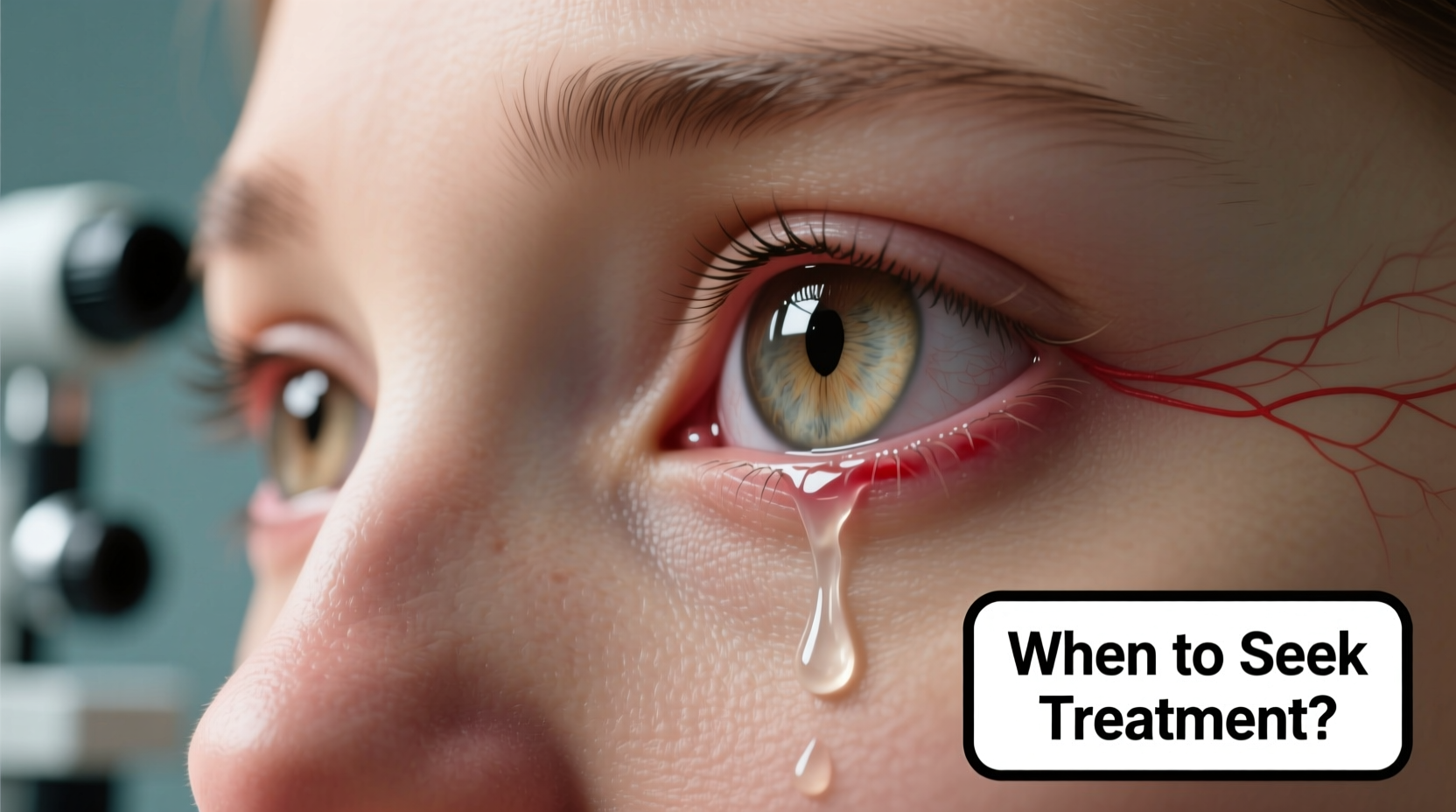
Tearing in one eye, medically known as epiphora, occurs when tears overflow from the eye onto the face. This is often more noticeable in cats with light-colored fur due to staining. Several factors can trigger unilateral (one-sided) tearing:
- Conjunctivitis: Inflammation of the tissue lining the eyelids, often caused by viral infections like feline herpesvirus or bacterial agents such as Chlamydia felis.
- Foreign body: Dust, plant material, or debris trapped under the eyelid can irritate the eye and increase tear production.
- Corneal injury: Scratches or ulcers on the surface of the eye cause pain and excessive tearing as a protective response.
- Blocked nasolacrimal duct: The small tube that drains tears from the eye to the nose may become obstructed, leading to overflow.
- Allergies: Environmental allergens like pollen or smoke can cause mild, temporary tearing, though typically both eyes are affected.
- Anatomical issues: Breeds like Persians or Himalayans with flat faces may have abnormally positioned tear ducts or entropion (inward rolling of the eyelid).
- Eye infections or abscesses: Dental infections, particularly in the upper teeth, can spread to the eye area and disrupt drainage.
When to Worry: Red Flags That Demand Veterinary Attention
While occasional tearing might not be alarming, certain symptoms indicate the need for prompt veterinary evaluation. Delaying care could lead to vision loss or chronic discomfort.
“Any persistent eye discharge lasting beyond 24–48 hours, especially with squinting or swelling, should be examined by a vet. Early intervention prevents complications.” — Dr. Lena Patel, Feline Ophthalmology Specialist
Symptoms that warrant immediate concern include:
- Prolonged or worsening tearing lasting more than two days
- Thick, yellow, green, or pus-like discharge
- Squinting or keeping the eye partially closed
- Swelling, redness, or cloudiness of the eye
- Visible third eyelid protrusion
- Behavioral changes such as lethargy or reduced appetite
- Signs of pain when blinking or touching near the eye
Diagnosis and Treatment Options
A veterinarian will perform a thorough ocular examination to determine the root cause. This may include:
- Fluorescein stain test: A special dye checks for corneal ulcers or scratches.
- Schirmer tear test: Measures tear production to assess dryness or excess.
- Nasolacrimal flush: Used to confirm blockage in the tear duct; saline is flushed through the duct to check patency.
- PCR testing: If a viral infection like feline herpes is suspected, swabs may be sent to a lab.
Treatment depends entirely on diagnosis:
| Condition | Treatment Approach |
|---|---|
| Bacterial conjunctivitis | Topical antibiotics (e.g., tetracycline or chloramphenicol ointment) |
| Feline herpesvirus | Antiviral drops (e.g., idoxuridine), L-lysine supplementation, supportive care |
| Corneal ulcer | Antibiotic ointment, pain relief, Elizabethan collar to prevent rubbing |
| Blocked tear duct | Flushing under sedation; sometimes surgical correction needed |
| Foreign object | Removal under magnification, followed by anti-inflammatory meds |
Home Care Do’s and Don’ts
- Do:
- - Keep the area around the eye clean with warm water and soft cloth
- - Administer prescribed medications exactly as directed
- - Monitor for improvement or worsening daily
- Don’t:
- - Use human eye drops unless approved by a vet
- - Attempt to remove deeply embedded objects
- - Ignore symptoms because “it’s just one eye”
Mini Case Study: Bella the Siamese Cat
Bella, a 3-year-old indoor Siamese, began showing excessive tearing in her left eye. Her owner noticed mild redness and assumed it was dust irritation. After wiping the area gently for two days with no improvement—and observing that Bella started squinting—the owner brought her to the vet.
Upon examination, the vet used fluorescein dye and discovered a small corneal ulcer likely caused by a scratch during play. Bella was prescribed antibiotic ointment and a soft collar. Within five days of consistent treatment, the tearing stopped, and healing was confirmed at a follow-up visit.
This case highlights how even minor trauma can escalate without proper diagnosis. Had the ulcer been left untreated, it could have deepened, risking perforation or permanent scarring.
Step-by-Step Guide: What to Do If Your Cat Has a Watery Eye
- Observe closely: Note whether the tearing is new, how long it’s lasted, and if other symptoms are present.
- Clean gently: Use a moist cotton ball to wipe away discharge, using a fresh section for each pass.
- Check for obvious causes: Look for foreign objects, scratches, or signs of trauma.
- Monitor behavior: Is your cat pawing at the eye? Avoiding bright lights? Eating normally?
- Contact your vet: If tearing persists beyond 48 hours or worsens, schedule an appointment.
- Follow treatment plans: Administer medications as instructed and attend follow-ups.
- Prevent recurrence: Keep nails trimmed, reduce environmental irritants, and manage underlying conditions like herpes.
Frequently Asked Questions
Is it normal for cats to have watery eyes occasionally?
Yes, brief episodes of tearing can happen due to dust, wind, or mild irritation. However, if it lasts more than a day or recurs frequently, it should be evaluated.
Can I use saline solution to clean my cat’s eye?
Yes, sterile saline solution (like that used for contact lenses) is safe for flushing mild irritants. Avoid solutions with preservatives or added medications unless prescribed.
Why is only one eye affected if it’s an infection?
Infections often start in one eye due to localized trauma or exposure. However, many contagious causes (like feline herpes) eventually affect both eyes. Unilateral symptoms don’t rule out infection.
Prevention Tips for Long-Term Eye Health
Maintaining your cat’s overall health plays a major role in preventing eye issues. Consider these preventive strategies:
Tip: Vaccinate your cat against feline herpesvirus and calicivirus—core components of the FVRCP vaccine—as they are common causes of chronic eye disease.- Regularly inspect your cat’s eyes during grooming sessions.
- Keep facial hair trimmed, especially in long-haired breeds.
- Minimize exposure to cigarette smoke, strong perfumes, and dusty environments.
- Address dental health proactively, as tooth roots are close to tear duct pathways.
- Use vet-approved wipes for routine facial cleaning if your cat is prone to staining.
Conclusion: Stay Alert, Act Early
One eye tearing in cats isn't always an emergency, but it's never something to ignore indefinitely. Whether it's a simple irritant or a sign of infection, timely action protects your cat’s vision and comfort. Most conditions respond well to early treatment, but delays can complicate recovery. By staying observant, following proper hygiene, and partnering with your veterinarian, you can ensure your cat’s eyes remain clear, healthy, and bright.
💬 Has your cat experienced eye tearing? Share your experience or questions below—your story might help another pet owner recognize the signs sooner.








