Losing a cat without warning is one of the most emotionally devastating experiences a pet owner can face. Unlike gradual illnesses where preparation is possible, sudden death leaves little time to process or say goodbye. The shock often gives way to confusion, guilt, and a desperate need for answers. While no explanation can fully ease the pain, understanding potential medical causes and knowing how to respond practically and emotionally can bring clarity during a time of profound grief.
Common Medical Causes of Sudden Cat Death
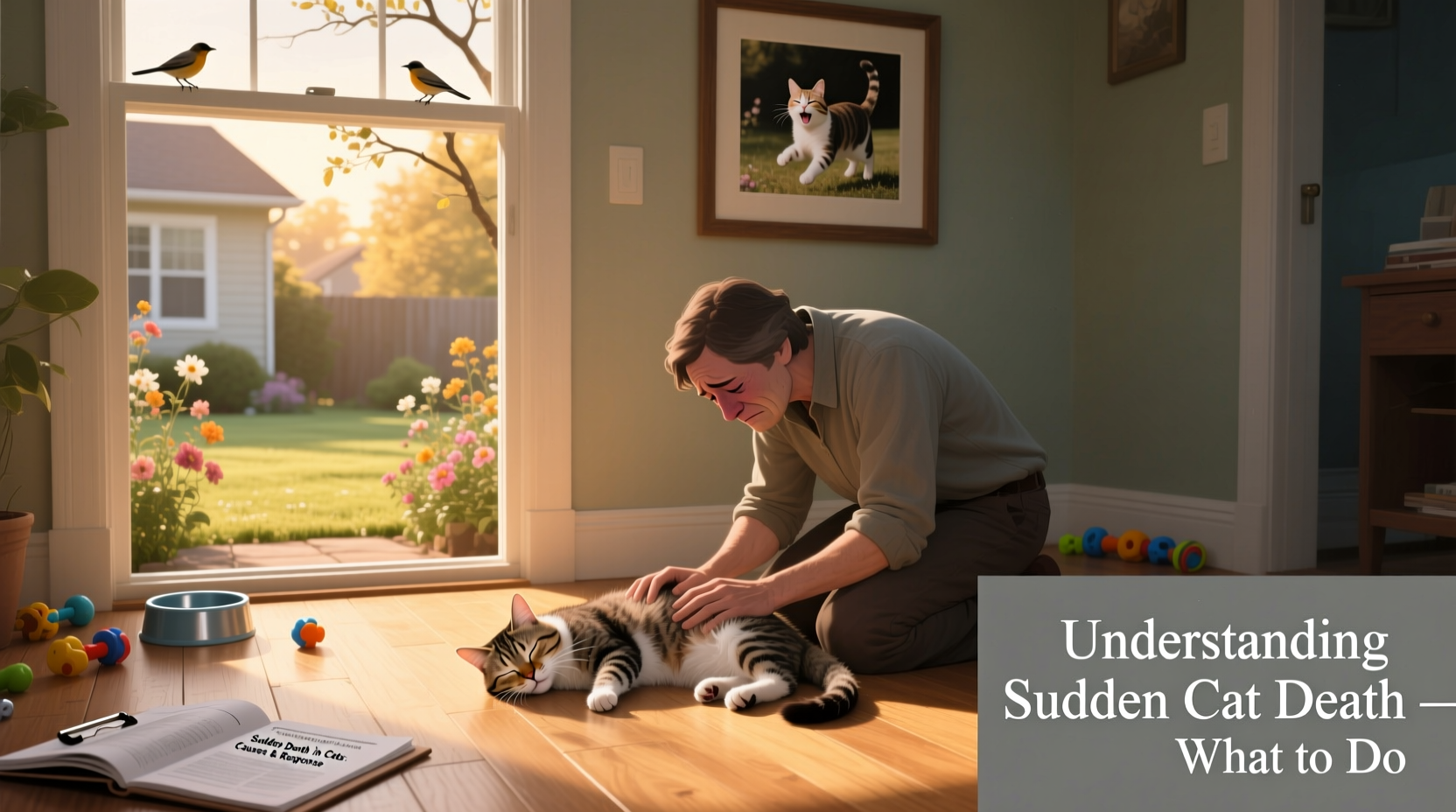
Cats are masters at hiding illness. Their instinctual behavior suppresses signs of weakness, meaning serious conditions can progress unnoticed until it’s too late. Several underlying health issues can lead to sudden death, even in cats that appeared healthy the day before.
- Hypertrophic Cardiomyopathy (HCM): This is the most common heart disease in cats and a leading cause of sudden death. HCM thickens the heart muscle, impairing its ability to pump blood effectively. It often goes undetected because symptoms like lethargy or breathing difficulty may be subtle or absent until a crisis occurs.
- Pulmonary Thromboembolism (Feline Arterial Thromboembolism - FATE): A blood clot can travel to the heart or lungs, causing immediate collapse. Cats with heart disease are especially vulnerable. The clot may cause paralysis of the hind legs, extreme pain, and rapid deterioration.
- Acute Kidney Failure: Ingestion of toxins such as lilies, antifreeze, or certain medications can cause kidney function to shut down within hours. Symptoms like vomiting or dehydration might be overlooked or mistaken for minor stomach upset.
- Severe Infections or Sepsis: Bacterial infections, especially if they enter the bloodstream, can overwhelm the body quickly. Even a small untreated wound or dental issue can escalate silently.
- Undiagnosed Cancer: Internal tumors can rupture or spread rapidly, leading to internal bleeding or organ failure with minimal prior indication.
- Toxic Exposure: Household chemicals, human medications, or poisonous plants can be fatal even in small doses. Cats are particularly sensitive to substances like acetaminophen (Tylenol).
“Many cats with life-threatening conditions show no outward signs. By the time symptoms appear, the condition is often advanced or irreversible.” — Dr. Lena Peterson, DVM, Feline Internal Medicine SpecialistTip: Annual veterinary checkups, including blood work and cardiac screening, can help detect hidden conditions early—even in cats that seem perfectly healthy.
Immediate Steps After Your Cat’s Sudden Death
In the first hours after loss, emotions run high. Taking deliberate, gentle steps can help you manage both practical responsibilities and emotional well-being.
- Allow Yourself to Grieve: Don’t rush through your emotions. Sit with your cat if you feel comforted by it. Say goodbye in your own way—whether through silence, prayer, or speaking aloud.
- Contact Your Veterinarian: Call your vet to report the incident. They may offer guidance on next steps, including arranging an examination or post-mortem if desired.
- Consider a Post-Mortem (Necropsy): While not necessary for everyone, a necropsy can identify the cause of death. This is especially helpful if you have other cats or want closure about whether something could have been done differently.
- Decide on Body Care: Options include private cremation, communal cremation, burial (where permitted), or allowing the vet to handle disposal. Choose what feels right for you—there is no “correct” path.
- Preserve Memories: Take photos if you haven’t already. Save a collar, toy, or paw print as a keepsake. These small acts can become meaningful anchors in the grieving process.
What Not to Do: Common Reactions to Avoid
Grief can cloud judgment. Well-meaning but unhelpful actions may prolong distress or prevent healing.
| Do | Don't |
|---|---|
| Reach out to friends, family, or pet loss support groups | Isolate yourself completely |
| Ask your vet questions without self-blame | Blame yourself for missing signs |
| Take time off work if needed | Force yourself to “get over it” quickly |
| Write down memories or create a tribute | Rush to replace your cat immediately |
| Seek counseling if grief becomes overwhelming | Dismiss your sorrow as “just a pet” |
A Real Example: Sophie’s Story
Sophie, a 7-year-old domestic shorthair, was playful and affectionate. Her owner, Mark, noticed she seemed quieter one evening but assumed she was tired. The next morning, he found her unresponsive. Shocked and confused, he brought her to the emergency vet. A necropsy revealed undiagnosed hypertrophic cardiomyopathy with a recent clot. Though heartbroken, Mark later said the diagnosis helped him stop questioning whether he’d failed her. He joined an online feline heart disease group and now advocates for routine cardiac screenings.
Emotional Support and Grieving Process
The bond between a cat and their person is deep and unique. Grief is valid, regardless of whether others understand it. There is no timeline for mourning, and reactions vary widely—some cry immediately, others feel numb for weeks.
Support options include:
- Pet loss hotlines (many universities and veterinary schools offer free counseling)
- Online forums like the Association for Pet Loss and Bereavement (APLB)
- Memorial books or digital tributes
- Talking to a therapist who acknowledges pet loss as significant
Frequently Asked Questions
Could I have prevented my cat’s sudden death?
In many cases, no. Conditions like HCM or acute toxin exposure progress rapidly and silently. Responsible care—including regular vet visits—minimizes risk but cannot eliminate all possibilities. Guilt is common, but remember: you acted with love and intention.
Should I get another cat right away?
Rushing into a new adoption can delay healing and may be unfair to both you and a new animal. Wait until your grief has settled enough that you’re welcoming a new cat for their own sake—not as a replacement. This can take weeks or months.
Is a necropsy worth it?
If you want answers, yes. A necropsy can reveal genetic conditions, infectious diseases, or environmental hazards. It’s especially recommended if you have other cats or plan to adopt again. Costs vary, but many owners find the insight brings peace.
Action Checklist: What to Do When Your Cat Dies Suddenly
- Stay calm and allow yourself to grieve in your own way
- Contact your veterinarian to report the death
- Decide whether to pursue a necropsy for cause-of-death analysis
- Choose aftercare: cremation, burial, or clinic disposal
- Preserve mementos (photo, collar, fur clipping)
- Inform family members or close friends who cared about your cat
- Seek emotional support through pet loss resources or counseling
- Acknowledge anniversaries or create a tribute when ready
Final Thoughts
The sudden loss of a cat leaves a silence that echoes long after. While medical explanations may never fully fill the void, understanding possible causes can transform confusion into clarity. You are not alone—thousands of pet owners navigate this same heartbreak each year. Your cat’s life mattered deeply, and your grief is a testament to the love you shared.
💬 If this article resonated with you, consider sharing it with someone who’s grieving a pet. Your compassion could be the light they need today.








