For many cat owners, the decision between using a cat bib or a collar comes down to practicality, safety, and personal preference. While collars have long been the standard for identification and safety, cat bibs—small fabric attachments worn around the neck—have gained popularity as a humane way to reduce hunting behavior. But do cats actually need either? And if so, which option offers better benefits without compromising comfort or safety?
This article explores the real-world impact of both accessories, backed by veterinary insights, behavioral research, and owner experiences. Whether you're concerned about your cat’s outdoor habits, safety, or simply want to make an informed choice, this guide breaks down everything you need to know.
Understanding Cat Bibs: Purpose and Function
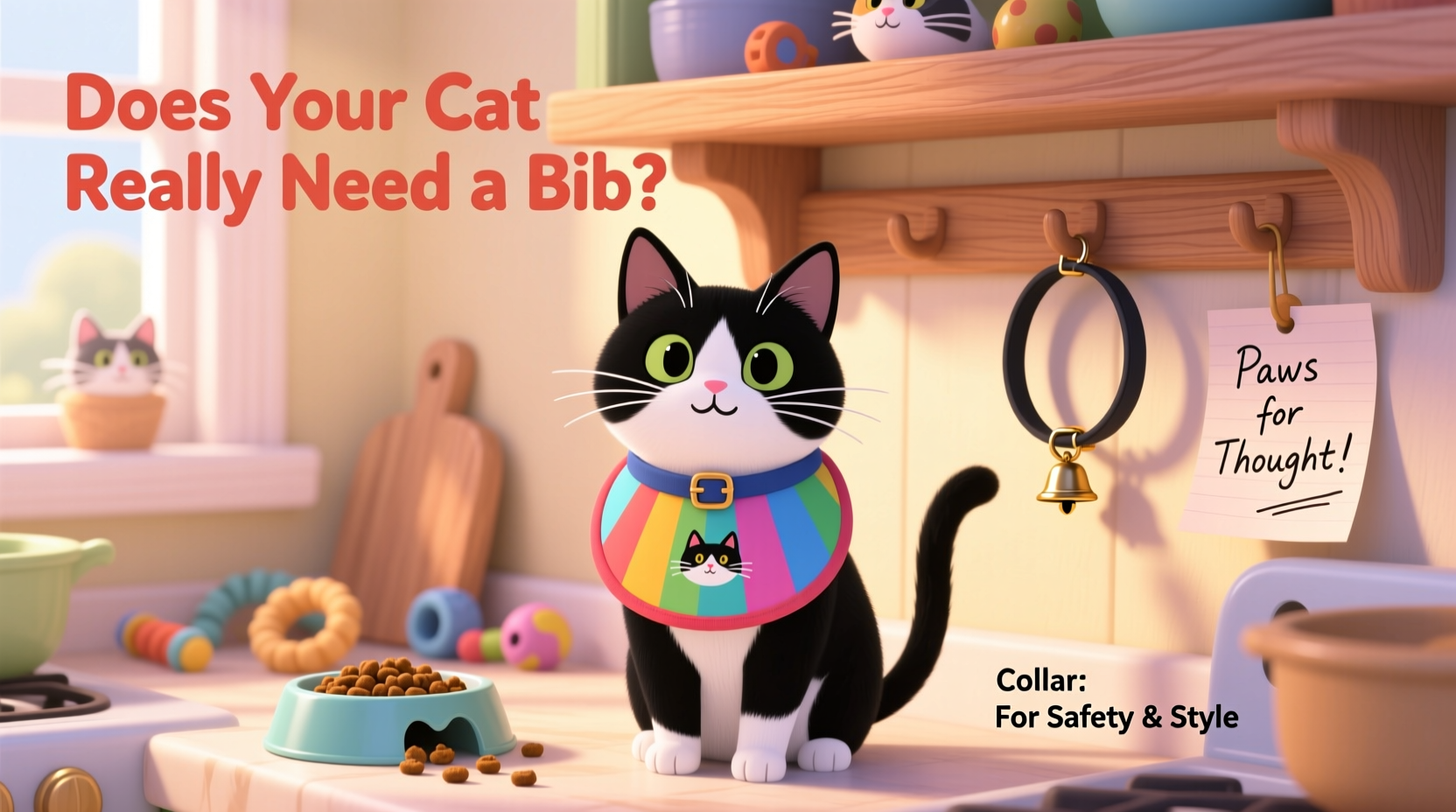
A cat bib is a small piece of fabric, often brightly colored or patterned, that attaches to a cat’s collar and hangs down over the chest. Its primary purpose is to deter hunting by interfering with a cat’s ability to stealthily pounce on birds and small animals. The theory is simple: when a cat crouches to stalk prey, the bib moves and alerts potential targets before the attack begins.
Bibs are not meant to restrict movement or cause discomfort. Instead, they act as a visual deterrent. Studies from conservation groups suggest that brightly colored bibs can reduce bird kills by up to 50%. For environmentally conscious pet owners, this makes bibs an appealing non-invasive tool to minimize ecological impact.
Tip: Choose lightweight, quick-drying materials for your cat’s bib to ensure comfort and prevent chafing during active play.The Role of Cat Collars: Safety vs. Risk
Cat collars serve several important functions: holding ID tags, supporting bells to warn wildlife, and attaching GPS trackers or breakaway leashes. For indoor-outdoor cats, a collar with identification significantly increases the chances of a safe return if the cat gets lost.
However, collars come with risks. Traditional collars can get caught on branches, fences, or furniture, potentially leading to injury or strangulation. This is why veterinarians strongly recommend breakaway collars—designed to snap open under pressure—for all cats, especially those who roam freely.
Despite these safety features, some cats resist wearing collars altogether. Signs of discomfort include excessive scratching at the neck, hiding, or refusing to eat. In such cases, alternatives like microchipping become essential for identification.
“Breakaway collars are a must for any cat that spends time outdoors. They offer identification benefits without the life-threatening risks of entanglement.” — Dr. Lena Patel, Feline Veterinarian, American Association of Feline Practitioners
Comparing Bibs and Collars: A Practical Breakdown
| Feature | Cat Bib | Cat Collar |
|---|---|---|
| Primary Use | Hunting deterrent | ID, tracking, bells |
| Safety Features | Depends on attachment; should use breakaway clip | Breakaway options available |
| Durability | Low to moderate (fabric wears faster) | Moderate to high (nylon, leather) |
| Comfort | Generally high, if lightweight | Varies; some cats adjust poorly |
| Effectiveness in Reducing Hunting | Up to 50% reduction in bird captures | Minimal unless bell attached |
| Cost | $8–$15 | $10–$25 |
The table illustrates that bibs and collars serve different purposes. While collars enhance safety through identification, bibs focus on modifying behavior. Some owners combine both—a breakaway collar with an attached bib—for dual functionality.
Real-World Example: Reducing Hunting Without Restriction
Sarah, a cat owner in rural Vermont, noticed her two cats bringing home multiple birds each week. Concerned about local songbird populations, she researched humane solutions. After trying a bell collar (which her cats quickly learned to ignore), she switched to a bright orange cat bib attached via a breakaway clip.
Within three weeks, the number of prey brought home dropped by nearly 70%. Sarah observed that her cats still hunted but were less successful—their approach was visibly disrupted by the fluttering bib. Importantly, neither cat showed signs of stress or discomfort. “It’s not about stopping them completely,” she said. “It’s about giving wildlife a fighting chance.”
This case reflects a growing trend: using subtle behavioral nudges instead of restrictive measures to coexist responsibly with nature.
When Might Your Cat Need a Bib?
Not every cat requires a bib. However, consider one if:
- Your cat is an avid hunter, especially of birds or small mammals.
- You live in an area with endangered or protected wildlife.
- Local conservation groups recommend reducing feline predation.
- You prefer non-invasive methods over keeping your cat strictly indoors.
Bibs are most effective when used consistently during peak hunting hours—dawn and dusk. They work best on cats that stalk and pounce rather than ambush from cover. If your cat primarily catches insects or mice near the house, a bib may offer little benefit.
Step-by-Step: Introducing a Bib to Your Cat
- Start with a breakaway collar – Ensure it fits snugly but allows two fingers beneath.
- Attach the bib loosely at first – Let your cat wear it for short periods indoors.
- Monitor behavior – Watch for pawing, hiding, or refusal to move normally.
- Gradually increase wear time – From 30 minutes to several hours over a week.
- Use only outdoors or during supervised roaming – Remove at night or when indoors.
- Wash regularly – Dirt and odors can discourage use.
Frequently Asked Questions
Can a cat suffocate while wearing a bib?
No, a properly designed bib does not cover the face or restrict breathing. It hangs over the chest and is made from breathable fabric. Always ensure it’s attached to a breakaway collar to eliminate entanglement risks.
Do bibs work better than bells on collars?
In some cases, yes. Research from the University of Exeter found that bibs reduced bird captures more effectively than bells alone. Bells can be ignored by prey if the cat moves slowly, while the sudden motion of a bib is harder to miss visually.
Should indoor-only cats wear bibs?
Generally, no. Indoor cats don’t pose a threat to wildlife, and bibs serve no functional purpose in a controlled environment. Focus instead on enrichment and mental stimulation to satisfy natural hunting instincts.
Final Checklist Before Choosing
- ✅ Is your cat microchipped? (Essential regardless of collar or bib use)
- ✅ Are you using a breakaway collar if attaching any accessory?
- ✅ Has your cat shown tolerance to neck wearables?
- ✅ Are you aiming to reduce hunting, improve identification, or both?
- ✅ Have you introduced the item gradually and monitored for stress?
Conclusion: Making a Thoughtful Choice for Your Cat
Neither cat bibs nor collars are universally necessary, but both can play valuable roles depending on your cat’s lifestyle and your priorities. A collar enhances safety and identification—critical for any outdoor-access cat. A bib offers a compassionate way to reduce environmental impact without curtailing natural behaviors entirely.
The key is balance: prioritize safety with breakaway designs, introduce new items slowly, and always put your cat’s comfort first. There’s no one-size-fits-all answer, but informed choices lead to healthier, happier cats and more harmonious coexistence with the world around them.
💬 Have experience with cat bibs or collars? Share your story in the comments to help other pet owners make smarter, safer decisions for their feline friends.








