Blueberries are often hailed as a superfood for humans, packed with antioxidants, fiber, and essential vitamins. As more pet owners embrace holistic feeding practices, it's natural to wonder whether these tiny berries can also benefit their dogs. The short answer is yes—most dogs can safely enjoy blueberries in moderation. However, like any treat, there are important guidelines to follow and potential risks that shouldn’t be overlooked.
Understanding how to incorporate blueberries into your dog’s diet safely requires more than just tossing a handful into their bowl. Portion control, preparation methods, and awareness of individual sensitivities all play crucial roles in ensuring this healthy snack remains beneficial rather than harmful.
Why Blueberries Are Considered Safe for Dogs
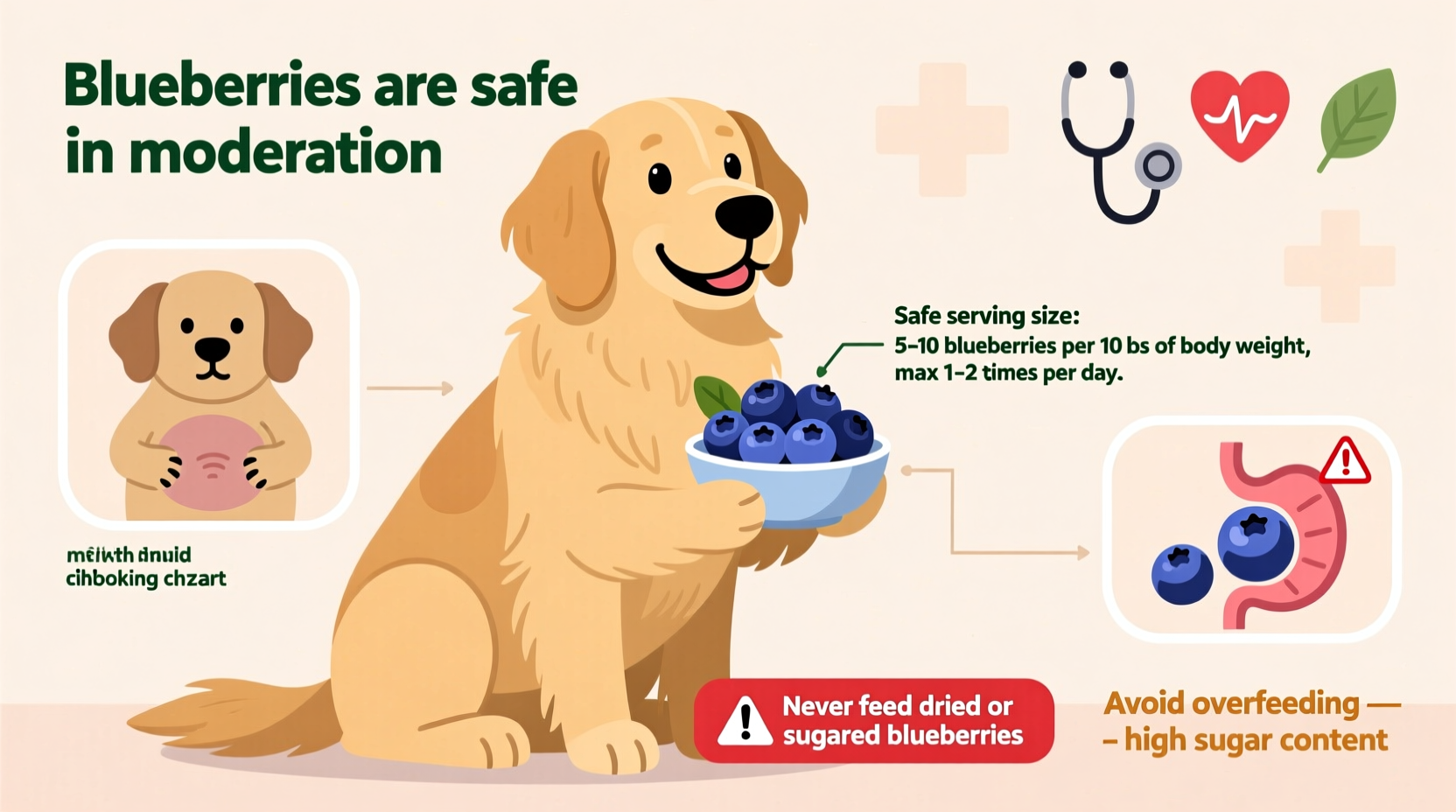
Blueberries are low in calories and rich in nutrients that support canine health. They contain high levels of vitamin C, vitamin K, manganese, and dietary fiber—all of which contribute to immune function, bone health, digestion, and overall vitality. Perhaps most notably, blueberries are loaded with antioxidants, particularly anthocyanins, the compounds responsible for their deep blue color.
Antioxidants help neutralize free radicals in the body, reducing oxidative stress and potentially slowing age-related cognitive decline in older dogs. Some studies suggest antioxidant-rich diets may improve memory and motor function in senior canines. For active or working dogs, the anti-inflammatory properties of blueberries might also aid in recovery after physical exertion.
“Blueberries offer real nutritional value for dogs when fed appropriately. Their antioxidant content makes them a standout among fruit-based treats.” — Dr. Laura Bennett, DVM, Canine Nutrition Specialist
Unlike grapes—which are toxic to dogs—blueberries do not contain known toxins that pose a risk to canine health. This distinction is critical and often causes confusion among pet owners. While both are small, round fruits, their biochemical profiles differ significantly. Grapes (and raisins) can cause acute kidney failure in dogs, even in small amounts. Blueberries, on the other hand, have no such association when consumed fresh and in reasonable quantities.
Safe Serving Sizes Based on Dog Size
Just because blueberries are safe doesn’t mean they should be fed freely. Treats, including healthy ones like blueberries, should make up no more than 10% of a dog’s daily caloric intake. Exceeding this limit can lead to digestive upset or unwanted weight gain, especially in smaller breeds.
The appropriate portion depends largely on your dog’s size, metabolism, and overall diet. Below is a general guideline for safe serving sizes:
| Dog Weight | Recommended Daily Amount | Notes |
|---|---|---|
| Under 10 lbs (e.g., Chihuahua, Yorkie) | 1–3 blueberries | Best cut in half to prevent choking |
| 10–25 lbs (e.g., Beagle, Cocker Spaniel) | 4–8 blueberries | Monitor for loose stools after introduction |
| 26–50 lbs (e.g., Bulldog, Border Collie) | 8–12 blueberries | Can be served whole or frozen for teething puppies |
| Over 50 lbs (e.g., Labrador, German Shepherd) | 12–15 blueberries | May mix into food or use as training rewards |
When introducing blueberries for the first time, start with one or two and observe your dog for 24 hours. Watch for signs of gastrointestinal discomfort such as gas, diarrhea, or vomiting. If none occur, you can gradually increase to the recommended amount over several days.
Tip: Freeze blueberries for a refreshing summer treat or to soothe teething pain in puppies. Just ensure they’re thawed slightly or broken into pieces for small dogs to avoid choking.Hidden Risks and What Most Owners Overlook
While blueberries themselves are non-toxic, several indirect risks exist that many pet owners fail to consider. These include:
- Choking hazard: Especially in toy breeds, whole blueberries can pose a choking risk due to their firm texture and small size.
- Sugar content: Though lower than many fruits, blueberries still contain natural sugars. Diabetic or overweight dogs require stricter portion control.
- Pesticide exposure: Conventionally grown blueberries often rank high on the Environmental Working Group’s “Dirty Dozen” list for pesticide residue.
- Additives in processed products: Blueberry-flavored dog treats may contain sugar, xylitol, or artificial preservatives that are unsafe.
Xylitol, in particular, is extremely dangerous. Found in some sugar-free human foods and certain flavored supplements, this sweetener causes rapid insulin release in dogs, leading to hypoglycemia, seizures, and liver failure. Always read labels carefully—even if a product claims to contain “real blueberries,” check that no xylitol has been added.
Another frequently ignored factor is sourcing. Wild blueberries are generally safer and more nutrient-dense than cultivated varieties, but they must be properly identified. Other small dark berries found in yards or hiking trails—such as juniper or nightshade berries—can be toxic. Never allow your dog to forage unsupervised.
Real Example: A Case of Overfeeding
A 7-pound Pomeranian named Milo was given an entire cup of frozen blueberries by a well-meaning grandparent who believed they were a “healthy snack.” Within six hours, Milo developed severe diarrhea and lethargy. His veterinarian confirmed gastrointestinal distress from excessive fiber and sugar intake. After a 24-hour fast and rehydration therapy, Milo recovered fully—but the incident highlighted how easily portion sizes can be misjudged, even with safe foods.
This case underscores the importance of educating all caregivers about proper treat limits, not just primary owners.
How to Prepare and Serve Blueberries Safely
Preparation matters when feeding blueberries to dogs. Follow this step-by-step approach to minimize risks and maximize benefits:
- Wash thoroughly: Rinse blueberries under cool running water, even if they’re labeled organic. Gently scrub with a soft brush to remove dirt and residues.
- Inspect for spoilage: Discard any mushy, moldy, or discolored berries. Mold can produce mycotoxins harmful to dogs.
- Cut if necessary: For dogs under 15 pounds, slice blueberries in half or mash them to reduce choking risk.
- Serve plain: Do not add sugar, yogurt, honey, or whipped cream. These additions negate health benefits and may introduce hazards.
- Mix or use as a reward: Add to kibble, stuff into puzzle toys, or use as high-value training treats.
Frozen blueberries can be especially useful during hot weather or for puppies experiencing teething discomfort. However, never give a large quantity of frozen berries at once—extreme cold can cause throat irritation or temporary digestive slowdown.
Tip: Create homemade frozen treats by blending blueberries with plain pumpkin puree and low-sodium broth, then freezing in ice cube trays.Checklist: Feeding Blueberries to Your Dog Safely
- ✅ Consult your vet before introducing new foods, especially for dogs with diabetes or kidney issues
- ✅ Choose organic blueberries when possible to reduce pesticide exposure
- ✅ Wash berries thoroughly before serving
- ✅ Cut or crush blueberries for small breeds
- ✅ Limit servings to under 10% of daily calories
- ✅ Avoid processed blueberry products with added sugar or xylitol
- ✅ Monitor your dog for 24 hours after first feeding
- ✅ Store unused berries in the refrigerator for up to two weeks
Frequently Asked Questions
Can puppies eat blueberries?
Yes, puppies can eat blueberries in very small amounts. Start with a quarter of a berry mashed up and watch for any adverse reactions. Due to their developing digestive systems, puppies are more sensitive to dietary changes. Always supervise to prevent choking.
Are dried blueberries safe for dogs?
Not recommended. Dried blueberries are concentrated in sugar and often contain sulfites or other preservatives. They’re also chewier, increasing the risk of intestinal blockage. Stick to fresh or frozen instead.
What should I do if my dog eats too many blueberries?
If your dog consumes a large quantity—especially more than double their recommended serving—monitor closely for vomiting, diarrhea, or abdominal discomfort. Withhold other treats and provide plenty of water. Contact your veterinarian if symptoms persist beyond 12 hours or if your dog appears unwell.
Conclusion: Making Informed Choices for Your Dog’s Diet
Blueberries can be a nutritious, enjoyable addition to your dog’s diet when served responsibly. Their antioxidant power and low-calorie profile make them an excellent alternative to processed treats. But like any food outside a dog’s core diet, they require thoughtful portioning, careful preparation, and ongoing observation.
The key lies in balance. A few blueberries a day can support long-term health, but overfeeding—even with healthy foods—can lead to unintended consequences. By understanding your dog’s individual needs, respecting size-based limits, and avoiding common pitfalls like pesticide exposure or hidden additives, you can turn this simple fruit into a smart part of your pet care routine.
💬 Have you tried feeding blueberries to your dog? Share your experience or ask questions in the comments—your insights could help another pet owner make a safer choice today.








