
Contrary to popular belief, cats are not too independent or stubborn to be trained. With patience, consistency, and the right approach, many cats can learn to walk on a leash—opening up safe opportunities for outdoor exploration. While not every cat will enjoy it, countless owners have successfully taken their felines on neighborhood strolls, garden patrols, and even hiking trails. The key is understanding feline behavior, choosing appropriate gear, and progressing at your cat’s pace.
Walking a cat on a leash isn’t just a novelty—it offers mental stimulation, physical activity, and environmental enrichment, especially for indoor-only cats. More importantly, it allows them to experience the outside world without the risks of traffic, predators, or disease. This guide walks you through everything you need to know, from selecting equipment to handling common challenges, so you can build a rewarding outdoor routine with your cat.
Understanding Feline Behavior and Leash Training Potential
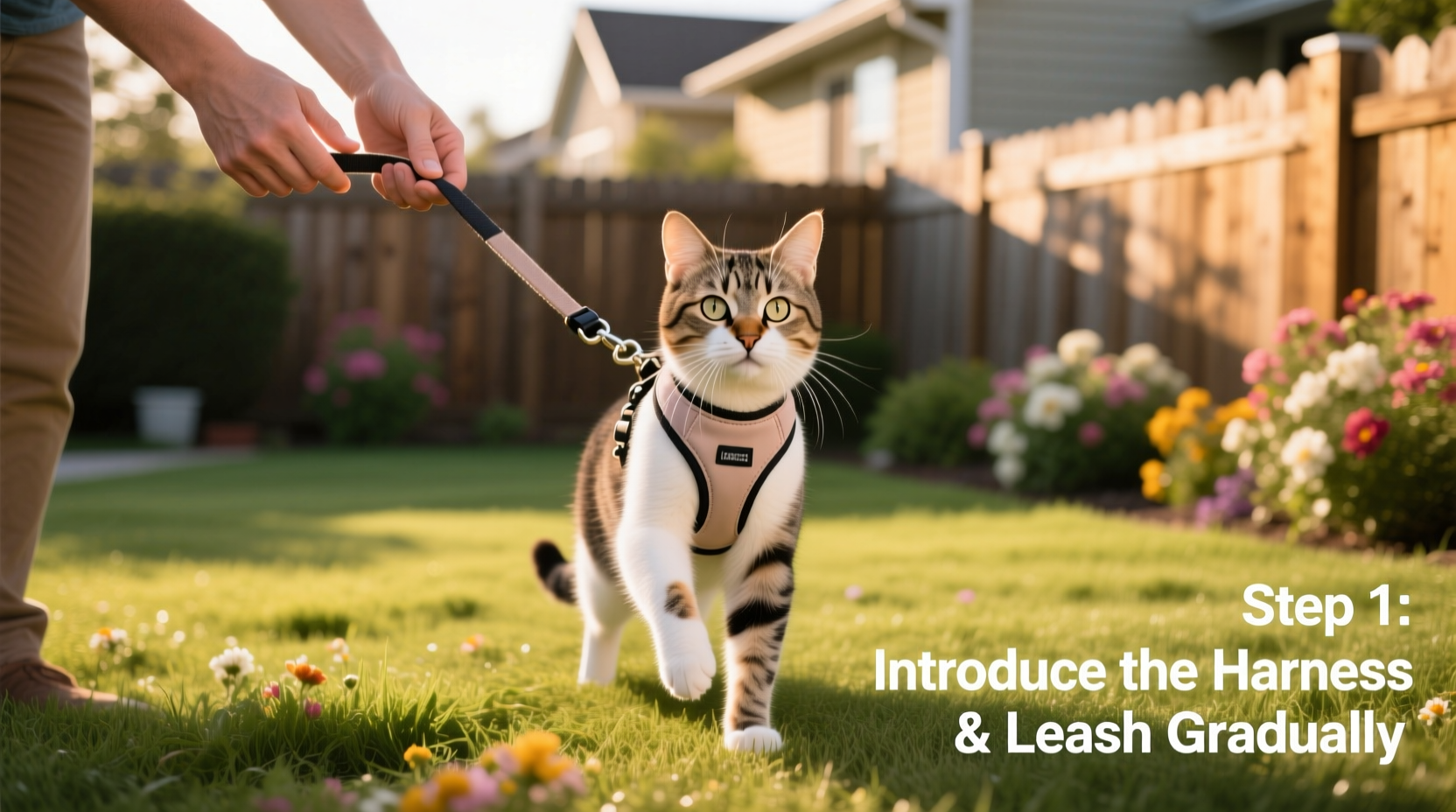
Cats are naturally curious and territorial animals. Their instinct to explore, patrol boundaries, and investigate new scents makes outdoor access appealing—but uncontrolled freedom comes with danger. A leash provides a middle ground: structured exposure to nature while maintaining safety.
Not all cats will adapt to leash walking, and that’s okay. Temperament plays a major role. Kittens tend to be more adaptable than older cats, but even mature felines can learn with time. Shy or highly sensitive cats may require longer acclimation periods, while confident, outgoing cats often take to training more quickly.
The foundation of successful leash training lies in positive reinforcement. Unlike dogs, cats don’t respond well to coercion or force. They must associate the harness and leash with comfort and reward—not stress. Rushing the process or forcing outdoor exposure too soon can create lasting fear, making future attempts difficult.
“Cats thrive on predictability. When introduced gradually and paired with positive experiences, many adapt surprisingly well to leash walking.” — Dr. Sarah Thompson, Feline Behavior Specialist
Essential Gear: Choosing the Right Harness and Leash
One of the most common mistakes in leash training is using the wrong equipment. Never use a collar-based system—cats can easily slip out or injure their necks if they pull or panic. Instead, invest in a well-fitted, escape-proof harness designed specifically for cats.
Look for a harness made of soft, breathable material with adjustable straps around the chest and belly. H-style or figure-eight designs distribute pressure evenly and prevent wriggling free. Popular models like the PetSafe Come With Me Kitty or the Rabbitgoo Cat Harness are widely recommended for their secure fit and comfort.
Tip: Always supervise your cat when wearing a harness—even indoors. Some cats can still wriggle free if unsupervised.The leash should be lightweight and 4–6 feet long. Retractable leashes are not recommended—they give cats too much freedom and increase entanglement risk. A standard nylon or rope leash with a comfortable handle gives you better control and keeps your cat close.
| Gear Type | Recommended Features | Avoid |
|---|---|---|
| Harness | Adjustable straps, double-loop design, padded interior | Loose fits, single-loop, decorative-only harnesses |
| Leash | 4–6 ft length, lightweight material, secure snap clip | Retractable leashes, heavy chains, elastic cords |
| Treat Pouch | Easy-access, odor-sealed, wearable | Bulky bags, open containers |
Step-by-Step Guide to Leash Training Your Cat
Successful leash training unfolds over several stages. Each phase builds confidence and familiarity. Skipping steps leads to setbacks. Follow this timeline to ensure steady progress.
- Introduce the harness indoors (Days 1–3): Place the harness near your cat’s favorite spot. Let them sniff and investigate. Offer treats nearby to create a positive association.
- Touch and reward (Days 4–5): Gently touch the harness to your cat’s body while giving treats. If they flinch, pause and try again later. Goal: no negative reaction.
- Short harness wear sessions (Days 6–8): Fasten the harness loosely at first, then tighten gradually as your cat tolerates it. Start with 5-minute sessions, increasing slowly. Always remove it afterward to prevent chewing or discomfort.
- Add the leash indoors (Days 9–12): Attach the leash while your cat wears the harness. Let them drag it under supervision (remove when unsupervised). Use treats to encourage movement.
- Practice leading (Days 13–16): Hold the leash and gently guide your cat across the room. Reward any forward motion. Never pull—use treats to lure.
- Open door exposure (Days 17–20): Open the front door or patio while your cat is harnessed. Let them observe the outdoors from a threshold. Reward calm behavior.
- First outdoor session (Day 21+): Choose a quiet, enclosed area—like a fenced yard or balcony. Keep the first outing under 5 minutes. Stay low to the ground and let your cat lead. End on a positive note.
- Gradual expansion (Weeks 4–6): Slowly extend duration and distance. Visit different safe spots. Watch for signs of stress: crouching, growling, trying to bolt.
Common Challenges and How to Overcome Them
Even with careful preparation, obstacles arise. Understanding these issues—and how to address them—can save your training effort.
- Freezing or lying down: This is common. Your cat may feel overwhelmed. Don’t pull. Wait patiently, speak softly, and offer treats. Back off if needed and return indoors.
- Trying to escape the harness: Ensure proper fit—two fingers should fit under each strap. If your cat consistently escapes, try a different brand or design.
- Fear of new sounds or smells: Outdoor stimuli like birds, lawnmowers, or passing cars can scare cats. Begin in very quiet environments and allow gradual exposure.
- Overstimulation: Some cats become hyper-alert or aggressive on leash. If your cat hisses at stimuli, shorten sessions and increase distance from triggers.
One real-world example involves Luna, a 3-year-old tabby from Portland. Her owner, Mark, began training after noticing her obsession with birds through the window. For two weeks, he focused solely on harness desensitization. By week three, Luna was dragging the leash around the living room. Her first outdoor moment was in a screened porch—just five minutes of fresh air. Within six weeks, she was confidently exploring the backyard, pausing only to sniff flowers or watch squirrels. “She didn’t walk far,” Mark said, “but seeing her ears twitch in the breeze made it worth every treat.”
Do’s and Don’ts of Leash Walking Cats
To maximize success and minimize stress, follow these practical guidelines.
| Do’s | Don’ts |
|---|---|
| Use high-value treats like freeze-dried chicken or tuna flakes | Force your cat forward if they resist |
| Choose quiet times for outdoor walks (early morning or late evening) | Leave your cat unattended while leashed |
| Check harness fit before every walk | Use dog harnesses or collars |
| Let your cat set the pace and direction | Allow interactions with strange animals |
| End each session with a treat and praise | Take your cat to crowded or loud areas initially |
FAQ: Common Questions About Cat Leash Training
Can all cats be trained to walk on a leash?
No, not every cat will enjoy or tolerate leash walking. Personality, age, and past experiences influence success. However, most cats can at least learn to wear a harness comfortably for vet visits or emergency evacuations.
How long does it take to train a cat to walk on a leash?
Timeline varies. Some cats adapt in 3–4 weeks; others take 8–10 weeks or longer. Consistency matters more than speed. Daily short sessions yield better results than infrequent long ones.
Is it safe to walk a cat outside on a leash?
Yes, if done correctly. Choose safe, controlled environments. Avoid busy streets, off-leash dogs, and areas with wildlife. Always stay alert—cats can dart suddenly in response to stimuli.
Final Checklist Before Your First Walk
Before stepping outside, verify the following:
- ✅ Your cat has worn the harness indoors for at least 10 consecutive minutes without distress
- ✅ You’ve practiced walking with the leash inside the home
- ✅ The harness fits snugly but allows two fingers beneath each strap
- ✅ You have high-value treats ready in a portable pouch
- ✅ You’ve chosen a quiet, enclosed outdoor space for the first visit
- ✅ Your cat is microchipped and wearing ID tags (in case of accidental escape)
- ✅ You’ve checked local regulations—some areas restrict pet leashing rules
Conclusion: Embrace the Journey, Not Just the Destination
Training a cat to walk on a leash isn’t about achieving perfect obedience—it’s about building trust and expanding your cat’s world in a safe, enriching way. Success isn’t measured in miles walked, but in moments of curiosity, confidence, and connection. Whether your cat takes three steps outside or follows you through a garden path, each experience strengthens your bond and satisfies their innate desire to explore.
Start small. Celebrate progress. Respect your cat’s limits. With time and care, you might just find yourself enjoying peaceful morning strolls with a feline companion who once seemed too aloof for such adventures.
💬 Have you tried leash training your cat? Share your story, tips, or questions in the comments—your experience could inspire another cat owner to begin their journey.








