Spinach is a nutrient-dense leafy green often celebrated in human diets for its high vitamin and mineral content. For rabbit owners, the question arises: can this same superfood be safely included in a pet rabbit’s diet? While spinach offers several health-promoting compounds, it also carries potential risks when fed in excess. Understanding the balance between benefit and harm is essential for responsible rabbit care. This article provides a comprehensive, science-backed analysis of spinach in rabbit nutrition, covering its composition, effects on digestive and urinary health, appropriate portioning, and safer alternatives. The goal is to equip rabbit caregivers with practical knowledge to make informed dietary decisions that support long-term wellness.
Definition & Overview
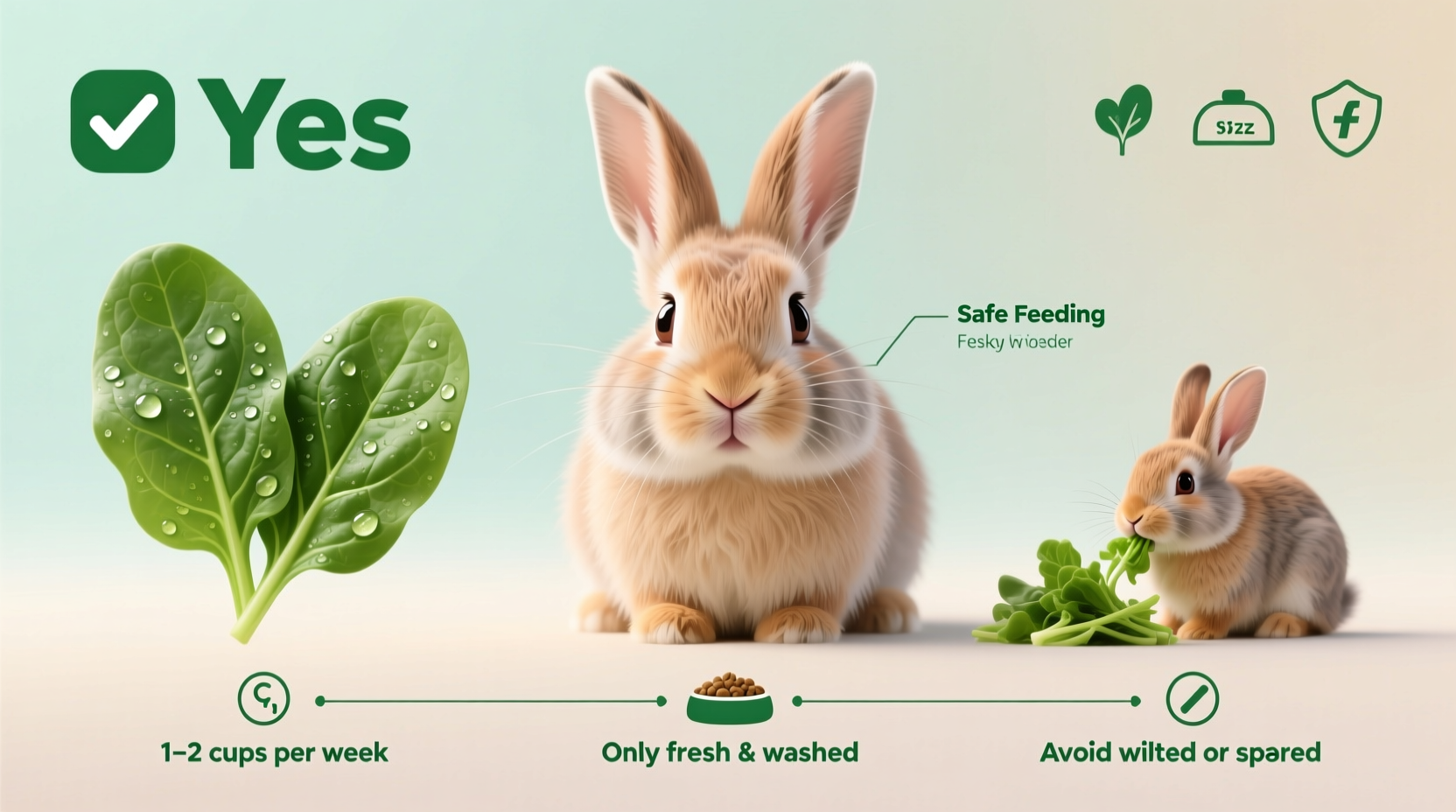
Spinach (Spinacia oleracea) is an edible flowering plant in the Amaranthaceae family, native to central and western Asia. It is cultivated globally for its tender, dark green leaves, which are consumed raw or cooked in a wide range of culinary traditions. In human nutrition, spinach is prized for its rich supply of vitamins A, C, and K, folate, iron, and antioxidants like lutein and beta-carotene. Its mild, slightly earthy flavor and soft texture make it a popular addition to salads, smoothies, sautés, and side dishes.
In the context of rabbit feeding, spinach falls under the category of \"leafy greens\"—a critical component of a herbivorous diet that mimics the natural foraging behavior of wild lagomorphs. However, unlike humans, rabbits have highly specialized digestive systems adapted to high-fiber, low-calorie vegetation. Their cecum—a large fermentation chamber—relies on a steady intake of fibrous plant matter to maintain microbial balance. While leafy greens contribute hydration and micronutrients, not all are equally suitable due to variations in oxalate, calcium, and water content. Spinach, in particular, presents a paradox: nutritious in moderation but potentially harmful if overfed.
Key Characteristics of Spinach
The nutritional profile of spinach plays a decisive role in its suitability for rabbits. Below is a breakdown of its primary characteristics relevant to rabbit physiology:
| Characteristic | Description |
|---|---|
| Flavor Profile | Mild, slightly sweet when young; becomes more earthy and bitter as leaves mature. |
| Texture | Soft and tender, especially in baby spinach; mature leaves are slightly tougher. |
| Water Content | Approximately 91–93%, contributing to hydration but potentially causing loose stools if overfed. |
| Fiber (Crude) | About 2.2%—lower than ideal for rabbits, which thrive on 18–25% fiber from hay-based diets. |
| Oxalic Acid (Oxalates) | High levels (up to 750 mg per 100g); binds calcium and may contribute to kidney or bladder stone formation. |
| Calcium Content | Approximately 99 mg per 100g—moderate to high, posing risk of urinary sludge in susceptible rabbits. |
| Vitamins & Minerals | Rich in vitamin A (as beta-carotene), vitamin K, folate, and iron—beneficial in controlled amounts. |
| Shelf Life (Fresh) | 3–7 days when refrigerated; spoiled or wilted spinach should never be fed to rabbits. |
These properties illustrate why spinach cannot be treated as a staple green. Its low fiber and high oxalate content contrast sharply with the optimal dietary needs of rabbits, making portion control and frequency critical.
Practical Usage: How to Feed Spinach to Rabbits
Spinach can be included in a rabbit’s diet, but only as an occasional treat and never as a primary vegetable. The general recommendation from veterinary nutritionists is to limit spinach to **no more than one tablespoon per 2 pounds of body weight, once or twice per week**. For example, a 4-pound rabbit may receive up to two tablespoons of chopped spinach twice weekly at most.
When introducing spinach—or any new food—do so gradually. Begin with a small piece (about half a teaspoon) and monitor your rabbit for 24 hours. Watch for signs of gastrointestinal upset such as decreased appetite, reduced fecal output, diarrhea, or bloating. If no adverse reactions occur, you may slowly increase to the recommended amount over several weeks.
TIP: Always wash spinach thoroughly to remove pesticide residues and dirt. Use organic spinach when possible, and avoid canned, cooked, or seasoned varieties. Only fresh, raw spinach should be offered.
Chop the leaves into small pieces and mix them with other low-calcium, low-oxalate greens to dilute the impact. Ideal pairing vegetables include romaine lettuce, cilantro, dandelion greens, bok choy, and radicchio. This diversification reduces the risk of nutrient imbalances while providing sensory variety.
Remove uneaten spinach within a few hours to prevent spoilage and bacterial growth in the cage. Never feed wilted, yellowing, or slimy leaves, as these can harbor harmful microbes that disrupt gut flora.
Variants & Types of Spinach
Several types of spinach exist, each with slight differences in texture, flavor, and nutrient density. Understanding these variants helps in selecting the safest option for rabbits:
- Baby Spinach: Harvested early, with tender leaves and milder flavor. Lower in fiber and oxalates than mature spinach, making it the preferred choice when offering small portions.
- Savoy Spinach: Characterized by crinkly, dark green leaves. More robust in texture and higher in oxalates; less suitable for rabbits due to increased bitterness and toughness.
- Flat-Leaf (Smooth) Spinach: Easier to clean than savoy, with a crisp bite. Nutrient levels are similar to savoy, so moderation is equally important.
- Golden Spinach (New Zealand Spinach): Not true spinach (Tetragonia tetragonioides), but sometimes used as a substitute. Higher in protein and lower in oxalates, though still not a primary green for rabbits.
For rabbit feeding, **baby spinach** is the best option due to its softer texture and relatively lower concentration of anti-nutrients. However, even this milder form should be limited due to its inherent calcium and oxalate load.
Comparison with Similar Leafy Greens
Many leafy greens resemble spinach in appearance or culinary use but differ significantly in safety for rabbits. The following comparison highlights key distinctions:
| Green | Calcium Level | Oxalate Level | Rabbit Safety Rating | Notes |
|---|---|---|---|---|
| Spinach | High | High | Poor (occasional only) | High oxalate-calcium complex risk; avoid regular use. |
| Kale | Very High | Moderate | Poor | Also forms calcium oxalate; linked to urinary issues. |
| Romaine Lettuce | Low | Low | Excellent | Hydrating, fibrous, and safe for daily use. |
| Cilantro | Low | Low | Excellent | Well-tolerated; many rabbits enjoy the aroma. |
| Dandelion Greens | Moderate | Low | Excellent | Natural diuretic; supports liver and digestion. |
| Arugula | Low | Low | Good | Slightly peppery; use in rotation, not daily. |
This comparison underscores that while spinach is nutritionally rich, safer and more appropriate greens are readily available. Relying on low-oxalate, high-fiber options ensures better long-term urinary and digestive health.
Practical Tips & FAQs
Why is spinach potentially dangerous for rabbits?
Spinach contains high levels of oxalic acid, which binds with calcium to form calcium oxalate crystals. These insoluble compounds can accumulate in the kidneys and bladder, leading to sludge, stones, or urolithiasis—a painful and potentially life-threatening condition. Rabbits are especially prone due to their unique calcium metabolism, which involves absorbing nearly all dietary calcium regardless of need, excreting excess through urine.
Can baby rabbits eat spinach?
No. Juvenile rabbits under 12 weeks should consume only mother's milk, then gradually transition to hay and water. Introduce vegetables only after 12 weeks, starting with very low-risk options like romaine or cilantro. Spinach should be among the last greens considered, if at all.
How much spinach is too much?
More than one tablespoon per 2 pounds of body weight per week is excessive. Daily feeding—even in small amounts—can lead to chronic calcium buildup. Signs of overconsumption include cloudy or gritty urine, straining to urinate, and decreased activity.
Are frozen or cooked spinach safer?
No. Cooking does not eliminate oxalates effectively and may concentrate minerals due to water loss. Frozen spinach often contains added salt or preservatives. Only fresh, raw spinach should be considered—and even then, sparingly.
What are the best leafy greens for rabbits?
The safest daily greens include:
- Romaine lettuce
- Red or green leaf lettuce (not iceberg)
- Cilantro
- Italian parsley (in moderation)
- Dandelion greens (pesticide-free)
- Bok choy (excluding stalks, which are high in goitrogens)
- Endive and escarole
Can spinach cause digestive issues?
Yes. Due to its high water and low fiber content, excessive spinach can disrupt the delicate cecal fermentation process, leading to soft cecotropes or diarrhea. Sudden introduction exacerbates this risk.
Expert Insight: \"We see far too many cases of urinary calculi in pet rabbits tied directly to inappropriate veggie choices. Owners think 'green equals healthy,' but spinach and kale are landmines for susceptible animals. Stick to low-oxalate greens and let hay do the heavy lifting.\" — Dr. Lena Torres, DVM, Exotic Animal Nutrition Specialist
Summary & Key Takeaways
Spinach can be fed to pet rabbits, but only in strict moderation and never as a dietary staple. Its high oxalate and calcium content pose significant risks for urinary tract disease, particularly in adult or sedentary rabbits. While spinach offers beneficial vitamins and antioxidants, safer alternatives provide comparable nutrition without the hazards.
The cornerstone of a healthy rabbit diet remains unlimited access to fresh grass hay (such as timothy, orchard, or meadow hay), supplemented with a variety of low-oxalate leafy greens, limited pellets, and fresh water. Spinach, if offered at all, should be treated as an infrequent indulgence—no more than once or twice weekly in tiny portions.
To safeguard your rabbit’s long-term health:
- Avoid daily spinach feeding.
- Prioritize high-fiber, low-calcium greens like romaine and cilantro.
- Wash all produce thoroughly and serve raw.
- Monitor urine for changes in clarity or consistency.
- Consult a veterinarian before introducing new foods, especially for rabbits with a history of urinary issues.
Action Step: Audit your rabbit’s current vegetable rotation. If spinach, kale, or Swiss chard appear more than once a week, consider replacing them with dandelion greens, endive, or bok choy for a safer, more sustainable diet.









