Rabbits are naturally curious herbivores with sensitive digestive systems that require a carefully balanced diet. While hay forms the foundation of their nutrition, many owners look to supplement with fruits and vegetables. Banana peels, often discarded as waste, have sparked interest among rabbit caregivers wondering if this overlooked part of the fruit is safe and beneficial. The answer isn't a simple yes or no—it depends on preparation, portion size, and individual rabbit health.
Banana peels contain fiber and nutrients, but they also come with risks such as pesticide residue, high sugar content, and potential digestive upset. Understanding how to safely incorporate banana peels into a rabbit’s diet is essential to avoid unintended harm. This guide explores the nutritional value, safety considerations, proper serving methods, and real-life insights from veterinarians and experienced rabbit owners.
Nutritional Profile of Banana Peels
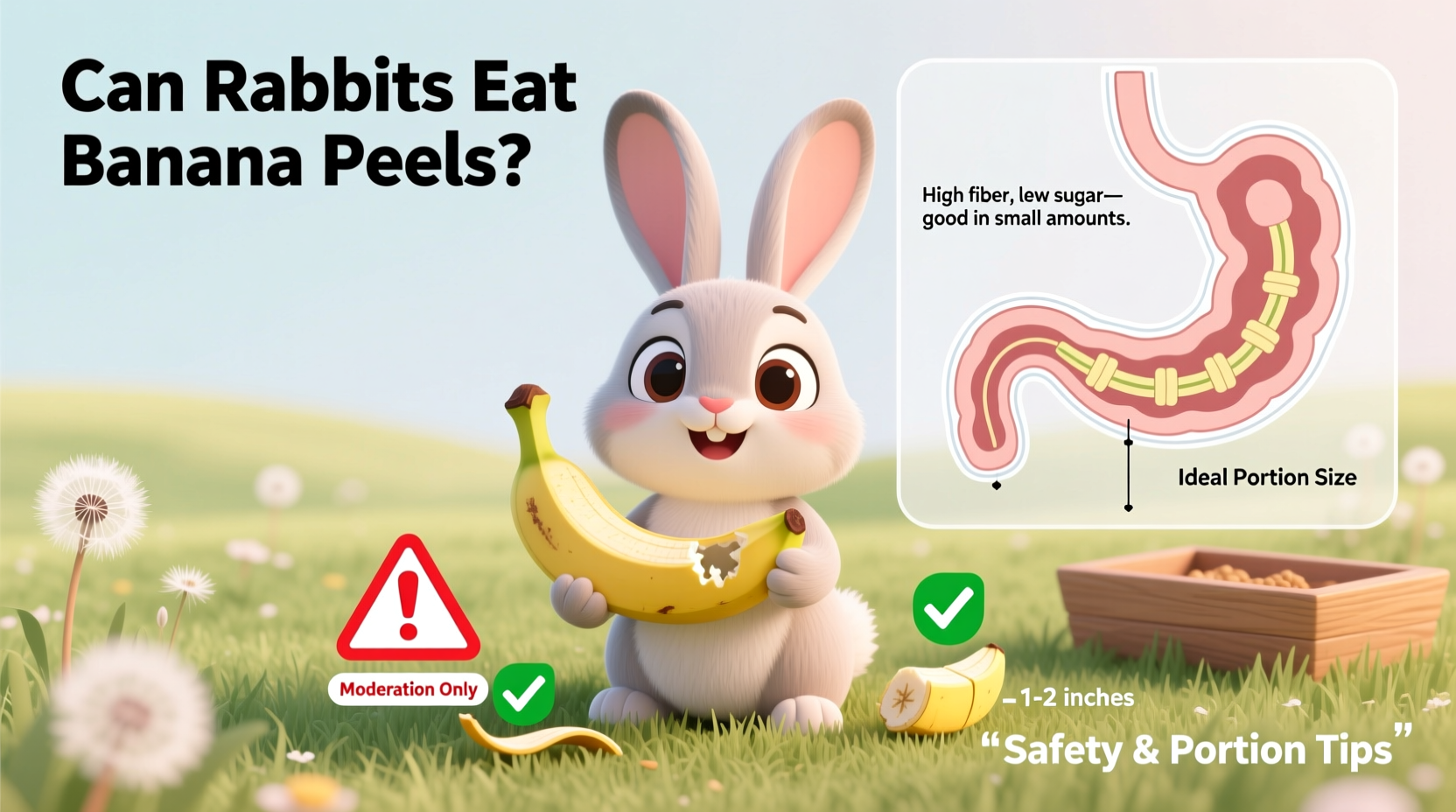
Banana peels are more than just inedible waste—they contain several nutrients that can benefit animals and humans alike. When considering feeding them to rabbits, it's important to understand what they're consuming.
Per 100 grams of raw banana peel (approximately one medium peel), the nutritional content includes:
| Nutrient | Amount | Relevance to Rabbits |
|---|---|---|
| Dietary Fiber | 2.6 g | Supports healthy digestion; essential for cecotropes production |
| Potassium | 422 mg | Helps regulate fluid balance and muscle function |
| Vitamin B6 | 0.37 mg | Supports metabolism and nervous system health |
| Vitamin C | 8.7 mg | Antioxidant; rabbits produce their own, but small amounts help |
| Sugars | 15–20 g | High for rabbits; can cause GI stasis or obesity if overfed |
| Water Content | ~80% | Provides hydration but may loosen stools in excess |
While the fiber and potassium content are beneficial, the relatively high sugar concentration is a red flag for rabbits. Their gastrointestinal tracts thrive on low-sugar, high-fiber foods like timothy hay. Excessive sugar disrupts the delicate balance of gut flora, potentially leading to bloating, diarrhea, or even life-threatening gastrointestinal (GI) stasis.
Tip: Always wash banana peels thoroughly under running water—even organic ones—to reduce pesticide and wax residue.Safety Concerns When Feeding Banana Peels
Despite their nutritional components, banana peels pose several safety concerns when fed to rabbits. These must be weighed carefully before offering them as a treat.
Pesticide and Chemical Residue
Conventionally grown bananas are among the most heavily sprayed fruits. The Environmental Working Group (EWG) consistently lists bananas on its \"Dirty Dozen\" report due to detectable pesticide levels—even after peeling. These chemicals can accumulate in a rabbit’s system and lead to long-term toxicity or acute illness.
Organic bananas reduce this risk significantly, but they may still carry surface contaminants from handling or storage. Washing alone does not remove all residues, especially systemic pesticides absorbed by the plant.
Digestive Sensitivity
Rabbits have evolved to process fibrous plant matter, not sugary fruit byproducts. Banana peels, while less sweet than the fruit inside, still contain enough natural sugars to disturb microbial fermentation in the cecum. Sudden dietary changes or high-sugar treats can trigger:
- Gastrointestinal stasis (a dangerous slowdown of gut motility)
- Diarrhea or soft cecotropes
- Tooth decay and dental issues over time
- Obesity, especially in less active or senior rabbits
Choking and Chewing Hazards
Fresh banana peels are tough and leathery. Some rabbits may struggle to chew them properly, increasing the risk of choking or incomplete digestion. Dried or overly ripe peels can become sticky and adhere to teeth, promoting plaque buildup.
“Even natural foods can be harmful if not given appropriately. A rabbit’s digestive system is incredibly efficient but fragile. Introduce any new food slowly—and never replace hay with treats.” — Dr. Laura Hammond, DVM, Small Mammal Specialist
How to Safely Offer Banana Peels: A Step-by-Step Guide
If you decide to offer banana peels to your rabbit, follow these steps to minimize risk and maximize safety.
- Choose organic bananas whenever possible. This reduces exposure to synthetic pesticides and fungicides commonly used in commercial farming.
- Wash the banana thoroughly. Use a produce brush under cool running water. Avoid soap or detergents, which can leave toxic residues.
- Peel the banana and cut a small strip. Start with a piece no larger than 1 inch by 0.5 inches—about the size of a postage stamp.
- Remove any remaining fruit pulp. The inner side of the peel often has clinging banana flesh, which is higher in sugar. Wipe it clean to reduce sugar intake.
- Offer the peel during daytime hours. Monitor your rabbit closely for the next 24 hours for signs of digestive upset, including reduced appetite, fewer droppings, or lethargy.
- Limit frequency. If well-tolerated, offer banana peel no more than once every 7–10 days, and only as an occasional treat—not a dietary staple.
Portion Control and Frequency Guidelines
One of the most common mistakes rabbit owners make is overfeeding treats—even healthy ones. Portion control is critical when introducing banana peels.
A general rule: Treats should make up no more than 5% of a rabbit’s daily diet. For an average 5-pound adult rabbit, this equates to roughly 1 tablespoon of fruit or vegetable matter per day��max.
Given that banana peels are still a fruit-based item, they fall under the same restriction. Here’s a practical guideline:
- First-time feeding: 1/2 inch x 1/4 inch strip (peel only, no fruit attached)
- Well-tolerated response: Increase slightly to 1 inch x 1/2 inch, max once weekly
- Never feed daily: High potassium and sugar levels can strain kidneys and disrupt gut flora over time
Kits, elderly rabbits, and those with preexisting conditions (like diabetes or dental disease) should avoid banana peels entirely unless approved by a veterinarian.
Do’s and Don’ts of Feeding Banana Peels
| Do’s | Don’ts |
|---|---|
| Use organic bananas when possible | Feed non-organic peels without washing |
| Wash and scrub the peel thoroughly | Offer large pieces or multiple times per week |
| Start with very small portions | Leave uneaten peel in the cage (it can attract pests or mold) |
| Monitor for 24 hours after feeding | Mix banana peel with other sugary treats on the same day |
| Remove all traces of fruit pulp | Assume all rabbits will tolerate it—individual reactions vary |
Real-Life Example: Bella the Rabbit and the Banana Peel Experiment
Sarah, a rabbit owner from Portland, Oregon, decided to test whether her 3-year-old Holland Lop, Bella, could handle banana peels. After reading conflicting advice online, she consulted her exotic vet, who gave cautious approval with strict guidelines.
Sarah began by washing an organic banana, peeling it, and cutting a tiny strip of peel—about half an inch long. She offered it in the morning and watched Bella nibble cautiously. Over the next day, Sarah monitored droppings, appetite, and energy levels. Bella produced normal fecal pellets and remained active.
A week later, Sarah repeated the treat, slightly increasing the size. Again, no adverse effects. However, when she tried offering it a third time—this time alongside a slice of apple—Bella developed soft cecotropes the following evening.
After consulting her vet, Sarah realized that while Bella could tolerate banana peel in isolation, combining it with other sugary foods exceeded her digestive capacity. She now offers banana peel only once every 10 days, never with other treats, and always in minimal quantities.
This case illustrates how subtle factors—like treat combinations and frequency—can impact a rabbit’s tolerance. What works for one rabbit may not work for another.
Frequently Asked Questions
Can baby rabbits eat banana peels?
No. Kits under 6 months old should not be given any fruit or fruit peels. Their digestive systems are still developing and require a diet of hay, fresh water, and specially formulated pellets. Introducing sugary foods too early can cause permanent gut imbalances.
Are dried banana peels safe for rabbits?
No. Dried banana peels concentrate sugar and may contain preservatives or sulfur dioxide, which is toxic to rabbits. The texture also becomes tough and difficult to chew, posing a choking hazard. Stick to fresh, washed peels in moderation.
What are safer alternatives to banana peels?
Several vegetables are safer and more appropriate for regular feeding. Ideal options include:
- Leafy greens: romaine lettuce, cilantro, dandelion greens, kale (in moderation)
- Herbs: parsley, mint, basil
- Vegetables: carrot tops, cucumber slices, bell pepper (small amounts)
Final Checklist Before Offering Banana Peels
Before giving your rabbit a taste of banana peel, go through this quick checklist to ensure safety:- ✅ I’ve chosen an organic banana (preferred) or thoroughly washed a conventional one
- ✅ I’ve scrubbed the peel under running water and removed all fruit residue
- ✅ I’ve cut a very small piece—no bigger than 1 inch by 0.5 inch
- ✅ My rabbit has no history of GI issues, obesity, or dental problems
- ✅ I’m offering this as a rare treat, not part of the daily diet
- ✅ I’ll monitor my rabbit closely for 24 hours after feeding
- ✅ I won’t offer any other sugary treats on the same day
Conclusion: Treat Responsibly, Feed Wisely
Banana peels are not toxic to rabbits, but they are not inherently safe either. Whether they belong in your rabbit’s diet depends on careful consideration of quality, quantity, and individual health. While the fiber and nutrients in banana peels offer minor benefits, the risks of pesticide exposure, high sugar, and digestive disruption outweigh the rewards for many rabbits.
The cornerstone of a healthy rabbit diet remains unlimited grass hay, fresh water, and appropriate leafy greens. Treats like banana peels should be rare exceptions, not routine offerings. When in doubt, consult your veterinarian before introducing any new food.
By prioritizing your rabbit’s long-term health over momentary novelty, you ensure a happy, active companion for years to come. If you've experimented with banana peels, consider sharing your experience—your insights could help another caregiver make a safer choice.
💬 Have you fed banana peels to your rabbit? What was the result? Share your story in the comments to help build a community of informed, responsible rabbit owners.








