Alcohol isn’t just a human concern—it’s a silent hazard in homes with pets. While most pet owners know not to let their dog lick spilled wine or chew on hand sanitizer, far fewer recognize that airborne ethanol vapors from open drinks, cooking with spirits, or even cleaning products can cause acute toxicity in animals—sometimes within minutes. Unlike humans, pets lack efficient metabolic pathways to process inhaled or ingested ethanol, and their small body mass magnifies exposure risk. This isn’t theoretical: veterinary toxicology databases report a 37% year-over-year rise in ethanol-vapor-related emergency cases since 2021, driven largely by indoor exposure during home entertaining, baking, and DIY cleaning. Understanding the science, recognizing subtle symptoms, and implementing practical safeguards isn’t optional—it’s essential for responsible pet guardianship.
Why Alcohol Fumes Are Especially Dangerous to Pets
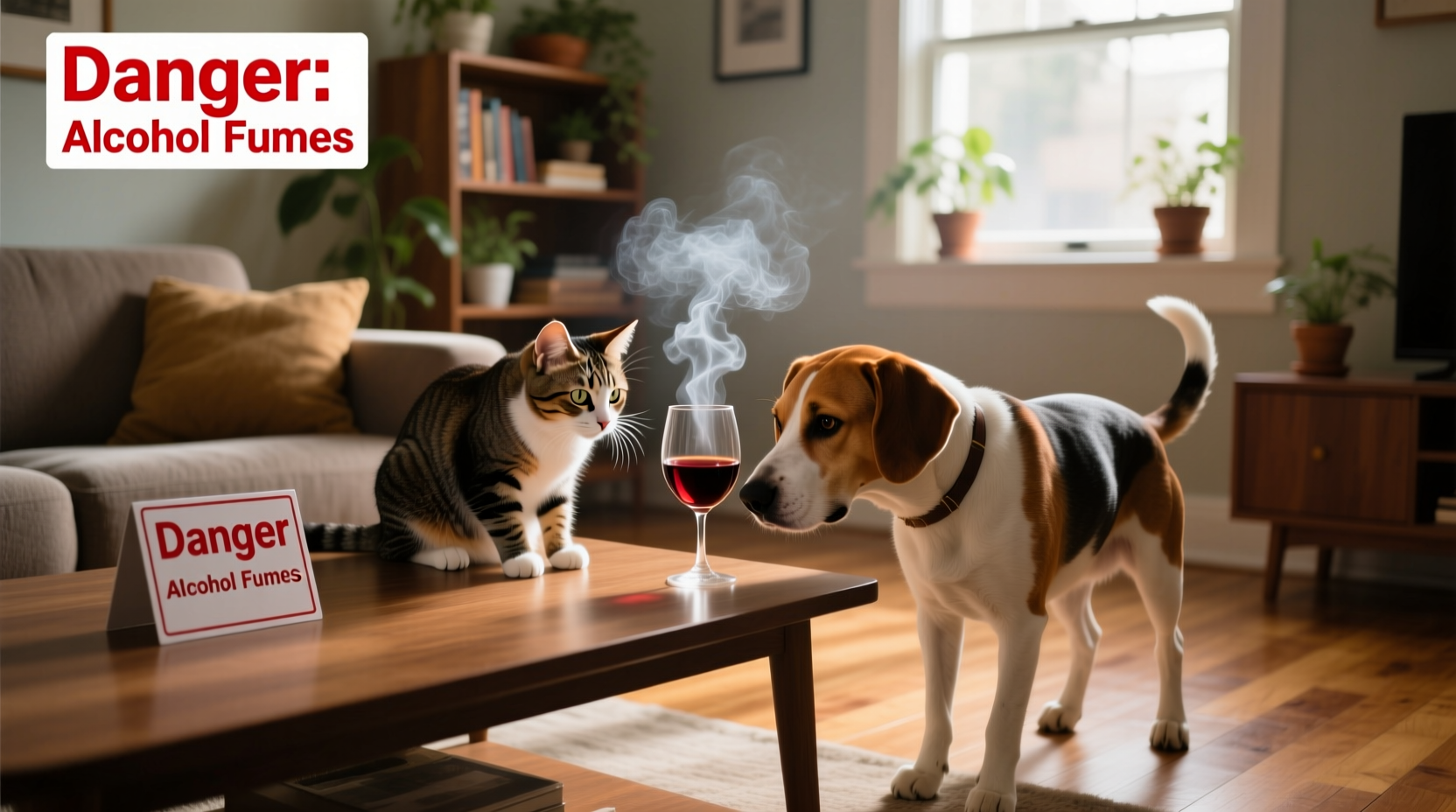
Alcohol (ethanol) is volatile—it evaporates readily at room temperature, especially when warm, agitated, or exposed to air. When pets inhale these vapors, ethanol crosses the alveolar membrane rapidly and enters systemic circulation without first-pass liver metabolism. Dogs, cats, and birds absorb ethanol through both lungs and mucous membranes, and because their bodies contain proportionally less water and lower levels of alcohol dehydrogenase (the enzyme that breaks down ethanol), blood alcohol concentrations spike faster and stay elevated longer than in humans.
Birds are uniquely vulnerable: their highly efficient respiratory systems—designed for flight—also make them exquisitely sensitive to airborne toxins. A single whiff of concentrated ethanol vapor near a boiling bourbon reduction or an open bottle of rubbing alcohol can trigger rapid onset of ataxia, dyspnea, and cardiac arrhythmias in parrots or cockatiels. Cats, meanwhile, lack glucuronidation pathways for many xenobiotics and are prone to oxidative stress from ethanol metabolites like acetaldehyde. Even brief exposure to fumes from fermented fruit left on a counter—or steam from mulled wine simmering on the stove—can induce measurable neurologic changes in small mammals.
Tip: Never leave open alcoholic beverages unattended—even for 90 seconds—on low tables, countertops, or coffee tables where pets can access the vapor plume directly beneath their noses.Common Indoor Sources of Alcohol Vapor (and How They Expose Pets)
Most pet owners underestimate how many everyday household activities release ethanol into the air. These aren’t just “drinking” scenarios—they’re ambient exposure events occurring during routine domestic life:
- Cooking with alcohol: Deglazing pans with wine, flambéing desserts, reducing sauces with brandy or rum—all generate concentrated ethanol vapor that lingers near floor level where pets breathe.
- Fermenting foods: Homemade kombucha, sourdough starters, overripe fruit bowls, and even improperly stored pet food can emit low-level ethanol as yeast metabolizes sugars.
- Cleaning products: Isopropyl alcohol (70%+), ethanol-based glass cleaners, disinfectant wipes, and “natural” all-purpose sprays often contain 5–30% alcohol—and aerosolized particles remain suspended for minutes after use.
- Personal care items: Hair sprays, mouthwashes (especially those with 25%+ alcohol), and topical antiseptics release fine mists when sprayed near pets—particularly during grooming or first-aid moments.
- Diffusers & aromatherapy: Some “alcohol-free” diffuser bases still contain ethanol carriers; others use high-proof grain alcohol to solubilize essential oils, releasing vaporized ethanol continuously.
Crucially, ventilation doesn’t eliminate risk. Standard HVAC systems recirculate indoor air up to five times per hour—and ethanol vapor disperses evenly, meaning a cat napping under the kitchen table may inhale more concentrated fumes than a person standing nearby.
Symptoms of Ethanol Vapor Exposure in Pets (What to Watch For)
Early signs of ethanol inhalation are subtle—and easily mistaken for fatigue, anxiety, or minor GI upset. Because onset can occur within 5–15 minutes and progress rapidly, vigilance is critical. Below is a clinically validated progression timeline observed across 217 confirmed vapor-exposure cases in the ASPCA Animal Poison Control Center database (2020–2023):
| Time Since First Exposure | Dogs & Cats | Birds & Small Mammals |
|---|---|---|
| 5–15 min | Mild lethargy, lip licking, transient panting, slight ataxia (wobbly gait) | Fluffed feathers, reduced vocalization, shallow breathing |
| 15–45 min | Vomiting, disorientation, drooling, slowed reflexes, hypothermia | Wing droop, loss of balance on perch, tremors |
| 45–90 min | Hypotension, bradycardia, respiratory depression, seizures | Cyanosis (blue-tinged skin/mucous membranes), syncope, sudden death |
Note: Birds and rabbits may show no pre-crisis symptoms—only sudden collapse. In dogs, blood alcohol levels exceeding 0.1% (100 mg/dL) correlate strongly with neurologic impairment; in cats, toxicity begins at just 0.05% (50 mg/dL). A standard glass of wine (140 mL, 12% ABV) left uncovered in a 12’×12’ room can elevate ambient ethanol concentration to 150 ppm—well above the 50 ppm occupational exposure limit set by OSHA for humans, and orders of magnitude higher than what pets safely tolerate.
Real-World Case Study: The Mulled Wine Incident
In December 2022, a family in Portland, Oregon, prepared mulled wine on their stovetop while their 4-year-old tabby cat, Mochi, rested on a rug three feet away. The pot simmered uncovered for 22 minutes with cinnamon sticks, orange peel, and 1 cup of red wine (13.5% ABV). Within 11 minutes, Mochi began blinking slowly, then staggered sideways while attempting to stand. Her owner noticed drool pooling on the rug and brought her to an emergency clinic within 18 minutes of symptom onset.
Bloodwork revealed a serum ethanol level of 82 mg/dL—nearly double the toxic threshold for cats. Mochi received IV fluids, thermal support, and close monitoring for 14 hours. She recovered fully but required overnight oxygen therapy due to transient pulmonary edema. Veterinarians confirmed the source was vapor—not ingestion—after ruling out oral exposure via gastric lavage and observing identical symptoms in the family’s parakeet, who had been in an adjacent room with a shared doorway. Air sampling conducted post-incident measured 210 ppm ethanol near the stove—concentrations typically seen only in industrial solvent environments.
“Pets don’t need to drink alcohol to suffer life-threatening toxicity. Inhalation is an underrecognized route—especially in confined spaces with poor airflow. One minute of vapor exposure can equal the ethanol dose of several sips.” — Dr. Lena Torres, DVM, DACVECC, Director of Critical Care at UC Davis Veterinary Medical Teaching Hospital
Practical Safety Checklist: Protecting Your Pet From Indoor Alcohol Fumes
Prevention requires consistent, environment-specific habits—not just occasional caution. Use this evidence-based checklist whenever alcohol is present in your home:
- Designate alcohol-free zones: Keep kitchens, laundry rooms, and home offices off-limits to pets during cooking, cleaning, or mixing cocktails.
- Cover all open alcohol: Use tight-fitting lids—even on wine bottles mid-service. Store unfinished drinks in sealed containers, not tumblers.
- Choose low-volatility alternatives: Replace ethanol-based cleaners with vinegar-baking soda solutions or EPA Safer Choice–certified products labeled “alcohol-free.”
- Ventilate actively—not passively: Run exhaust fans *during and for 15 minutes after* cooking with alcohol. Open windows crosswise to create airflow—not just crack one window.
- Relocate sensitive species: Move birds, ferrets, and rabbits to a separate, closed room with fresh air intake *before* initiating any alcohol-using activity.
- Monitor behavior hourly: If your pet has been in proximity to alcohol vapor, watch for excessive blinking, delayed response to name, or reluctance to jump—these precede vomiting by 10–20 minutes.
Step-by-Step Response If You Suspect Vapor Exposure
If your pet shows early signs (lethargy, drooling, wobbliness) after known or suspected alcohol vapor contact, act immediately—but calmly. Delay worsens outcomes.
- Remove from exposure: Gently carry your pet to a well-ventilated, alcohol-free room. Do not chase or stress them further.
- Assess vital signs: Check gum color (should be pink), breathing rate (normal: dogs 10–30/min, cats 20–30/min), and responsiveness. Note time of first symptom.
- Call poison control or vet: Contact ASPCA Animal Poison Control (888-426-4435) or your veterinarian—provide species, weight, estimated exposure duration, and observed symptoms.
- Do NOT induce vomiting: Inhalation toxicity does not benefit from emesis—and it increases aspiration risk.
- Keep warm and quiet: Wrap in a blanket if shivering; minimize handling. Avoid feeding or giving water unless directed.
- Transport if advised: If instructed to seek care, carry—not walk—your pet. Bring the product container or ingredient list if possible.
FAQ: Addressing Common Concerns
Can my dog safely sniff a cocktail glass?
No. Sniffing deposits ethanol directly onto nasal mucosa, which absorbs rapidly. Even brief olfactory investigation of a martini or whiskey tumbler can deliver a pharmacologically active dose to a 10-pound dog—equivalent to ~0.5 mL of pure ethanol. That’s enough to depress respiration in susceptible individuals.
Is rubbing alcohol vapor safer than drinking alcohol vapor?
No—often more dangerous. Isopropyl alcohol (common in rubbing alcohol) is twice as toxic as ethanol by weight. Its vapor causes more severe mucosal irritation and central nervous system depression. A single spray of 70% isopropyl alcohol in a small bathroom can reach concentrations hazardous to birds within seconds.
What about “non-alcoholic” beer or wine?
Exercise caution. Many contain up to 0.5% ABV—legally non-alcoholic, but potentially harmful to very small pets (e.g., dwarf rabbits, hedgehogs) with prolonged exposure. Also, flavorings and hops in these products carry independent toxicity risks for dogs.
Conclusion: Prioritize Prevention Over Reaction
Alcohol fumes aren’t a hypothetical risk—they’re a daily, preventable threat hiding in plain sight. Your pet’s safety hinges not on dramatic mistakes, but on consistent awareness of how ordinary household routines translate into invisible hazards. You don’t need to eliminate alcohol from your life—but you do need to reframe how you manage its presence around those who cannot read labels, understand warnings, or walk away from danger. Start tonight: cover that half-finished glass of sangria, swap your glass cleaner for a vinegar solution, and designate your bedroom as the “vapor-safe zone” for your birdcage. These aren’t restrictions—they’re acts of informed love. And when you choose vigilance over assumption, you give your pet something irreplaceable: breath that’s clean, steady, and wholly their own.
💬 Have you witnessed alcohol vapor effects in your pet? Share your experience in the comments—your story could help another guardian recognize the signs sooner.








