
Parsley is a common herb found in kitchens around the world, often used as a garnish or ingredient in fresh dishes. For humans, it's a nutritious addition—rich in vitamins and antioxidants. But when pets, particularly cats, show interest in nibbling on greenery, pet owners rightly pause: Is parsley safe for cats? Or could this seemingly harmless herb pose a health risk? Understanding the relationship between cats and parsley is essential for responsible pet care. While small amounts of certain herbs may offer mild benefits, others can be toxic. Parsley falls into a nuanced category—one that requires careful consideration of species, quantity, and preparation. This article examines the science behind parsley consumption in cats, outlines potential benefits and dangers, and provides practical guidance for pet owners navigating feline curiosity toward kitchen herbs.
Definition & Overview: What Is Parsley?
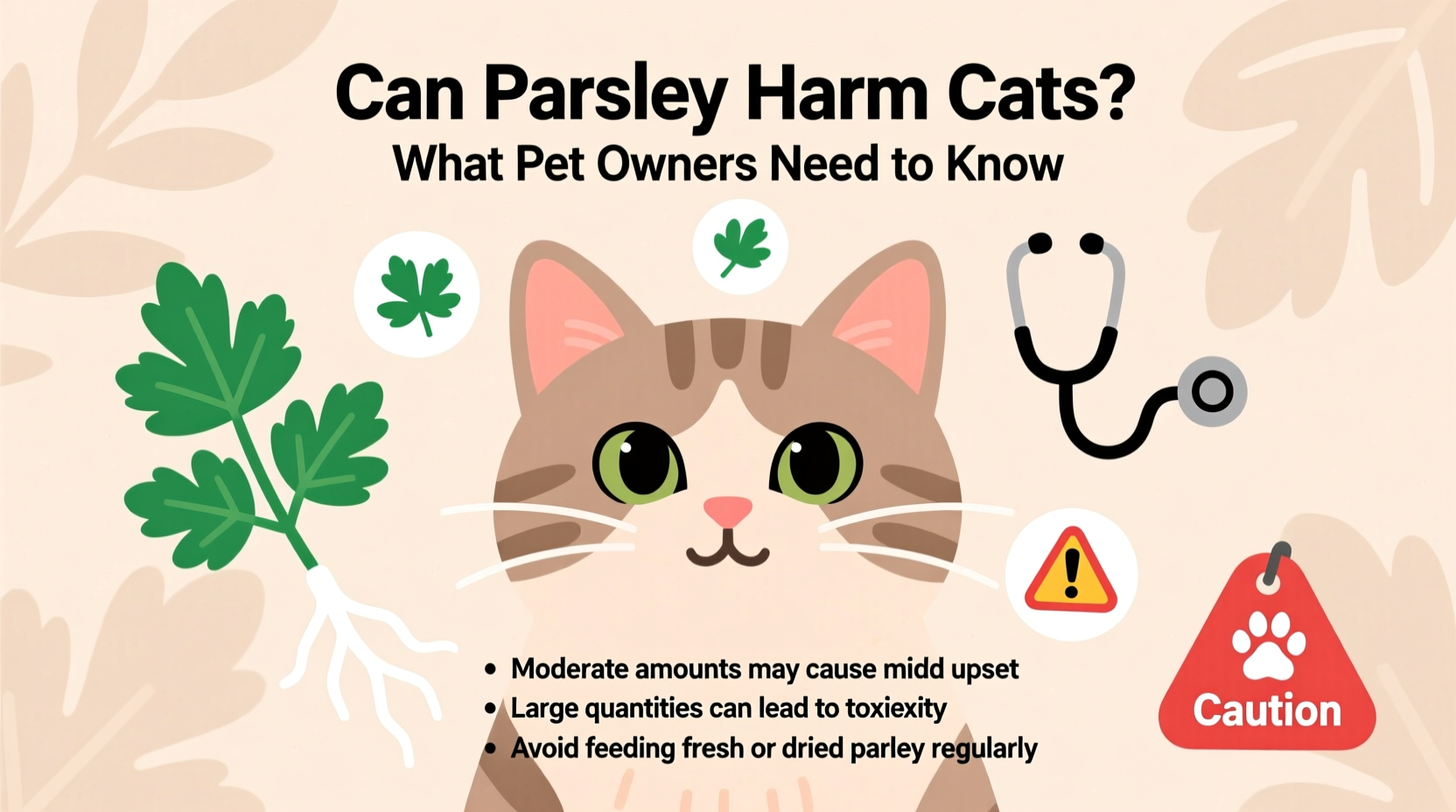
Parsley (Petroselinum crispum) is a biennial herb belonging to the Apiaceae family, which also includes carrots, celery, and cilantro. Native to the central Mediterranean region, it has been cultivated for thousands of years both as a culinary herb and for medicinal purposes. There are two primary varieties commonly used today: curly leaf parsley and Italian (flat-leaf) parsley. Both have a fresh, slightly peppery flavor with grassy undertones, though flat-leaf parsley tends to have a more robust taste preferred by chefs.
Beyond its role in human cuisine, parsley has been historically associated with digestive support, breath freshening, and diuretic properties. It is high in vitamin K, vitamin C, vitamin A (as beta-carotene), folate, and antioxidants like flavonoids and apigenin. Its bright green leaves are often used raw in salads, salsas, and garnishes, but it can also be cooked in soups, stews, and sauces. Given its nutritional profile, some pet food manufacturers include trace amounts of parsley in natural or holistic cat formulas. However, the leap from \"included in commercial products\" to \"safe for home feeding\" is not automatic—and warrants scrutiny when applied to cats, obligate carnivores with unique metabolic needs.
Key Characteristics of Parsley
- Flavor: Fresh, mildly bitter, with a clean, green, slightly peppery taste.
- Aroma: Crisp and herbal, reminiscent of celery or carrot tops.
- Color/Form: Bright green leaves; available as curly, flat-leaf, or dried flakes.
- Heat Level: None—it is non-pungent and does not contain capsaicin.
- Culinary Function: Used as a garnish, flavor enhancer, or ingredient in dressings, marinades, and fresh preparations.
- Shelf Life: Fresh parsley lasts 5–10 days refrigerated; dried form retains potency for 1–2 years if stored properly.
- Nutritional Highlights: High in vitamin K, vitamin C, iron, and antioxidants.
Tip: Store fresh parsley like flowers—trim stems and place in a glass of water in the fridge, covered loosely with a plastic bag to maintain freshness.
Is Parsley Safe for Cats? The Science Behind Feline Herb Consumption
Cats are obligate carnivores, meaning their bodies are designed to derive nutrients primarily from animal tissue. Unlike omnivores such as humans or dogs, they lack specific enzymes to efficiently break down plant matter. Yet many cats exhibit herbivorous behaviors—chewing on grass, houseplants, or kitchen greens. This behavior is generally considered normal and may serve several purposes: aiding digestion, helping expel hairballs, or fulfilling an instinctual need to ingest fibrous material.
When it comes to parsley specifically, the answer to safety isn't binary. In very small quantities, fresh parsley is **not acutely toxic** to most healthy adult cats. However, there are important caveats. Parsley contains compounds called **furanocoumarins**, which in large doses can be phototoxic and potentially damaging to the liver. These compounds increase sensitivity to UV light and may lead to skin irritation or systemic toxicity if ingested excessively over time. Additionally, parsley acts as a mild diuretic, which could exacerbate kidney conditions in older or compromised cats.
The ASPCA lists parsley as **non-toxic** for cats when consumed in minimal amounts. But “non-toxic” does not mean “recommended.” Just because a substance won’t cause immediate poisoning doesn’t imply it’s beneficial or safe for regular consumption. Cats do not require plant-based nutrients in their diet, and introducing herbs like parsley carries unnecessary risk without clear benefit.
Parsley vs. Spring Parsley: A Critical Distinction
A key point often overlooked is the difference between common garden parsley (Petroselinum crispum) and wild-growing relatives such as spring parsley (Montia perfoliata or other species). Some wild plants colloquially called “parsley” are highly toxic. Most notably, poison hemlock (Conium maculatum) resembles parsley and grows in similar environments. It is extremely dangerous—even fatal—to both humans and animals. Never allow cats access to unidentified wild greens, and ensure any parsley offered at home is confirmed, store-bought, or homegrown from reliable seed sources.
Variants & Types of Parsley: Implications for Cat Safety
Different forms of parsley vary in concentration and suitability—even for incidental feline contact. Here’s how each type compares:
| Type of Parsley | Description | Risk Level for Cats | Notes |
|---|---|---|---|
| Curly Leaf Parsley | Mild flavor, often used as garnish | Low (in tiny amounts) | Most commonly encountered; safest among types due to lower essential oil content |
| Italian (Flat-Leaf) Parsley | Stronger taste, higher in volatile oils | Moderate | Higher concentration of furanocoumarins; less suitable for cats |
| Dried Parsley | Dehydrated, concentrated form | High | More potent; avoid giving to cats entirely |
| Parsley Root | Less common; taproot similar to parsnip | Moderate to High | Contains higher levels of active compounds; not recommended |
| Parsley Seed or Oil | Extracted for supplements or essential oils | Very High | Toxic even in small doses; strictly prohibited for cats |
The concentration of bioactive compounds increases significantly in processed forms. While a single leaf of fresh curly parsley likely poses no harm, dried parsley or extracts used in herbal remedies can accumulate to dangerous levels. Essential oils derived from parsley are particularly hazardous—cats lack the glucuronosyltransferase enzyme needed to metabolize many phenolic compounds, making them vulnerable to toxin buildup.
Comparison with Similar Herbs: Where Parsley Stands
Many herbs are mistakenly grouped together based on appearance or use. Understanding how parsley differs from related plants helps clarify risks:
| Herb | Safe for Cats? | Key Differences from Parsley |
|---|---|---|
| Catnip (Nepeta cataria) | Yes (non-toxic, euphoric effect) | Member of mint family; affects behavior via nepetalactone; no relation to parsley |
| Cilantro/Coriander | Yes (in moderation) | Safer than parsley; fewer phototoxic compounds; often better tolerated |
| Chives / Garlic / Onion | No (highly toxic) | Allium family causes hemolytic anemia; far more dangerous than parsley |
| Dill | Yes (minimal risk) | Milder compound profile; sometimes used in pet-safe formulations |
| Poison Hemlock | No (lethal) | Visually similar to parsley; deadly neurotoxin (coniine); must be avoided |
\"While occasional ingestion of small amounts of common parsley is unlikely to cause acute illness, I advise against intentionally feeding it to cats. Their physiology simply isn’t built to process these compounds safely over time.\" — Dr. Elena Torres, DVM, Feline Nutrition Specialist
Practical Usage: Should You Give Parsley to Your Cat?
In short: **No, you should not feed parsley to your cat intentionally.** Despite anecdotal claims that parsley \"freshens breath\" or \"aids digestion,\" there is no scientific evidence supporting these benefits in felines. Any perceived improvement is likely coincidental or placebo-driven.
If your cat occasionally nibbles a leaf out of curiosity, monitor for signs of gastrointestinal upset such as vomiting, diarrhea, or lethargy. Most cats will self-regulate and stop after a taste. However, repeated consumption—or access to large quantities—should prompt veterinary consultation.
When Parsley Might Be Used Medically (Under Supervision Only)
In rare cases, holistic veterinarians may use minute, standardized doses of parsley extract in combination therapies—for example, as part of a urinary tract support protocol due to its mild diuretic action. Even then, this is done under strict control, using pharmaceutical-grade preparations, never raw herb. Home experimentation with herbal remedies can lead to overdosing or interactions with medications.
Alternatives for Cat-Safe Greenery
If your cat shows interest in eating plants, provide safer alternatives:
- Cat grass (wheatgrass, oat grass, barley grass): Grown specifically for cats, aids digestion and satisfies grazing instincts.
- Cat thyme: Non-toxic and aromatic; some cats enjoy chewing it.
- Spider plant (Chlorophytum comosum): Though not edible, many cats play with or chew it safely.
Pro Tip: Grow a small pot of cat grass indoors. It gives your pet a designated, safe outlet for herbivory and reduces the temptation to snack on houseplants or kitchen scraps.
Practical Tips & FAQs
Q: Can cats eat parsley in pet food?
A: Yes, many commercial cat foods contain trace amounts of parsley as a natural preservative or source of phytonutrients. These are carefully regulated and pose no risk. The concern arises only with additional, intentional feeding outside formulated diets.
Q: Is parsley tea safe for cats?
A: No. Herbal teas containing parsley are concentrated and may include other unsafe ingredients. Never give human herbal infusions to cats.
Q: What are the signs of parsley toxicity in cats?
A: Symptoms may include vomiting, diarrhea, increased urination, photosensitivity (skin redness or irritation after sun exposure), lethargy, or jaundice (yellowing of gums/eyes). If observed, contact a veterinarian immediately.
Q: Are kittens more sensitive to parsley?
A: Yes. Kittens have immature livers and kidneys, making them more susceptible to plant toxins. Keep all herbs out of reach of young cats.
Q: Can parsley cause allergies in cats?
A: While true allergies are rare, individual sensitivities can occur. Watch for itching, swelling, or respiratory changes after exposure.
Q: How much parsley is too much?
A: There is no established safe dose. As a guideline, avoid giving more than one small leaf per week—and even that is unnecessary. Zero intake is the safest approach.
Q: Is cilantro safer than parsley for cats?
A: Generally, yes. Cilantro is considered low-risk and is sometimes included in cat treats. It lacks the furanocoumarins found in parsley and is better tolerated overall.
Storage, Handling, and Household Safety
Prevention begins with awareness. Follow these steps to minimize risk:
- Store fresh parsley in sealed containers away from counter edges where cats can reach.
- Dispose of trimmings promptly—don’t leave them in compost bowls on the countertop.
- Label any indoor herb gardens clearly and place them in cat-inaccessible areas.
- Avoid using parsley-based essential oils in diffusers; inhalation can be harmful.
- Educate family members and guests not to offer human foods or herbs to pets.
Summary & Key Takeaways
Parsley occupies a gray zone in feline nutrition: technically non-toxic in minuscule amounts, yet carrying enough risk to warrant caution. While accidental ingestion of a leaf is unlikely to cause harm, deliberate feeding is not advised. Cats derive no essential benefit from parsley, and the presence of furanocoumarins and diuretic properties introduces preventable health concerns—especially in sensitive individuals or those with preexisting conditions.
The safest course of action is to exclude parsley from your cat’s environment or diet entirely. Instead, support natural grazing behaviors with purpose-grown cat grass or vet-approved botanicals. Always verify plant identities—never assume a green herb is safe based on appearance alone. When in doubt, consult your veterinarian before introducing any new substance into your pet’s routine.
Responsible pet ownership means balancing curiosity with caution. Just because something is edible for humans doesn’t make it appropriate for cats. By understanding the limits of feline metabolism and respecting their biological needs, you ensure a longer, healthier life for your companion—one free from unnecessary dietary risks.
Final Advice: Keep your kitchen herbs beautiful on the plate—not in your pet’s bowl. When it comes to cats and parsley, an abundance of caution is always the best recipe.









