
Paprika is a common kitchen staple, prized for its vibrant red hue and ability to enhance the flavor of stews, rubs, roasted vegetables, and meats. But when sharing meals—or even scraps—with our canine companions, a critical question arises: can paprika be harmful to dogs? The answer is not a simple yes or no. While small accidental exposures may not always lead to severe consequences, paprika—especially in concentrated or spicy forms—poses real health risks to dogs due to their sensitive digestive systems and differing metabolism.
Understanding the components of paprika, the potential side effects, and how different varieties affect dogs is essential for pet owners who want to maintain both culinary enjoyment and pet safety. This article provides a comprehensive analysis grounded in veterinary science, nutritional research, and practical feeding guidelines. It clarifies misconceptions, outlines clinical concerns, and offers actionable advice for preventing exposure and responding appropriately should ingestion occur.
Definition & Overview
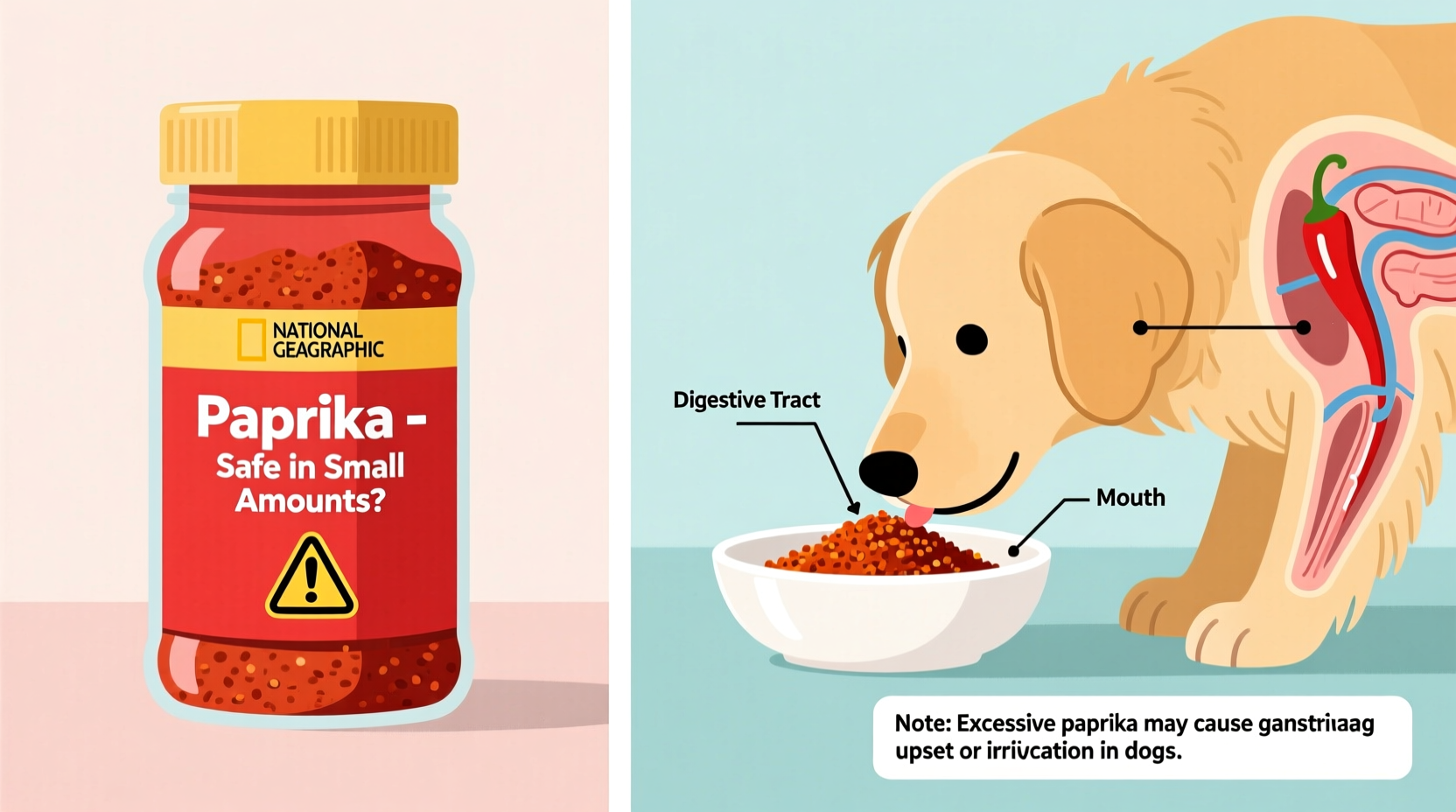
Paprika is a ground spice made from dried peppers belonging to the *Capsicum annuum* species, which includes bell peppers, cherry peppers, and various chili peppers. Originating in Central America, it was introduced to Europe through trade routes and became a cornerstone of Hungarian, Spanish, and Balkan cuisines. Today, paprika varies widely in flavor, heat level, and color depending on the pepper variety used and the region of production.
The spice ranges from sweet and mild to hot and pungent, with some smoked versions adding depth through traditional drying methods over oak or beechwood fires. Its primary culinary appeal lies in its rich red pigment—derived from carotenoids like capsanthin—and its ability to add color and subtle sweetness without overwhelming heat (in mild forms).
Despite its widespread use in human cooking, paprika contains compounds that are not well-tolerated by dogs. The key concern is **capsaicin**, the active component responsible for the heat in chili peppers. Even in mild paprika, trace amounts can irritate a dog’s gastrointestinal tract. In hotter varieties, capsaicin levels increase significantly, raising the risk of toxicity symptoms.
Key Characteristics of Paprika
- Flavor Profile: Sweet, earthy, slightly peppery; can range from neutral to intensely hot.
- Aroma: Mildly smoky to robustly aromatic, especially in smoked (pimentón) types.
- Color/Form: Fine red-orange powder; sometimes clumpy if exposed to moisture.
- Heat Level (Scoville Scale): Varies:
- Sweet paprika: 0–100 Scoville Heat Units (SHU)
- Hot paprika: 5,000–10,000 SHU
- Smoked hot paprika: up to 15,000 SHU
- Culinary Function: Coloring agent, flavor enhancer, base for rubs and sauces.
- Shelf Life: 2–3 years when stored in a cool, dark, dry place; loses potency over time.
- Active Compounds: Capsaicin, carotenoids (e.g., beta-carotene, capsanthin), vitamin C, flavonoids.
Expert Tip: Always check ingredient labels on store-bought paprika blends. Some contain additives like garlic powder, onion powder, or sodium—all of which are highly toxic to dogs and more dangerous than paprika itself.
Why Paprika Can Be Harmful to Dogs
Dogs lack the physiological adaptations humans have developed to process spicy foods. Their taste receptors are more sensitive, and their digestive tracts are shorter and less equipped to handle irritants like capsaicin. When a dog ingests paprika—particularly in anything beyond trace amounts—the following issues may arise:
Gastrointestinal Irritation
Capsaicin stimulates pain receptors in the mouth, esophagus, stomach, and intestines. This leads to inflammation, nausea, drooling, vomiting, diarrhea, and abdominal pain. Symptoms typically appear within 30 minutes to 2 hours after ingestion.
Oral Discomfort and Pawing at Mouth
Dogs may paw at their mouths, lick excessively, or drink large amounts of water in response to the burning sensation. Unlike humans, they cannot verbally express discomfort, so behavioral changes are often the first sign of distress.
Respiratory Distress (Rare but Possible)
If paprika is inhaled as a powder—such as during cooking—dogs may experience coughing, sneezing, or difficulty breathing due to nasal and throat irritation. This is particularly concerning in brachycephalic breeds like Bulldogs or Pugs.
Potential for Secondary Toxicity
Many commercial seasoning blends containing paprika also include **onion powder** or **garlic powder**, both of which are extremely toxic to dogs. These ingredients damage red blood cells and can lead to hemolytic anemia, a life-threatening condition. Even small amounts over time can accumulate and cause illness.
\"While paprika alone may not be acutely fatal in most cases, its presence in seasoned foods often signals the coexistence of far more dangerous ingredients. We see more dogs hospitalized for garlic toxicity than capsaicin burns—but the warning signs start with something seemingly harmless like a bite of seasoned chicken.\" — Dr. Elena Torres, DVM, Veterinary Nutrition Specialist
Variants & Types of Paprika and Their Risk Levels
Not all paprika is created equal. Understanding the differences between types helps assess risk more accurately:
| Type of Paprika | Heat Level | Key Features | Risk to Dogs |
|---|---|---|---|
| Sweet (Hungarian) Paprika | Mild (0–100 SHU) | Bright red, slightly sweet, no heat; commonly used in goulash and rice dishes. | Low to moderate. Small traces unlikely to cause harm, but larger amounts may still induce GI upset. |
| Hot Paprika | Medium-High (5,000–10,000 SHU) | Contains spicier chili varieties; used in spicy sausages and ethnic dishes. | High. Significant risk of vomiting, diarrhea, and oral pain. |
| Smoked Paprika (Pimentón) | Mild to Hot (0–15,000 SHU) | Smoked over wood fires; adds deep, bacon-like flavor to paella and beans. | Moderate to High. Smoke compounds aren't toxic, but capsaicin and possible salt content elevate risk. |
| Spanish Bitter Paprika (Pimentón Picante) | Very Hot | Rare; intensely bitter and fiery; not common in home kitchens. | Very High. Should never be accessible to pets. |
| Blended Seasonings (e.g., Cajun, Taco Mix) | Variable | Often contain paprika + garlic, onion, salt, cumin, etc. | Extremely High. Garlic and onion make these among the most dangerous seasonings for dogs. |
Comparison with Similar Ingredients
Paprika is often confused with other red spices. Here's how it compares in terms of risk to dogs:
| Ingredient | Relation to Paprika | Toxicity to Dogs | Key Differences |
|---|---|---|---|
| Cayenne Pepper | Also made from ground chili peppers | High – higher capsaicin content than most paprika | More intense heat; faster onset of symptoms |
| Chili Powder (U.S.) | Often contains paprika + cumin, garlic, etc. | Very High – due to blend composition | More complex spice mix; greater likelihood of toxic additives |
| Turmeric | Similar color; sometimes substituted visually | Low – generally safe in small amounts | No capsaicin; anti-inflammatory properties; often used in dog supplements |
| Beetroot Powder | Natural red coloring alternative | Safe – non-irritating and edible | Used in dog treats for color; no heat or toxins |
Practical Usage: What You Should and Shouldn’t Do
In human cooking, paprika plays several roles:
- As a garnish for deviled eggs or hummus
- In dry rubs for grilled meats
- To color rice, soups, and sauces
- In homemade spice blends for tacos, stews, or roasted vegetables
However, when cooking for or around dogs, certain precautions are necessary:
❌ Avoid These Practices
- Sharing table scraps seasoned with paprika. Even a small piece of paprika-rubbed chicken can cause vomiting.
- Using open spice jars near curious dogs. Dogs may sniff or lick spilled powders, leading to oral burns.
- Feeding homemade dog treats with paprika. No safe dosage exists; avoid entirely.
- Assuming “natural” means “safe.” Many natural spices are toxic to dogs.
✅ Recommended Alternatives for Dog-Safe Flavoring
If you're preparing food for dogs or want to make treats more appealing, consider these safe options:
- Parsley – fresh, mild breath freshener and source of vitamins A and C.
- Basil – anti-inflammatory, safe in small quantities.
- Pumpkin puree (unsweetened) – aids digestion and adds texture.
- Low-sodium chicken broth (garlic-free) – enhances palatability without risk.
- Anise seed (trace amounts) – licorice-like scent dogs often enjoy.
Pro Tip: Label your spice jars clearly and store them in closed cabinets. Keep countertops clear during cooking to prevent accidental access. Train your dog the \"leave it\" command to reduce curiosity around food.
What to Do If Your Dog Eats Paprika
Immediate action depends on the amount ingested and the type of paprika:
Step-by-Step Response Guide
- Assess the Situation: Determine how much paprika was consumed and whether it was pure or part of a blend (e.g., taco seasoning).
- Check for Additives: Look at packaging or recipe ingredients. If garlic, onion, or high salt content was involved, contact a vet immediately.
- Monitor for Symptoms: Watch for:
- Excessive drooling
- Vomiting or diarrhea
- Pawing at mouth
- Lethargy or restlessness
- Whining or signs of abdominal pain
- Offer Water: Allow your dog to drink small amounts to soothe the mouth and stomach. Do not force.
- Do Not Induce Vomiting: Unless instructed by a veterinarian, inducing vomiting can worsen irritation.
- Contact Your Veterinarian or Pet Poison Helpline: Provide details about the product, quantity, and time of ingestion.
- Follow Professional Advice: Treatment may include antacids, hydration support, or observation. Severe cases may require clinic visits.
In most cases of mild paprika ingestion (e.g., a few licks), symptoms resolve within 12–24 hours with supportive care. However, any sign of worsening condition warrants urgent attention.
Storage, Substitutions, and Prevention Strategies
Preventing exposure is far more effective than treating symptoms. Consider these long-term strategies:
Safe Storage Tips
- Use child-proof or pet-proof spice racks.
- Store opened spices in sealed glass containers.
- Keep cooking areas supervised—never leave pots unattended.
Substitutions for Human Food Preparation
When making family meals where you might later share safe portions with your dog:
- Cook the main dish before adding paprika or spices.
- Set aside plain meat or vegetables for your dog prior to seasoning.
- Use turmeric instead of paprika for color in shared dishes (safe in moderation).
DIY Dog Treat Recipe (Paprika-Free)
Create safe, flavorful treats using dog-friendly ingredients:
Oat & Peanut Butter Dog Treats
- 1 cup rolled oats
- 1/2 cup unsalted peanut butter (xylitol-free)
- 1/2 cup pumpkin puree
- 1 egg
- 1.5 cups whole wheat flour (or oat flour for grain-free)

Mix wet ingredients, gradually add dry. Roll out, cut into shapes, bake at 350°F for 20–25 minutes.
Cool completely before serving.
FAQs About Paprika and Dogs
Is a tiny amount of paprika dangerous for dogs?
A single lick or minimal exposure is unlikely to cause serious harm in most dogs, but it can still lead to mild stomach upset. There is no established safe threshold, so avoidance is best.
Can paprika kill a dog?
It is extremely unlikely that paprika alone would be fatal. However, when combined with toxic additives like garlic or onion—or consumed in very large quantities—it can contribute to severe dehydration, anemia, or secondary complications requiring hospitalization.
Are there any health benefits of paprika for dogs?
No. While paprika contains antioxidants like beta-carotene, dogs do not require this spice in their diet. Safer sources of nutrients exist, such as carrots or pumpkin, without the associated risks.
Is smoked paprika worse than regular paprika for dogs?
Smoking does not increase toxicity, but smoked paprika often has a stronger flavor and may be used in dishes with higher fat, salt, or other harmful ingredients. The capsaicin content determines the primary risk, not the smoke.
My dog ate a paprika-seasoned chip. Should I worry?
One chip likely won’t cause lasting harm, but monitor for vomiting or diarrhea. Chips also contain high fat and salt, which are unhealthy for dogs independently. Make this a learning moment to keep snacks out of reach.
Summary & Key Takeaways
Paprika, while a beloved spice in human cuisine, carries notable risks for dogs. Though not acutely poisonous in the way chocolate or xylitol are, it can cause significant gastrointestinal distress, oral pain, and, when combined with other seasonings, life-threatening toxicity.
The core principles every dog owner should follow:
- Paprika is not safe for dogs, regardless of type—avoid intentional feeding.
- Hot and blended paprikas pose the highest risk due to capsaicin and toxic additives.
- Garlic and onion in seasoning mixes are more dangerous than paprika itself.
- Prevention is key: Store spices securely and prepare dog-safe food separately.
- Respond promptly: Monitor symptoms and consult a vet if ingestion occurs.
Final Thought: Culinary joy doesn’t have to come at the expense of pet safety. By understanding the boundaries between human and canine diets, we can cook with confidence, share love—not food—and keep our four-legged friends healthy and happy.









