
Hamster owners often seek nutritious, natural foods to supplement their pets’ diets. Among leafy greens, spinach is a popular choice for humans due to its high nutrient content—but when it comes to small animals like hamsters, even healthy foods can pose risks. The short answer is yes, hamsters can eat spinach, but only in strict moderation and with careful preparation. Feeding too much spinach can lead to health complications, particularly related to digestion and mineral absorption. Understanding the balance between benefit and risk is essential for maintaining a hamster’s long-term health.
Spinach contains valuable vitamins and antioxidants that support immune function and overall vitality. However, it also carries compounds such as oxalates, which can interfere with calcium absorption and contribute to kidney issues in susceptible animals. Given the tiny size and sensitive digestive systems of hamsters, portion control and frequency are critical. This article explores the nutritional profile of spinach, its potential benefits and dangers for hamsters, safe feeding practices, and alternative greens that may offer a safer nutritional profile.
Definition & Overview
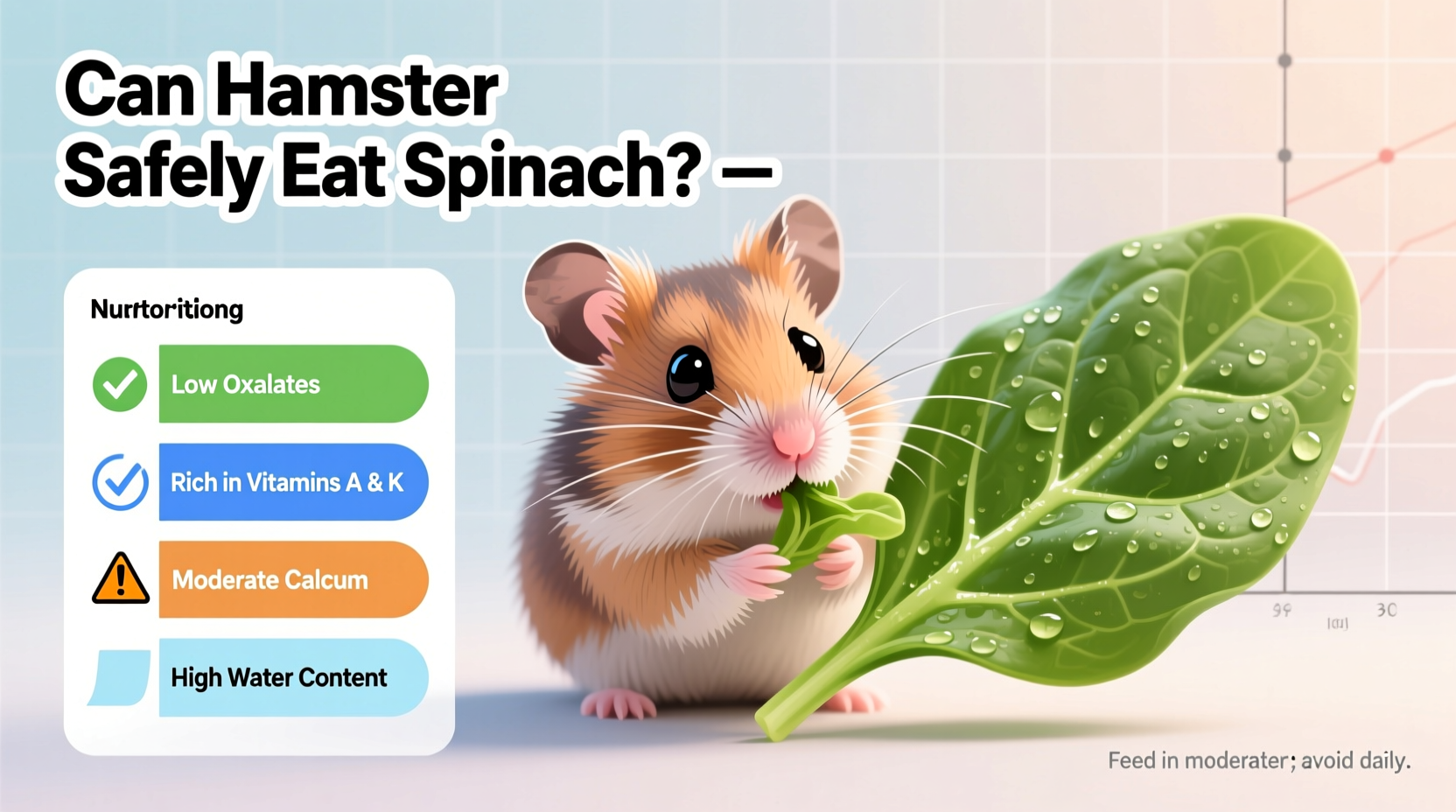
Spinach (*Spinacia oleracea*) is a flowering plant in the Amaranthaceae family, cultivated primarily for its edible dark green leaves. Native to central and western Asia, spinach has been used in human diets for centuries and is now grown worldwide. It is classified as a cool-season crop and comes in several varieties, including flat-leaf, savoy, and semi-savoy types.
In culinary terms, spinach is prized for its mild, slightly earthy flavor and tender texture when young. It is commonly consumed raw in salads, blended into smoothies, or cooked via sautéing, steaming, or boiling. Nutritionally, spinach is rich in vitamins A, C, and K, folate, iron, magnesium, and antioxidants such as lutein and beta-carotene.
While spinach is widely regarded as a “superfood” for humans, its role in animal nutrition—especially for small rodents like hamsters—requires more nuanced evaluation. Hamsters are omnivores with a primary diet based on commercial pellets, but they benefit from occasional fresh foods to mimic foraging behaviors and enhance dietary diversity. However, not all human-safe vegetables are appropriate for hamsters, and some can be harmful even in small quantities.
Key Characteristics of Spinach
| Characteristic | Description |
|---|---|
| Flavor Profile | Mild, slightly sweet when young; becomes more earthy and bitter when mature or cooked. |
| Aroma | Faint, fresh, green scent; minimal when raw. |
| Color & Form | Deep green leaves; can be flat or crinkled depending on variety. |
| Nutritional Highlights | High in vitamin A (as beta-carotene), vitamin K, vitamin C, folate, iron, magnesium, and antioxidants. |
| Anti-Nutrients | Contains oxalic acid (oxalates), which can bind calcium and impair mineral absorption. |
| Shelf Life (Fresh) | 3–7 days when refrigerated; best used quickly to preserve nutrients and prevent spoilage. |
| Culinary Function | Adds volume, color, and nutrients to dishes; wilts easily when heated. |
Benefits of Spinach for Hamsters
When fed sparingly and appropriately, spinach can provide several health benefits to hamsters:
- Vitamin A Support: Essential for vision, skin health, and immune function. Hamsters require vitamin A, and spinach offers it in the form of beta-carotene, which the body converts as needed—reducing the risk of toxicity compared to preformed vitamin A.
- Antioxidant Protection: Compounds like lutein and zeaxanthin help protect cells from oxidative stress, potentially supporting longevity and reducing inflammation.
- Dietary Fiber: Promotes healthy digestion and prevents constipation, though too much fiber can have the opposite effect in small animals.
- Hydration: With approximately 91% water content, spinach can help maintain hydration, especially during warmer months.
Despite these benefits, the presence of oxalates limits how much spinach a hamster should consume. Oxalates are naturally occurring compounds that bind to minerals like calcium, forming insoluble crystals that the body cannot absorb. In excess, this can lead to reduced calcium availability and, over time, the development of bladder or kidney stones—particularly in dwarf hamsters, which are more prone to urinary tract issues.
Practical Usage: How to Feed Spinach to Hamsters Safely
Feeding spinach to a hamster requires precision in quantity, frequency, and preparation. Follow these evidence-based guidelines to minimize risk while maximizing nutritional value:
- Wash Thoroughly: Always rinse spinach under clean running water to remove pesticides, dirt, and potential pathogens. Organic spinach is preferable, but not mandatory if properly cleaned.
- Serve Raw: Cooked spinach is not recommended for hamsters. Cooking concentrates oxalates and may introduce oils, salt, or seasonings that are harmful. Serve only raw, fresh leaves.
- Portion Control: Offer no more than one teaspoon of finely chopped spinach per week for an adult hamster. For dwarf breeds (e.g., Roborovski, Campbell’s), reduce to half a teaspoon every 10–14 days.
- Chop Finely: Cut the spinach into small pieces to prevent choking and encourage consumption. Place it directly in the food bowl or scatter it in the cage to stimulate foraging behavior.
- Monitor for Reactions: Observe your hamster for 24–48 hours after introducing spinach. Watch for signs of diarrhea, bloating, lethargy, or changes in urination (e.g., straining or blood-tinged urine).
- Remove Uneaten Portions: Discard any leftover spinach within 12–24 hours to prevent bacterial growth and spoilage inside the cage.
Expert Tip: Introduce new foods one at a time and wait at least three days before adding another. This helps identify adverse reactions and ensures dietary stability. If your hamster has a history of kidney or bladder problems, consult a veterinarian before offering spinach.
Variants & Types of Spinach
Not all spinach is created equal. Different varieties vary in texture, flavor, and oxalate content, which can influence their suitability for hamsters:
- Flat-Leaf Spinach: Smooth, broad leaves that are easy to clean and chop. Often milder in taste and lower in oxalates than savoy types. Recommended for hamsters due to easier preparation and digestibility.
- Savoy Spinach: Crinkly, curly leaves that can trap dirt and moisture. Higher in oxalates and more difficult to clean thoroughly. Best avoided or used very sparingly.
- Baby Spinach: Harvested early, with tender leaves and a sweeter flavor. Generally lower in oxalates and more palatable. Ideal for hamsters when available.
- Cooked or Frozen Spinach: Not recommended. Cooking increases oxalate concentration, and frozen spinach often contains added sodium or preservatives. Thawed spinach also becomes slimy and unappealing.
For hamster feeding, baby or flat-leaf spinach is the safest option. Always select fresh, crisp leaves without yellowing, wilting, or signs of mold.
Comparison with Similar Leafy Greens
Spinach is often grouped with other dark leafy greens, but not all are equally safe or beneficial for hamsters. Here's how spinach compares to common alternatives:
| Green | Oxalate Level | Hamster Safety | Recommended Frequency |
|---|---|---|---|
| Spinach | High | Low-Moderate (use sparingly) | Once per week (max) |
| Romaine Lettuce | Low | High | 2–3 times per week |
| Kale | Moderate-High | Moderate (small amounts) | Once every 10–14 days |
| Arugula | Low-Moderate | Moderate (spicy flavor may deter some) | Occasionally |
| Spring Mix (Mesclun) | Variable | Depends on blend | Check ingredients; avoid high-oxalate mixes |
| Endive / Escarole | Low | High | 1–2 times per week |
Romaine lettuce and endive are superior choices for regular feeding due to their low oxalate levels and hydrating properties. While spinach offers more concentrated nutrients, its risks outweigh those of safer greens when used frequently.
Practical Tips & FAQs
Can baby hamsters eat spinach?
No. Hamsters under six weeks old should only consume their mother’s milk and starter food. After weaning, introduce fresh foods gradually, starting with safer options like cucumber or romaine before considering spinach.
Is frozen spinach safe if thawed?
No. Frozen spinach is typically blanched before freezing, increasing oxalate concentration. It may also contain additives. Avoid entirely.
Can spinach cause diarrhea in hamsters?
Yes. Excess spinach—or any sudden addition of watery vegetables—can disrupt gut flora and lead to loose stools. Always introduce slowly and in tiny amounts.
How do I know if my hamster likes spinach?
Offer a small piece and observe. If ignored after 12 hours, your hamster may not prefer it. Some hamsters avoid strong-tasting greens. Never force-feed.
Are there long-term risks of feeding spinach?
Chronic, frequent consumption can contribute to urinary crystals or kidney stones, especially in predisposed individuals. Limit intake and rotate with low-oxalate vegetables.
What are the signs of oxalate-related illness?
Watch for difficulty urinating, blood in urine, lethargy, hunched posture, or loss of appetite. These may indicate bladder sludge or stones—seek veterinary care immediately.
Can I grow my own spinach for my hamster?
Yes, and it’s a great way to ensure chemical-free produce. Use organic soil and avoid pesticides. Wash homegrown leaves just as you would store-bought ones.
Safe Spinach Feeding Checklist
- ☑ Washed thoroughly
- ☑ Raw and fresh (not cooked or frozen)
- ☑ Chopped into tiny pieces
- ☑ Limited to 1 tsp per week (less for dwarfs)
- ☑ Introduced slowly
- ☑ Monitored for adverse effects
- ☑ Removed after 24 hours
“In clinical practice, I’ve seen several cases of bladder stones in dwarf hamsters linked to excessive consumption of high-oxalate greens like spinach and beet tops. Prevention through diet management is far more effective than treatment.”
— Dr. Elena Torres, Exotic Animal Veterinarian
Summary & Key Takeaways
Spinach can be included in a hamster’s diet, but it must be treated as an occasional treat rather than a staple. Its high oxalate content poses real health risks, particularly with frequent or large servings. When offered correctly—raw, washed, finely chopped, and in strict moderation—spinach can contribute valuable vitamins and hydration.
The core principles for safe feeding are: limit quantity, monitor response, prioritize low-oxalate alternatives, and never compromise on hygiene. Romaine lettuce, endive, and certain herbs like cilantro or parsley (in micro-portions) often provide better nutritional value with fewer risks.
Ultimately, a balanced hamster diet consists primarily of a high-quality commercial pellet mix, supplemented with safe fresh foods 2–3 times weekly. Spinach has a place in this rotation, but it should never dominate. By understanding both the benefits and limitations of this leafy green, pet owners can make informed, health-conscious decisions that support their hamster’s well-being.
Review your hamster’s current diet: Are you offering greens with hidden risks? Replace high-oxalate vegetables with safer options and track improvements in energy, coat quality, and digestion. When in doubt, consult an exotic veterinarian for personalized guidance.









