Guinea pigs are naturally curious herbivores with sensitive digestive systems. As a responsible owner, you want to provide variety in their diet while ensuring every treat is safe. Cucumbers are a common household vegetable, and many owners wonder whether the skin—often nutrient-rich—is suitable for their small companions. The answer isn't a simple yes or no; it depends on preparation, frequency, and individual tolerance. Understanding the nuances of feeding cucumber skin can help you make informed decisions that support your guinea pig’s health.
Nutritional Profile of Cucumber Skin
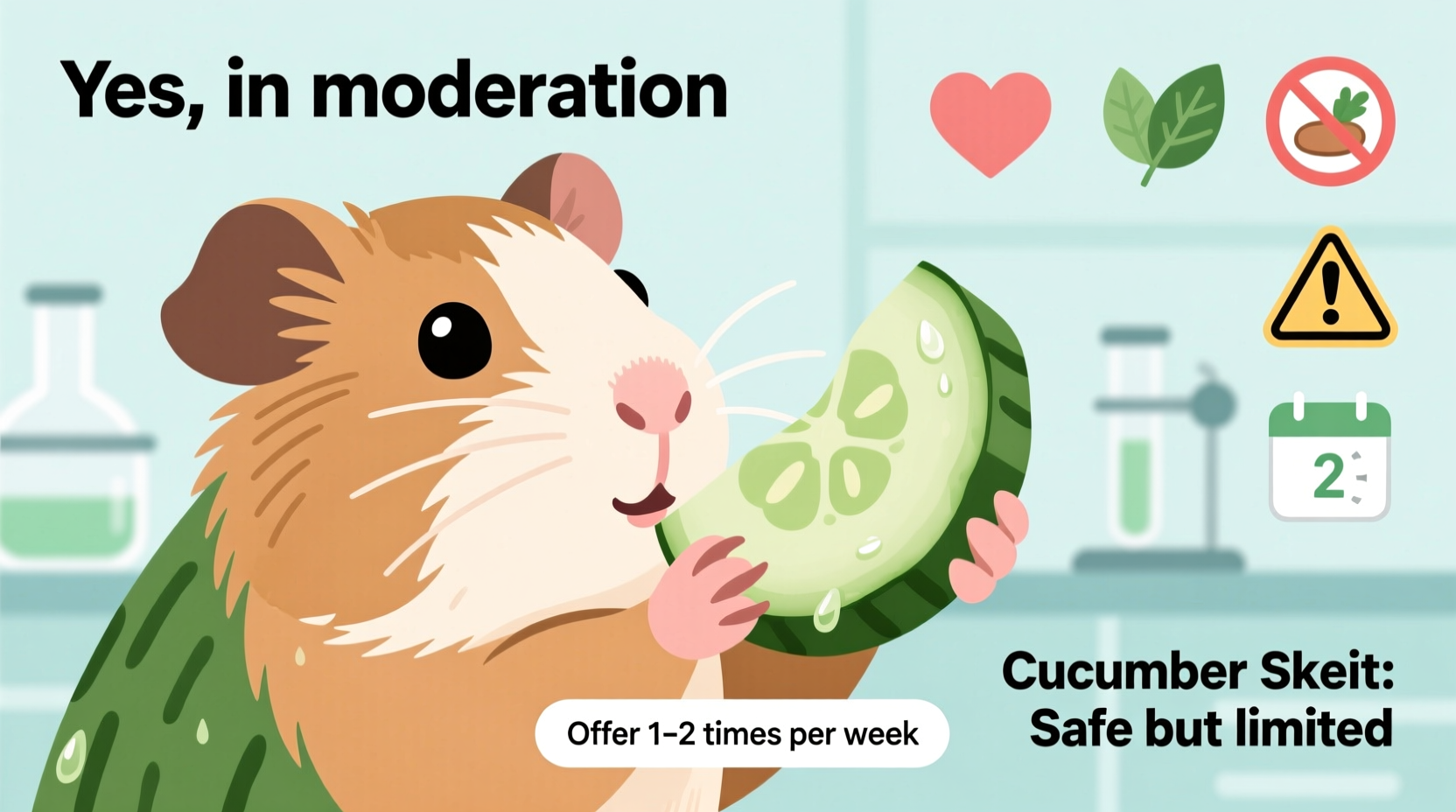
Cucumber skin contains several beneficial nutrients that can contribute positively to a guinea pig’s diet when fed appropriately. While the flesh of the cucumber is mostly water, the skin holds a higher concentration of fiber, vitamins, and antioxidants. Key components include:
- Vitamin K: Supports blood clotting and bone health.
- Dietary Fiber: Aids digestion and helps maintain healthy gut motility.
- Antioxidants: Such as flavonoids and tannins, which may reduce oxidative stress.
- Small amounts of Vitamin C: Crucial for guinea pigs, who cannot synthesize this vitamin on their own.
However, cucumber skin also carries potential risks due to pesticide residue, wax coatings (on non-organic cucumbers), and its tough texture, which some guinea pigs may struggle to chew or digest.
Tip: Always wash cucumber thoroughly under running water and use a soft brush to scrub the skin if you plan to feed it to your guinea pig.Safety Concerns: Pesticides and Digestive Sensitivity
The primary concern with feeding cucumber skin lies not in the vegetable itself but in how it's grown and handled. Conventionally grown cucumbers are frequently treated with pesticides, and their skins may be coated with food-grade wax to preserve freshness and appearance. These substances can be harmful to guinea pigs, whose small bodies are highly sensitive to chemical exposure.
A study by the Environmental Working Group (EWG) consistently ranks cucumbers among the top 20 produce items with pesticide residues. While levels are considered safe for humans, they can pose significant risks to smaller animals like guinea pigs.
“Even low levels of pesticide exposure can disrupt the delicate balance of a guinea pig’s digestive flora, leading to gastrointestinal stasis or long-term organ strain.” — Dr. Lena Reyes, Exotic Animal Veterinarian
Additionally, some guinea pigs have sensitive digestive tracts. The fibrous nature of cucumber skin, while generally safe, can cause bloating or diarrhea in individuals unaccustomed to high-fiber vegetables. Sudden dietary changes—even with safe foods—can trigger discomfort.
How Often Can Guinea Pigs Eat Cucumber Skin?
Cucumber skin can be offered as an occasional treat, not a staple. Due to its high water content and moderate fiber, overfeeding may lead to loose stools or reduced appetite for more nutritious foods like hay and leafy greens.
A recommended feeding schedule is:
- Frequency: 1–2 times per week.
- Portion: One thin slice of cucumber with skin, about 1 inch wide.
- Preparation: Organic cucumber preferred; washed thoroughly and cut into small, manageable pieces.
Introduce cucumber skin gradually. Start with a very small piece (about half a teaspoon of skin) and observe your guinea pig for 12–24 hours. Watch for signs of digestive upset such as lethargy, decreased appetite, or watery stool.
Step-by-Step Guide to Introducing Cucumber Skin
- Choose organic cucumbers when possible to minimize pesticide exposure.
- Rinse under cool running water and gently scrub the skin with a clean vegetable brush.
- Cut a small section (no larger than 1 inch) including the skin.
- Offer it during daytime feeding when you can monitor your pet.
- Remove uneaten portions after 12 hours to prevent spoilage and bacterial growth.
- Observe behavior and droppings for the next day.
- If no issues arise, you may repeat once weekly, rotating with other safe vegetables.
Do’s and Don’ts of Feeding Cucumber Skin
| Do’s | Don’ts |
|---|---|
| Wash cucumbers thoroughly before serving | Feed unwashed, store-bought cucumbers with wax or pesticides |
| Use organic cucumbers when available | Peel only to discard the skin—retain it if clean and safe |
| Limit servings to once or twice a week | Offer cucumber skin daily or in large quantities |
| Monitor your guinea pig after first introduction | Ignore signs of digestive discomfort |
| Combine with other vitamin C-rich veggies like bell peppers | Replace essential greens like romaine or cilantro with cucumbers |
Real-Life Example: Bella the Guinea Pig’s Reaction
Maria, a guinea pig owner from Oregon, decided to introduce cucumber skin to her two-year-old female guinea pig, Bella. She used a conventional cucumber from her local grocery store. Despite rinsing it under tap water, she didn’t scrub it or use a produce wash. Within six hours of eating a small strip of skin, Bella became less active and developed soft stools.
Maria contacted her exotic vet, who suspected mild pesticide irritation or wax ingestion. After switching to organic cucumbers and implementing a thorough scrubbing routine, Maria reintroduced cucumber skin in a much smaller amount. This time, Bella tolerated it well and now enjoys a tiny piece once a week without issue.
This case highlights the importance of sourcing and preparation—not just the food itself.
Balancing Hydration and Nutrition
Cucumbers are over 95% water, making them excellent for hydration, especially during warmer months. However, their low caloric and nutrient density means they should never replace core components of a guinea pig’s diet: unlimited Timothy hay, fresh water, and daily servings of vitamin C-rich vegetables.
Cucumber skin adds marginal nutritional value compared to staples like kale, spinach (in moderation), red bell peppers, or cilantro. While it provides some fiber and trace nutrients, it shouldn’t be relied upon for any significant health benefit.
Think of cucumber skin as a refreshing, low-risk treat rather than a functional food. Its role is enrichment and hydration—not nutrition.
Frequently Asked Questions
Can baby guinea pigs eat cucumber skin?
No, it’s best to avoid giving cucumber skin to young guinea pigs under 12 weeks old. Their digestive systems are still developing and more prone to upset. Stick to alfalfa hay, mother’s milk, and soft leafy greens during this stage.
Is pickled or salted cucumber safe for guinea pigs?
Absolutely not. Pickled cucumbers (such as pickles) contain vinegar, salt, sugar, and preservatives—all of which are toxic to guinea pigs. Only raw, fresh cucumber should ever be offered.
What should I do if my guinea pig eats too much cucumber skin?
Monitor closely for signs of diarrhea, bloating, or loss of appetite. Remove all other treats and ensure fresh water and hay are available. If symptoms persist beyond 24 hours, consult an exotic veterinarian.
Expert Recommendations and Final Thoughts
Veterinary experts agree that moderation and quality control are key when feeding cucumber skin. Dr. Alan Torres, a board-certified exotic animal specialist, emphasizes:
“The safest treat is one that’s clean, fresh, and given in context. Cucumber skin isn’t dangerous, but it’s not essential either. Prioritize nutrient-dense vegetables and use cucumbers sparingly for hydration and mental stimulation.” — Dr. Alan Torres, DVM, Exotic Pet Care Center
Guinea pigs thrive on routine and consistency. Introducing new foods—even safe ones—should be done thoughtfully. Cucumber skin can be part of a balanced diet, but only when prepared correctly and fed infrequently.
Checklist: Safe Cucumber Skin Feeding Protocol
- ☐ Choose organic cucumbers when possible
- ☐ Wash and scrub the skin thoroughly under running water
- ☐ Cut a small slice (about 1 inch)
- ☐ Offer for the first time in a tiny amount
- ☐ Monitor for 24 hours for adverse reactions
- ☐ Limit to 1–2 times per week maximum
- ☐ Never replace core diet items with cucumber
- ☐ Remove uneaten portions within 12 hours
Conclusion
Yes, guinea pigs can eat cucumber skin—but with important caveats. When sourced responsibly, cleaned properly, and fed in moderation, cucumber skin is a safe and hydrating addition to your pet’s diet. It offers minor nutritional benefits and can provide enrichment through texture and taste variation. However, it should never overshadow the foundational elements of their nutrition: high-quality hay, vitamin C-rich vegetables, and constant access to clean water.
By following the guidelines outlined here—prioritizing organic produce, practicing safe preparation, and observing your pet’s response—you can confidently include cucumber skin as an occasional treat. Your guinea pig will enjoy the crunch, and you’ll have peace of mind knowing you’re supporting their health with care and knowledge.
💬 Have experience feeding cucumber skin to your guinea pig? Share your tips or questions in the comments to help fellow pet owners make safer choices!








